David Lynch Forever
The filmmaker who pushed the boundaries of what cinema can do, the tamer of dreams and the unconscious, David Lynch. Idiosyncratic beyond measure, he captivated generations in his unapologetically strange universe, in his art that was made of the same stuff as our sweetest dreams and darkest nightmares.
Titles in this collection
Twin Peaks: The Missing Pieces
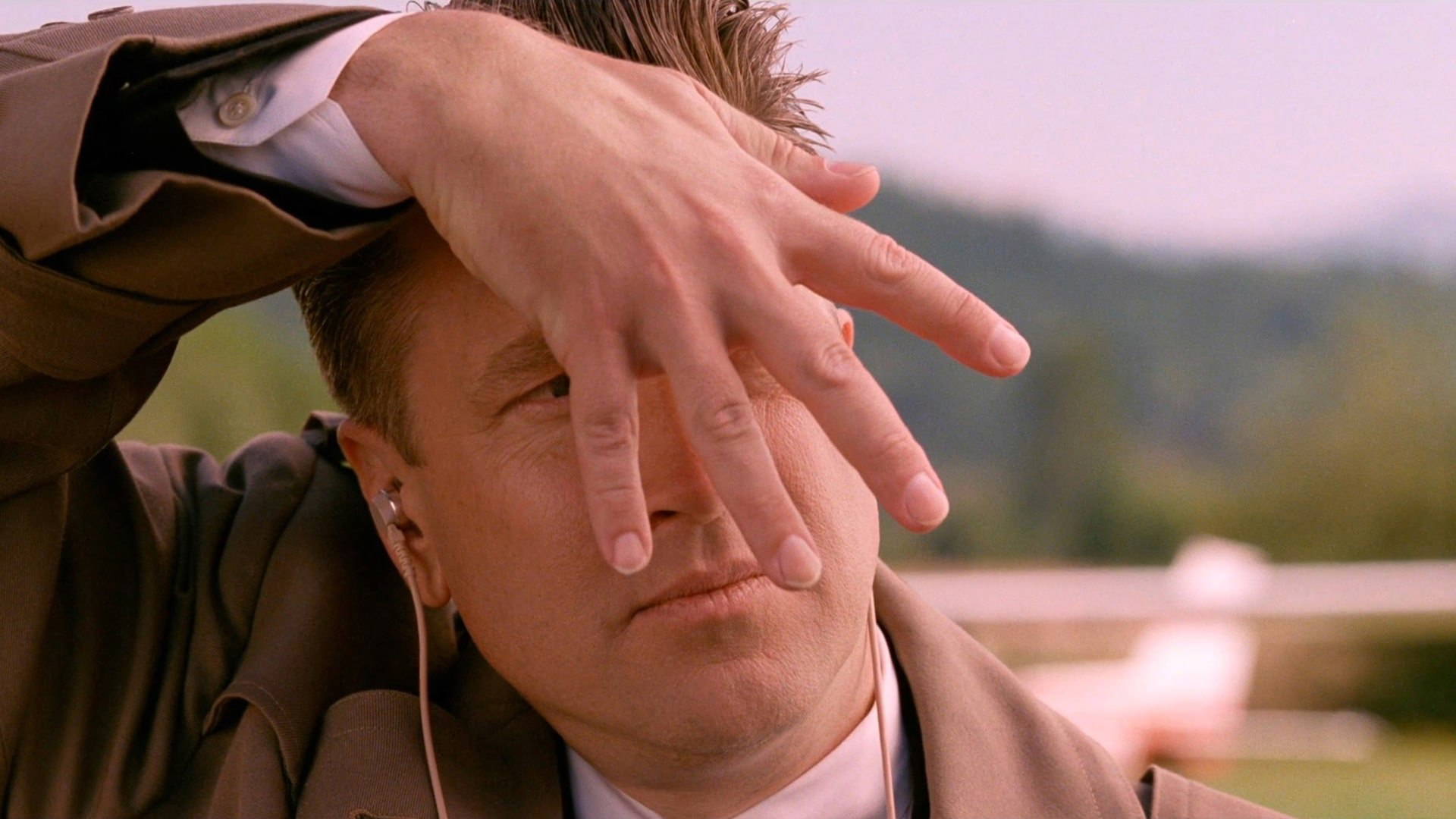
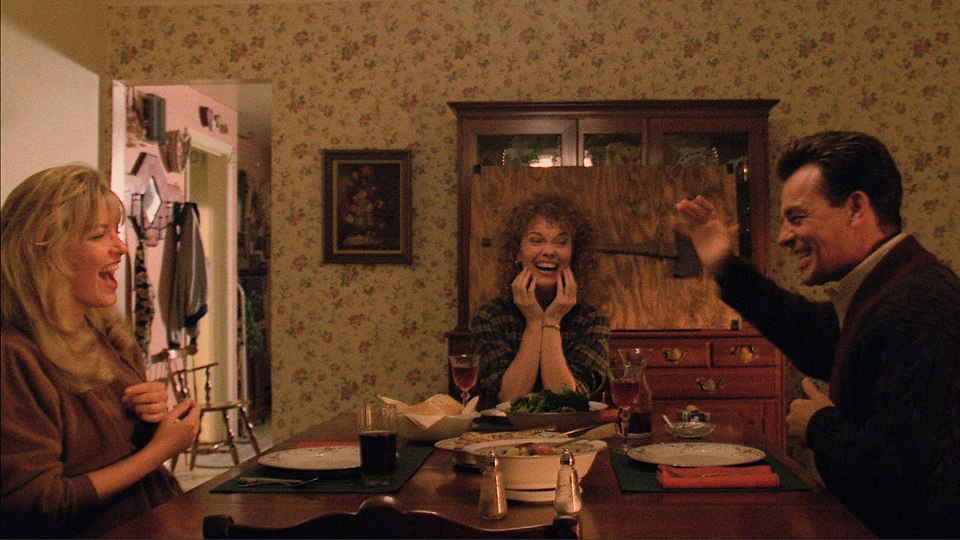
For twenty-two years nobody saw the ninety minutes David Lynch cut from “Twin Peaks: Fire Walk with Me”, until they were put together as a film of their own. This being Lynch, nothing gets explained, but Laura Palmer is finally given the time simply to be. — It’s a year before Laura Palmer’s death in Twin Peaks, and two FBI agents are handed the case of a girl murdered in a nearby town. Ordinary life goes on: at the Palmers’ dinner table the father teaches his wife and daughter Norwegian, and Laura chats with her friend Donna about nothing much. In the red room, a short man asks a question about time. Nobody answers him.
Eraserhead
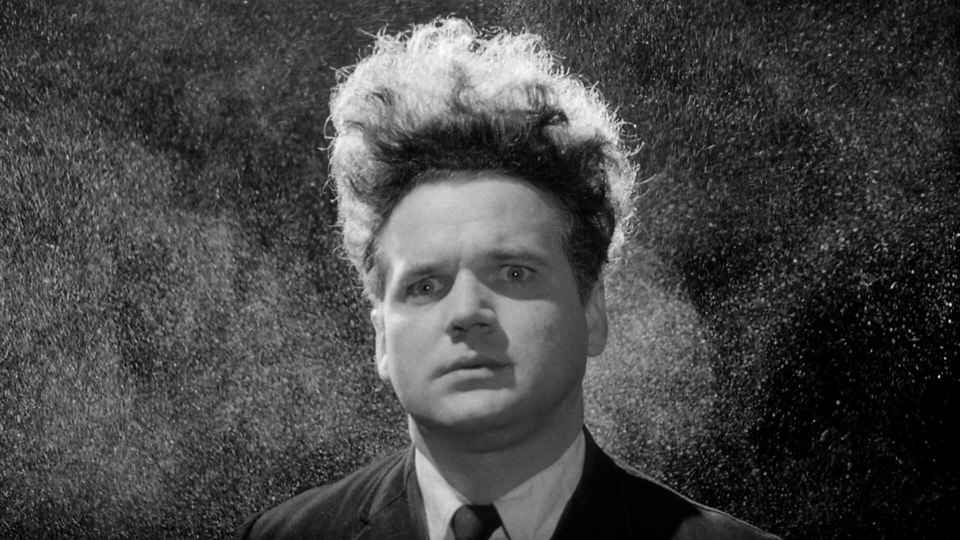
For five years David Lynch funded his debut on his wages from a night-time delivery round for the Wall Street Journal, and decades later nobody has explained its plot, nor probably ever will. This black-and-white nightmare, which seems to belong to the world of dreams, became a cult midnight movie. — Henry Spencer has a single room to himself in an industrial city whose machines never fall silent. Mary, his girlfriend, is permanently furious, while their baby, if it even is a baby, screams without end. Then Mary leaves, and Henry is alone with it.
Mulholland Drive
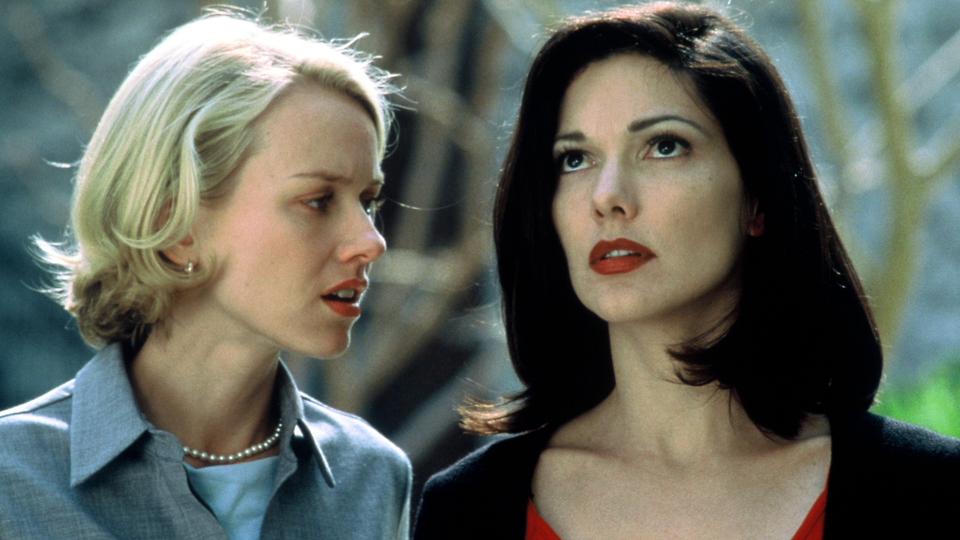
David Lynch cast Naomi Watts, who was ready to give up acting, as a blonde who arrives in LA certain she’ll be a star, in what was meant to be a pilot for ABC. Luckily the network turned it down, and the dreamlike, unsettling Hollywood nightmare it became now has cult status. — The only survivor of a car crash on a road outside Los Angeles walks away from the wreck with no memory of who she is. She takes shelter in an empty flat, and that’s where Betty finds her, fresh from Canada and sure she’s about to become an actress. Together the two women set out to discover who this stranger is, and who she used to be. — Nomination for Best Director | Oscars | 2002 Nomination for Best FIlm | Golden Globes | 2002 Best Editing | BAFTA | 2002 Best Director | Cannes Film Festival | 2001
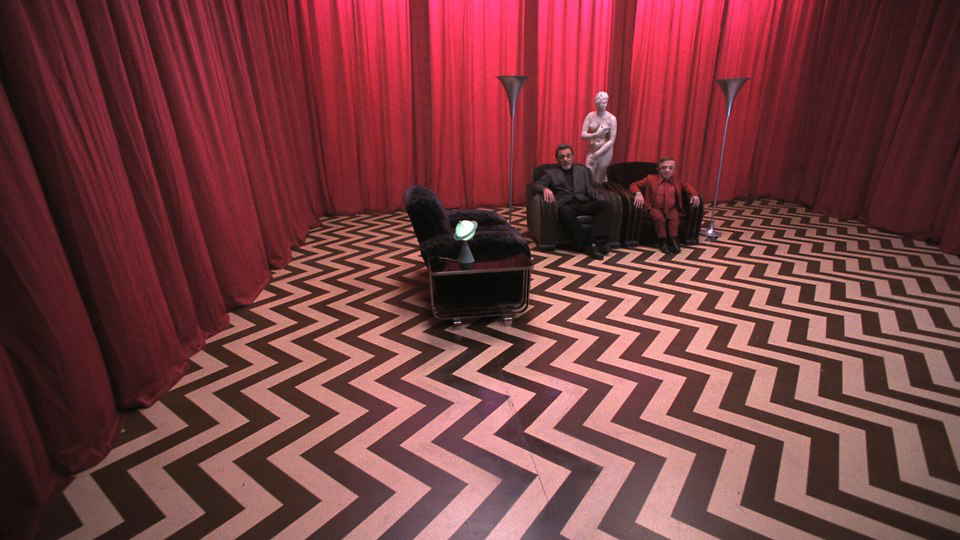
Twin Peaks: Fire Walk With Me
Back when everyone wanted Lynch to finally explain “Twin Peaks”, he answered with a prequel that only multiplies the questions, following Laura Palmer through the last seven days of her life. The film some fans first dismissed is now one many would follow into the Black Lodge. — David Lynch’s prequel to his own cult series begins in a small town in the Pacific Northwest. The FBI agent sent there to investigate the murder of a young woman, Teresa Banks, finds nothing and then vanishes himself. A year later, in nearby Twin Peaks, homecoming queen Laura Palmer has two boyfriends, a secret and seven days left to live. — Official Selection | Cannes Film Festival | 1992
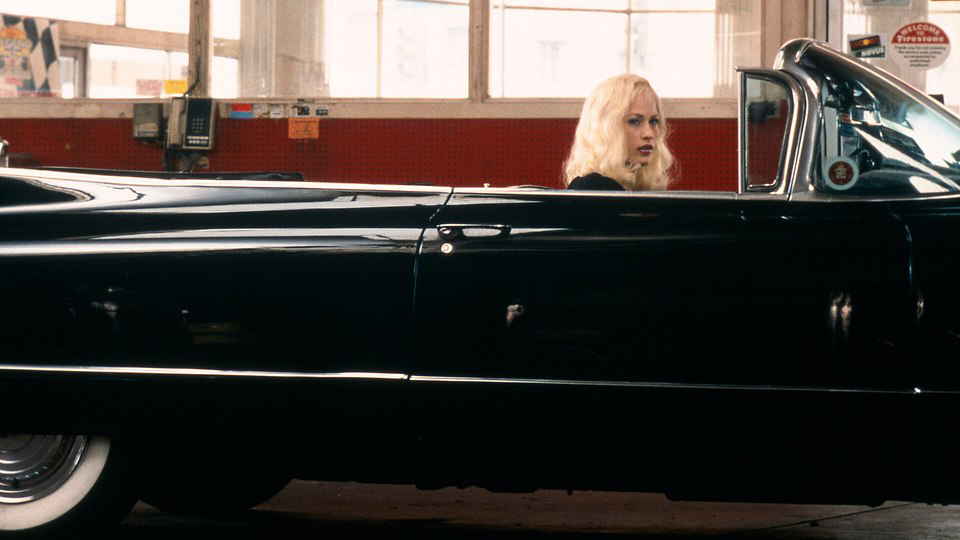
Lost Highway
Here is everything we love David Lynch for: a man convicted of a murder he can’t remember becomes someone else entirely, in what may be a new life or only a new dream. Patricia Arquette plays a double role, Angelo Badalamenti supplies the music, and it’s hard to imagine anything more Lynchian. — Videotapes start turning up on the doorstep of a jazz saxophonist and his wife, filmed inside their house while they slept. Before long he’s convicted of killing her, a murder he has no memory of, and while he waits to die in his cell he somehow turns into a car mechanic living an entirely different life. Once the mechanic is set free, their paths begin to cross.
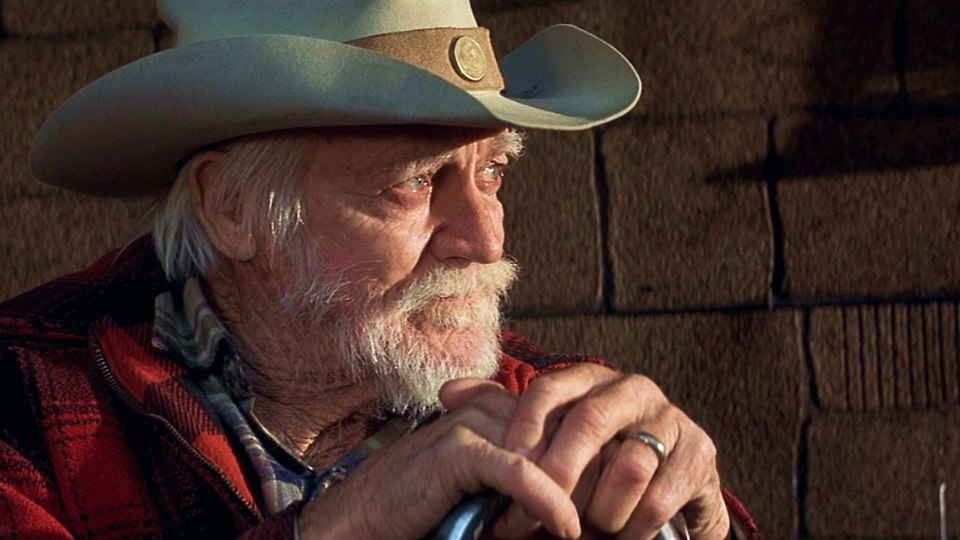
The Straight Story
In 1994 an elderly man rode a lawnmower nearly 400 kilometres to reach the brother he hadn’t spoken to in years, and Richard Farnsworth was 79 and had cancer when he played him. It’s David Lynch’s strangest film, precisely because it’s so ordinary. — Alvin Straight, of Laurens, Iowa, can barely walk, and no one is about to give him a driving licence. So when he hears that the brother he hasn’t spoken to in years has had a stroke, nearly 400 kilometres away, he starts up his lawnmower. It’s going to be a long ride. — Nomination for Best Performance by an Actor in a Leading Role (Richard Farnsworth) | Oscars | 2000 Official Selection | Cannes Film Festival | 1999 Screen International Award | European Film Awards | 1999
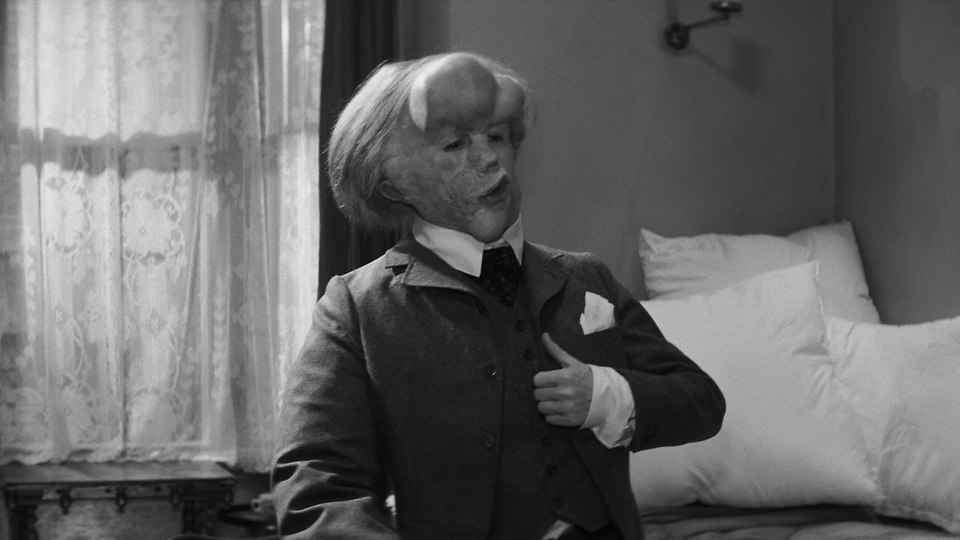
The Elephant Man
Lynch’s cult film earned eight Oscar nominations and was produced by the king of comedy, Mel Brooks, though his name isn’t in the credits. Anthony Hopkins looks after a deformed man from a fairground freak show, and John Hurt plays him as someone who turns out to be full of surprises. — In Victorian London, a surgeon pays a penny to go behind the curtain of a travelling fair and see its biggest attraction, a man with a deformed face. Assuming the hooded figure can neither speak nor think, he takes him to the hospital to be examined. Then, at last, someone asks him a question, and John Merrick answers in full sentences and recites a psalm he knows by heart. — Nominated for Best Film | Oscars | 1981 Nominated for Best Editing | Oscars | 1981 Nominated for Best Performance by an Actor in a Leading Role (John Hurt) | Oscars | 1981 Nominated for Best Director | Oscars | 1981 Nominated for Best Adapted Screenplay | Oscars | 1981 Nominated for Best Costume Design | Oscars | 1981 Nominated for Best Original Score | Oscars | 1981 Nominated for Best Production Design | Oscars | 1981 Nominated for Best Film | Golden Globes | 1981 Nominated for Best Director | Golden Globes | 1981
Get free cinema tickets
Our website uses Cookies
We use cookies to offer you the best possible experience on our site.
- Necessary cookies
- Analytics cookies
- Advertisement cookies