Filmography
Márta Mészáros
The first woman in history to win the Golden Bear in Berlin. At a time when Eastern European cinema told great history through the eyes of men, she gave voice to women, children, and everyday life. Her heroines searched for truth in a reality that chafed against them. As she herself put it, the personal is political.

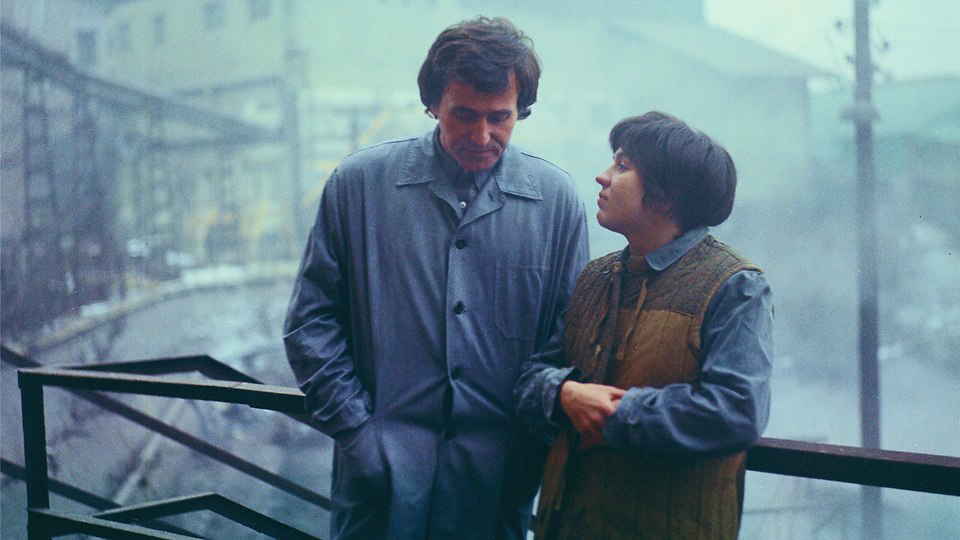
Nine Months
Márta Mészáros’s landmark feminist film follows a woman standing up to patriarchal oppression in communist Hungary. It was her first film in colour and her first with Jan Nowicki, and for the final scene the camera filmed Lili Monori, pregnant during the shoot, actually giving birth. — Juli, who refuses to compromise, takes a job at a brickworks while her young son lives with her parents in the country. The foreman, János, proposes to her almost at once and only later finds out about the boy. When she becomes pregnant by him and, against his wishes, tells his family about the child, János can’t forgive her. — FIPRESCI Prize | Cannes Film Festival | 1977 OCIC Award - Recommendation | Berlin International Film Festival | 1977
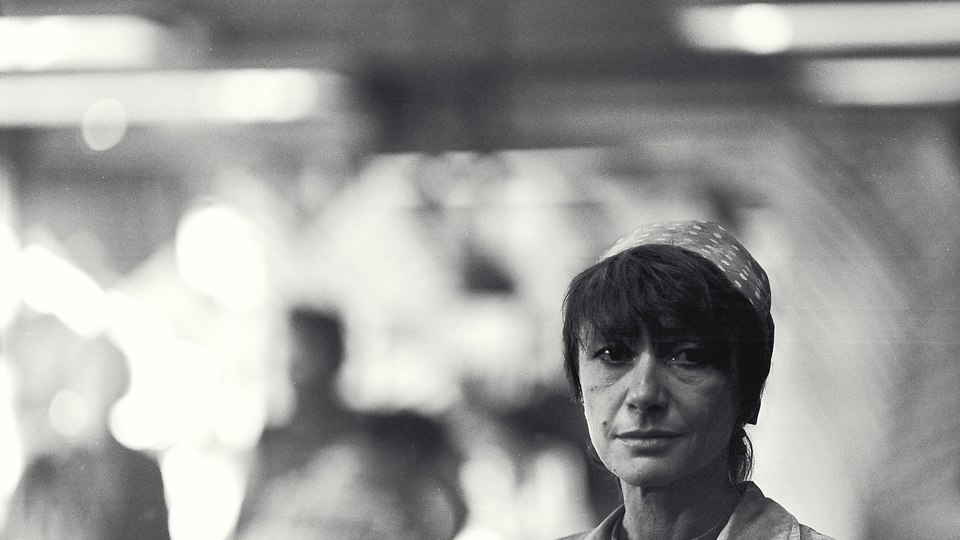
Adoption
In 1975 Márta Mészáros, a Hungarian director with ties to Poland, became the first woman to win the Golden Bear in Berlin. Katalin Berek is superb as a woman who longs to become a mother, and it’s hard to say who ends up taking in whom. — Kata lives alone in a small Hungarian town and works in a factory. She wants a child, which the married man she’s seeing does not, and near her house stands a state reformatory, where one of the girls, Anna, asks whether she could meet her boyfriend at Kata’s place. Kata says yes, and before long she finds herself looking at the home more and more often. — Golden Bear | Berlin International Film Festival | 1975 Interfilm Award | Berlin International Film Festival | 1975
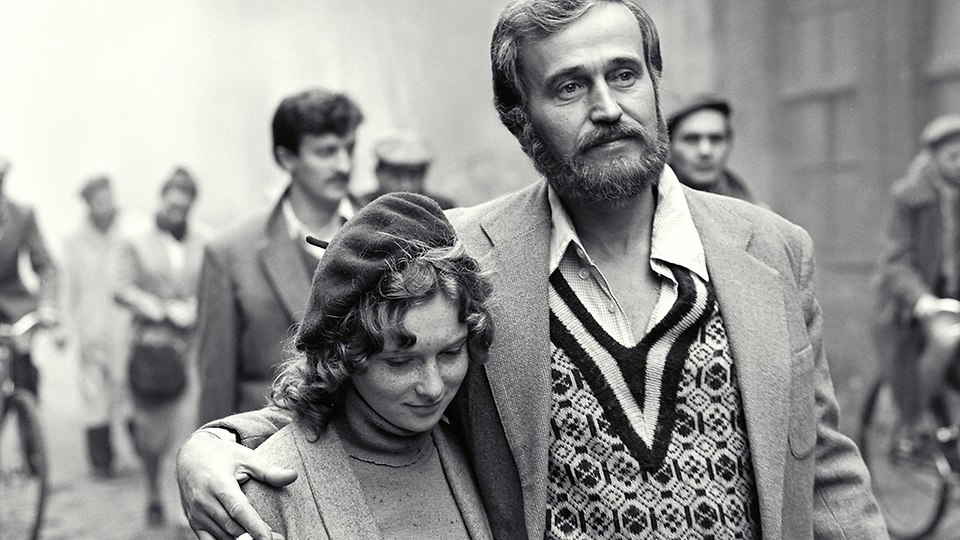
Diary for My Children
Márta Mészáros draws on her own life, with her real-life partner Jan Nowicki in a dual role, for the story of a girl who returns to Budapest from the Soviet Union in 1947 without her parents. The state gives her everything and waits for her gratitude. It will never get it. — Teenage Juli has just come back from the Soviet Union, where Stalin’s purges took her father and her mother died. She’s taken in by Magda, an old friend of the family who has done well under the new order and gives her a good flat and a comfortable life. Juli spends her afternoons at the cinema. — Grand Prize of the Jury | Cannes Film Festival | 1984
Get free cinema tickets
Our website uses Cookies
We use cookies to offer you the best possible experience on our site.
- Necessary cookies
- Analytics cookies
- Advertisement cookies