
Eighties
An alternative glimpse at the '80s. Movies from different countries, continents as well as eras, exploring the concepts of society, politics, culture, vibe and the legacy of a decade that was never really left behind.
Titles in this collection
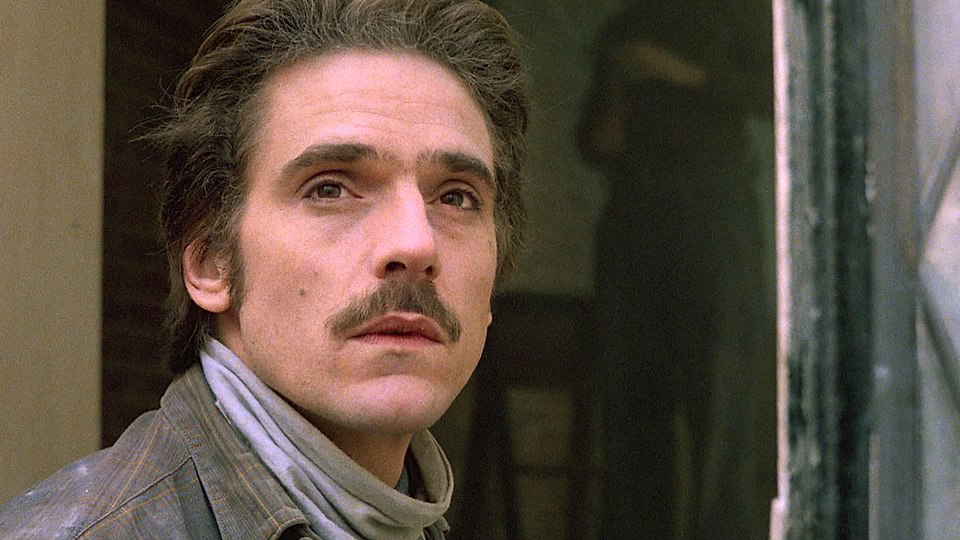
Moonlighting
Skolimowski began the script in December 1981, and by May 1982 it had won him a prize at Cannes. Jeremy Irons plays Nowak, the only one in a crew of Polish builders who speaks English, earning extra money in London when martial law is declared back home and the borders close. — In December 1981, four Polish workers arrive in London to renovate their boss’s flat on the cheap. Only Nowak, the foreman, knows any English, so he does all the shopping, haggling and minding of the money. When martial law is declared at home and the borders close, Nowak is the first to find out, and he doesn’t say a word to the others. — Best Screenplay | Cannes Film Festival | 1982
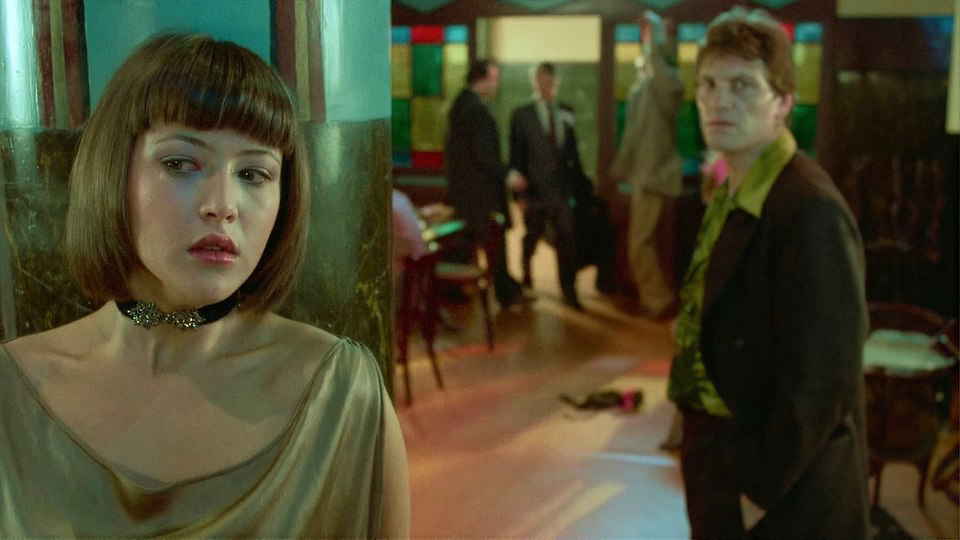
Mad Love
Andrzej Żuławski (“Possession”) moves Dostoevsky’s “The Idiot” into the Paris underworld, where a bank robbery sets off a dangerous love triangle. It’s his style at full throttle, with a drunken camera, emotions turned all the way up and the chaos of a music video. — Micky is heading to Paris with the money from a bank robbery, set on winning Mary back from the Venin brothers. Léon, a neurotic dreamer, sits down next to him, and Micky takes him for a fool on sight. With nowhere else to go, Léon follows him into the city. There he sees Mary, and everything starts to fall apart.
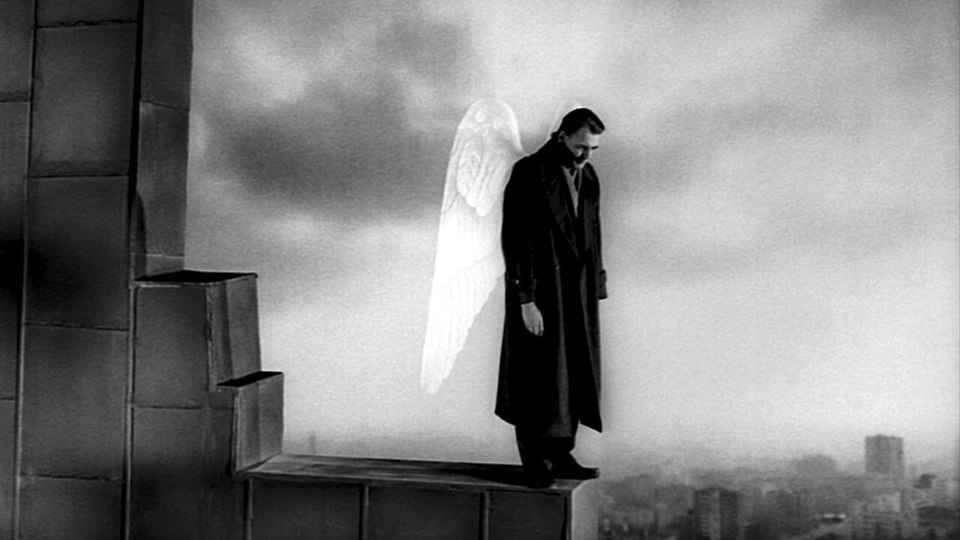
Wings of Desire
Wim Wenders won Best Director at Cannes for this much-loved film, in which two angels hover over a still-divided Berlin and envy people the unpredictability of their lives. Then one of them, Bruno Ganz in an iconic role, decides to become human, with none other than Peter Falk in support. — The guardian angels who roam a divided Berlin see the world in black and white, listening in on the thoughts of mortals and trying to bring them some comfort. Then one of them falls in love with an acrobat, and if he wants to be with her, he will have to give up his immortality. — Official Selection | Cannes Film Festival | 1987 Best Director | Cannes Film Festival | 1987 Audience Award | São Paulo International Film Festival | 1988
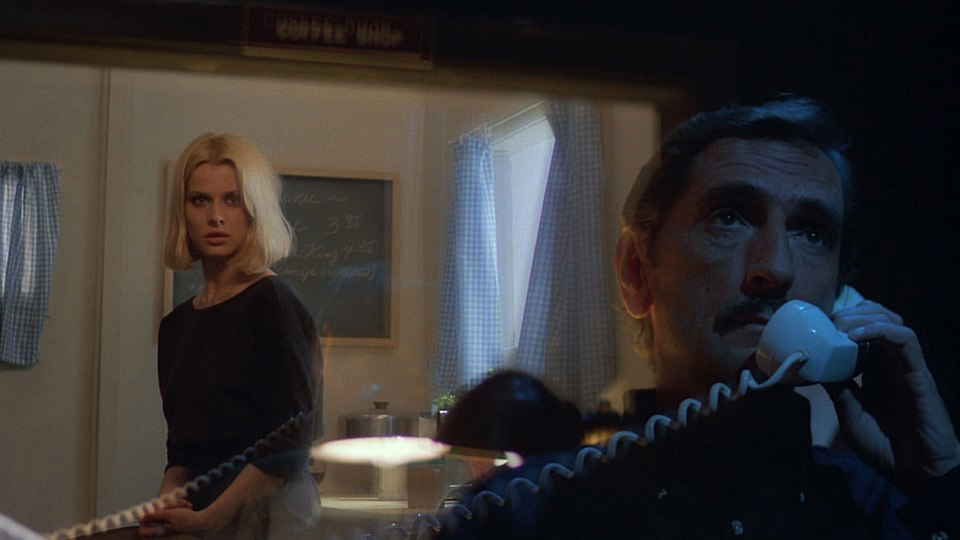
Paris, Texas
A silent man walks out of the Texas desert in search of his wife in the cult road movie that Wim Wenders began shooting with only half a script, and which went on to win the Palme d’Or. It’s a portrait of a lonely America, where Nastassja Kinski in a pink sweater stands for something we’ve all lost. — Silent and apparently without a memory, a man wanders through Texas in punishing heat until he is found unconscious in the desert. His brother, who gave him up for dead years ago, takes him home to the boy he and his wife have been raising, the man’s own son. He won’t say where he has been all this time, and all he wants is to find his wife and take the boy with him. — FIPRESCI Prize | Cannes Film Festival | 1984 Palme d'Or | Cannes Film Festival | 1984 Prize of the Ecumenical Jury | Cannes Film Festival | 1984
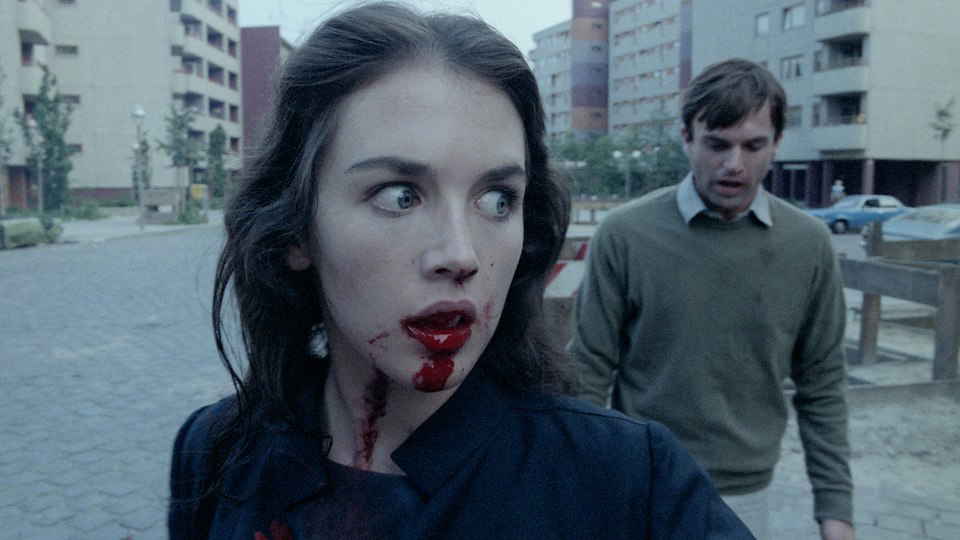
Possession
Andrzej Żuławski wrote this one-of-a-kind horror during his own divorce, and it has earned its place in film history. Isabelle Adjani is astonishing in a role of extreme emotion that won her the acting prize at Cannes. It starts with a marriage falling apart and ends with a mind falling apart. — Mark comes home to West Berlin from a job he isn’t allowed to talk about, only for Anna to tell him it’s over because there’s another man in her life. He leaves her the flat and little Bob, then sinks into drink for a long time. When he finally comes back, he finds the boy alone and unwashed, and nobody knows where Anna is spending her nights. — Best Actress (Isabelle Adjani) | Cannes Film Festival | 1981 Best Actress (Isabelle Adjani) | César Awards | 1982
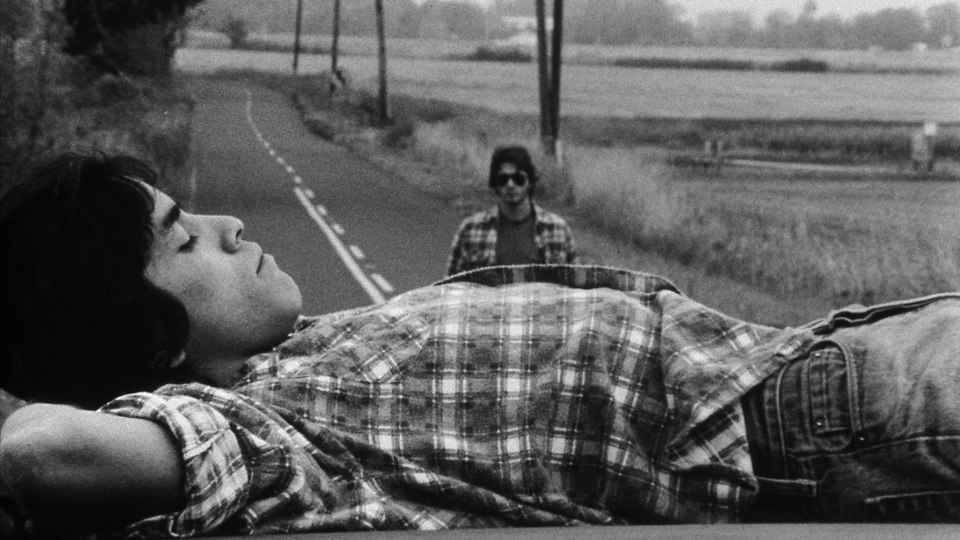
Mala Noche
Gus Van Sant made his debut on twenty-five thousand dollars of savings, adapting the memoir of Portland street poet Walt Curtis into a film that paved the way for New Queer Cinema. Its dark nights are thick with desire that never gets returned. — Walt works behind the counter of a shop in a part of Portland full of drunks and shady characters. He falls for Johnny, a young Mexican who barely speaks English and brushes him off straight away. Walt ends up in bed with Johnny’s friend Roberto instead, though he still can’t let Johnny go, and when Roberto comes down with a fever, Walt sits up with him all night.
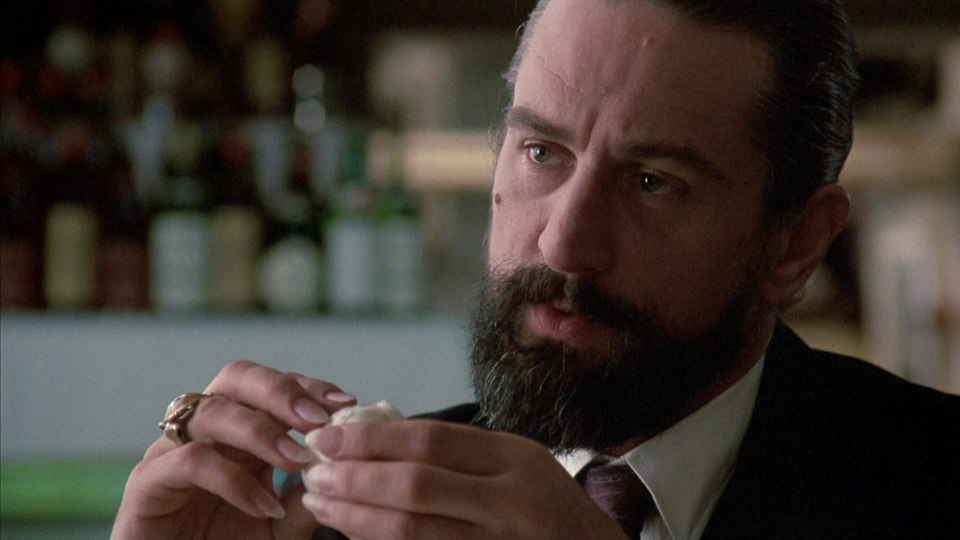
Angel Heart
Mickey Rourke is a broke private eye hired to find a singer who went missing after the war, in Alan Parker’s cult film steeped in New Orleans voodoo. Robert De Niro plays the devilish client whose fingernails grow a little longer with every scene. Rourke should never have taken the job. — Harry Angel is a small-time private eye in 1955 New York who will take any work going, so when a millionaire nobody has heard of asks him to find the singer Johnny Favorite, who vanished without a trace, he says yes. The money is good, but the trail runs somewhere hellishly dangerous.
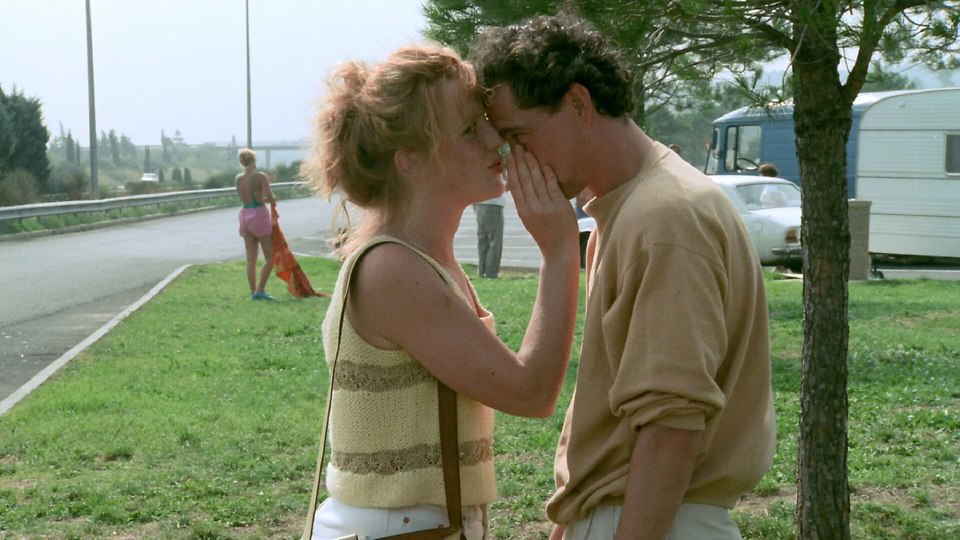
The Vanishing
This cult film helped shape the modern thriller, and Kubrick called it the most terrifying he had ever seen. When Saskia goes into a petrol station for drinks and never comes back, Rex spends three years searching for her, and the man responsible turns out to be entirely ordinary. — Rex and Saskia, head over heels in love, are driving off on holiday when they pull in at a busy petrol station, and Saskia goes in for drinks. She never comes back. Three years on, Rex is still looking for her everywhere, until a postcard arrives from a man who knows what happened to her. — Best Supporting Actress | European Film Awards | 1988
12:08 East of Bucharest
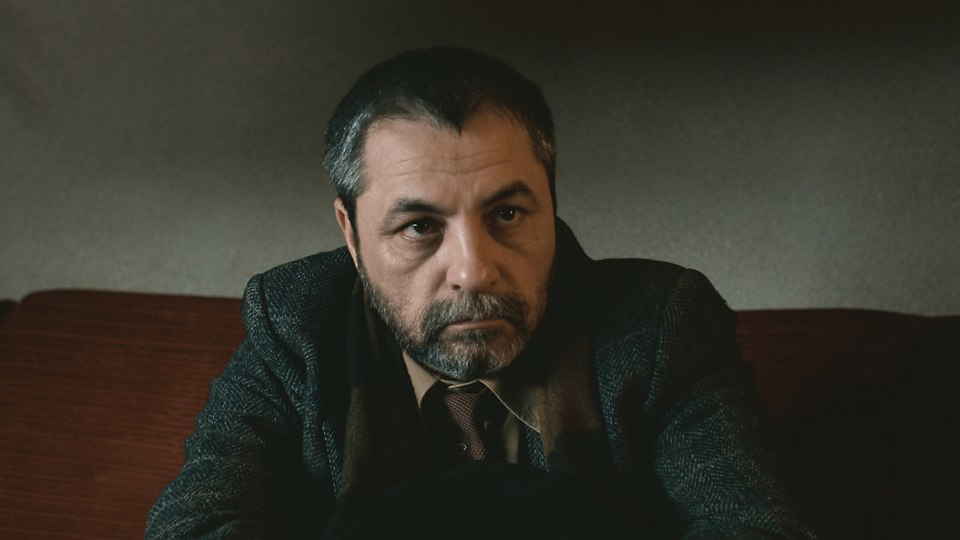
Corneliu Porumboiu, a director of the Romanian New Wave, won the Caméra d’Or at Cannes with his debut. Ceaușescu fled Bucharest on 22 December 1989, and sixteen years later a provincial TV station asks, live on air, whether their town had a revolution too. — On 22 December, sixteen years after Ceaușescu’s fall, a provincial TV station puts out a live anniversary programme, but the host has only managed to get two guests into the studio: a history teacher with a drinking problem and a pensioner who used to play Santa Claus under the regime. The question is whether anyone in town took to the square before 12:08, when the dictator’s helicopter took off. — Golden Camera | Cannes Film Festival | 2006 Label Europa Cinemas Award | Cannes Film Festival | 2006 Nominated for C.I.C.A.E. Award | Cannes Film Festival | 2006 Official Selection - Directors' Fortnight | Cannes Film Festival | 2006
A Most Violent Year
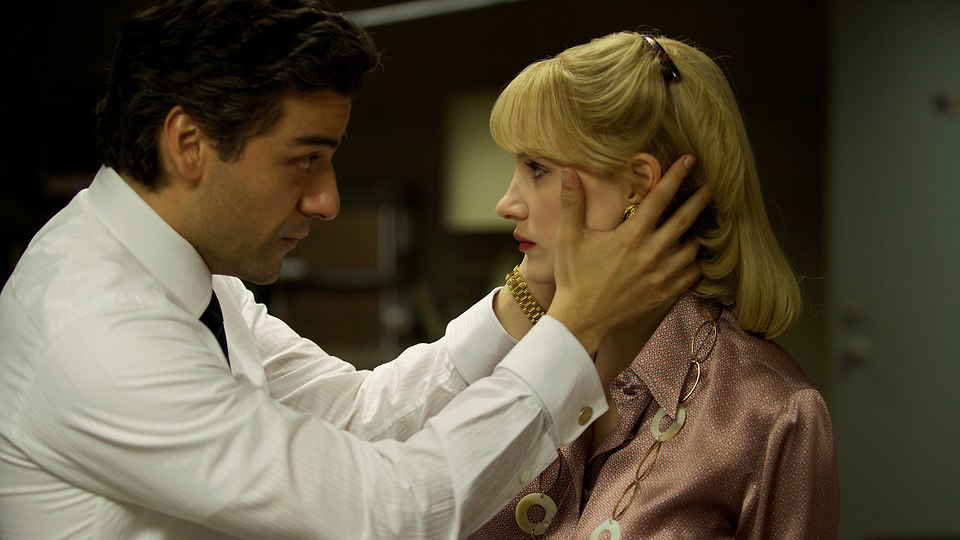
In 1981, New York recorded more crime than in any other year of its history, and that’s when Oscar Isaac’s heating oil dealer starts losing one tanker after another. Jessica Chastain, dressed head to toe in Armani, spells out what any sensible person in his shoes would do. — In the winter of 1981, Abel Morales puts down a deposit on a heating oil deal in New York and has thirty days to find the rest of the money. Meanwhile his drivers keep losing their loads on the road, prosecutors are going through his books, and one night someone leaves a gun on his front lawn. His wife thinks he’s being far too nice about all of it. — Nominated for Best Supporting Actress (Jessica Chastain) | Golden Globes | 2015 Nominated for Best Supporting Female (Jessica Chastain) | Film Independent Spirit Awards | 2015 Nominated for Best Screenplay | Film Independent Spirit Awards | 2015 Nominated for Best Editing | Film Independent Spirit Awards | 2015

This Is Spinal Tap
Rob Reiner reinvented the mockumentary with this cult music comedy, a wildly funny record of the concert tour of a band that never existed. And only here will you find a guitarist whose amp has a dial that goes all the way up to eleven. — In 1982 a film crew follows a British heavy metal band on its tour of the States. Spinal Tap are playing ever smaller venues as ticket sales dry up, and the Stonehenge monument they ordered for the stage turns up in miniature. Things are going badly with their manager, and between the musicians they’re even worse.
Diva
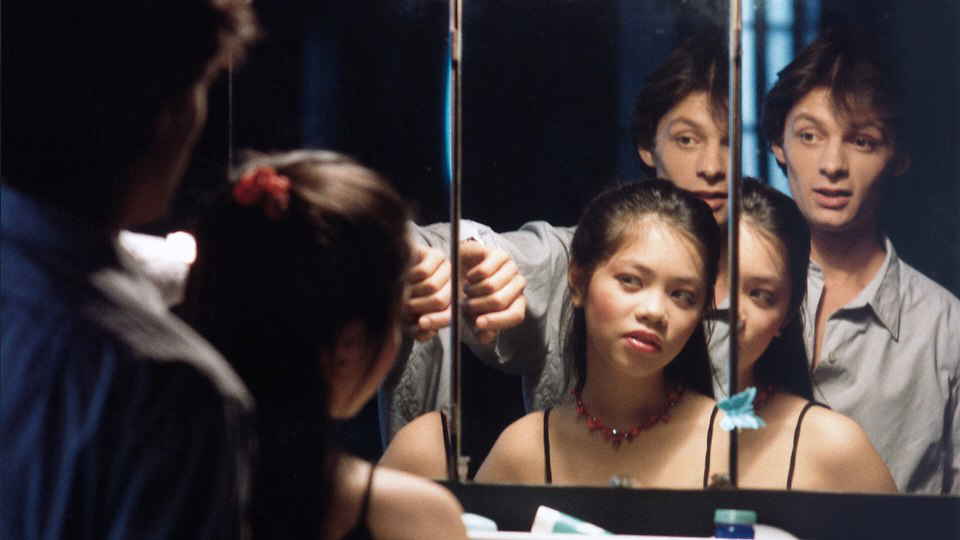
The film that launched the cinéma du look, the French style where the image can steal any scene, begins when a young man secretly tapes a singer who has never been recorded. He’s not the only one after that tape, and soon he’s riding his moped into the Paris Métro with the mob on his tail. — Jules, a Paris postman who does his rounds on a moped, is devoted to an opera singer who has never agreed to be recorded, so when she gives a concert, he tapes it in secret from his seat. On the way home his cassette is swapped for another, one that the police and the mob both want. Jules has no idea what he’s carrying. — Best Film Award | Chicago Film Festival | 1981 Best First Film Award | César Awards | 1982 Best Cinematography Award | César Awards | 1982 Best Music Award | César Awards | 1982
Women on the Verge of a Nervous Breakdown
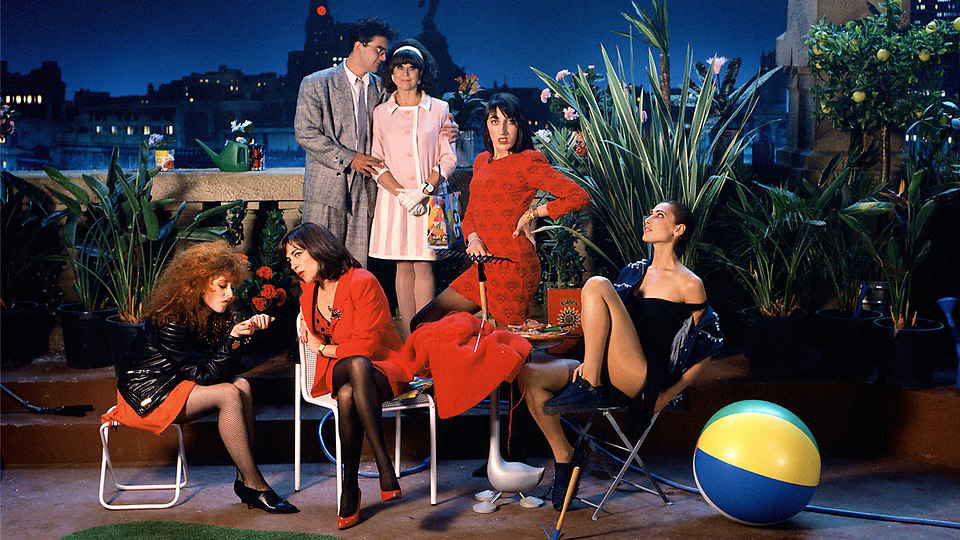
Pedro Almodóvar’s breakthrough to international fame earned an Oscar nomination and five Goya awards. Carmen Maura and Antonio Banderas star in a madcap story about a woman desperate to get hold of her ex, who keeps running into his ex-wife and his new lover along the way. — Pepa and Iván have been together for a few years and both dub films in Madrid, until he leaves a message on her answering machine asking her to pack up his things. Pepa wants to find him and ask why, but he won’t take her calls, and instead her flat starts filling up with people from his life. She has made a jug of gazpacho, because Iván loves it, and stirred sleeping pills into the soup. — Nominated for Best Foreign Language Film | Oscars | 1989 Best Actress (Carmen Maura) | Venice Film Festival | 1988 Best Screenplay | Venice Film Festival | 1988 People's Choice Award | Toronto International Film Festival | 1988 Nominated for Best Non-English Language Film | Golden Globes | 1989 Best Film | Goya Awards | 1989 Best Actress (Carmen Maura) | Goya Awards | 1989 Best Supporting Actress (María Barranco) | Goya Awards | 1989 Best Actress (Carmen Maura) | European Film Awards | 1988
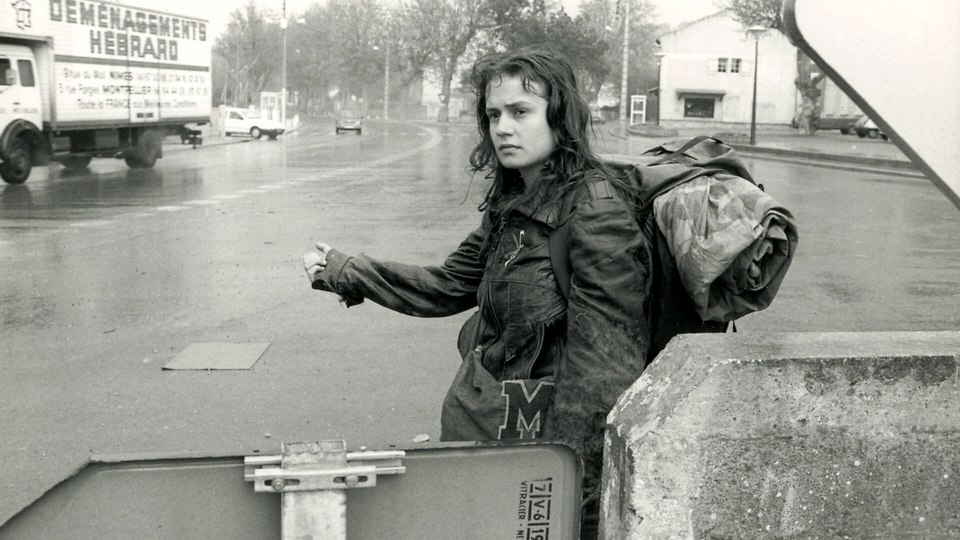
Vagabond
Sandrine Bonnaire plays Mona, a girl who refuses to belong to any world, in the film that won Agnès Varda the Golden Lion at Venice. It begins with her body being found and then goes back over her last days, and you won’t be able to take your eyes off her. — A reporter we never see turns the camera on the men who found a girl dead, and asks how she got there. Flashbacks show her drifting among homeless people and immigrant labourers, spending time with a professor who studies trees and with a young woman who envies how completely free she is. She once had an office job, and one day she walked out and kept on going. — Official Selection | Venice Film Festival | 1985 FIPRESCI Prize | Venice Film Festival | 1985 OCIC Award | Venice Film Festival | 1985
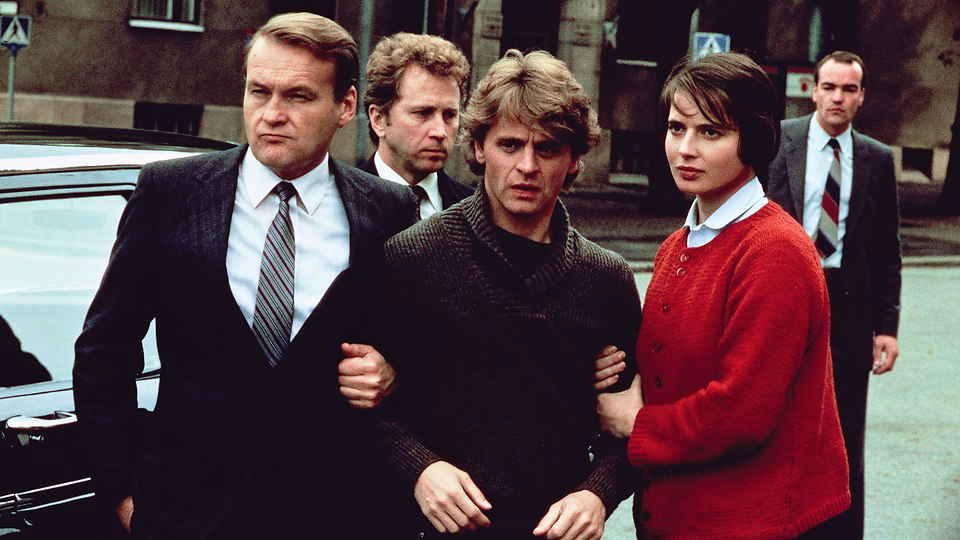
White Nights
Mikhail Baryshnikov, the celebrated ballet star, plays a defector whom the KGB puts back on stage in Leningrad, sharing a flat with an American master of tap. Isabella Rossellini, Helen Mirren and, of all people, Jerzy Skolimowski join the cast, but when these two dance, nothing else matters. — Somewhere over Siberia, a plane carrying a Russian ballet star makes an emergency landing on Soviet soil. He is Nikolai Rodchenko, who fled the country years ago and never meant to come back. A KGB colonel installs him in a Leningrad flat and tells him he’ll be dancing at the Kirov again. He has to share the flat with an American who ran the other way. — Best Original Song | Oscars | 1986 Best Original Song | Golden Globes | 1986 Nominated for Best Original Score | Golden Globes | 1986

Borg McEnroe
Shia LaBeouf is John McEnroe, screaming at umpires and hurling his racket, and across the net at Wimbledon in 1980 stands the ice-cold Björn Borg, chasing his fifth title in a row. It’s two ways of living locked in one legendary match, with Stellan Skarsgård looking on from the stands. — Everyone is holding their breath before the 1980 Wimbledon final, in which the defending champion takes on a young American. Björn Borg, who has won here four years running, doesn’t so much as flinch, while John McEnroe argues with the line judges and plays on raw emotion. The whole world watched that match, yet nobody saw the week leading up to it.

The Commitments
Alan Parker’s 90s crowd-pleaser is a musical with a working-class heart, plenty of charm and humour, and a soundtrack people still play today. Glen Hansard, who plays its guitarist, had been busking on the streets of Dublin since he was a teenager, and sixteen years later he was cast in “Once”. — Unemployment is rife on Dublin’s Northside when Jimmy Rabbitte decides that what the city really needs is a soul band, and that he’s the man to manage it. He puts an ad in a music paper and half the neighbourhood turns up to answer it. Not one of them has ever played soul in their life. — Nominated for Best Film Editing | Oscars | 1992 Best Film | BAFTA Awards | 1992 Best Adapted Screenplay | BAFTA Awards | 1992 Best Editing | BAFTA Awards | 1992 Best Direction | BAFTA Awards | 1992 Best Director | Tokyo IFF | 1991
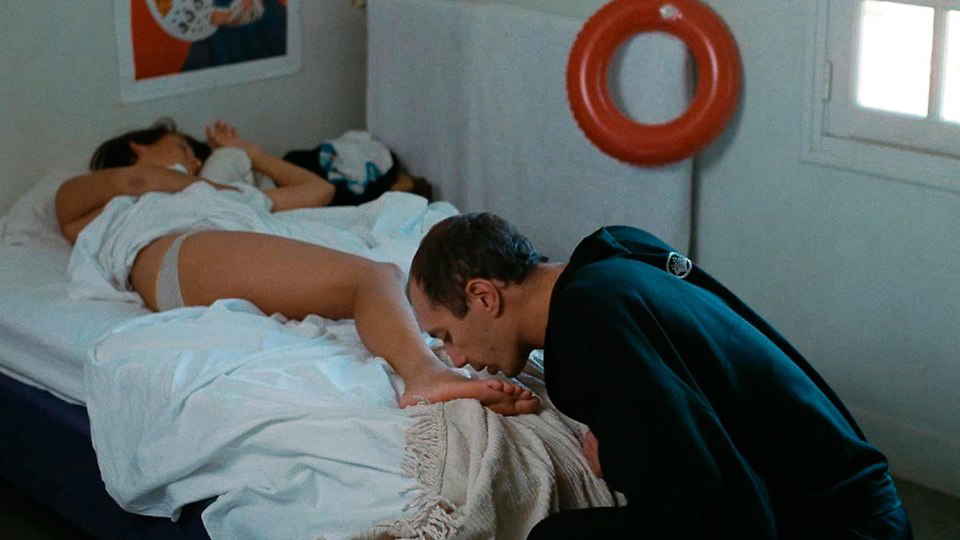
Pauline at the Beach
Rohmer (“My Night at Maud’s”) opens with a line from the French poet Chrétien de Troyes, that whoever talks too much brings trouble on himself, and then shuts people who never stop talking in a Normandy beach house. It won three awards at Berlin in 1983. The unbearable lightness of being sixteen. — Sixteen-year-old Pauline is spending the last week of the summer holidays on the Normandy coast with her older cousin Marion, who is single at the moment and looking for romance. One day Marion and Pauline each set their sights on someone, and soon all the adults are lying about who was with whom. Pauline learns to do the same, and fast. — Best Director | Berlin Film Festival | 1983 FIPRESCI Award | Berlin Film Festival | 1983 OCIC Award - Honorable Mention | Berlin Film Festival | 1983
Get free cinema tickets
Our website uses Cookies
We use cookies to offer you the best possible experience on our site.
- Necessary cookies
- Analytics cookies
- Advertisement cookies