Iranian Cinema
From Kiarostami to Panahi. Taste the flavor of cherries on exquisite, existential journeys across barren landscapes, take a taxi ride through Tehran with a Palme d'Or winner, and finally discover world cinema's finest moral unease, celebrated at every festival imaginable. Cinema of revolution and protest.
Titles in this collection
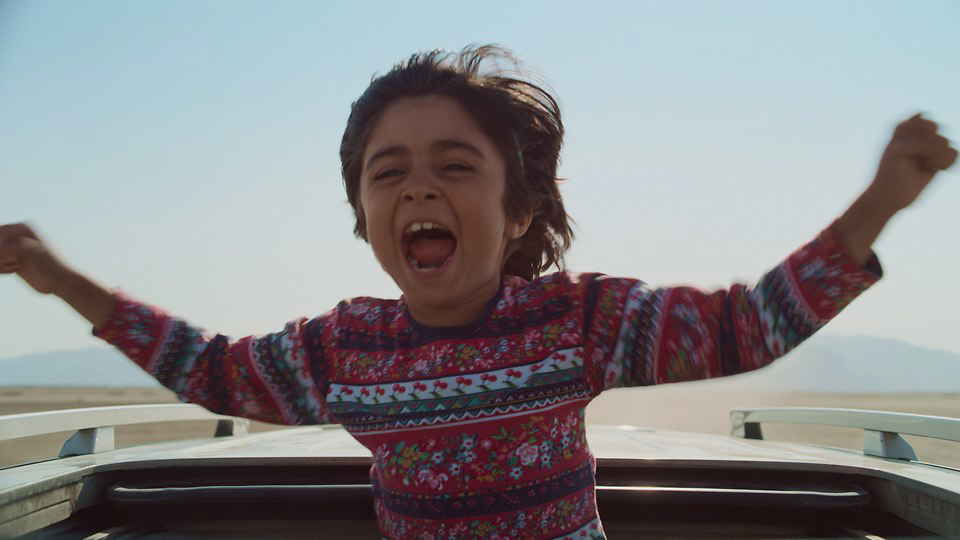
Hit the Road
Panah Panahi, son of Jafar Panahi, won Cannes over with his debut, set in a car where the mother jokes through her tears, the father grumbles from the back seat and the chatty little boy never stops talking. Only the older son drives in silence, without saying where they’re really going. — A six-year-old is the only one in the car having a good time. He bounces around the back seat, where his father lies with a leg in plaster, and gives neither his mother nor his silent older brother a moment’s peace. They’ve been driving across Iran since morning and nobody has told him why, but this is no holiday. — Best Film | London Film Festival | 2021 Nominated for Golden Camera | Cannes Film Festival | 2021 Official Selection - Directors' Fortnight | Cannes Film Festival | 2021
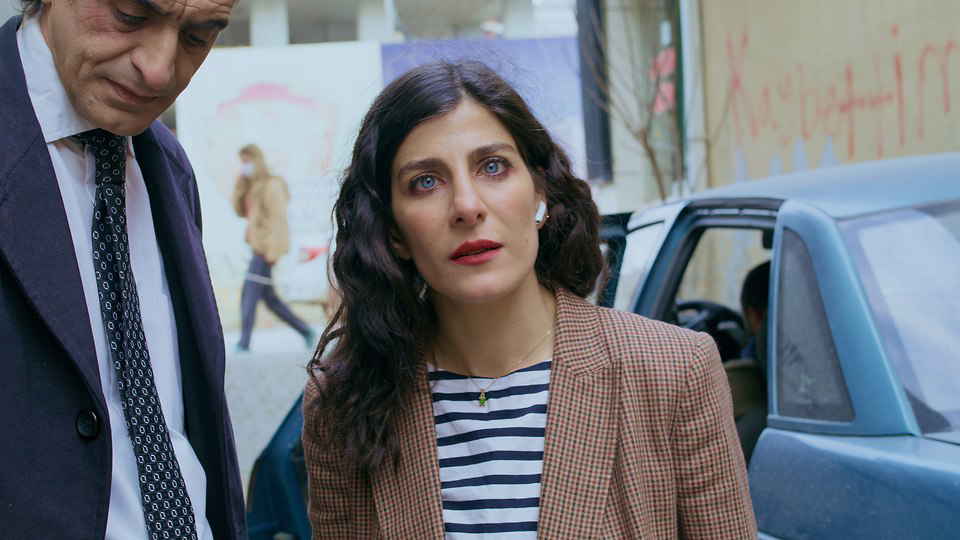
No Bears
Jafar Panahi is banned by a court from directing, and soon after finishing this film in secret he was jailed in Tehran. Yet he keeps shooting, playing himself and sparing his own character nothing, while two love stories unfold in the shadow of fear. Venice gave it the Special Jury Prize. — In a village on the Iranian side of the Turkish border, a director who isn’t allowed to leave the country rents a room and directs a film remotely. His crew is shooting across the border in Turkey, telling the story of a couple buying fake passports, while he follows every take on a screen. Between shoots he photographs the village, until a rumour spreads that one of his pictures shows two young people side by side who should never have been seen together. — Special Jury Prize | Venice Film Festival | 2022
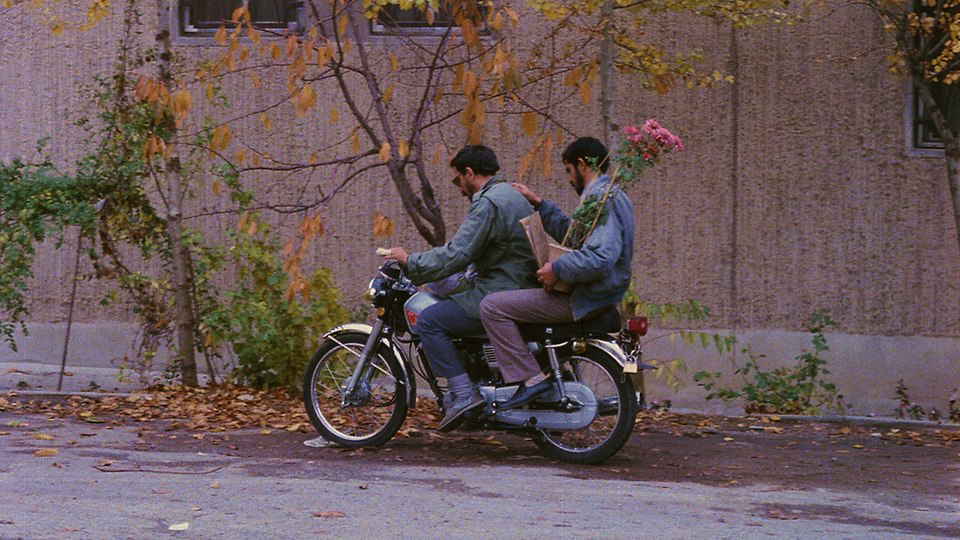
Close-Up
When Kiarostami heard about a poor Iranian film lover on trial for passing himself off as the famous director Makhmalbaf, he dropped everything to film it. Everyone plays themselves, yet it’s far more than a courtroom documentary. There’s no other story about loving cinema quite this complicated. — Hossain Sabzian is poor and loves cinema more than anything. On a Tehran bus, a woman asks about the screenplay in his hands, and on impulse he claims he wrote it. She takes him home and introduces him to the whole family, and before long Sabzian is pacing their rooms, framing shots and promising the sons parts in his new film.
Taxi Tehran
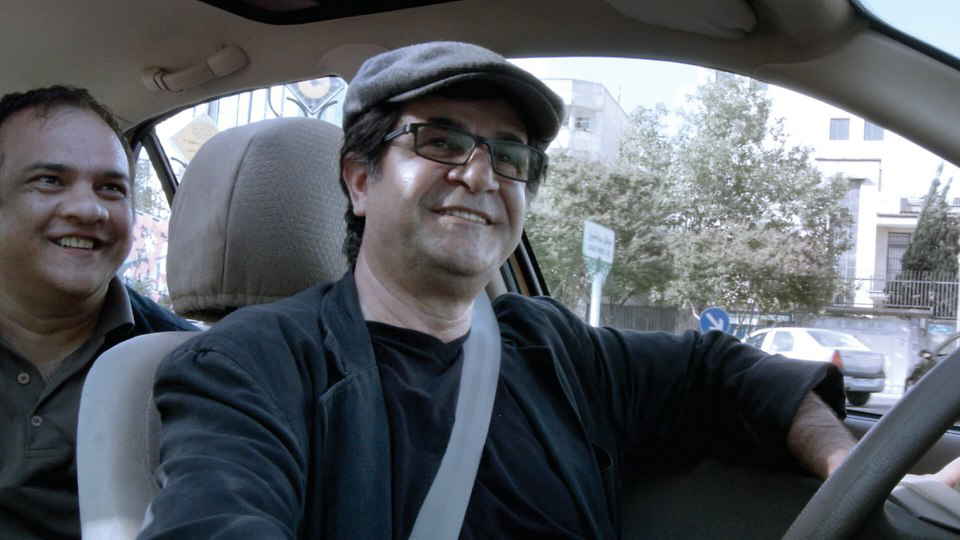
When Iran’s authorities banned Jafar Panahi (“It Was Just an Accident”) from making films for twenty years, he took the wheel of a taxi, kept shooting as he drove around Tehran and won the Golden Bear for it. With every fare, more of Iran and its people come into view, and no censor gets a say. — Tehran rolls past the front seat of a taxi, and everyone climbs in: men and women, young and old, rich and poor, people who live by the old rules and people who have lost patience with them, bootleg video sellers and human rights defenders. The man at the wheel is a very inexperienced driver but a very experienced director, and his name is Jafar Panahi. — Golden Bear | Berlin International Film Festival | 2015 FIPRESCI Prize | Berlin International Film Festival | 2015
The Circle
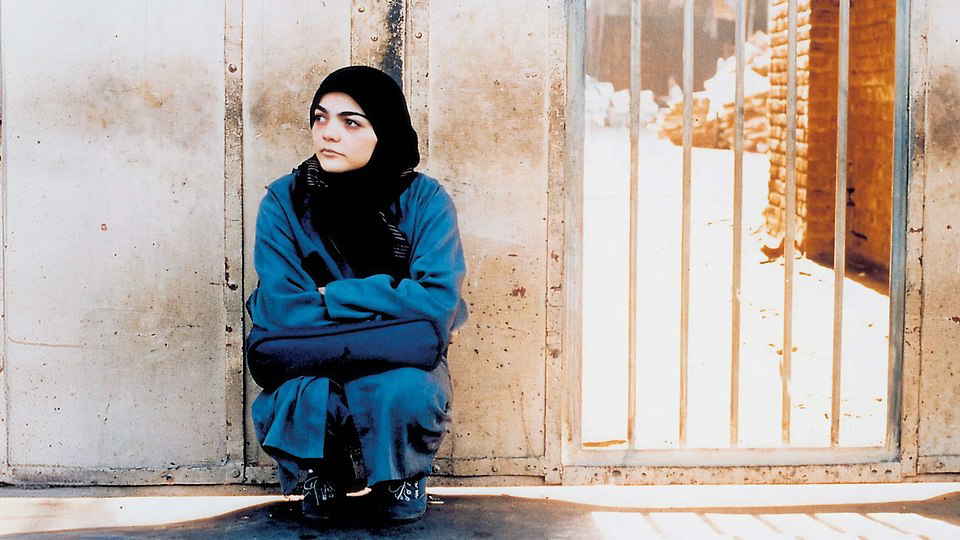
Jafar Panahi spent nine months fighting just for permission to shoot this single day in Tehran, where women find even the simplest things out of reach. Venice gave it the Golden Lion, while Iran issued an official ban on showing it. — Over one day in Tehran, a baby girl is born in a maternity ward and nobody is glad of it. Three women who have just been released from prison are trying to get out of the city that same day, but Nargess doesn’t have the money for a bus back to her village. Another goes home to a family that won’t let her through the door. — Golden Lion | Venice Film Festival | 2000 Best Actress (Nargess Mamizadeh) | Venice Film Festival | 2000 FIPRESCI Prize | Venice Film Festival | 2000 OCIC Award - Special Mention | Venice Film Festival | 2000
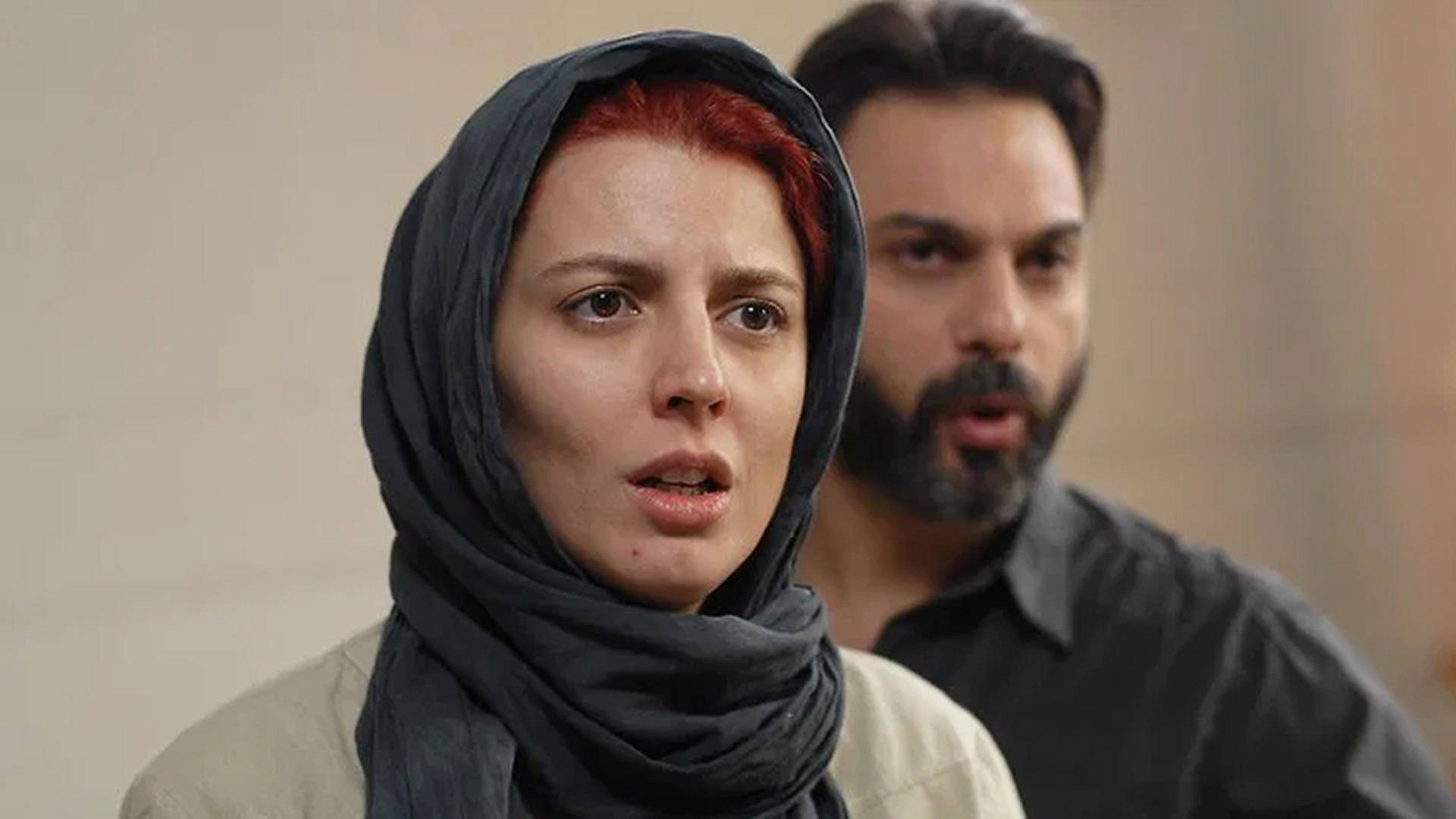
A Separation
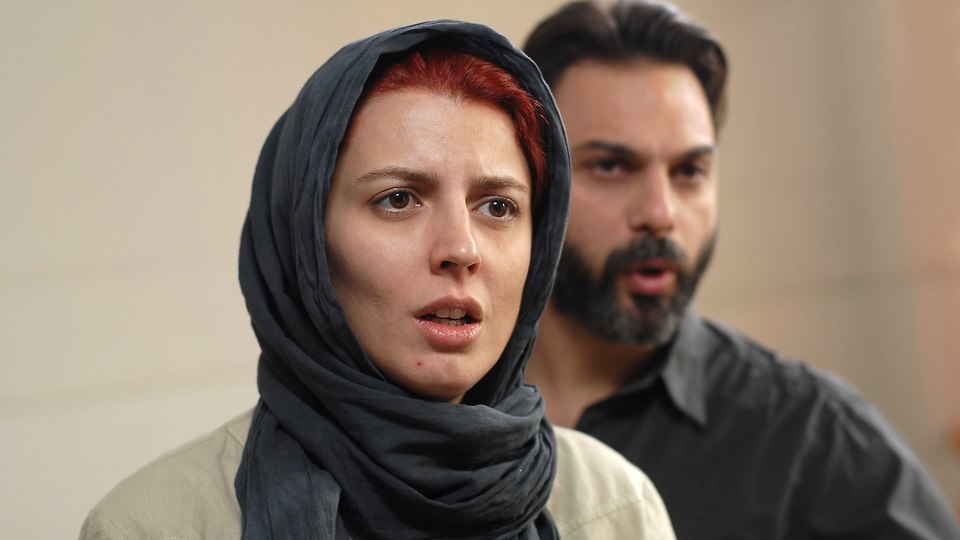
Asghar Farhadi became famous around the world with this winner of the Golden Globe and the Oscar for Best Foreign Language Film, in which a divorce turns into a fight for self-determination in authoritarian, fundamentalist Iran. Rarely does a personal drama reveal this much about an entire country. — Simin wants to take the family out of Iran, but Nader won’t go because his father has Alzheimer’s, so she files for divorce and moves out, leaving their daughter Termeh with him. To look after the old man, Nader takes on Razieh, who is pregnant and has accepted the work without telling her husband. A single afternoon in the flat ends in disaster, and both families wind up in court. — Best Foreign Language Film | Oscars | 2012 Golden Bear | Berlin International Film Festival | 2011 Prize of the Ecumenical Jury | Berlin International Film Festival | 2011 Best Actress | Berlin International Film Festival | 2011 Best Actor | Berlin International Film Festival | 2011
Persepolis
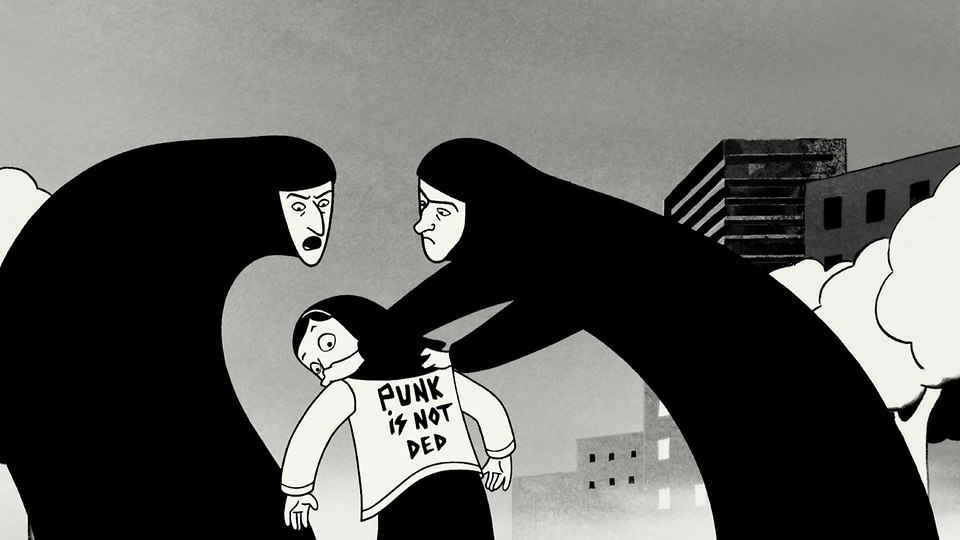
Marjane Satrapi first told this story as a comic book, then brought it to the screen herself, with Catherine Deneuve voicing the mother and Chiara Mastroianni the daughter. It’s about growing up in Tehran while a revolution decides what women may do, and the animation hasn’t aged a day. — Nine-year-old Marjane, growing up in Tehran in 1978, has decided she’s going to be a prophet. Politics is what her family talks about over dinner, and the Shah is about to fall. Soon the revolution is deciding what a girl can wear, read and say out loud, until at fourteen her parents send her to Vienna on her own. — Nomination for Best Animated Feature | Oscars | 2008 Jury Prize | Cannes Film Festival | 2007 Best Adapted Screenplay | César Awards | 2008 Best First Film | César Awards | 2008 Audience Award | Rotterdam Film Festival | 2008
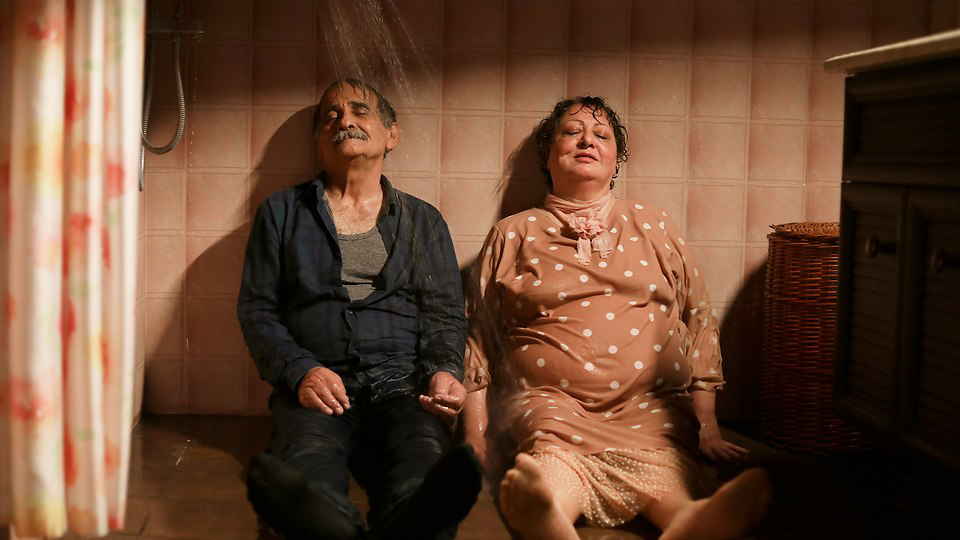
My Favourite Cake
This feel-good film about life after retirement takes an uninhibited look at growing old in Iran. A seventy-year-old widow in Tehran invites a taxi driver back to her place, where there’s dancing, wine and everything else the country forbids, and she doesn’t ask anyone’s permission. — Mahin is seventy, and since her husband died and her family moved abroad she has lived on her own. Over afternoon tea, her friends tell her she ought to find someone. So she heads to a restaurant for pensioners, and at one of the tables sits a taxi driver. — Prize of the Ecumenical Jury | Berlin International Film Festival | 2024 FIPRESCI Award | Berlin International Film Festival | 2024
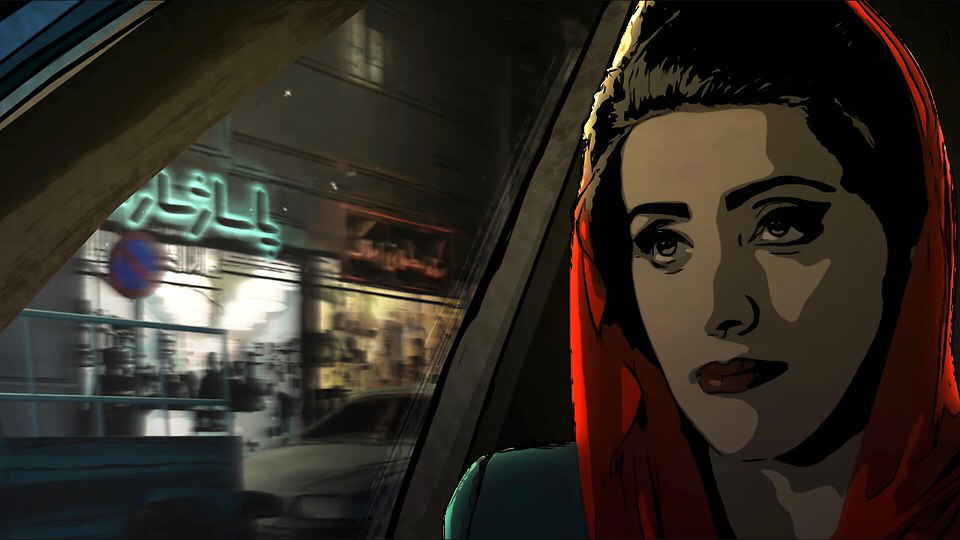
Tehran Taboo
It opens with a man paying for sex in a moving car who, in the middle of it all, glimpses his daughter holding hands with a boy and crashes. This animation dares more than many live-action films, and no one in Tehran would ever have filmed it. — Pari works the streets of Tehran with her small son in the back seat, and she can’t get a divorce because her husband is in prison and won’t sign. Sara wants to go out to work, which her own husband forbids. Meanwhile a young woman needs a surgeon before her wedding, and the musician she spent the night with has to find her one, all in a city where so much is off-limits.
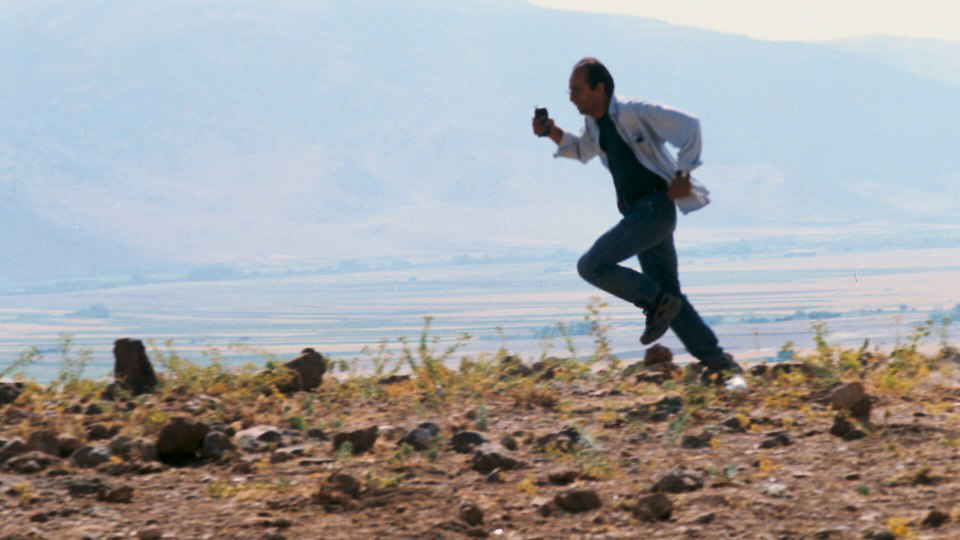
The Wind Will Carry Us
Abbas Kiarostami won an award at Venice for this spare, generous portrait of an Iranian village seen through the eyes of a man from the city. All he seems to do is keep setting off in search of a phone signal, yet those trips end up telling you a surprising amount about life. — Three men in a jeep cross the hills of Kurdistan looking for a small mountain village, where a boy shows them a place to stay. They claim to be engineers and the villagers decide they’re hunting for treasure, but they’re really a film crew who have come to record a family’s mourning rites and are waiting for an old woman to die. Death, however, won’t come when it’s called. — CinemAvvenire' Award | Venice Film Festival | 1999 FIPRESCI Prize | Venice Film Festival | 1999 Grand Special Jury Prize | Venice Film Festival | 1999
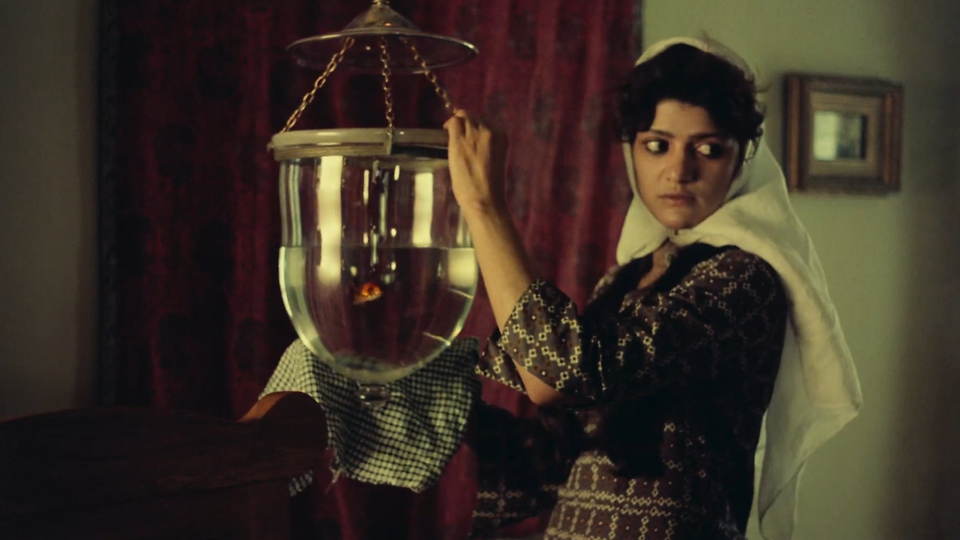
Chess of the Wind
Few films have had a stranger fate than this one, banned after the revolution and presumed lost until its reels turned up years later in a Tehran junk shop. It’s a period crime drama with a queer story at its edges, where Kubrick and Parajanov share a roof with gothic horror and Persian tradition. — When a wealthy woman dies in her grand house in Tehran, her husband, a corrupt merchant, sets out to get rid of his stepdaughter, who stands to inherit the house. Modern and educated, the young woman is utterly alone among people who would like to see her dead. So she asks a servant for help, and the servant is playing both sides.
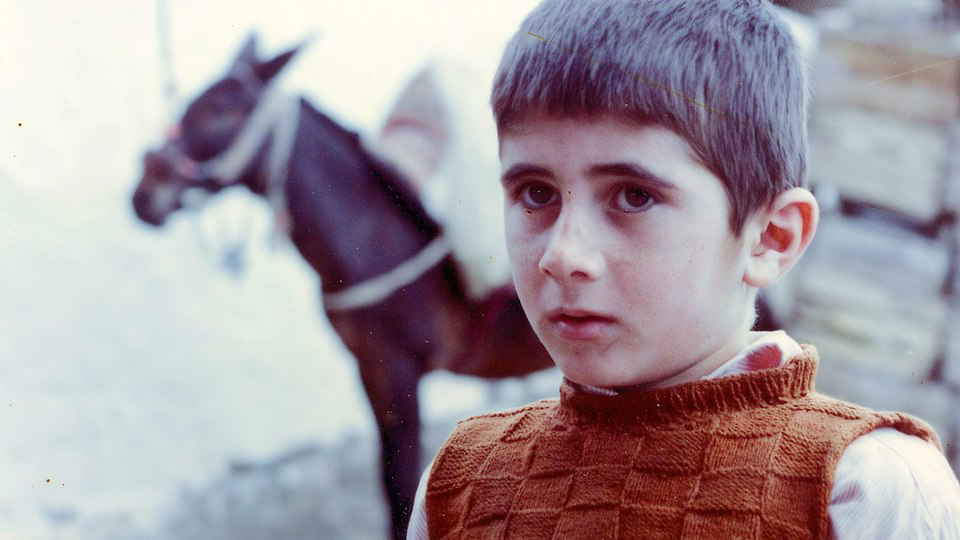
Where Is the Friend's House?
Kiarostami (“Taste of Cherry”) gives an eight-year-old one job, returning a friend’s notebook, and you root for him on a road to the heart of humanity as twisty as a Safdie brothers film. Gentle and sometimes funny, it won the Bronze Leopard at Locarno, and that boy stays with you for a long time. — Their teacher warns Mohammad Reza that if he does his homework anywhere but in his notebook one more time, he’ll be expelled. That same afternoon, at home, Ahmad realises he’s taken his friend’s notebook by mistake. Mohammad Reza lives in the village over the hill, and Ahmad doesn’t even know his address, but he sets off to find him. — FIPRESCI Award - Special Mention | Locarno International Film Festival | 1989 Prize of the Ecumenical Jury - Special Mention | Locarno International Film Festival | 1989 Bronze Leopard | Locarno International Film Festival | 1989
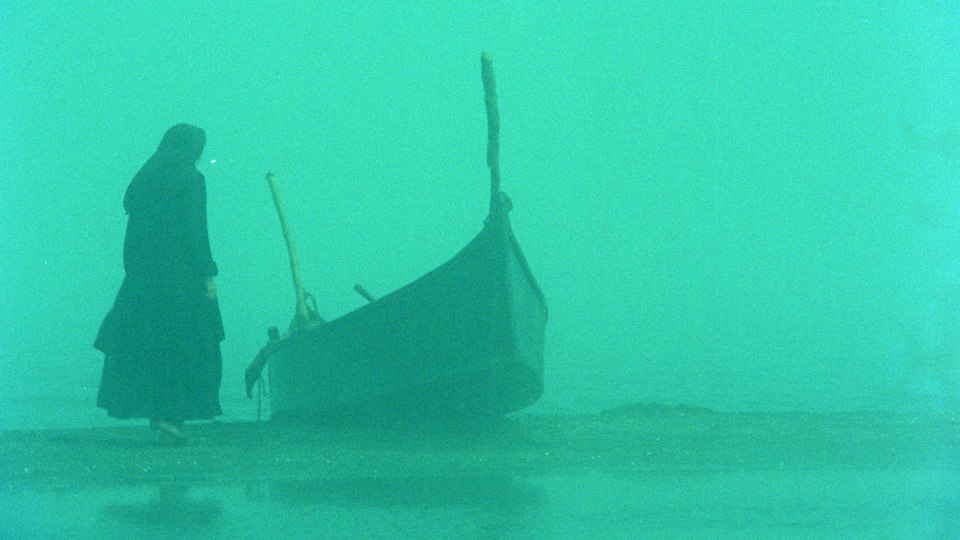
Stranger and the Fog
Bahram Beyzaie started out writing for the stage, and rather than lean on an existing myth, he invented his own for this Iranian New Wave film, which was banned at home for decades. A man washes ashore with no memory of who he is, and years later the sea starts asking for him back. — A drifting boat comes ashore with an unconscious man inside, and when he comes round he claims not to remember who he is. He settles in the village and marries a local girl, and for years life is quiet. Then, out of the sea mist, comes someone who has been looking for him.
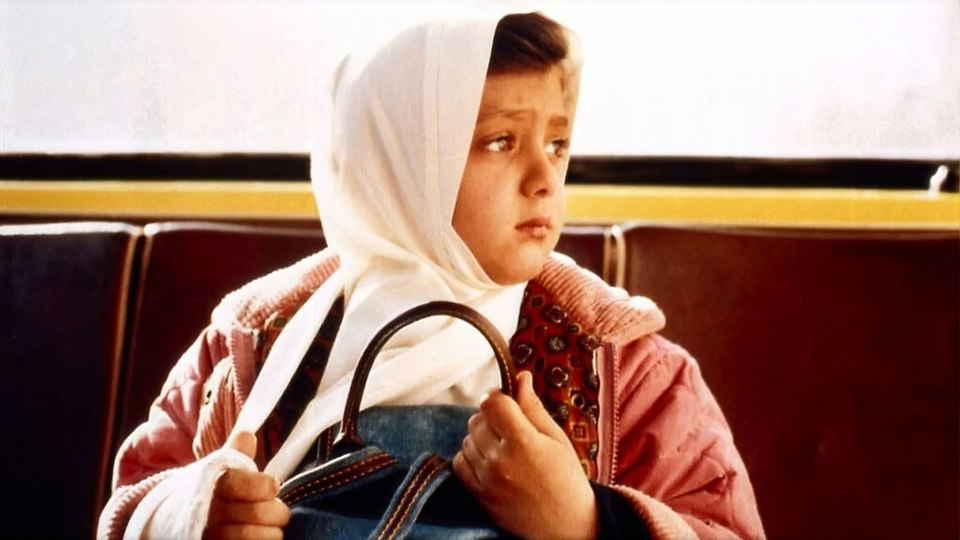
The Mirror
Jafar Panahi once worked as Kiarostami’s assistant, and here he borrows the style of his famous “Close-Up” for what starts as a sweet tale of a first-grader lost in Tehran. Halfway through the shoot, the young actress has had enough, pulls off her microphone and says she won’t go on. — Nobody comes to collect Mina from school in Tehran. The first-grader, with her arm in plaster and her satchel on her back, waits at the gate until she decides to walk home alone. She doesn’t know her address, so she asks strangers and climbs onto whichever bus comes along, in a city several sizes too big for her. Then the little actress snaps that she’s sick of playing the part. — Golden Leopard | Locarno International Film Festival | 1997
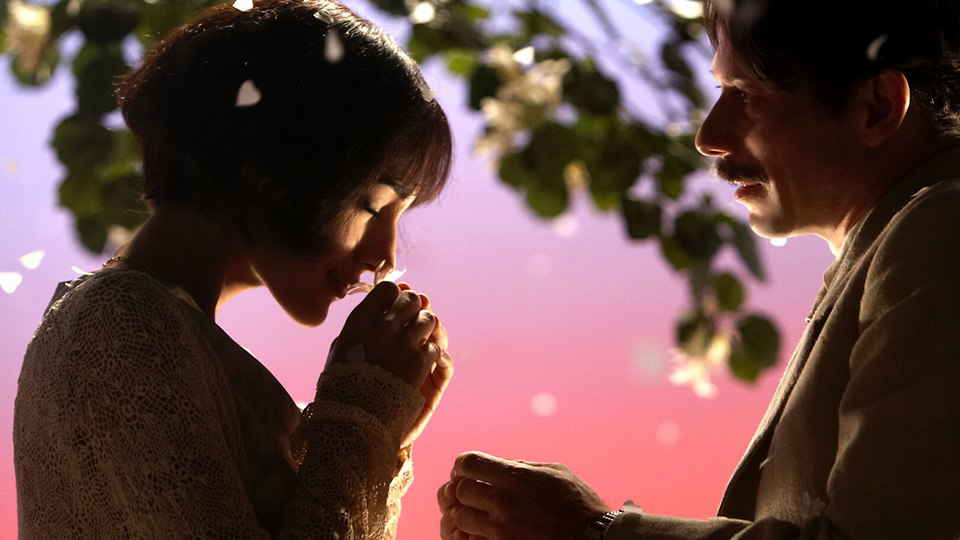
Chicken with Plums
Satrapi, the author of “Persepolis”, adapts another of her own graphic novels for the screen, this time with live actors, and goes back to an Iran that no longer exists. There’s magical realism and real feeling in this melancholy story of a love that never had the chance to bloom. — In Tehran in 1958, the most famous violinist of his day loses the will to live after his wife smashes his beloved violin, because no other instrument sounds the same. He goes to bed and doesn’t get up again, lost in memories of the past and in thoughts of his children’s future. Somewhere among those memories waits the love of his life. — Official Selection | Venice Film Festival | 2011 Audience Award | São Paulo International Film Festival | 2011
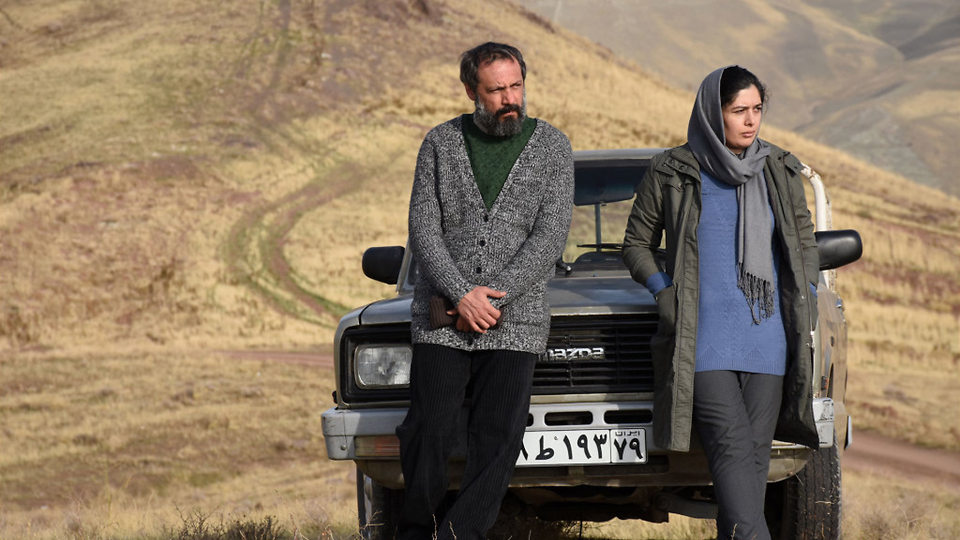
There is no Evil
Iran wouldn’t let Mohammad Rasoulof leave the country to collect the Golden Bear he won in Berlin for this film. It tells four stories of men who are ordered to carry out a death sentence, and of what it takes to stay human in a country where humanity is in short supply. — Heshmat leaves the house before dawn and never tells his wife where he’s going. In today’s Iran, death sentences are carried out by young men doing their military service, and three others are handed the same order. One of them, a conscript, can’t bring himself to carry it out. — Golden Bear | Berlin Film Festival | 2020 Prize of the Ecumenical Jury | Berlin Film Festival | 2020
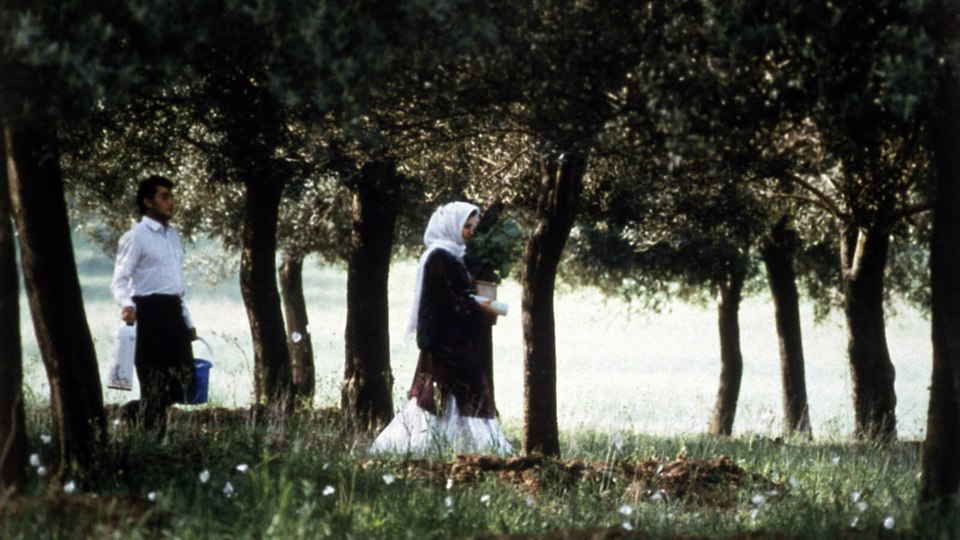
Through the Olive Trees
Once again the director of “Taste of Cherry” lets fiction and reality bleed into each other, in a film about cinema, Iran and love. Two young actors played lovers in Kiarostami’s previous film, and when the cameras stopped, the young man found he really had fallen for her. — The third part of Kiarostami’s Koker trilogy, named after the village where all three films are set, follows the actors through the shoot of his previous film, “And Life Goes On”, made among the survivors of an earthquake that levelled a corner of northern Iran. Hossein is cast as a young husband opposite a girl who has already turned down his proposal, which her family took as an insult. Now they have to play newlyweds. — Official Selection | Cannes Film Festival | 1994 Silver Hugo Best Film | Chicago International Film Festival | 1994 Critics Award | São Paulo International Film Festival | 1994
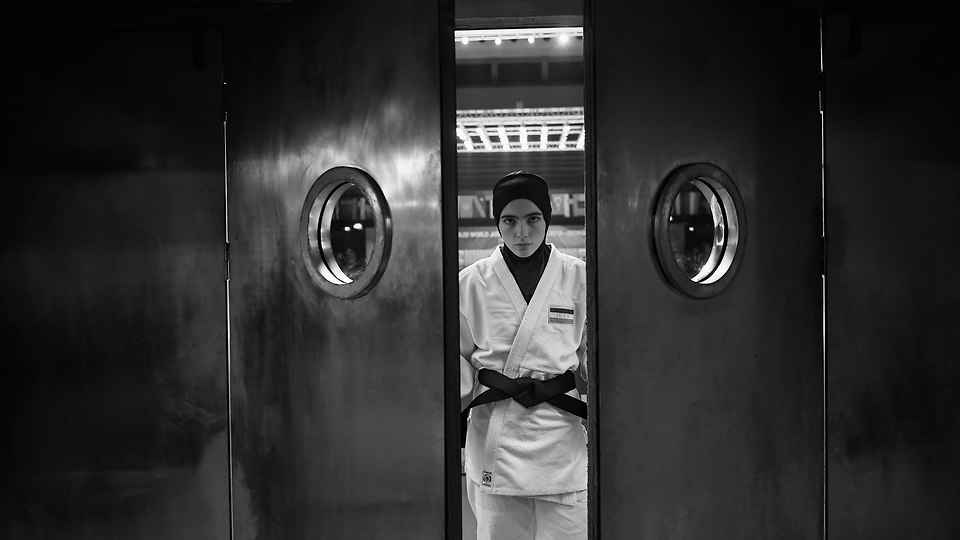
Tatami
No Israeli and Iranian directors had ever made a film together until Guy Nattiv and Zar Amir Ebrahimi, the actress from “Holy Spider”, shot this one in secret in Georgia, halfway between Tel Aviv and Tehran. In the middle of a tournament, a judoka is told she has to lose. — Leila is winning bout after bout at the World Judo Championships, and the final is getting closer. Then a call comes from Tehran ordering her to fake an injury and lose, or be branded a traitor to the state. Her freedom and her family’s are on the line, and Mariam, her coach, wants her to obey. — Official Selection - Orizzonti | Venice Film Festival | 2023 Special Jury Prize | Tokyo Film Festival | 2023
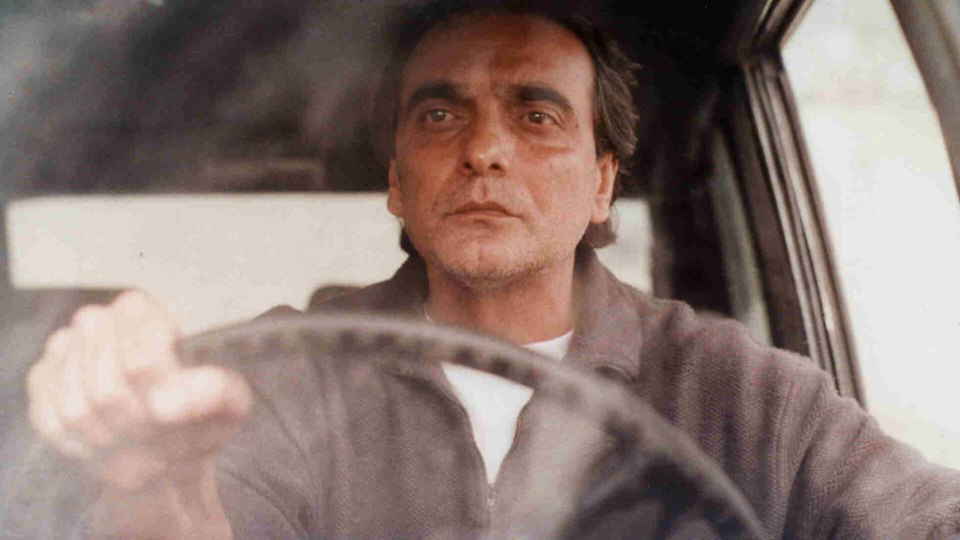
Taste of Cherry
Save this Palme d’Or winner for a day when you can’t see the point of going on. Kiarostami puts a man who has decided to die behind the wheel, and out of his long drive he builds one of the most moving films about what keeps us alive. Afterwards, even cherries taste different. — Mr Badii has decided to kill himself, and all he needs is someone to come at dawn and bury him. So he drives the hills outside Tehran, offering the job to strangers he picks up. A young soldier bolts and a seminarian refuses, but a man who works at the Natural History Museum says yes, for reasons of his own, and then he starts to talk. — Palme d'Or | Cannes Film Festival | 1997
Get free cinema tickets
Our website uses Cookies
We use cookies to offer you the best possible experience on our site.
- Necessary cookies
- Analytics cookies
- Advertisement cookies