Agnès Varda: dlaczego nigdy nie przestanę o niej mówić

Maria Dutkiewicz
Grandmother of the French New Wave, friend of the margins, and winner of the crown jewels of film awards: she has an Oscar, a Golden Lion, a Palme d’Or, a César, a Silver Bear. Strong, inspiring, full of humor. Among all the people in love with Godard, I always want to be the one talking about Varda.
I have a dream: I wish Agnès Varda, a true icon of French cinema, were watched in every Polish home. Varda once wrote her own biography in telegraphic style on the occasion of one of her American films, “Lions Love,” so I’ll use exactly that to introduce her.
Agnes Varda French director once called the grandmother of the New Wave stop would rather be known as granddaughter of Picasso and Germaine Dulac stop likes Los Angeles palm trees big parking lots flower children brushbottle flowers stop fascinated by Hollywood legend less by Hollywood movies stop has one husband one daughter stop hobby housekeeping
Agnès Varda, friend of the margins, and winner of the crown jewels of film awards: she has an Oscar, a Golden Lion, a Palme d’Or, a César, a Silver Bear. I get the impression she’s closer to holding a magnifying glass to the ground than to the ideas and thoughts that float above the pavement. A revolutionary full of anger, brimming with joy. A lover of the marginal, of discarded potatoes, of documenting the little shops on her street, of murals, of the fight for rights, of people choosing their own truth. Charming, attentive, and moving. Strong, inspiring, full of humor. If you opened me up, you’d find a beach inside, she once said. A person must always be by the sea, she said another time.
Now I’ll confess something controversial in cinephile circles – I’m not really fond of watching films from the French New Wave. I appreciate them, I really do. I appreciate the courage, the trail-blazing. The demonstration that cinema can be made guerrilla-style, cockily, spontaneously, and egalitarianly, often on a budget roughly equivalent to four sticks of chewing gum. I understand, after all, why this period of film history is so electrifying – 1960s French cinema is essential to understanding cinema as we know it today. Truffaut, like no one else, stood close to his protagonist while simultaneously observing him without mercy. Godard broke every rule and, in doing so, proved that this is the best thing that can happen to a film. Rohmer made cinema out of conversation. But I do find myself, simply and in Gombrowicz-like fashion, grumbling about these films. Because how is something supposed to dazzle you if it doesn’t dazzle you. Thankfully, within this movement there’s one person I admire without a shred of grumbling. Among all the people in love with Godard, I always want to be the one talking about Varda.
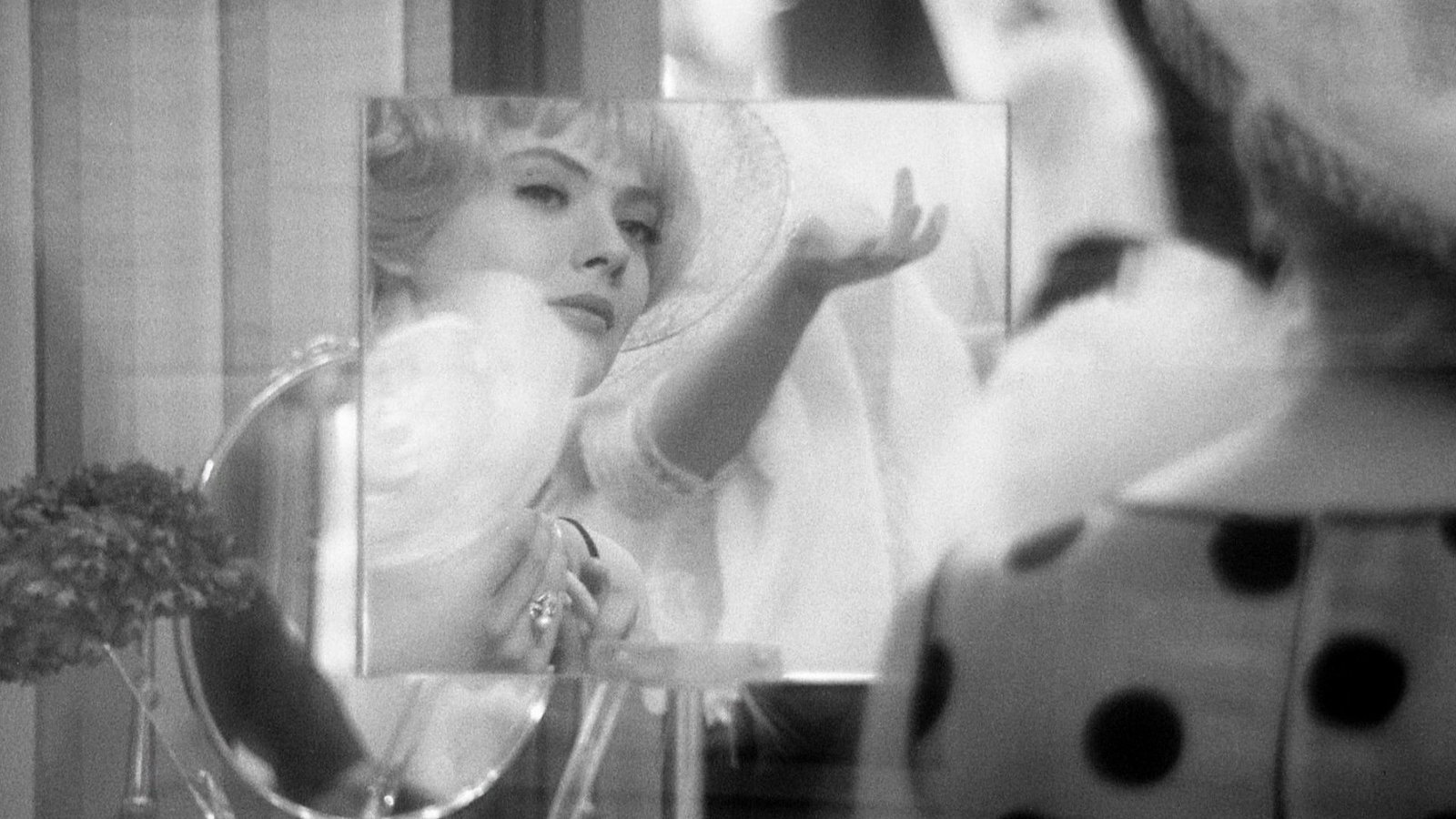
“Cléo from 5 to 7”
Varda’s most famous New Wave film. The singer Cléo awaits test results that could spell a death sentence. The film unfolds almost in real time – the screen minutes correspond to an hour and a half of story time. In French, these afternoon hours are also the customary time for lovers to meet. In Varda’s film, it becomes a meeting with fate, and a reflection on being the object of someone’s gaze.
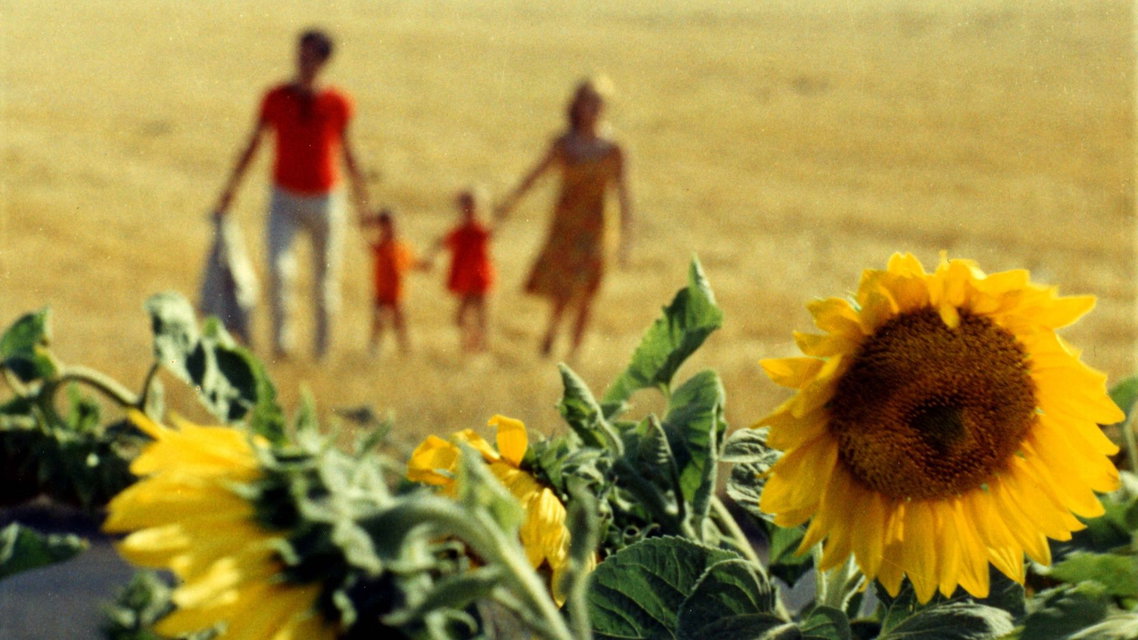
“Le Bonheur”
“Le Bonheur,” meaning precisely “Happiness,” looks like an impressionist painting: a picnic, Mozart, flowers. A man who cheats on his wife but believes it’s simply a natural expansion of happiness, since there’s surely enough love to go around for everyone.
“Vagabond”
A multilayered film about the freedom of living outside the system. Sandrine Bonnaire plays Mona, a young drifter who dies within the first few minutes of the film. We then follow a reconstruction of her final weeks from the perspective of the people she met along the way. Varda makes Mona neither a victim nor a hero of freedom. She shows us a woman who is hard to love and impossible to forget.
“Jane B. for Agnès V.”
A portrait of Jane Birkin that bursts at the seams of its own form: half documentary, half a dress-up game of shifting roles. It seems Varda doesn’t believe one genre is enough to capture one person.
“Varda by Agnès”
Varda died in 2019, a few weeks after the premiere of this film-lecture on cinécriture, her own way of writing with cinema. In the end, she left us a personally guided course in attention – pointers on how to look longer and more honestly at the things close to us.
We should never stop watching the films of Agnès Varda. Thanks to her, beaches form inside us.
This English version was translated with AI.
Available on Cinobo
We have more of her films on Cinobo.