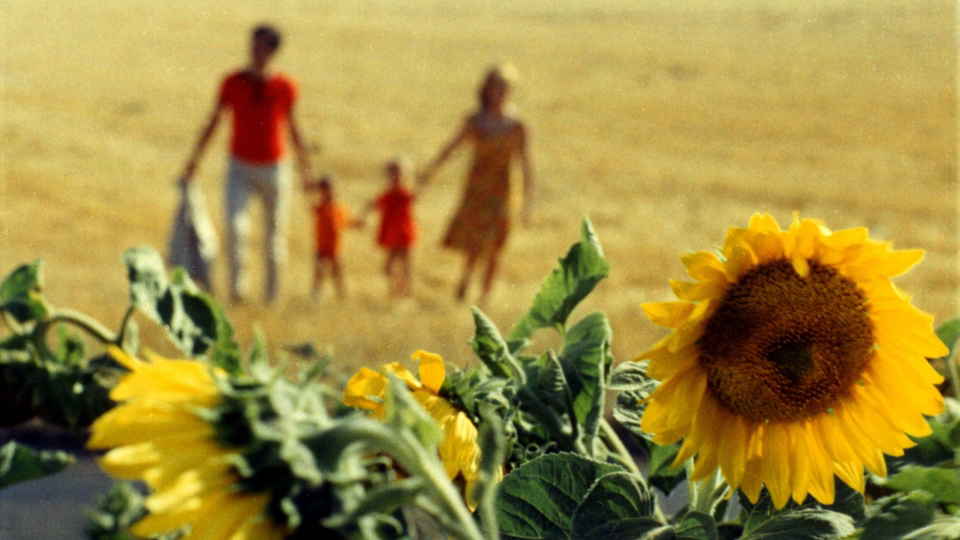
Francuskie thrillery, kryminały, noir. Stylowe historie zbrodni i kary

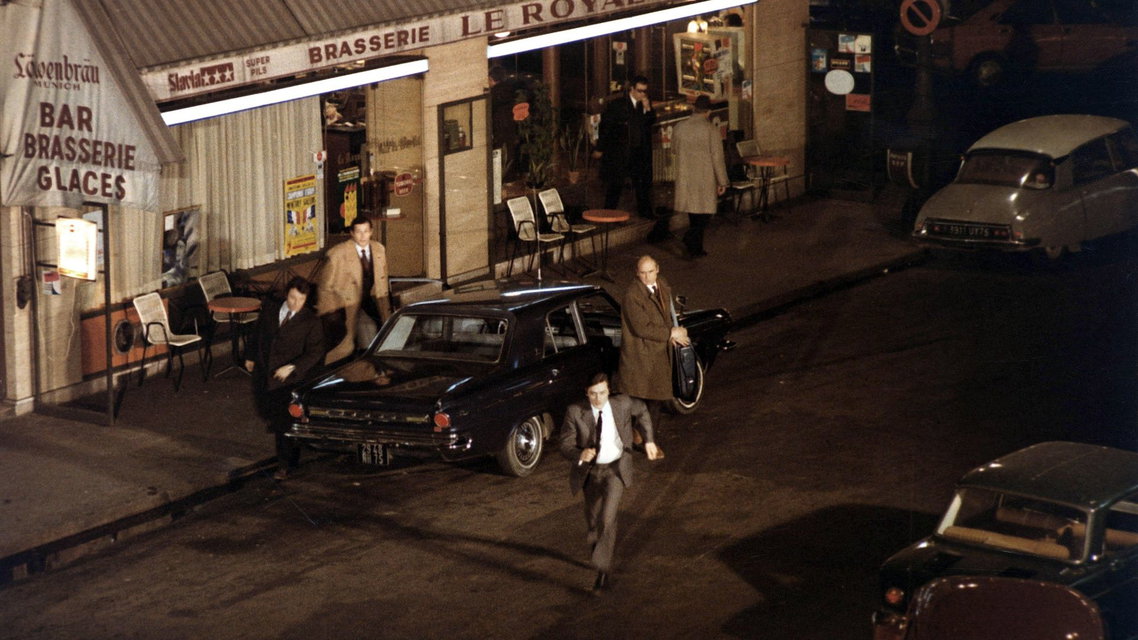
Full of melancholy, impeccably tailored suits, and facing impossible choices. The French can imbue even cigarette smoke with style.
Hit the table, and the scissors will answer. Say “French thriller,” and the reply will be “Melville.” Jean-Pierre Melville is often called the poet of the underworld, whose characters – gangsters, loners, policemen – are caught up in moral dilemmas. He was a filmmaker full of style, a disciplined craftsman who, drawing inspiration from Hollywood’s Golden Age, created in France a genre cinema whose influence is inestimable.
His real name was Grumbach, and he borrowed his pseudonym from the author of “Moby Dick” when, as a soldier of the French Resistance, he needed a new name. He never gave it back. The experiences of wartime left a mark that is visible in many of his films. He crafted stylish noir, crime films and restrained thrillers, in which the characters are men of few words, yet the force of their actions – and of those few words muttered under their breath – carries the power of an explosion.
Any journey through the tension-filled French films in our catalogue must therefore begin with him: with the man who wore dark glasses even on cloudy days, and who always remained humble before the genre, the audience, and the craft.
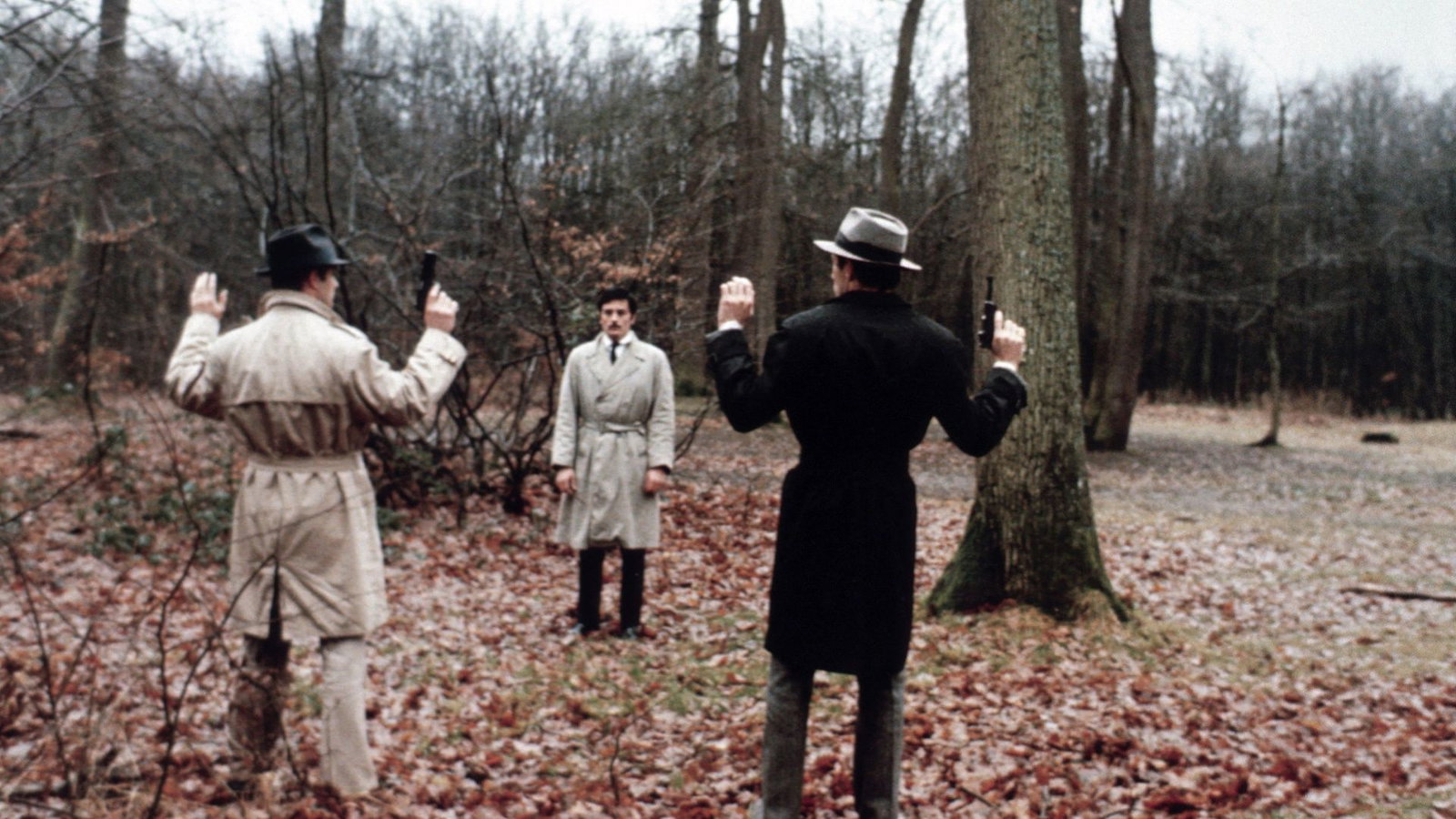
Melville – four timeless and stylish noirs
The Melvillian hero is a man who lives by his own code (it’s no accident his most famous film is called “Le Samouraï”), yet he is caught up in impossible moral choices. Already in his early film, Le Doulos (1962) with Jean-Paul Belmondo, a double game unfolds, and no one – including the viewer – knows who is betraying whom. The title itself is double-edged: the French original, “Le Doulos,” means both an informer, a snitch, and the hat worn by the characters. Despite being a film from the sixties, it hasn’t lost an ounce of its power: Quentin Tarantino named it one of his favorite film scripts.
Melancholy, resignation, principles – this trio takes the lead in his later films too. In Army of Shadows (1969), the plot unfolds during the Occupation, amid the Resistance. A young man approaches a hopeless choice in a spirit of sacrifice, in the name of principle. It’s one of the most restrained, yet also most devastating and most important French films about war. Le Cercle Rouge (1970), in turn, is a precise heist built around four men who, despite not trusting one another, must rely on each other. The film is shot in color, but – as longtime New York Times critic Vincent Canby wrote – it has “the chill of black and white” about it, even though it isn’t black and white at all. In “Un Flic” (1972), with Alain Delon and Catherine Deneuve, his last film, he sets a policeman and a gangster against each other, like two halves of a rotten apple, shots from two sides of the same, weary world.
His distinctive style remained untouched by the aesthetic revolutions of the New Wave, although he is sometimes called its precursor – for making films outside the rigid studio system. The New Wave’s representatives had an ambivalent relationship with Melville: on one hand, he made the kind of genre cinema they rejected; on the other, he did it his own way. He even has a small cameo in Jean-Luc Godard’s Breathless. And in that same period, Truffaut too reached for a crime story inspired by American pop culture – though he did it with a wink, weaving in comedy and pastiche to escape the autobiographical pigeonhole. His Shoot the Piano Player (1960) is a tribute to American noir filtered through French sensibility and personal freedom: a gangster past catches up with the pianist just when he’d finally like some peace.
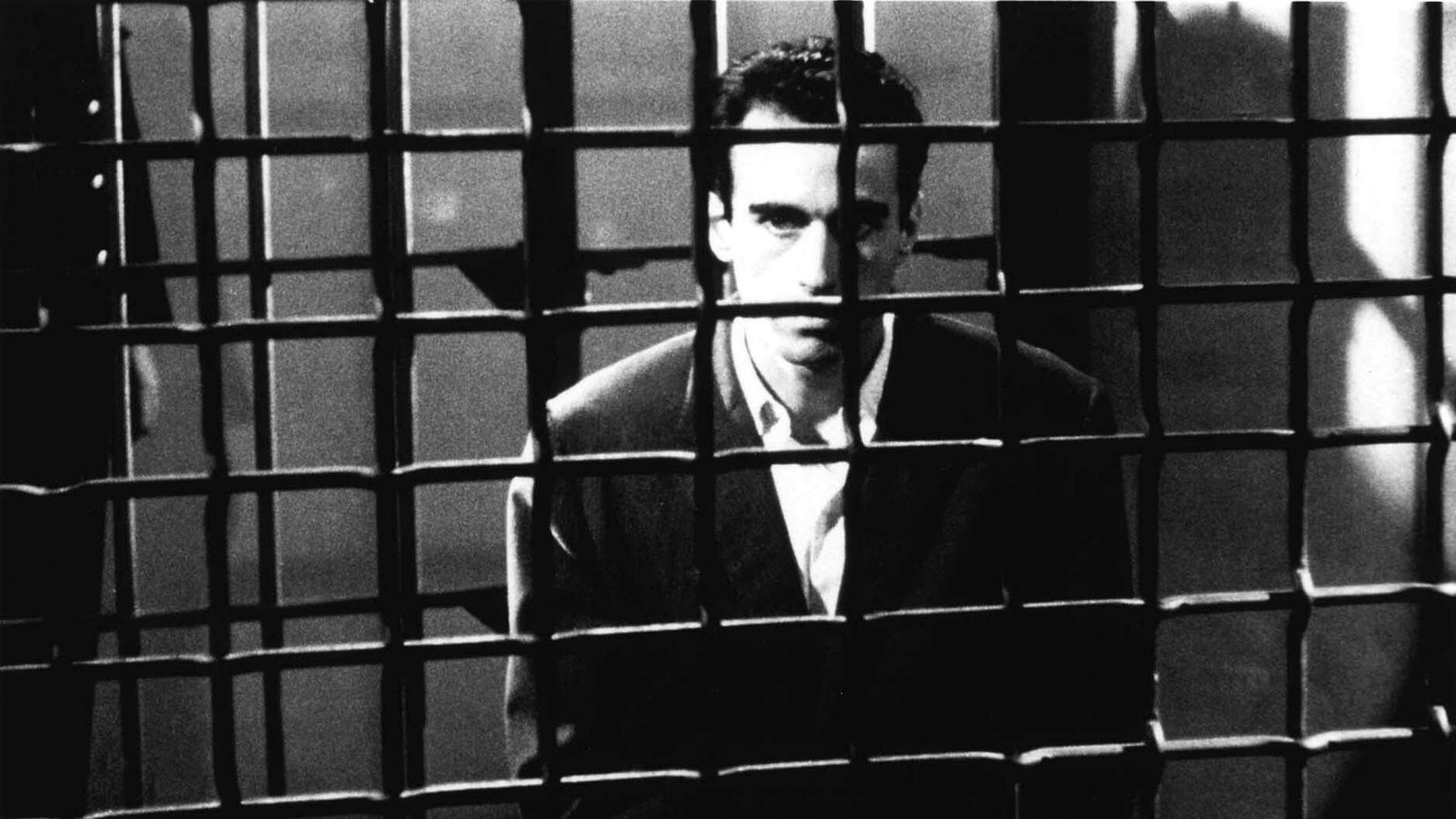
A real pickpocket, a real ex-convict. “Pickpocket” (1959) by Robert Bresson and “Le Trou” (1960) by Jacques Becker
While we’re at it, it would be a shame not to mention other French films from the turn of the fifties and sixties that revolve around crime and punishment, theft and escape – and interestingly, both feature a person with genuine, firsthand experience in stealing and escaping.
In Pickpocket (1959) by Robert Bresson, shot with astonishingly precise choreography of hands and wallets, one of the thieves is played by Henri Kassagi, a real pickpocket who taught the actors the trade. He proved inspiring enough to Chinese director Jia Zhangke that his 1997 debut can be seen as a tribute to Bresson.
In Le Trou (1960) by Jacques Becker, a prison escape plan advances inch by inch. The screenplay of “Le Trou” was based on a real escape attempt from the Parisian La Santé prison in 1947. The film is sometimes called the anti-Shawshank: escape here is neither poetic nor uplifting. It is toil, physical agony. Nor do we follow Hollywood stars in the mold of Morgan Freeman. What’s more, one of the lead roles is played by Jean Keraudy – a man who truly took part in that escape.
***
Why watch films like these today? Of course – these are Important Films for the modern crime genre, ones that paint American Chandler-style stories in the colors of existentialism. But beyond that, they’re also a great choice for autumn evenings. Full of melancholy, impeccably tailored suits, and characters facing impossible choices. The French can imbue even cigarette smoke with style.
Translated with the assistance of AI. Not a confession, not an alibi — just a disclosure.
Available on Cinobo
The films of the poet of the underworld await