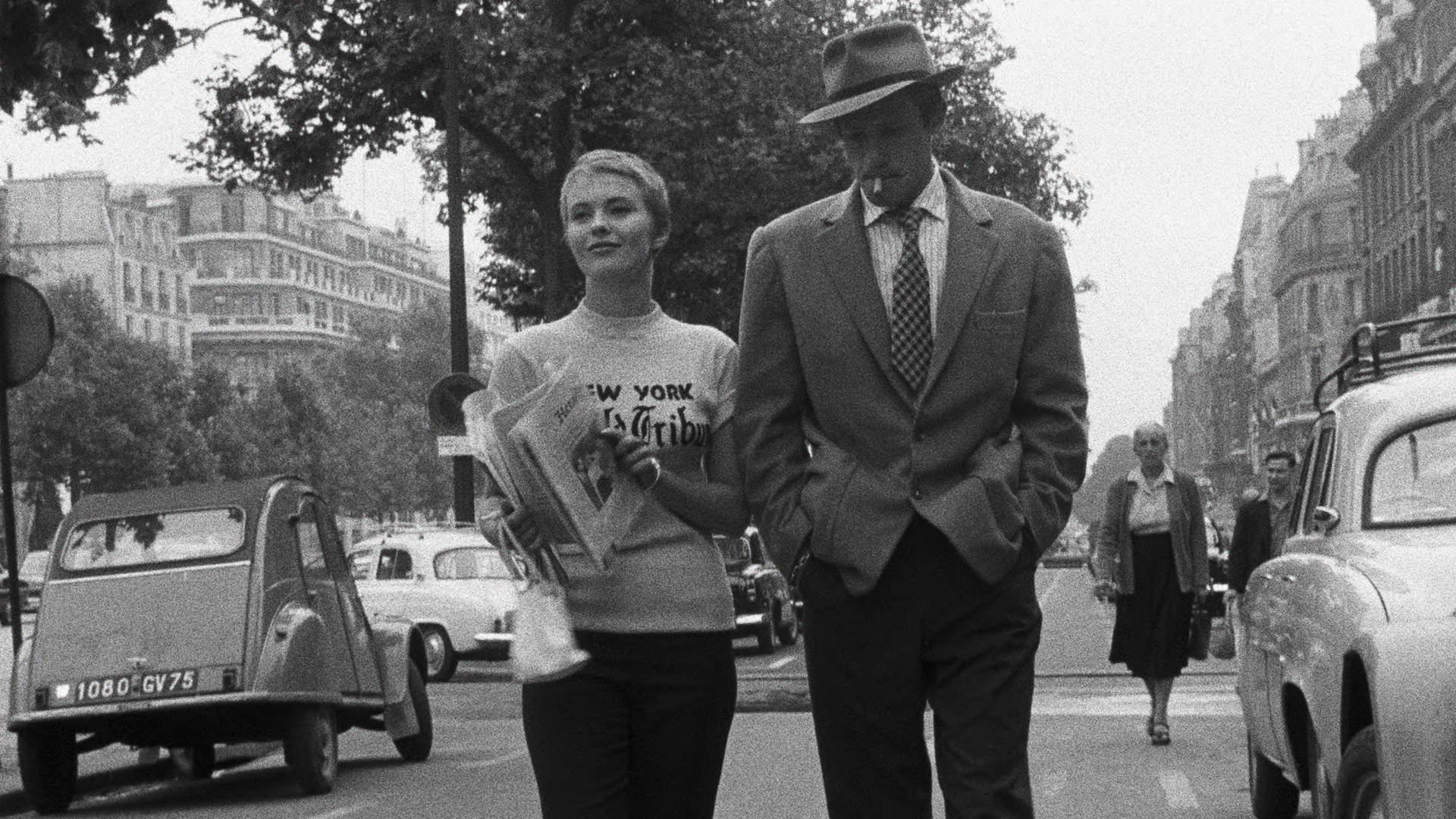
Νouvelle Vague
Few movements have changed cinema as radically as the one that emerged from the legendary Cahiers du Cinéma. Freedom on film - sometimes bordering on anarchy. From The 400 Blows to Breathless. Godard, Varda, Truffaut, Resnais, and the rest.
Titles in this collection
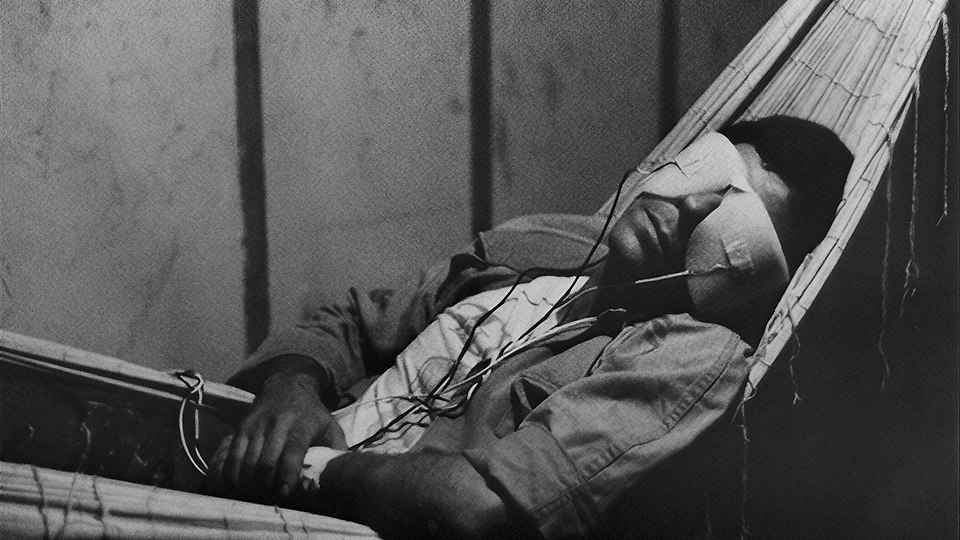
La Jetée
Chris Marker, a documentarian like no other, built this experiment from still photographs shown one after another for twenty-eight minutes, and only once, when a woman lying in bed opens her eyes, does the film truly move. Its journey through time will keep you awake long after. — After World War III, Paris lies in ruins and the survivors live in underground tunnels, where experiments in time travel are carried out on prisoners. One of them carries an unusually vivid childhood memory: the observation deck at Orly airport, the face of an unknown woman and something he saw there that he never understood. That is exactly why he is chosen.
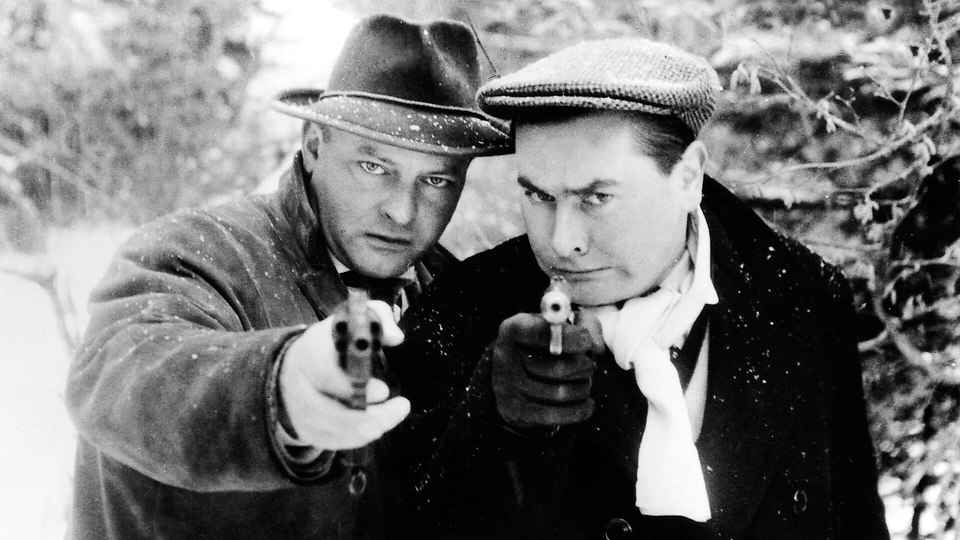
Shoot the Piano Player
Charles Aznavour plays an antihero it’s impossible not to love. Truffaut takes on the gangster film with a virtuoso’s touch, and then he throws every one of its rules out of the window. — The man playing jazz in a seedy Paris bar was once a concert pianist, before he changed his name. When his two brothers turn up asking for help to get away from a pair of gangsters, he helps them lie low. It isn’t long before the men hunting them pick up the trail, and he and one of the waitresses find themselves in serious trouble.
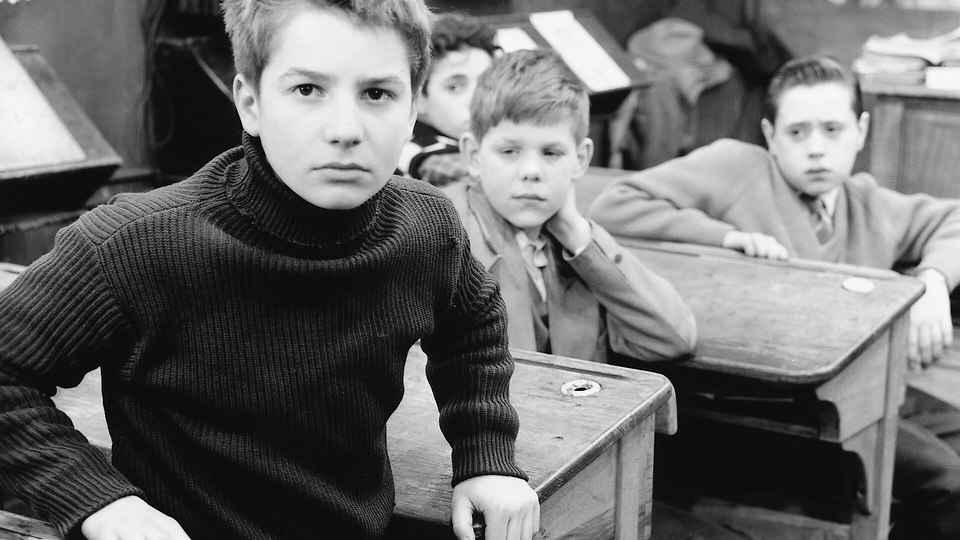
The 400 Blows
Truffaut was still a boy when his own father handed him over to the police, and years later that memory became a film. Jean-Pierre Léaud, cast in the lead, never memorised his lines but spoke in his own words. Blow after blow, you feel how cruel childhood can be. — Antoine Doinel makes his first appearance as an unruly boy growing up in a cramped Paris flat with a family that doesn’t understand him. He skips school, steals and suffers under a teacher who has it in for him, until an arrest lands him in a cell overnight with prostitutes and thieves. The court sends him to a reform school, but Antoine escapes, in search of freedom. — Official Selection | Cannes Film Festival | 1959 Best Director | Cannes Film Festival | 1959 OCIC Award | Cannes Film Festival | 1959
Cleo from 5 to 7
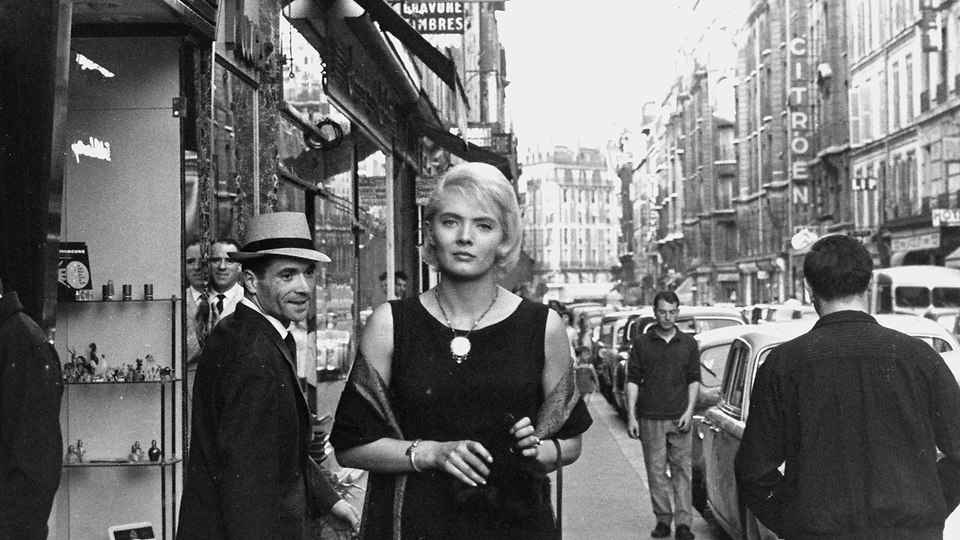
Agnès Varda’s best-known film unfolds in real time, following a singer around Paris from five in the afternoon as she waits for test results she’s sure will mean cancer. Its title borrows the French expression for time spent with a lover and promises seven o’clock, but the film ends before then. — It’s five in the afternoon on 21 June, and Cléo, a Paris singer whose real name is Florence, is sure her test results will show cancer. The doctor won’t tell her until half past six, so she fills the time with a hat shop, a taxi ride, a café and a rehearsal with her songwriters, before she ends up in a park where a soldier wants to talk to her. — Official Selection | Cannes Film Festival | 1962
Lola
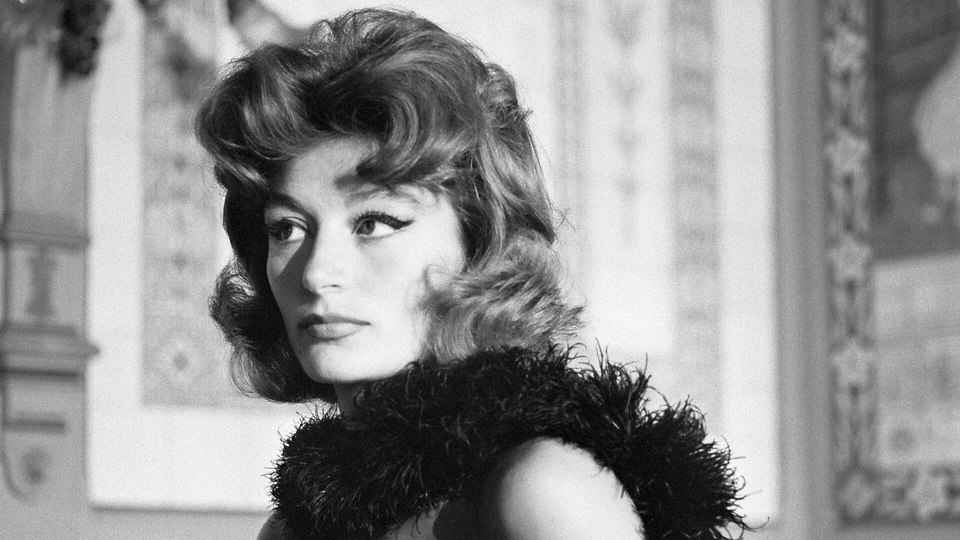
Jacques Demy’s debut doesn’t get talked about nearly enough, yet three years before “The Umbrellas of Cherbourg” it showed a voice that stood brilliantly apart from the New Wave. Anouk Aimée is dazzling as a cabaret dancer still waiting for the man who left her seven years ago. — A young man is drifting through life in Nantes when he bumps into Lola, a cabaret dancer he knew years ago, and falls in love with her. Lola, though, still can’t stop thinking about the lover who left her seven years earlier. To make some quick money he gets mixed up in diamond smuggling, and that’s just when Lola’s former lover reappears.
Pierrot the Fool
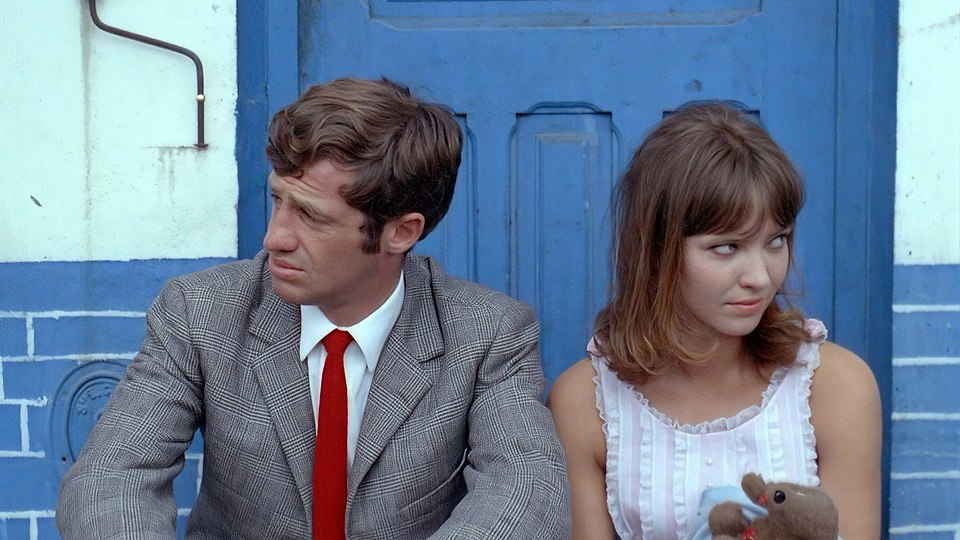
Jean-Paul Belmondo and Anna Karina hit the road for the Mediterranean in a crime film, road movie and satire rolled into one. Jean-Luc Godard naturally had no script, only a heart full of poetry and rebellion. Watch it as one line asks: you talk to me with words, and I look at you with feelings. — In Paris, Ferdinand can’t stand his marriage or the party he’s been made to go to, so he leaves it with Marianne, who used to be his family’s nanny. In her flat there’s a dead body, and armed men are on her trail. By dawn the two of them are driving someone else’s car towards the Mediterranean, without any kind of plan. — Official Selection | Venice Film Festival | 1965
Contempt
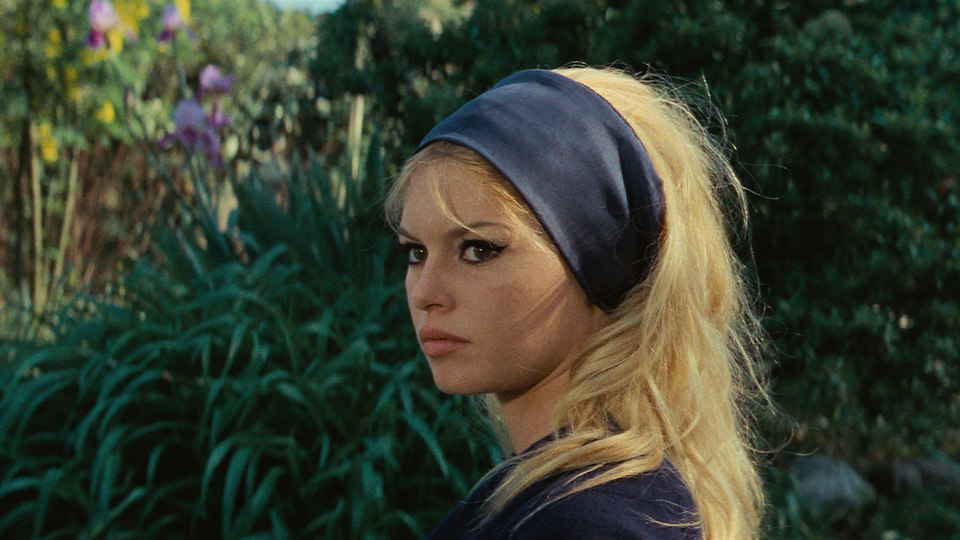
Jean-Luc Godard’s film about cinema and love watches the marriage of Brigitte Bardot and Michel Piccoli shatter. The bed scene was only shot because the producers complained it wasn’t racy enough, and Fritz Lang plays himself, a director set on filming “The Odyssey” long before Nolan. — Paul Javal writes plays in Rome but pays the bills with screenplays, so when an American producer wants rewrites on an adaptation of Homer’s “Odyssey”, he takes the work. When the producer whisks Paul’s wife off to his villa in a sports car, Paul doesn’t object. Back at their flat, Camille tells her husband she no longer loves him.
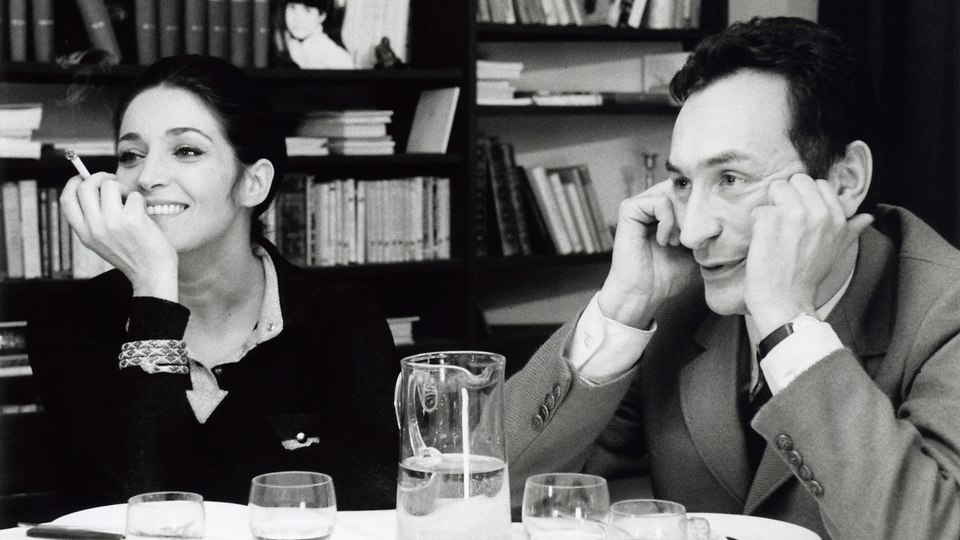
My Night at Maud's
Nominated twice for an Oscar, the film that made Rohmer famous is set in Clermont-Ferrand because Pascal was born there. A devout Catholic and a doctor who doesn’t believe end up arguing about Pascal’s wager until morning. — Jean-Louis, a devout engineer in Clermont-Ferrand, has quietly chosen the woman he means to marry when, a week before Christmas, he runs into Vidal, an old acquaintance who teaches philosophy and believes in nothing. Vidal takes him to meet Maud, a doctor who lives alone and argues better than either of them. Then the snow starts to fall, the last bus pulls out, and the conversation carries on. — Nominated for Best Foreign Film | Oscars | 1970 Nominated for Best Original Screenplay | Oscars | 1970 Official Selection | Cannes Film Festival | 1969
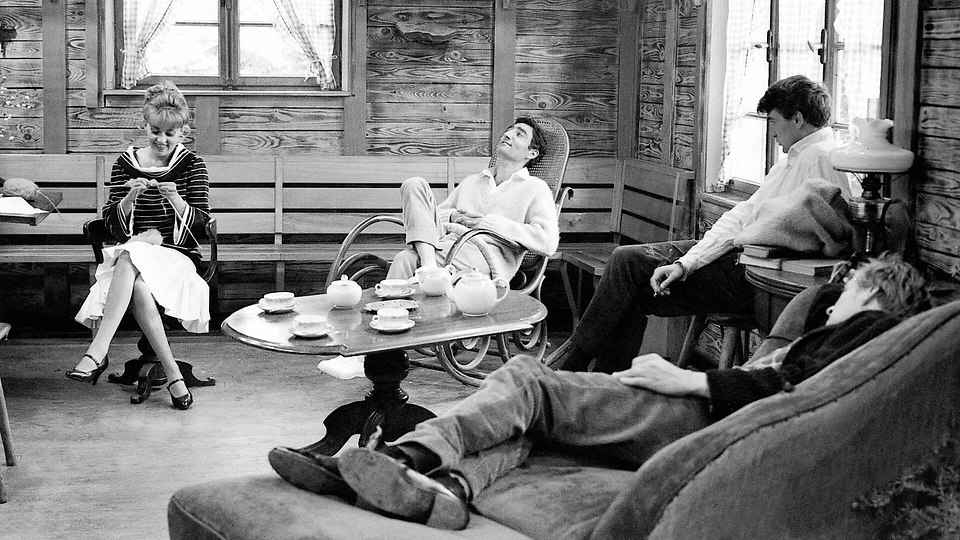
Jules and Jim
The New Wave is at its freest, most passionate and most anarchic here, with Jeanne Moreau as the woman two friends go on loving for twenty years. Nothing about that arrangement is ever simple. — Jules is a shy Austrian writer and Jim a French intellectual, and in Paris around 1912 the two friends meet Catherine, a beautiful, passionate woman who does exactly as she likes. What follows is a love affair for three, until the war separates them. Jules and Catherine marry, and for a while all three remain friends, but the balance between them never quite holds. — Best Director | Mar del Plata Film Festival | 1962
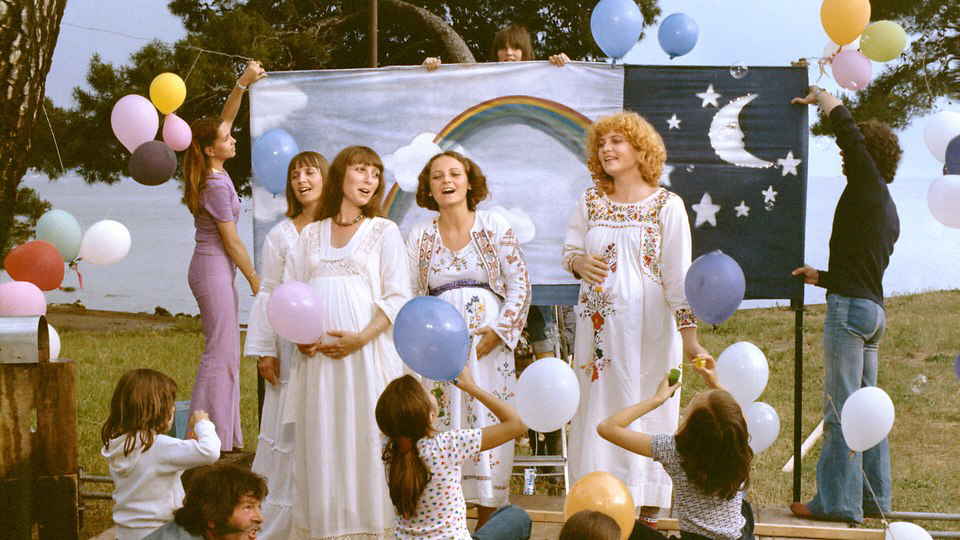
One Sings, the Other Doesn't
Agnès Varda’s feminist film about abortion and freedom follows two friends who fight side by side for the right to decide how they live. It’s the most political film the French New Wave icon ever made, yet it’s as full of her energy and humour as anything she did. — Seventeen-year-old Pauline is still at school in 1962 when, in a Paris gallery, she spots a photograph of an old friend. Suzanne, now twenty-two, has two children by the photographer and needs money for an abortion the law forbids, so Pauline lies to her parents to get it before running away from home to sing. They won’t see each other again for ten years, until they meet at a demonstration in 1972.
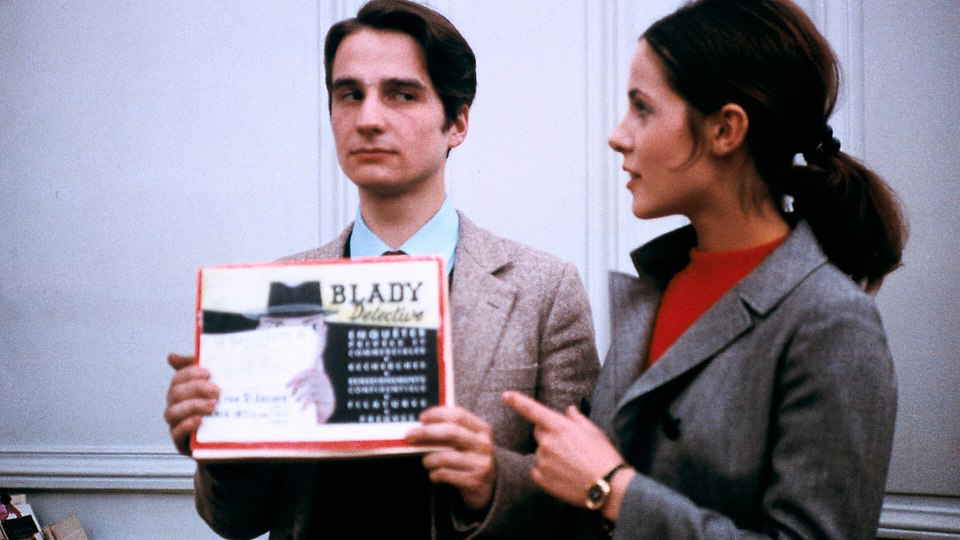
Stolen Kisses
Truffaut has never been lighter or funnier than in this next chapter of Antoine Doinel’s life, which is indecently charming and packed with nods to other films. It sings the praises of love affairs, the kind that send you soaring and then smash you to pieces. — Antoine is fresh out of the army in 1968 Paris and finding grown-up life hard going, both at work and in love. He takes a job as a private detective and falls madly for an older woman, the wife of a shoe shop owner. Not that he’s quite let go of Christine, his old girlfriend. — Nominated for Best Foreign Language Film | Oscars | 1969
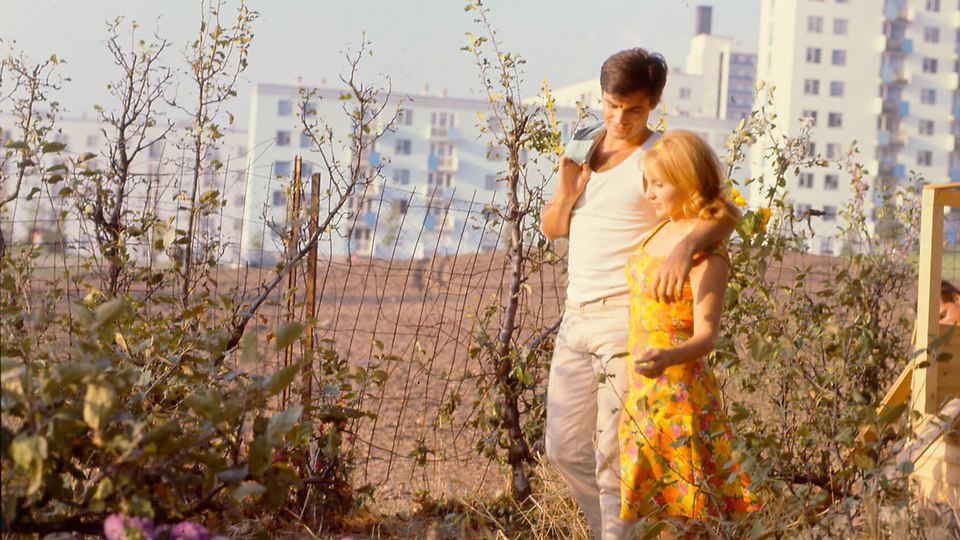
Le Bonheur
Warm colours, Mozart and pastoral calm fill the sunniest film about infidelity ever made, which Agnès Varda shot just before May 1968. Her hero is a man who falls for a second woman and begins to believe he can add a new happiness to his life without losing the first. — A young carpenter has a comfortable, peaceful life, a lovely wife and two wonderful children. He’s happily married, but on a work trip he meets another woman and they begin an affair. His wife can tell something has put him in an unusually good mood, and since he can’t bring himself to lie to her, he tells her the truth. Nothing has changed between them, he promises. — Special Prize of the Jury | Berlin International Film Festival | 1965
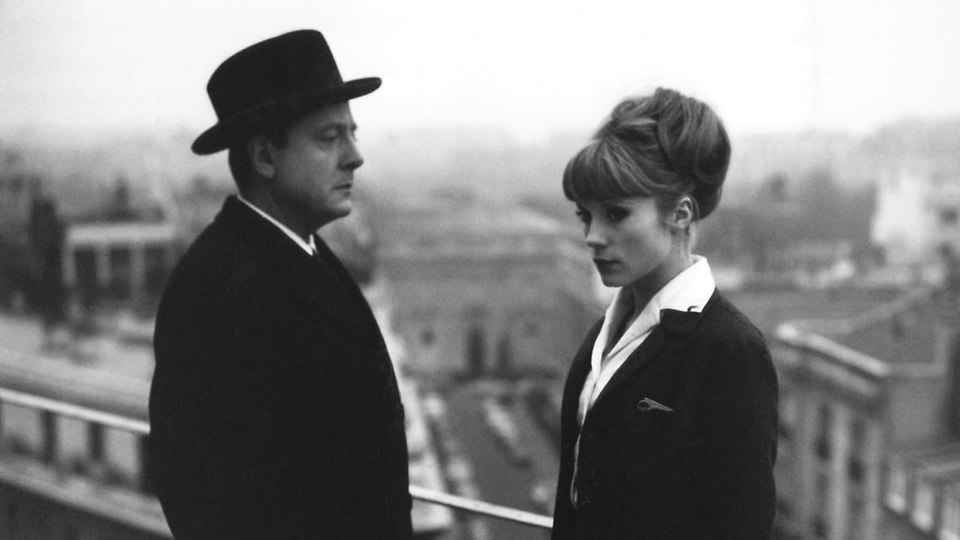
The Soft Skin
Truffaut was working on his book of interviews with Hitchcock while he made this film, and you can tell. A married man falls for an air hostess and convinces himself he has it all under control, and though it’s no thriller, the tension is thick enough to cut with a knife. — On a flight to Portugal, a well-known writer who edits a literary magazine meets a beautiful air hostess. When chance brings them together again at his hotel, an affair begins. The trouble is, he’s married. From then on his life is a run of stolen hours and out-of-town hotels, and his wife is starting to suspect something. — Official Selection | Cannes Film Festival | 1964
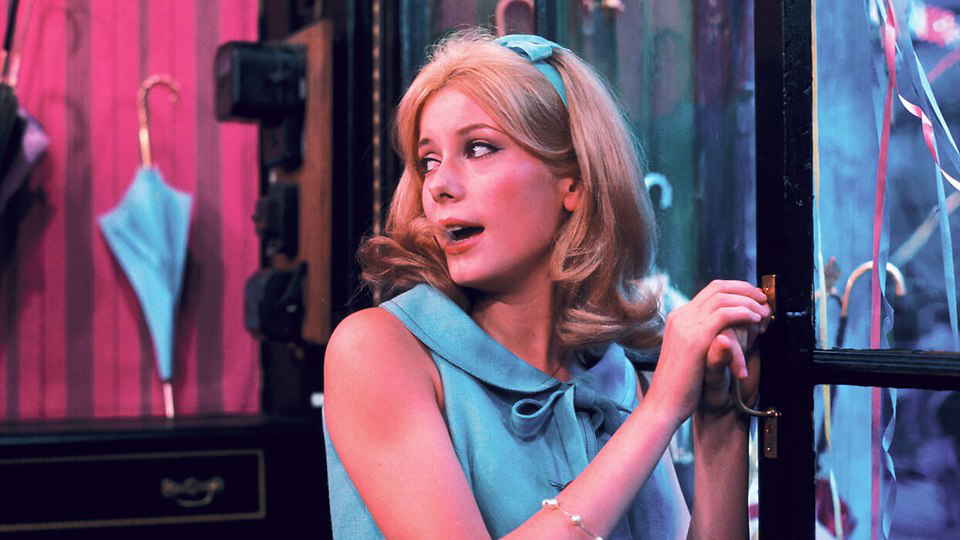
The Umbrellas of Cherbourg
Nobody speaks in Jacques Demy’s Palme d’Or winner. Every word is sung to Michel Legrand’s music, right down to the small talk in a car repair garage, and with a twenty-year-old Catherine Deneuve at its heart, it’s the kind of film that shows you why people love cinema. — Geneviève, who lives above her mother’s umbrella shop in Cherbourg, is in love with Guy, a twenty-year-old mechanic, and the two are secretly planning to marry over her mother’s objections. Then Guy is called up and sent to Algeria, and Geneviève discovers she’s pregnant. Her mother’s advice is to say yes to a wealthy merchant who has asked for her hand. — Nominated for Best Foreign Language Film | Oscars | 1965 Nominated for Best Original Song | Oscars | 1966 Palme d'Or | Cannes Film Festival | 1964 OCIC Award | Cannes Film Festival | 1964
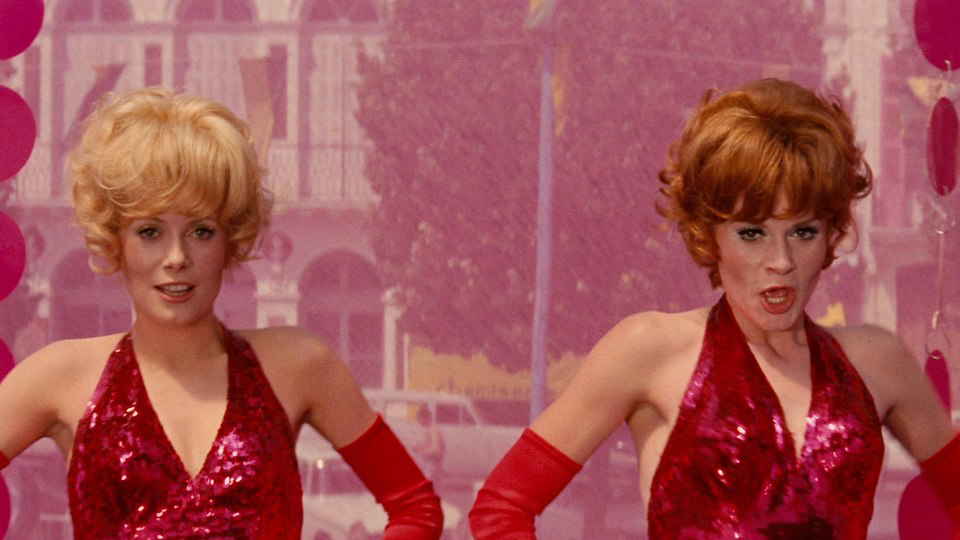
The Young Girls of Rochefort
Catherine Deneuve, her sister Françoise Dorléac and a dubbed Gene Kelly star in a dazzlingly colourful musical romance with a murder lurking in the background. Before he shot a single frame, Jacques Demy (“The Umbrellas of Cherbourg”) had thousands of shutters across Rochefort repainted. — In Rochefort, on the Atlantic coast, twin sisters teach dance and music and dream of finding romance and love in Paris. Then the summer fair rolls into town, bringing caravans, sailors and a troupe of travelling performers with it. What neither of them knows is that the answer to their dreams is only a few streets away. — Nominated for Best Music Score | Oscars | 1969
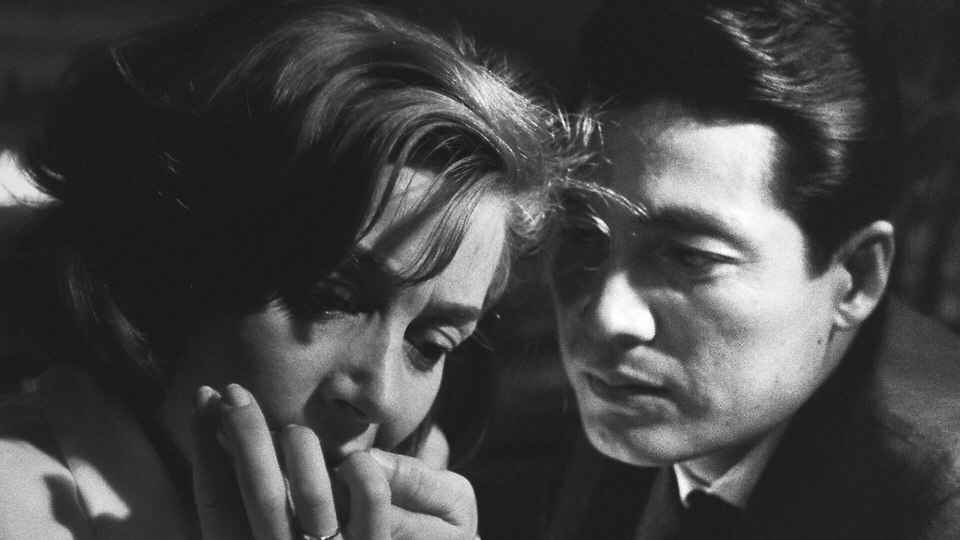
Hiroshima Mon Amour
Alain Resnais directed and the novelist Marguerite Duras wrote the Oscar-nominated screenplay for this love story, which broke new ground in cinema with history looming behind it. In Hiroshima, after the bomb, two lovers in a hotel room tell each other things that are never said out loud. — A French actress has come to Hiroshima to make a film about peace. In a café she meets a Japanese architect who lost his whole family when the bomb fell, and she spends her last night before going back to Paris with him. She tells him what she saw in the museum and the hospital, and all he says, again and again, is that she saw nothing. Over tea the next morning, she begins to talk about a German soldier in Nevers. — Nominated for Best Original Screenplay | Oscars | 1961 FIPRESCI Prize | Cannes Film Festival | 1959 Nominated for Best Film | BAFTA | 1961 Nominated for Best Foreign Actress (Emmanuelle Riva) | BAFTA | 1961
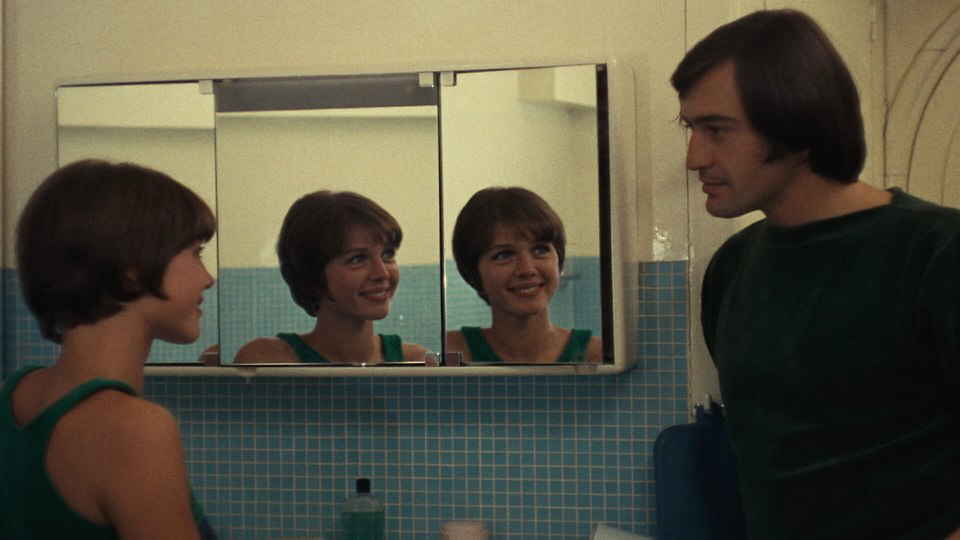
The Collector
Short of money, Rohmer shot his first colour film out of sequence, with five lamps and whatever light was already there, and it turned out to be the most erotic of his “Six Moral Tales”. Three people share a villa, with the whole summer stretching out ahead of them. — Adrien arrives at a friend’s seaside villa meaning to spend the entire summer doing nothing whatsoever, only to find two people already staying there. One is Daniel, an old acquaintance, and the other is Haydée, who takes someone new to bed almost every night. The two men make a pact to ignore her, but it doesn’t take Adrien long to work out that he’s next. — Prize of the Jury | Berlin Film Festival | 1967 Youth Film Award | Berlin Film Festival | 1967
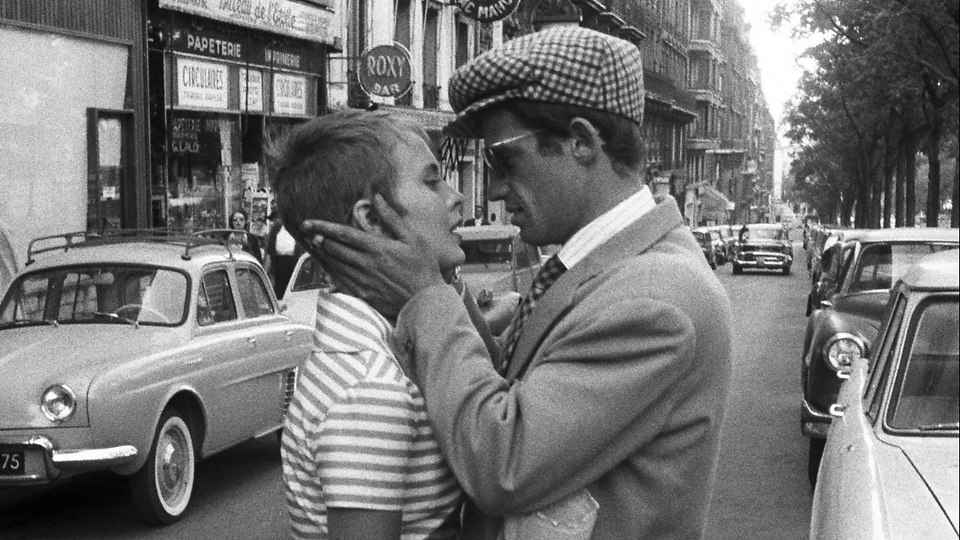
Breathless
Godard shot it in twenty-three days, writing each morning’s dialogue in a notebook nobody was allowed to read, while his cameraman filmed the streets from inside a postal cart with a hole cut for the lens. Cinema had rules before it, and possibilities after. Belmondo, Seberg and anarchy on film. — After killing a policeman on a country road, Michel heads for Paris, where he looks up Patricia, an American who sells newspapers on the Champs-Élysées, and tries to persuade her to go to Italy with him. Patricia can’t make up her mind. Meanwhile, the police are closing in. — Best Director | Berlin International Film Festival | 1960 Nomination for Best Foreign Actress (Jean Seberg) | BAFTA Awards | 1960
Get free cinema tickets
Our website uses Cookies
We use cookies to offer you the best possible experience on our site.
- Necessary cookies
- Analytics cookies
- Advertisement cookies