Filmography
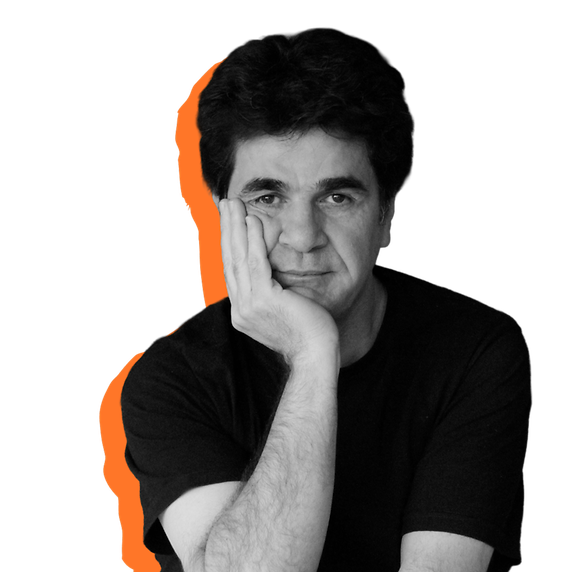
Jafar Panahi
One of only four directors in history to have won the top prize at Cannes, Venice, and Berlin. The Palme d'Or in 2025 came for a film shot in secret, in defiance of a twenty-year ban on filmmaking. The Iranian director tells the stories of those the system has silenced, yet who refuse to be quiet. A prisoner who never stopped creating.
No Bears
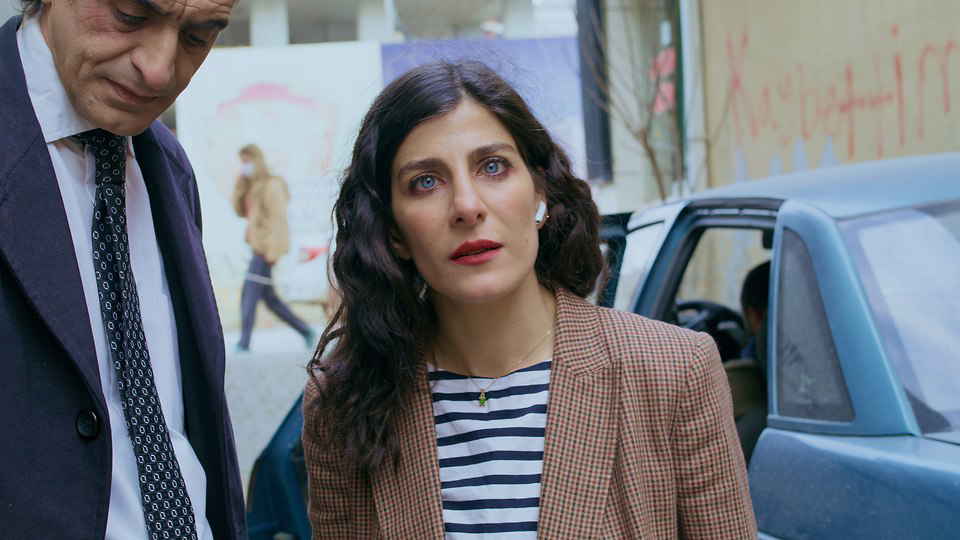
Jafar Panahi is banned by a court from directing, and soon after finishing this film in secret he was jailed in Tehran. Yet he keeps shooting, playing himself and sparing his own character nothing, while two love stories unfold in the shadow of fear. Venice gave it the Special Jury Prize. — In a village on the Iranian side of the Turkish border, a director who isn’t allowed to leave the country rents a room and directs a film remotely. His crew is shooting across the border in Turkey, telling the story of a couple buying fake passports, while he follows every take on a screen. Between shoots he photographs the village, until a rumour spreads that one of his pictures shows two young people side by side who should never have been seen together. — Special Jury Prize | Venice Film Festival | 2022
The Circle
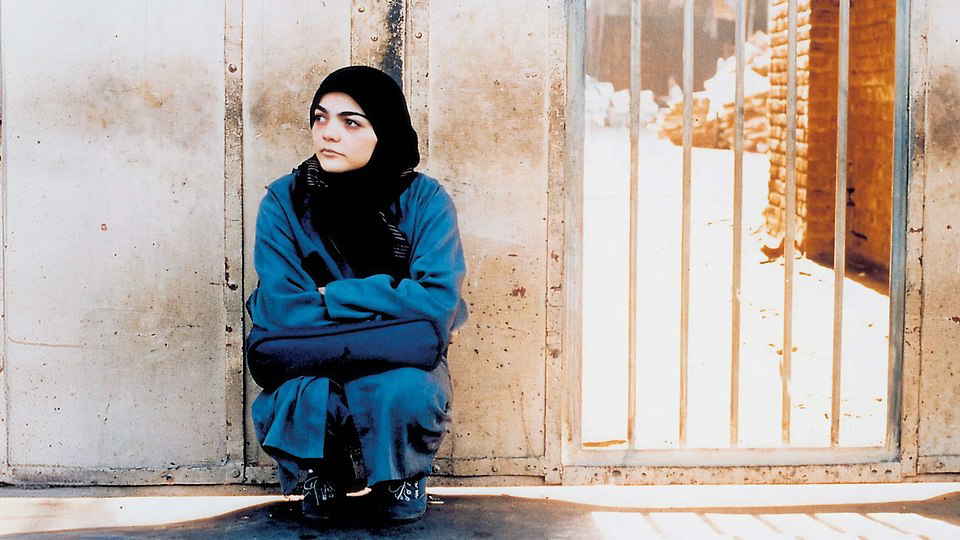
Jafar Panahi spent nine months fighting just for permission to shoot this single day in Tehran, where women find even the simplest things out of reach. Venice gave it the Golden Lion, while Iran issued an official ban on showing it. — Over one day in Tehran, a baby girl is born in a maternity ward and nobody is glad of it. Three women who have just been released from prison are trying to get out of the city that same day, but Nargess doesn’t have the money for a bus back to her village. Another goes home to a family that won’t let her through the door. — Golden Lion | Venice Film Festival | 2000 Best Actress (Nargess Mamizadeh) | Venice Film Festival | 2000 FIPRESCI Prize | Venice Film Festival | 2000 OCIC Award - Special Mention | Venice Film Festival | 2000
The Mirror
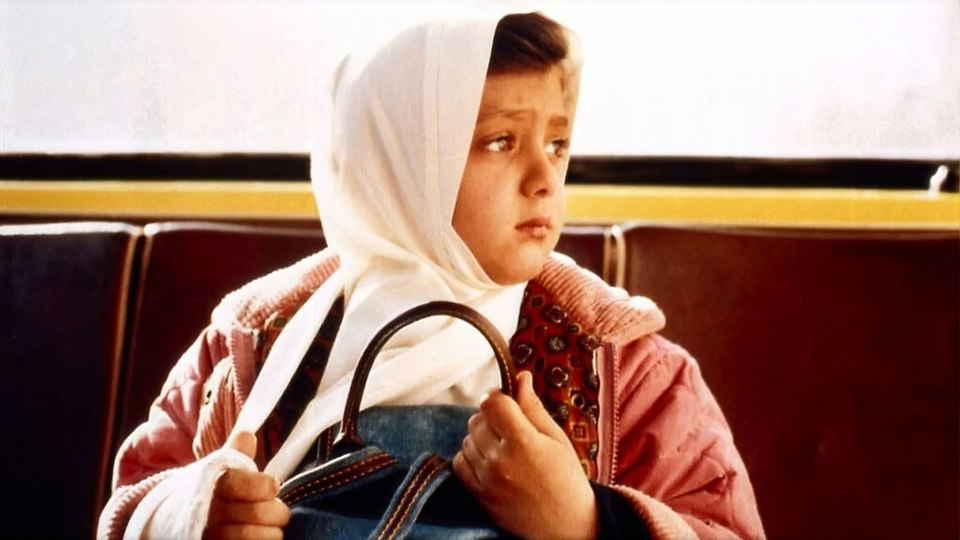
Jafar Panahi once worked as Kiarostami’s assistant, and here he borrows the style of his famous “Close-Up” for what starts as a sweet tale of a first-grader lost in Tehran. Halfway through the shoot, the young actress has had enough, pulls off her microphone and says she won’t go on. — Nobody comes to collect Mina from school in Tehran. The first-grader, with her arm in plaster and her satchel on her back, waits at the gate until she decides to walk home alone. She doesn’t know her address, so she asks strangers and climbs onto whichever bus comes along, in a city several sizes too big for her. Then the little actress snaps that she’s sick of playing the part. — Golden Leopard | Locarno International Film Festival | 1997
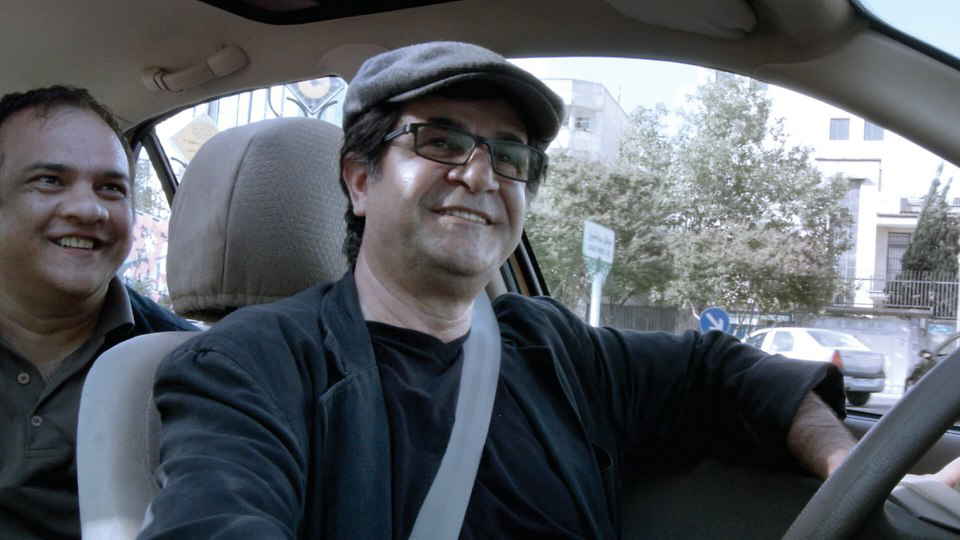
Taxi Tehran
When Iran’s authorities banned Jafar Panahi (“It Was Just an Accident”) from making films for twenty years, he took the wheel of a taxi, kept shooting as he drove around Tehran and won the Golden Bear for it. With every fare, more of Iran and its people come into view, and no censor gets a say. — Tehran rolls past the front seat of a taxi, and everyone climbs in: men and women, young and old, rich and poor, people who live by the old rules and people who have lost patience with them, bootleg video sellers and human rights defenders. The man at the wheel is a very inexperienced driver but a very experienced director, and his name is Jafar Panahi. — Golden Bear | Berlin International Film Festival | 2015 FIPRESCI Prize | Berlin International Film Festival | 2015
Get free cinema tickets
Our website uses Cookies
We use cookies to offer you the best possible experience on our site.
- Necessary cookies
- Analytics cookies
- Advertisement cookies