Filmography
Luis Buñuel
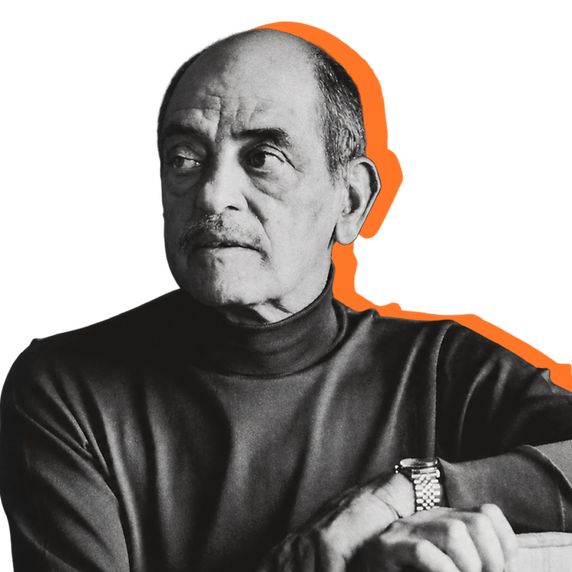
The father of surrealism in cinema and the master of the iconic provocation. For half a century, he mocked the bourgeoisie, the clergy, and social conventions, blending dream and reality until the line between them all but disappeared. An Oscar and Palme d'Or winner, though awards never mattered to him. A rebel who never stopped disrupting the established order.
The Discreet Charm of the Bourgeoisie
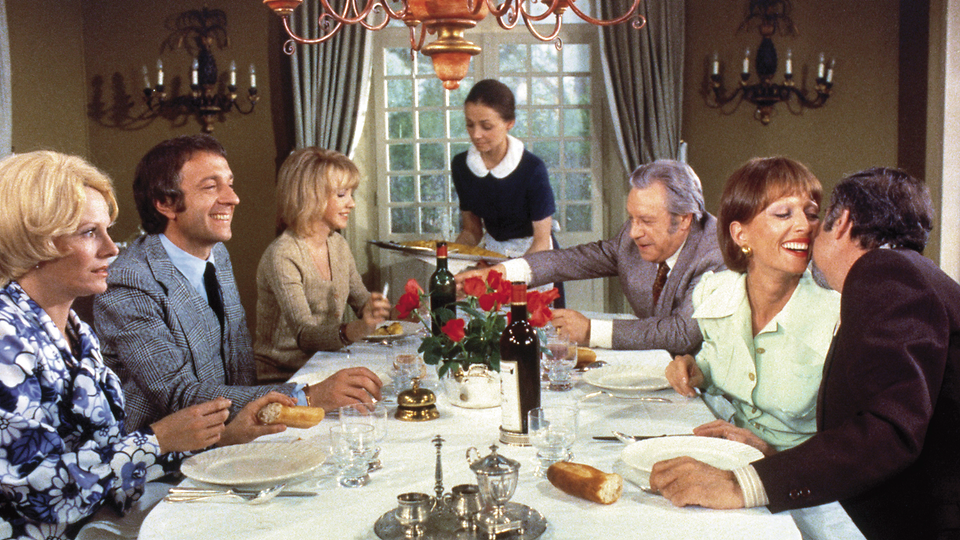
Buñuel’s producer once forgot he’d invited guests to dinner, and when he told Buñuel the story, it became an Oscar-winning film that takes the bourgeoisie apart with impeccable manners. Six friends sit down at the table, and dinner is never served. — The first time six wealthy friends gather for dinner, they’ve got the wrong day. They try again, and again, and each time something stranger gets in the way, a corpse in the next room or a whole unit of soldiers. However often they sit down, nobody ever gets to eat. — Best Foreign Language Film | Oscars | 1973 Best Screenplay | BAFTA | 1974 Best Actress (Stéphane Audran) | BAFTA | 1974 Nomination for Best Foreign Language Film | Golden Globes | 1973
Belle de Jour
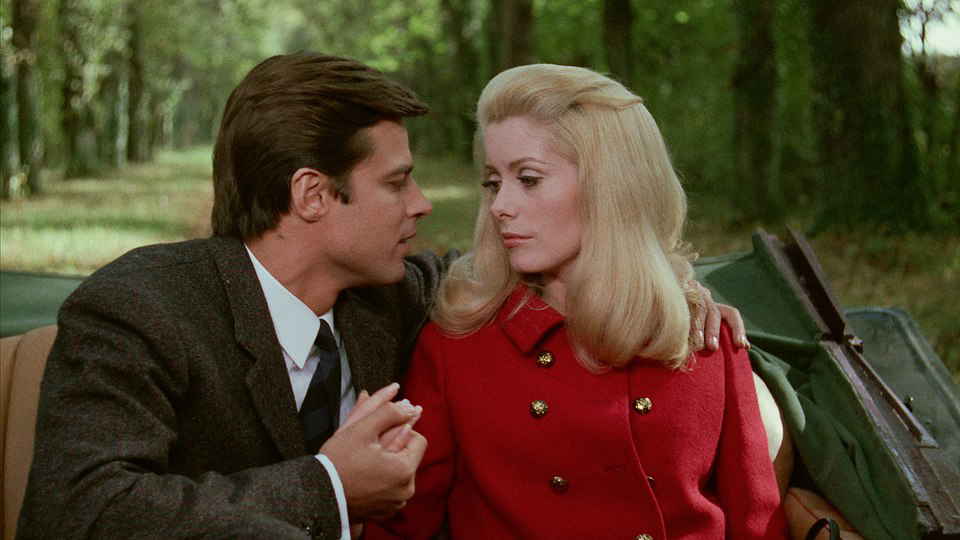
Catherine Deneuve stars for Luis Buñuel in a scandalous erotic film without a moment of nudity, banned in some countries, dressed by Yves Saint Laurent and awarded the Golden Lion at Venice. Buñuel insisted that only the viewer’s imagination could unlock its secret. — Séverine loves her husband but can’t bear him to touch her. When an acquaintance mentions, almost in passing, a Paris apartment where women receive men in the afternoons, she writes down the address, and one day she rings the bell. Now she works there from two until five under another name, and her husband knows nothing. — Golden Lion | Venice Film Festival | 1967 Pasinetti Award | Venice Film Festival | 1967 Nominated for Best Actress in a Leading Role (Catherine Deneuve) | BAFTA | 1969
The Phantom of Liberty
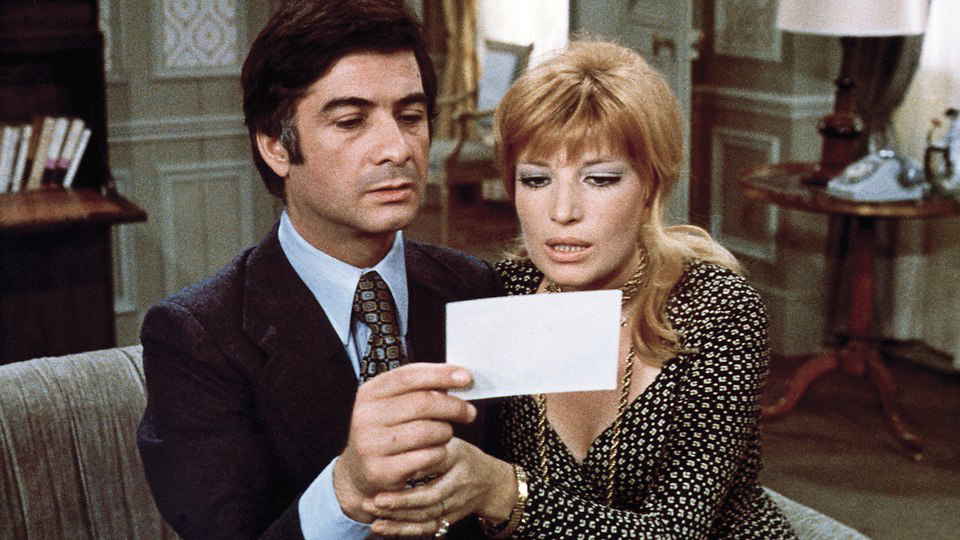
In Luis Buñuel’s surreal film, dinner guests are seated on toilets, and anyone who gets hungry slips away to eat alone. Characters are dropped halfway through their stories as the film runs off after someone new, in a world where everything is the wrong way round. — In Toledo in 1808, Spanish rebels fall to French bullets while shouting slogans against freedom. In a Paris park, a stranger hands two little girls a packet of postcards of famous monuments, and their parents are outraged when they look through them. At the police station, a couple report their daughter missing as the girl stands right beside them, giving the officer her own description.
That Obscure Object of Desire
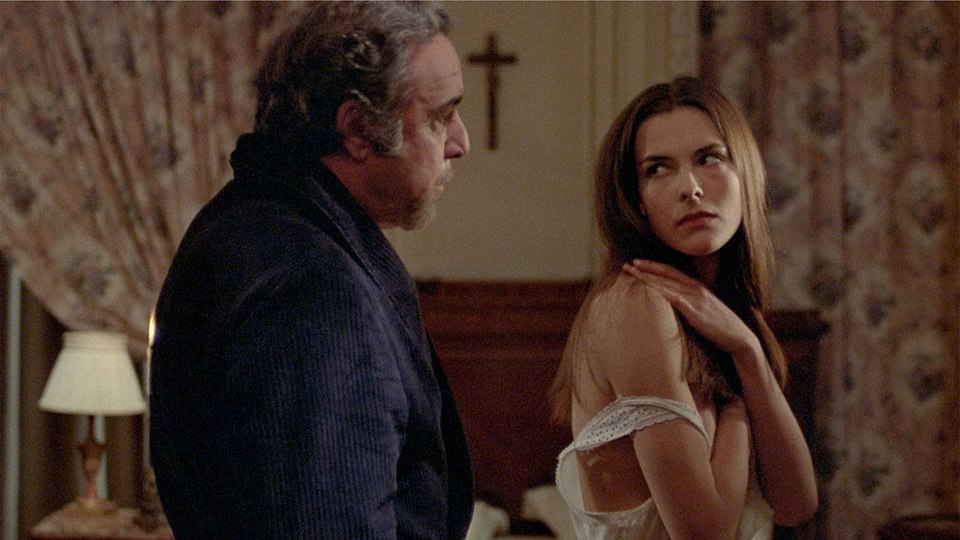
Luis Buñuel (“Viridiana”) made his last film from Pierre Louÿs’s novel “The Woman and the Puppet”, a title that says it all. A wealthy widower is captivated by his maid Conchita, played by two actresses, one flirtatious and one innocent, and his desire turns him into a joke. — On a station platform in Seville, Mathieu, a wealthy Frenchman, empties a bucket of water from the train window over a young woman. His fellow passengers want to know why, so he tells them his story. He wanted Conchita from the moment she came to work in his house, and he has kept raising his offer ever since: money, a house, his name. She accepts everything, and still she tells him no. — Nominated for Best Foreign Language Film | Oscars | 1978 Nominated for Best Adapted Screenplay | Oscars | 1978 Nominated for Best Non-English Language Film | Golden Globes | 1978
Tristana
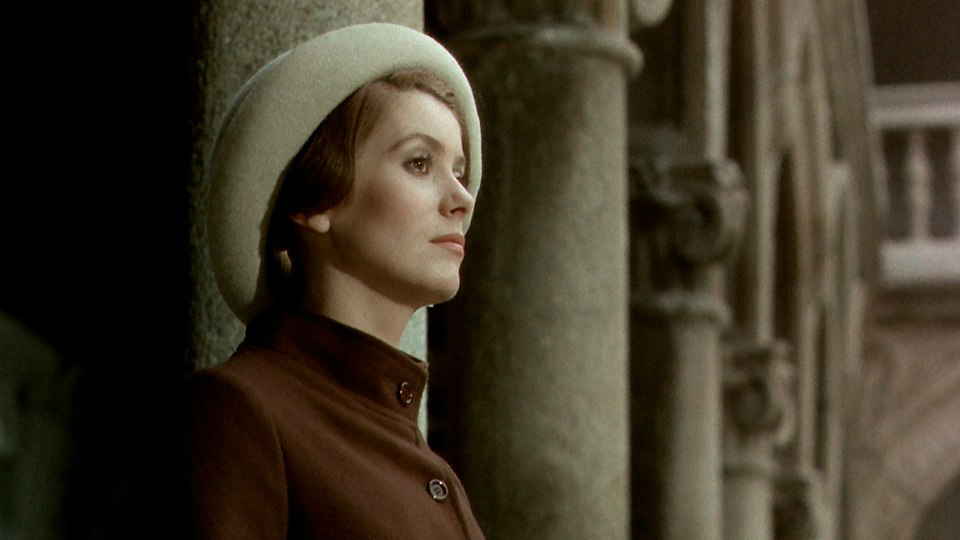
In his second film with Catherine Deneuve, Spain’s great provocateur Luis Buñuel follows an old-fashioned gentleman who exploits a young orphan. Franco’s censors rejected the script in 1963, after the “Viridiana” scandal, so it waited six years. She loses her innocence and finds her independence. — When Tristana loses her mother, she is taken in by don Lope, a nobleman the whole town respects, who treats her first as a daughter and then as a wife. His ideas about honour and women are a hundred years out of date. Tristana starts slipping out of the house and meets a young painter, Horacio, until one afternoon she doesn’t come back to don Lope’s home. — Nominated for Best Foreign Language Film | Oscars | 1971
Get free cinema tickets
Our website uses Cookies
We use cookies to offer you the best possible experience on our site.
- Necessary cookies
- Analytics cookies
- Advertisement cookies