Filmography
Jane Campion
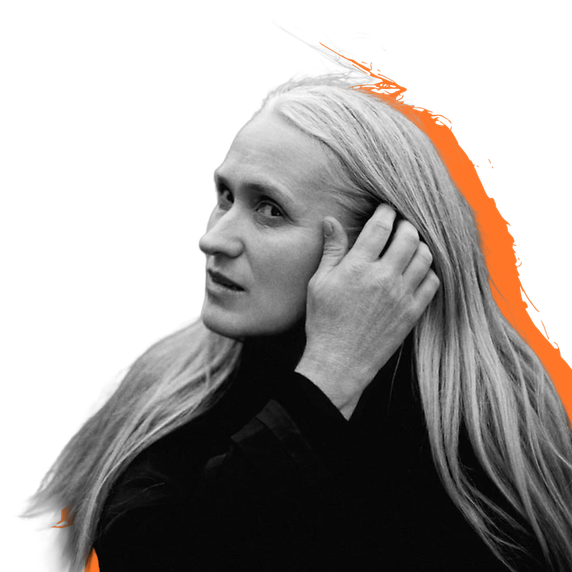
The first woman in history to win the Palme d'Or – for the legendary “The Piano” in 1993. A two-time Oscar winner. Her heroines rarely speak plainly. Touch, silence, and a glance matter more than words. Before she started making films, she studied anthropology, and she still looks at people like a researcher discovering a new species.
An Angel at My Table
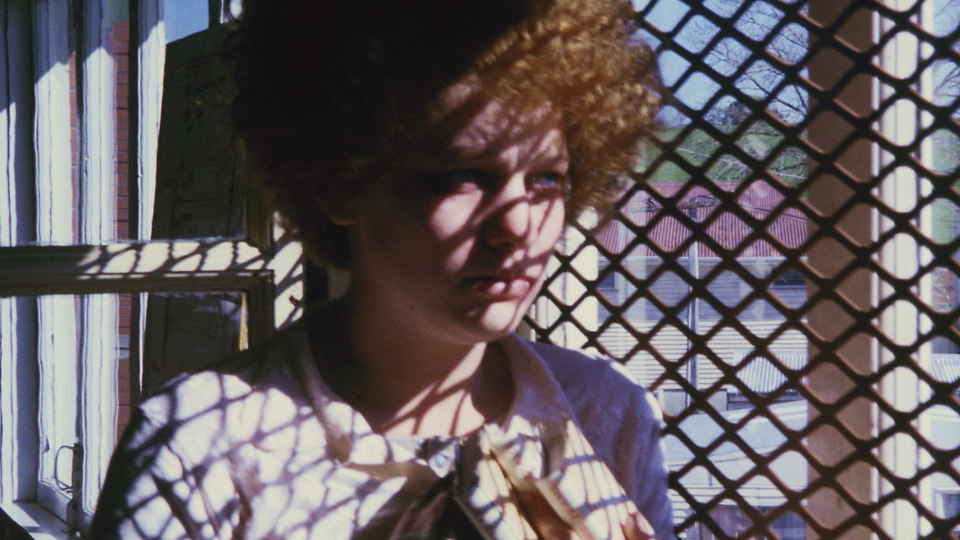
Janet Frame was a step away from a lobotomy when word came that her first collection of stories had won a prize, so the operation was called off and she was let out of hospital. Jane Campion turned her life into a painterly, intimate film that became a breakthrough and won at Venice. — In a small town in the south of New Zealand, shy Janet keeps to herself and is forever writing something down. When her sister Myrtle dies, she has no name for the grief that follows, and after she tries to take her own life, a doctor finds one for her. A single word goes into her file: schizophrenia. — Grand Special Jury Prize | Venice Film Festival | 1990 Little Golden Lion | Venice Film Festival | 1990 International Critics' Award | Toronto International Film Festival | 1990 Best Foreign Film | Film Independent Spirit Awards | 1992
The Piano
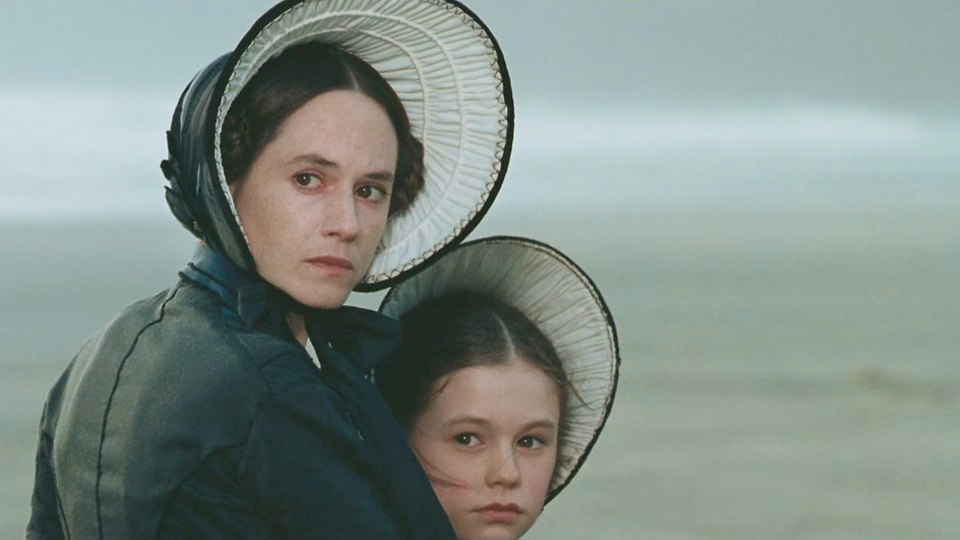
Jane Campion became the first woman ever to win the Palme d’Or at Cannes, and eleven-year-old Anna Paquin won an Oscar for the same film. Holly Hunter and Harvey Keitel circle each other in a damp New Zealand colony, where she won’t give an inch and he can’t look away. — In the mid-nineteenth century Ada, who hasn’t spoken since she was six, is sent from Scotland to New Zealand to join a husband she has never met, taking her daughter and her piano with her. Her husband leaves the piano on the beach with no intention of going back for it. A neighbour trades him a plot of land for it, then offers Ada a deal: she can win it back, one key at a time. — Palme d'Or | Cannes Film Festival | 1993 Best Actress (Holly Hunter) | Cannes Film Festival | 1993 Best Performance by an Actress in a Leading Role (Holly Hunter) | Oscars | 1994 Best Performance by an Actress in a Supporting Role (Anna Paquin) | Oscars | 1994 Best Original Screenplay | Oscars | 1994 Nominated for Best Film | Oscars | 1994 Nominated for Best Editing | Oscars | 1994 Nominated for Best Director | Oscars | 1994 Nominated for Best Cinematography | Oscars | 1994 Nominated for Best Costume Design | Oscars | 1994 Best Actress - Drama (Holly Hunter) | Golden Globes | 1994
Top of the Lake
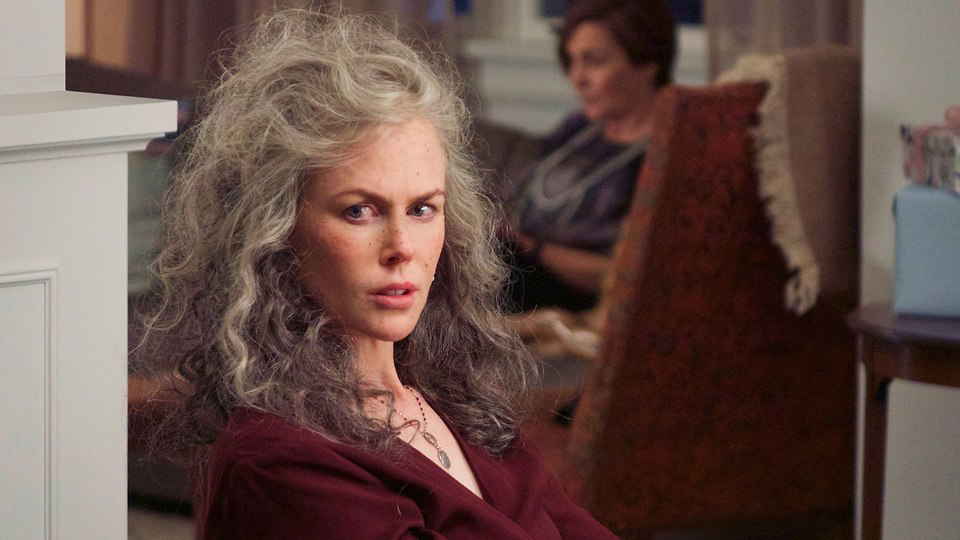
Jane Campion’s series casts Golden Globe winner Elisabeth Moss as a detective who specialises in sexual crimes, in a dense thriller that is also a slow, absorbing look at misogyny today. Her work keeps taking her to places where nobody wants to hear her questions. — Robin Griffin has come to Laketop, a picturesque lakeside town in New Zealand, to look after her dying mother. She investigates crimes against children for a living, so when a pregnant twelve-year-old girl goes missing nearby, she joins the search. The case turns out to be closer to her than she thought.
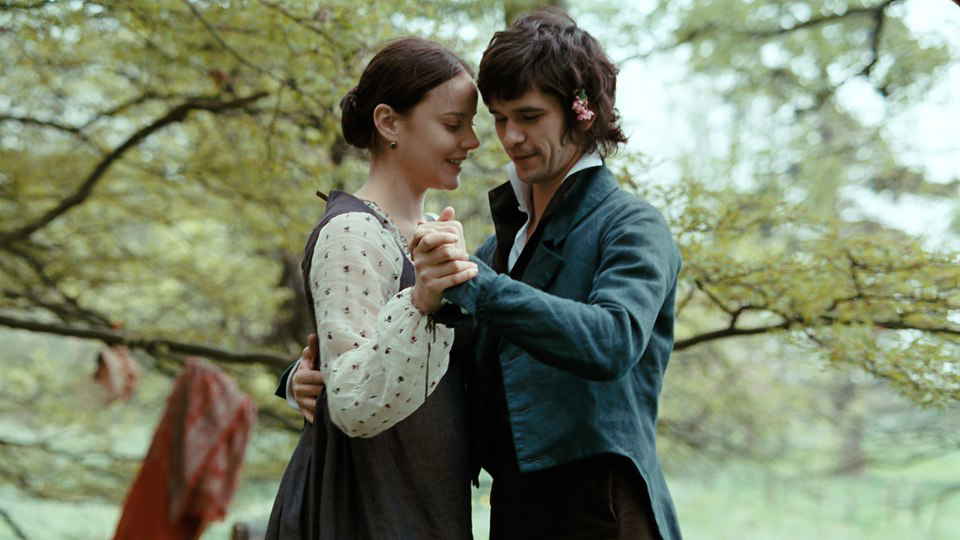
Bright Star
Fanny Brawne sews dresses and John Keats writes poems, but the people around them only count one of those as art. Jane Campion (“The Piano”) tells the story of their unhappy love from Fanny’s side, and takes the title from the sonnet he wrote with her in mind. — In Hampstead in 1818, eighteen-year-old Fanny Brawne is the most fashionable young woman for miles around. When the young poet John Keats moves in next door with his friend Brown, Keats starts teaching her how to read poetry, while Brown, who can’t stand her, mocks her at every turn. But Keats’s poems don’t earn him a penny, and marriage is out of the question. — Nominated for Best Costume Design | Oscars | 2010 Nominated for Best Costume Design | BAFTA | 2010 Nominated for Best Foreign Film | César Awards | 2011 Official Selection | Cannes Film Festival | 2009
Get free cinema tickets
Our website uses Cookies
We use cookies to offer you the best possible experience on our site.
- Necessary cookies
- Analytics cookies
- Advertisement cookies