
Palmes d'Or
The biggest collection for the biggest prize of the biggest film festival in the world. A journey through unforgettable cinematic moments and the discovery of films that defined their time. The Palmes d’Or collection brings together the most important films ever awarded the highest prize at the Cannes Film Festival.
Titles in this collection
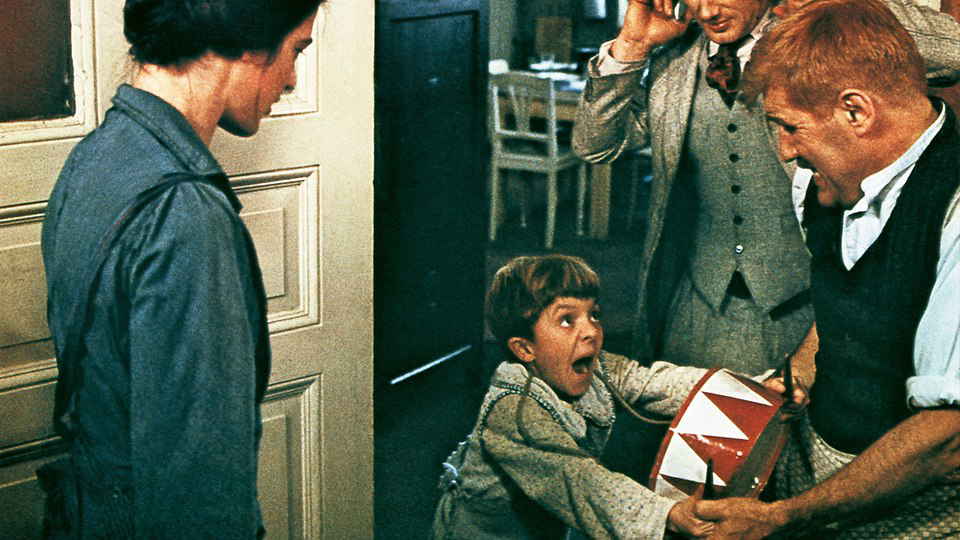
The Tin Drum
Volker Schlöndorff’s film of Nobel laureate Günter Grass’s novel shared the Palme d’Or with “Apocalypse Now” and won an Oscar. Daniel Olbrychski plays Jan Bronski, lover of little Oskar’s mother, in a Free City of Danzig where a boy beats a drum and his scream can shatter glass. — It’s the 1920s in the Free City of Danzig, and on his third birthday Oskar is given a tin drum. Around the table sit the grown-ups: his mother Agnes, her husband Alfred and her cousin Jan. The boy studies each of them in turn and decides he will never become an adult, nor grow a single centimetre more. Outside the window, flags begin to fly. — Best Foreign Language Film | Oscars | 1980 Palme d'Or | Cannes Film Festival | 1979 Nominated for Best Foreign Film | César Awards | 1980
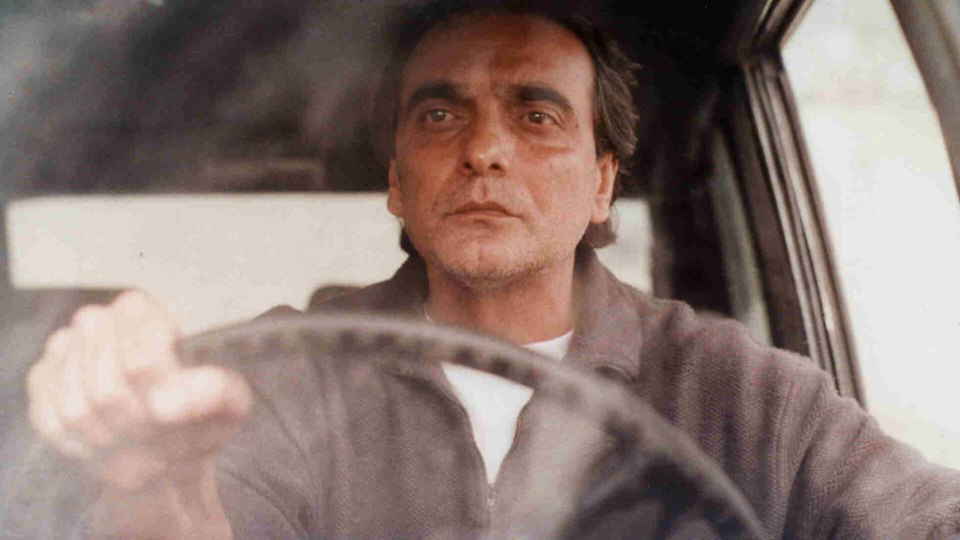
Taste of Cherry
Save this Palme d’Or winner for a day when you can’t see the point of going on. Kiarostami puts a man who has decided to die behind the wheel, and out of his long drive he builds one of the most moving films about what keeps us alive. Afterwards, even cherries taste different. — Mr Badii has decided to kill himself, and all he needs is someone to come at dawn and bury him. So he drives the hills outside Tehran, offering the job to strangers he picks up. A young soldier bolts and a seminarian refuses, but a man who works at the Natural History Museum says yes, for reasons of his own, and then he starts to talk. — Palme d'Or | Cannes Film Festival | 1997
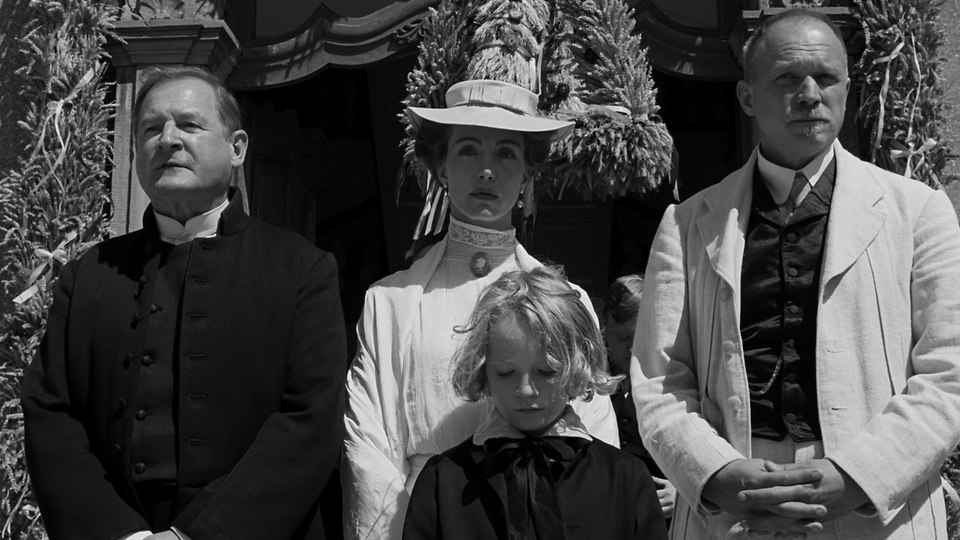
The White Ribbon
Michael Haneke went looking for the roots of fascism and won the Palme d’Or, a Golden Globe and many other awards. In a Protestant village in early 20th-century Germany, accident after accident looks less like chance, nobody will say who is behind them, and the children know more than they let on. — A year before the First World War, the doctor of a Protestant village in northern Germany is thrown when his horse trips on a wire strung across the road. More accidents follow, with no explanations, and though suspicion falls on the villagers, nobody is willing to talk. All the while the village children are watching, and they may know more than the adults are prepared to admit. — Nomination for Best Foreign Language Film | Oscars | 2010 Nomination for Best Cinematography | Oscars | 2010 Golden Palm | Cannes Film Festival | 2009 Best Foreign Language Film | Golden Globes | 2010 FIPRESCI Prize | San Sebastian Film Festival | 2009
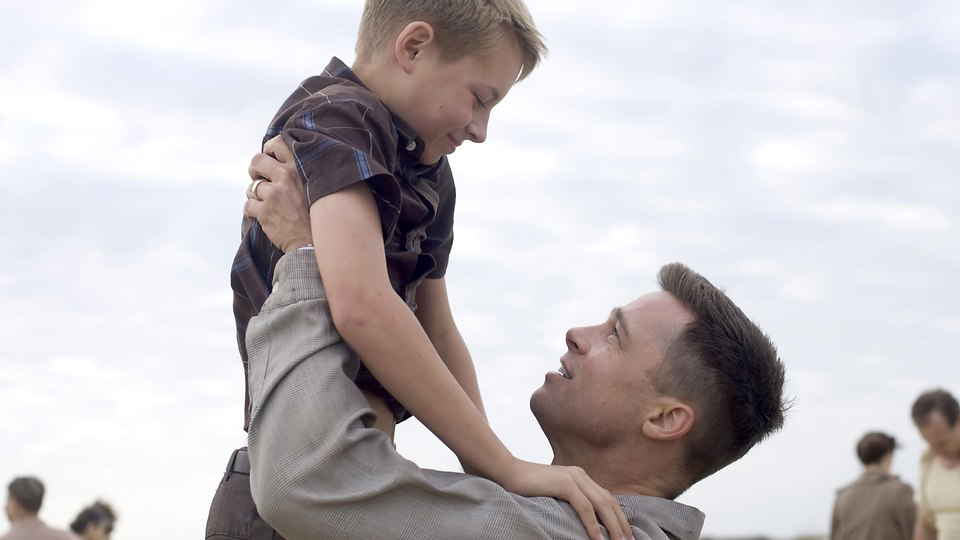
The Tree of Life
Malick’s Palme d’Or winner is about faith, family and where we came from, and for the birth of the universe he asked the man behind the famous tunnel in “2001: A Space Odyssey”, who made it from paint, milk and water. It still divides people: you give in to it or you don’t. Plus Brad Pitt. — Jack grows up as the eldest son in 1950s America, in a house where his father corrects everything and his mother forgives it all. Time and again the film leaves that house for the story of the universe being born, the first cells and the dinosaurs, and Jack, now an adult, is still arguing with his father in his head. — Palme D'Or | Cannes Film Festival | 2011 Nomination for Best Picture | Oscars | 2012 Nomination for Best Director | Oscars | 2012 Nomination for Best Cinematography | Oscars | 2012 FIPRESCI Prize | San Sebastián Film Festival | 2011
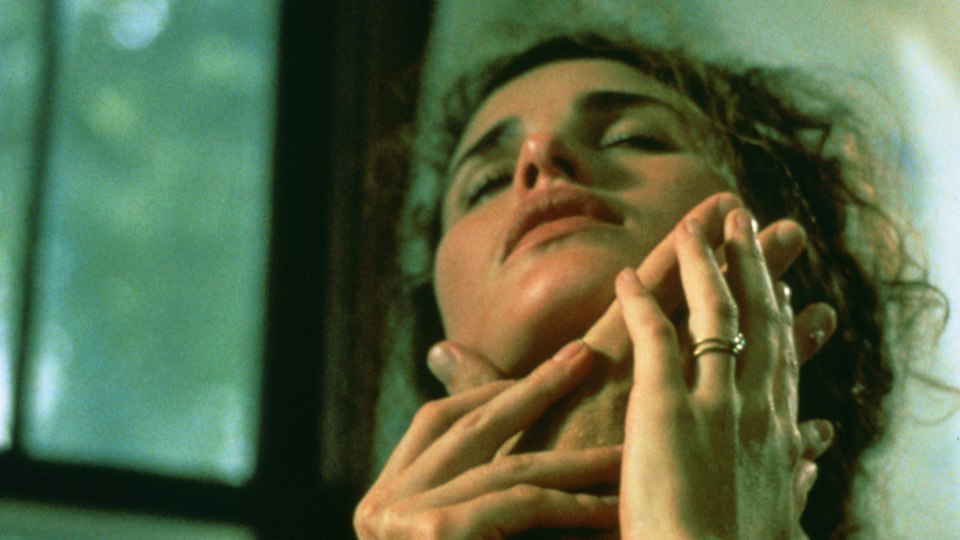
Sex, Lies, and Videotape
Steven Soderbergh was twenty-six when he won the Palme d’Or, and he’s still the youngest director ever to do it. James Spader and Andie MacDowell star in a story of four people, one video camera and some very intimate conversations that still have a lot to tell us about ourselves. — Ann tells her therapist she can’t bear her husband touching her, while John is sleeping with her sister Cynthia. Then Graham, John’s old college friend, comes back to town with a video camera in the boot of his car and stays with them for a few days. Once he has his own place, Ann pays him a visit and finds his videotapes, each labelled with a woman’s name, and Graham explains without a trace of embarrassment what he recorded on them. — Nominated for Best Original Screenplay | Oscars | 1990 Palme d'Or | Cannes Film Festival | 1989 Best Actor (James Spader) | Cannes Film Festival | 1989 FIPRESCI Prize | Cannes Film Festival | 1989 Audience Award | Sundance Film Festival | 1989 Nominated for Best Actress - Drama (Andie MacDowell) | Golden Globes | 1990 Nominated for Best Supporting Actress (Laura San Giacomo) | Golden Globes | 1990 Nominated for Best Screenplay | Golden Globes | 1990
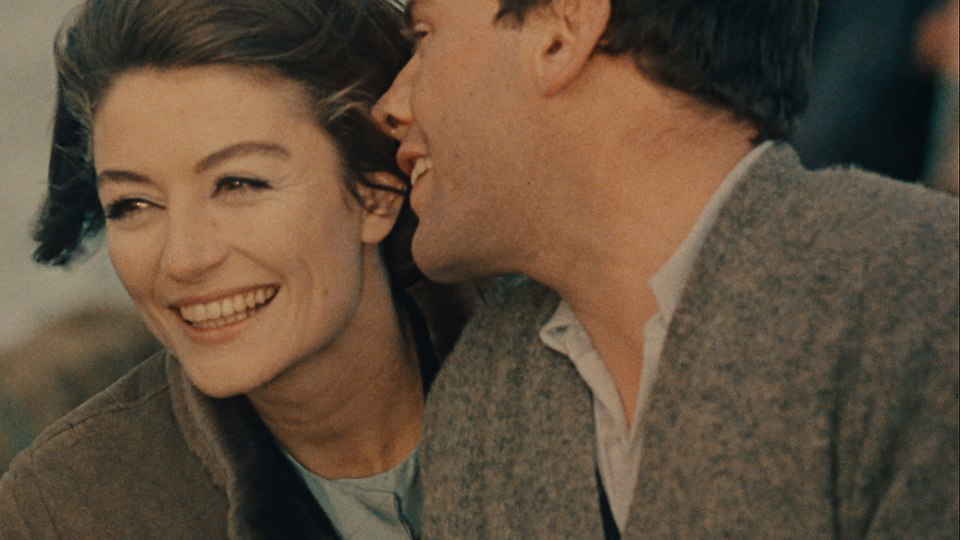
A Man and a Woman
This elegant romance won two Oscars and the Palme d’Or, and its Francis Lai melody will stay in your head for days. Two people fall for each other while unsure they’re allowed to be happy, and Lelouch went back to their story twice more. It makes you believe it’s never too late to fall in love. — On a Sunday afternoon in Deauville, Anne and Jean-Louis are taking their children back to the same boarding school, and both of them have come alone. She works in film and lost her husband, a stuntman, on set, while he races cars and is a widower too. When she misses her train, he offers to drive her to Paris. It’s a long road, and neither of them is in a hurry. — Best Foreign Language Film | Oscars | 1967 Best Original Screenplay | Oscars | 1967 Palme d'Or | Cannes Film Festival | 1966 Nominated for Best Actress in a Leading Role (Anouk Aimée) | Oscars | 1967 Nominated for Best Director | Oscars | 1967 Best Actress - Drama (Anouk Aimée) | Golden Globes | 1967 Best Non-English Language Film | Golden Globes | 1967 Nominated for Best Director | Golden Globes | 1967 Nominated for Best Original Score | Golden Globes | 1967 Nominated for Best Original Song | Golden Globes | 1967
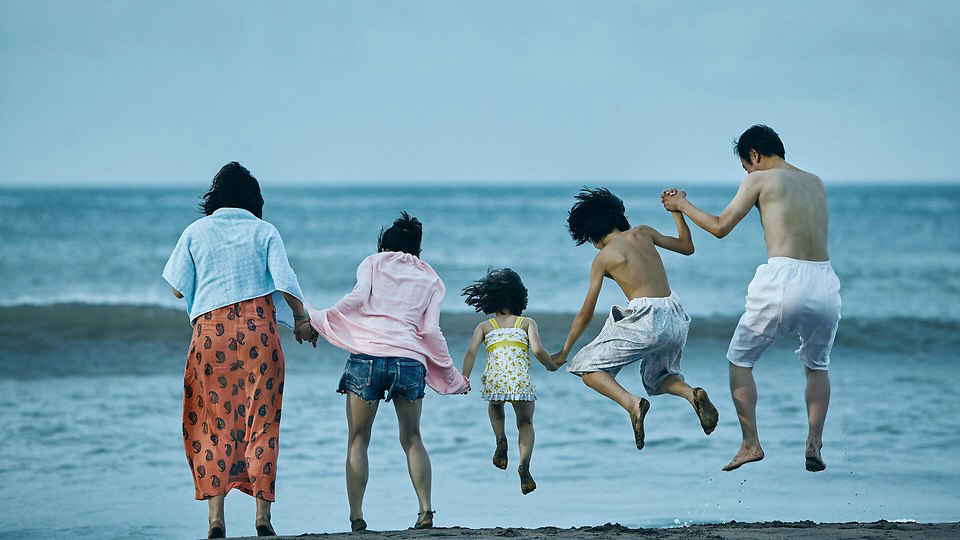
Shoplifters
It took the Palme d’Or at Cannes, even as its director was accused back home in Japan of bringing shame on his country. A family who shoplift to survive take in a child who isn’t theirs, and ending up with them is the best thing that has ever happened to her. — Fresh from another petty theft, a man and his son find a little girl out in the freezing cold, clearly chilled to the bone. His wife isn’t keen at first, but she ends up agreeing to take the girl in and look after her. Money is short and they scrape by from day to day, yet theirs is a happy home, until the day something goes wrong. — Nomination for Best Foreign Language Film | Oscars | 2019 Palme d'Or | Cannes Film Festival | 2018
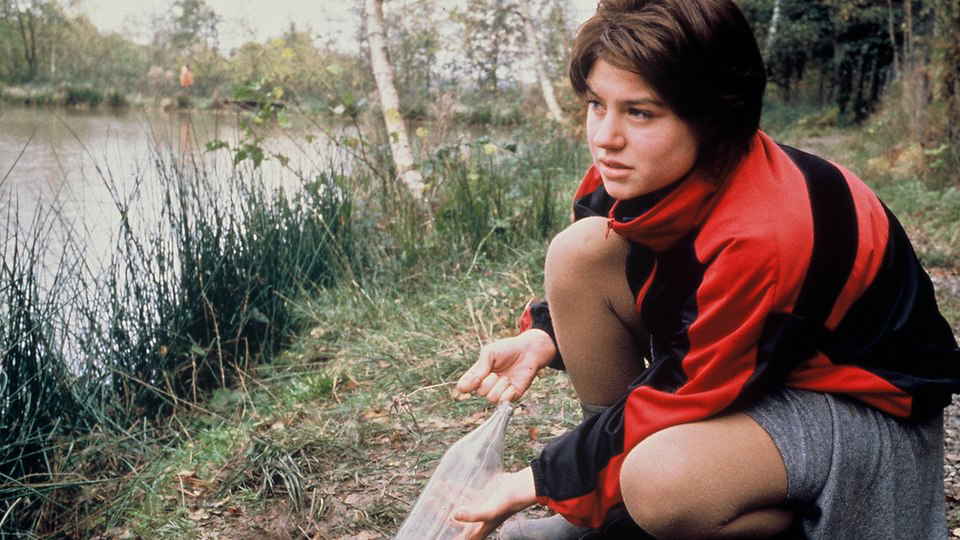
Rosetta
Rosetta will take any job she can get, and the Dardenne brothers keep the camera so close to her that her panic becomes yours. It won them the first of their two Palmes d’Or, and Belgium went on to name a youth employment law after her. — Rosetta lives in a caravan on the edge of a Belgian town with her alcoholic mother, and all she wants is work, any work, on any terms. The film is only minutes old when she loses the job she has. When Riquet from the waffle stand offers her his friendship, what she’d really like is his job. — Golden Palm | Cannes Film Festival | 1999 Best Actress Awards (Emilie Dequenne) | Cannes Film Festival | 1999
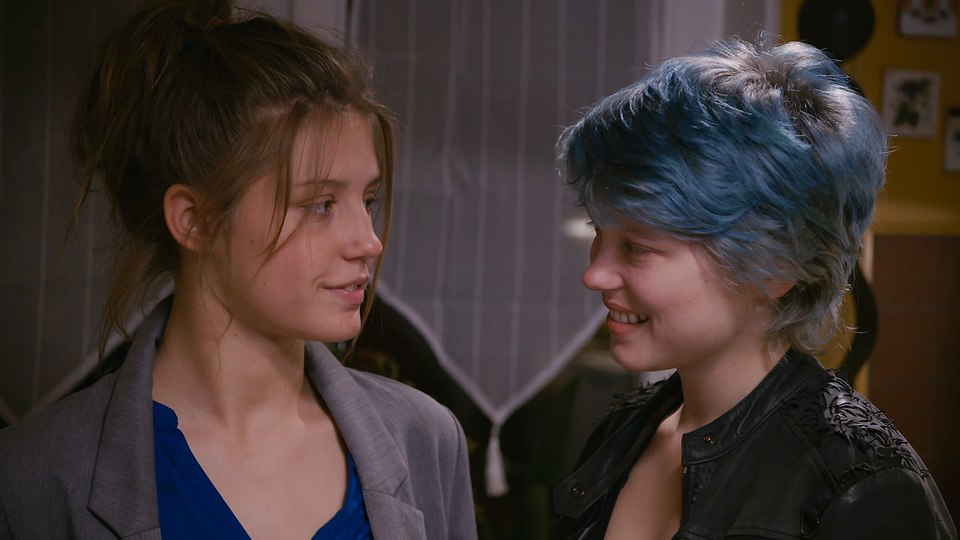
Blue Is the Warmest Color
Adèle Exarchopoulos and Léa Seydoux left Cannes in 2013 with a share of the Palme d’Or alongside their director, because for this film the jury changed its own rules. Their love story is one of the most intense of recent years, and it has become a cult film far beyond the LGBTQ+ community. — At fifteen, Adèle longs for romance and is only beginning to discover her sexuality, and a fling with a boy from her class fizzles out before it has really started. Then she meets a girl with blue hair, and her life is turned upside down. Their affair is intense, full of love and erotic passion, and the girl awakens Adèle to desire and pleasure and helps her see who she could become as a woman. — Palme d'Or | Cannes Film Festival | 2013 FIPRESCI Prize | San Sebastián International Film Festival | 2013
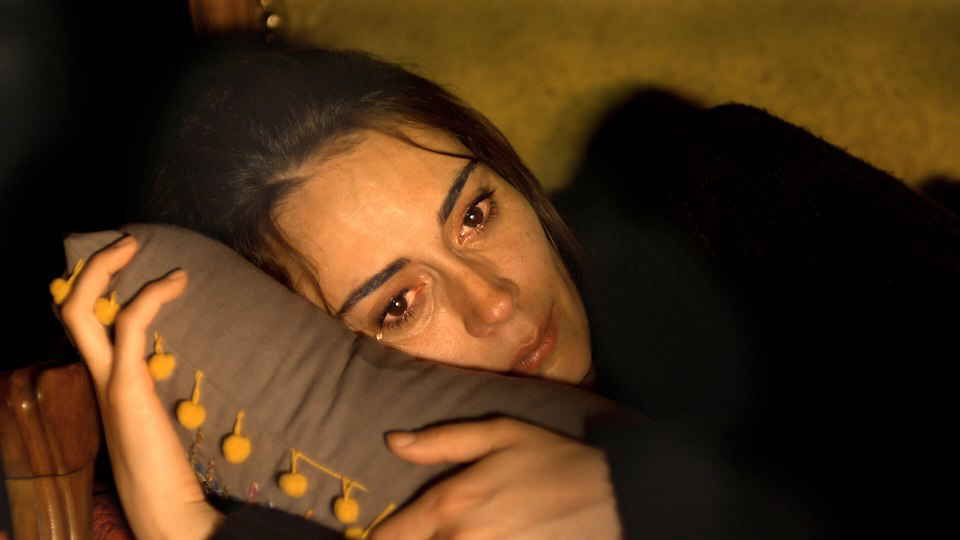
Winter Sleep
Nuri Bilge Ceylan (“Distant”) and his wife wrote this Palme d’Or winner together, moving Chekhov to a hotel carved into the rock of Cappadocia, and Variety called it the least boring 196-minute film ever made. In that hotel lives a husband who always has to be right. — In the mountains of central Anatolia in Turkey, just before the first snow, former actor Aydin runs a small hotel cut into the hillside with his young wife Nihal and his sister Necla, who is still getting over her divorce. He’s wealthy, writes columns for the local paper and has no idea how the people around him actually live. When the snow comes, the hotel stops being a refuge and becomes the one place nobody can get out of. — Palme d'Or | Cannes Film Festival | 2014 FIPRESCI Award | Cannes Film Festival | 2014 Official Selection | San Sebastián International Film Festival | 2014 Official Selection | Hellenic Film Academy Awards | 2016
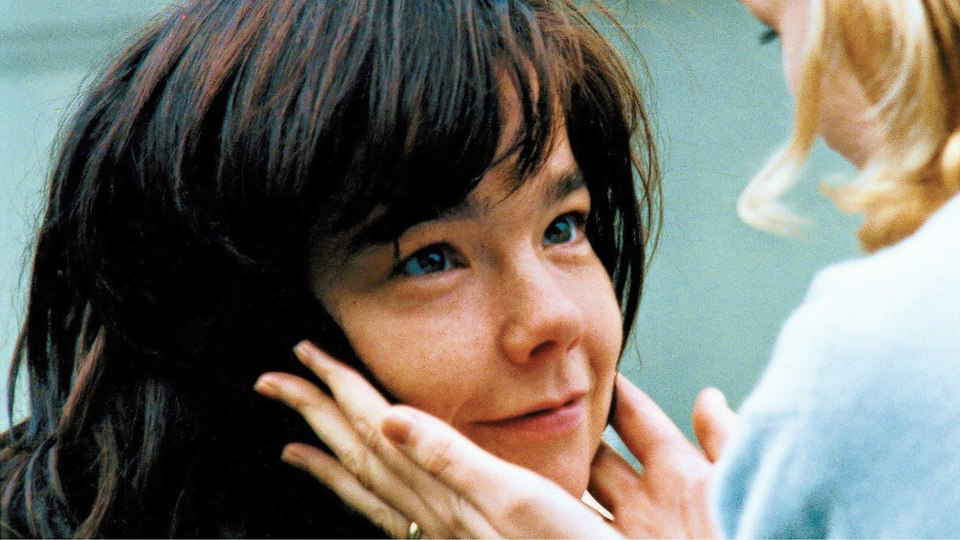
Dancer in the Dark
A musical by Lars von Trier could only be a radical deconstruction of the genre and a merciless clash between the magic of song and the brutality of social injustice. It earned the Danish provocateur the only Palme d’Or of his career and gave Björk the performance of a lifetime. — A Czech immigrant and single mother working in an American factory is gradually losing her sight. Fearing her son will inherit the same condition, she secretly puts money aside for the operation that could spare him. When a neighbour falsely accuses her of theft, the fragile balance of her life collapses. — Nominated for Best Original Song | Oscars | 2001 Best Actress (Björk) | Cannes Film Festival | 2000 Palme d'Or | Cannes Film Festival | 2000
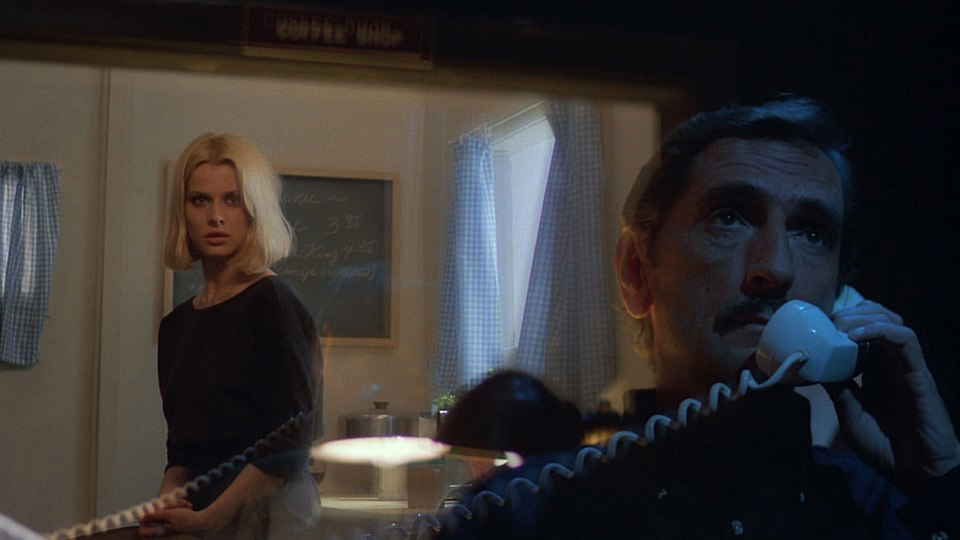
Paris, Texas
A silent man walks out of the Texas desert in search of his wife in the cult road movie that Wim Wenders began shooting with only half a script, and which went on to win the Palme d’Or. It’s a portrait of a lonely America, where Nastassja Kinski in a pink sweater stands for something we’ve all lost. — Silent and apparently without a memory, a man wanders through Texas in punishing heat until he is found unconscious in the desert. His brother, who gave him up for dead years ago, takes him home to the boy he and his wife have been raising, the man’s own son. He won’t say where he has been all this time, and all he wants is to find his wife and take the boy with him. — FIPRESCI Prize | Cannes Film Festival | 1984 Palme d'Or | Cannes Film Festival | 1984 Prize of the Ecumenical Jury | Cannes Film Festival | 1984
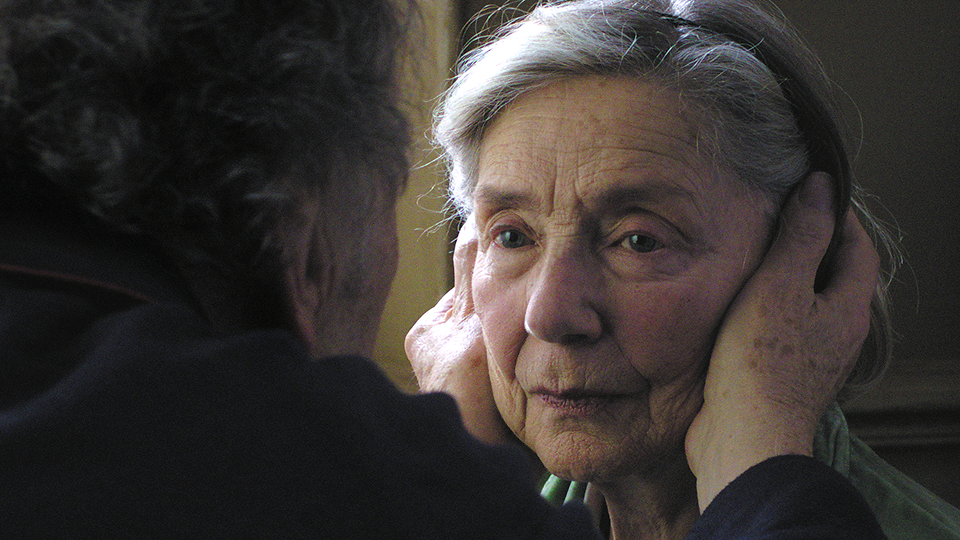
Amour
Haneke won the Palme d’Or and an Oscar for his most tender film. Jean-Louis Trintignant (“Three Colours: Red”) and Emmanuelle Riva (“Hiroshima mon amour”) play a couple whose love has weathered everything, until it comes up against the one thing nothing and nobody can defeat. — Georges and Anne are retired music teachers in their eighties who have been together for decades and have lived in the same Paris flat for many years. Then one morning at breakfast, Anne stops in mid-sentence and stares blankly into space. From then on her memory begins to fade, taking with it the life the two of them have built together. — Best Foreign Language Film | Oscars | 2013 Palme d'Or | Cannes Film Festival | 2012 Best Actress (Emmanuelle Riva) | BAFTA Awards | 2013 Best European Director | European Film Awards | 2013 Best Foreign Language Film | Golden Globes | 2013 FIPRESCI Prize | San Sebastian Film Festival | 2012
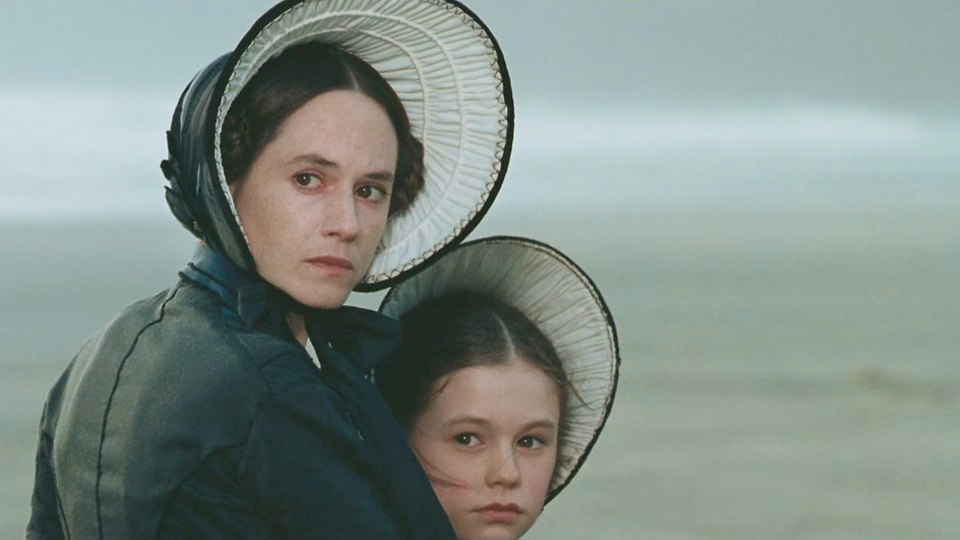
The Piano
Jane Campion became the first woman ever to win the Palme d’Or at Cannes, and eleven-year-old Anna Paquin won an Oscar for the same film. Holly Hunter and Harvey Keitel circle each other in a damp New Zealand colony, where she won’t give an inch and he can’t look away. — In the mid-nineteenth century Ada, who hasn’t spoken since she was six, is sent from Scotland to New Zealand to join a husband she has never met, taking her daughter and her piano with her. Her husband leaves the piano on the beach with no intention of going back for it. A neighbour trades him a plot of land for it, then offers Ada a deal: she can win it back, one key at a time. — Palme d'Or | Cannes Film Festival | 1993 Best Actress (Holly Hunter) | Cannes Film Festival | 1993 Best Performance by an Actress in a Leading Role (Holly Hunter) | Oscars | 1994 Best Performance by an Actress in a Supporting Role (Anna Paquin) | Oscars | 1994 Best Original Screenplay | Oscars | 1994 Nominated for Best Film | Oscars | 1994 Nominated for Best Editing | Oscars | 1994 Nominated for Best Director | Oscars | 1994 Nominated for Best Cinematography | Oscars | 1994 Nominated for Best Costume Design | Oscars | 1994 Best Actress - Drama (Holly Hunter) | Golden Globes | 1994
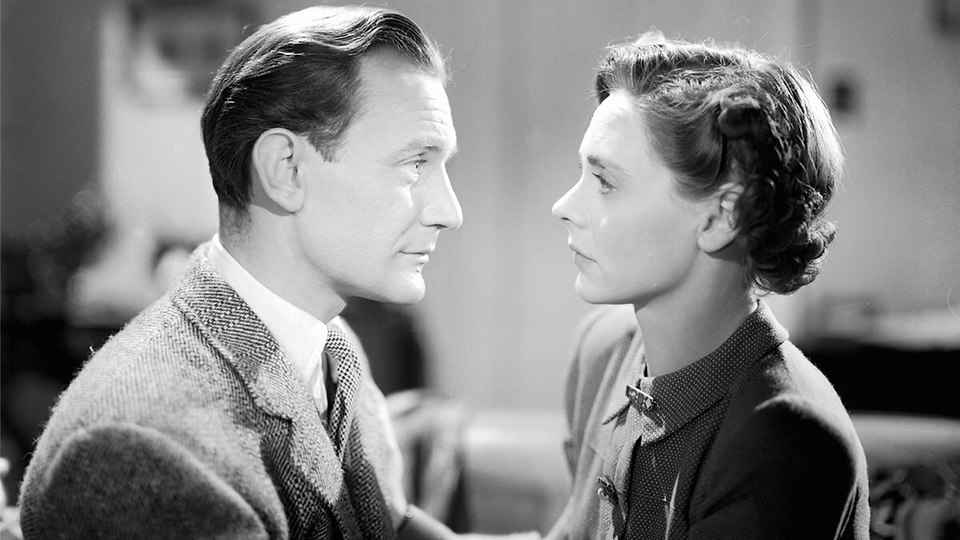
Brief Encounter
When this cult classic was first shown, the audience laughed at the love scenes and David Lean wanted to burn the negatives, yet decades later it hasn’t aged a day. A married woman and a married man meet by chance in a station refreshment room, and from then on they come back every Thursday. — Laura is waiting for her train home in a station refreshment room one Thursday afternoon when a speck of soot gets into her eye, and the doctor at the next table takes it out for her. She has a husband and he has a wife. By the following Thursday, they’re both back at the station. — Grand Prize of the Festival | Cannes Film Festival | 1946 Nominated for Best Actress in a Leading Role (Celia Johnson) | Oscars | 1947 Nominated for Best Director | Oscars | 1947 Nominated for Best Screenplay | Oscars | 1947
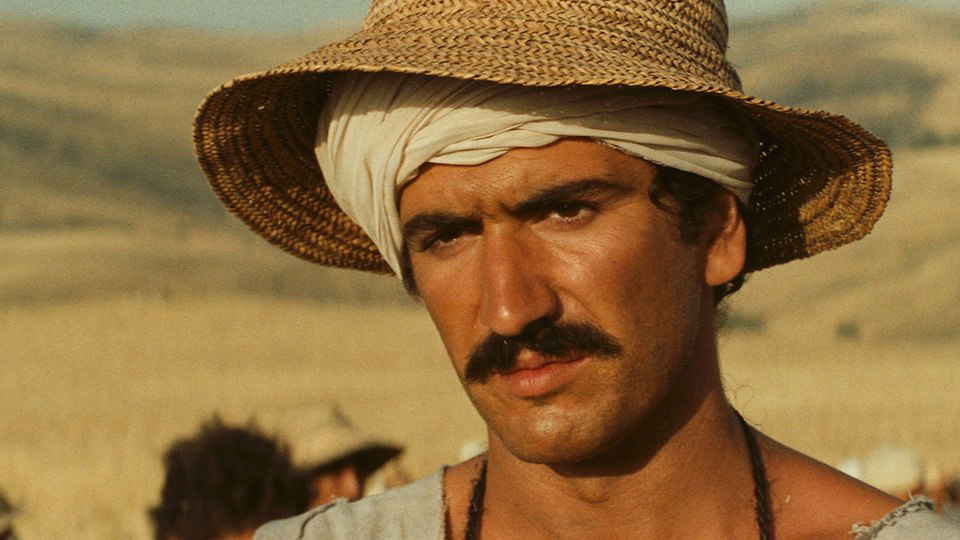
Chronicle of the Years of Fire
Its Palme d’Or came in 1975, and half a century later it’s still the only African film ever to win it. Martin Scorsese’s Film Foundation helped restore all three hours of this epic of Algerian history, in which Mohammed Lakhdar-Hamina, having lost his actor, played the village madman himself. — Drought drives Ahmed from his village in 1939 Algeria to a town where colonial power is much closer at hand. Then come the French army, a quarry and fifteen years of small humiliations, until the peasant has become a man who has chosen a side. His son is watching. — Palme d'Or | Cannes Film Festival | 1975
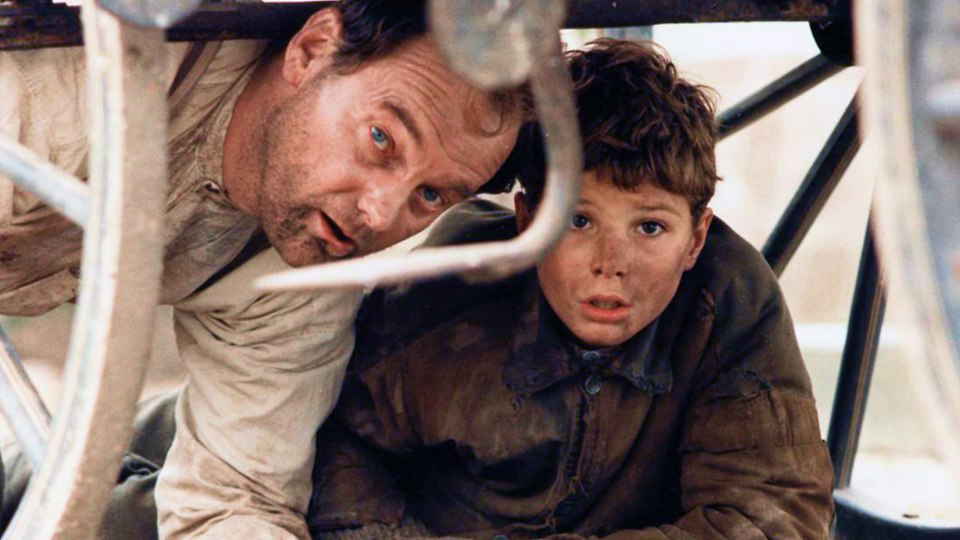
Pelle the Conqueror
Winner of the Palme d’Or, an Oscar and a Golden Globe, and one of Ingmar Bergman’s favourite films, this adaptation of a classic Danish novel earns the word epic. A Swedish father and son move to a Danish island full of disappointments, but the boy keeps on believing. — In late nineteenth-century Bornholm, an elderly Swedish widower comes ashore with his young son looking for work, but nobody will take him on until the island’s biggest farm reluctantly does. Lasse is put in charge of the cows, and father and son are given a bed right beside them. Little Pelle herds cattle and learns Danish, even though the local children make him prove his courage by pushing him out onto an ice floe. — Best Foreign Language Film | Oscars | 1989 Palme d'Or | Cannes Film Festival | 1988 Nominated for Best Performance by an Actor in a Leading Role (Max von Sydow) | Oscars | 1989 Best Non-English Language Film | Golden Globes | 1989 Best Actor (Max von Sydow) | European Film Awards | 1988 Nominated for Best Film | European Film Awards | 1988
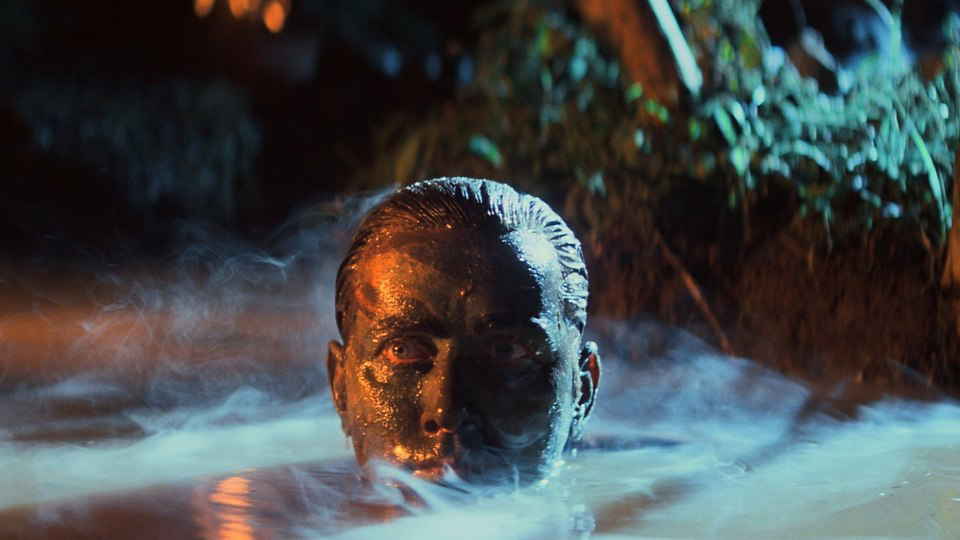
Apocalypse Now
You’ll love the smell of napalm in the morning. Francis Ford Coppola moved Joseph Conrad’s “Heart of Darkness” to Vietnam and sent Martin Sheen into a hell with Marlon Brando at its centre. The shoot was a disaster, but it gave the world a legend, a Palme d’Or and eight Oscar nominations. — Captain Willard is carrying out an order that officially doesn’t exist: travel upriver into Cambodia and kill Colonel Kurtz, a Special Forces officer who has turned against the army and stands accused of murder. Willard boards a Navy patrol boat, and with every mile he drifts further from anything he recognises. Kurtz is still somewhere ahead. — Palme d'Or | Cannes Film Festival | 1979 FIPRESCI Prize | Cannes Film Festival | 1979 Best Cinematography | Oscars | 1980 Best Sound | Oscars | 1980 Nominated for Best Film | Oscars | 1980 Nominated for Best Editing | Oscars | 1980 Nominated for Best Director | Oscars | 1980 Nominated for Best Performance by an Actor in a Supporting Role (Robert Duvall) | Oscars | 1980 Nominated for Best Adapted Screenplay | Oscars | 1980 Nominated for Best Production Design | Oscars | 1980
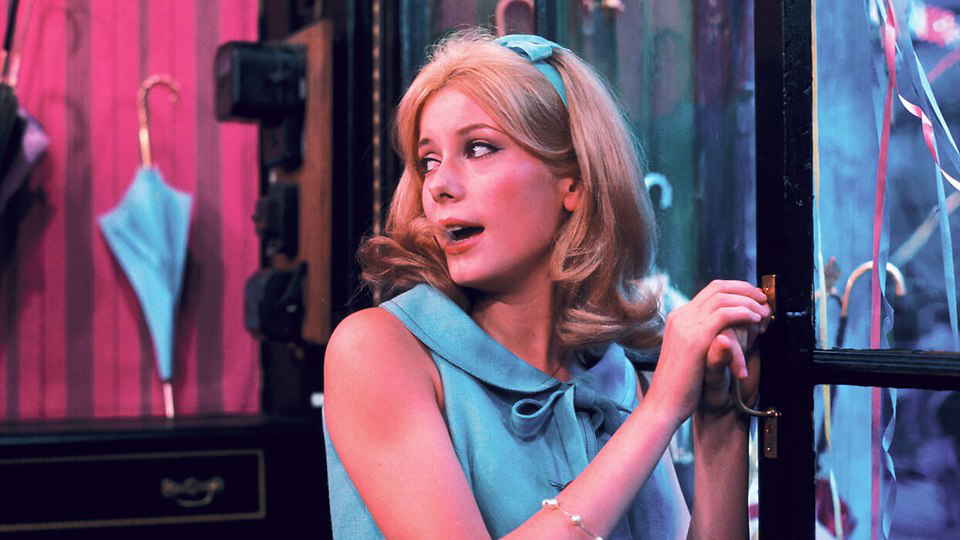
The Umbrellas of Cherbourg
Nobody speaks in Jacques Demy’s Palme d’Or winner. Every word is sung to Michel Legrand’s music, right down to the small talk in a car repair garage, and with a twenty-year-old Catherine Deneuve at its heart, it’s the kind of film that shows you why people love cinema. — Geneviève, who lives above her mother’s umbrella shop in Cherbourg, is in love with Guy, a twenty-year-old mechanic, and the two are secretly planning to marry over her mother’s objections. Then Guy is called up and sent to Algeria, and Geneviève discovers she’s pregnant. Her mother’s advice is to say yes to a wealthy merchant who has asked for her hand. — Nominated for Best Foreign Language Film | Oscars | 1965 Nominated for Best Original Song | Oscars | 1966 Palme d'Or | Cannes Film Festival | 1964 OCIC Award | Cannes Film Festival | 1964
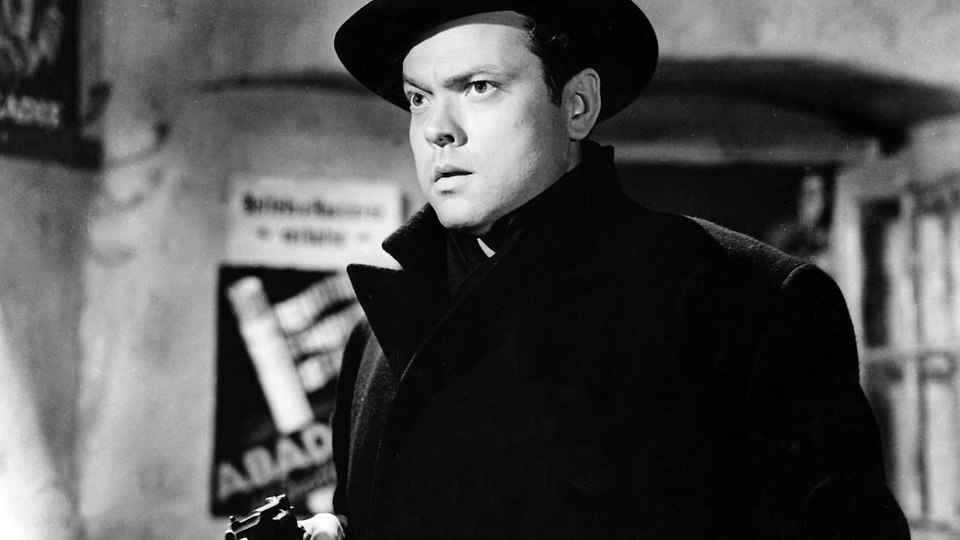
The Third Man
It won at one of the very first Cannes festivals, earned Carol Reed an Oscar nomination, and every film noir since has been measured against it. Mystery hangs over the ruins of post-war Vienna, and Orson Welles, on screen for little more than ten minutes, is the one you remember. — Four occupying armies have carved up the ruins of post-war Vienna when Holly Martins, a writer of cheap cowboy novels, arrives at the invitation of his old friend Harry Lime. There he learns that Harry died a few days earlier. At the funeral everyone tells him the same story, except that the details don’t match. — Best Cinematography | Oscars | 1951 Best British Film | BAFTA | 1950 Grand Jury Prize | Cannes Film Festival | 1949
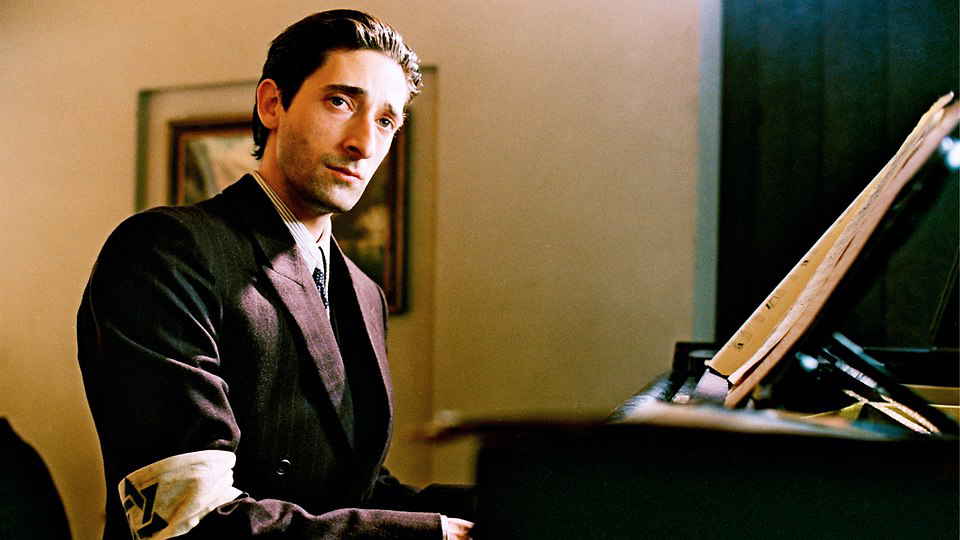
The Pianist
Roman Polański’s film about a Jewish musician in the Warsaw Ghetto won Oscars, Césars and the Palme d’Or, and Adrien Brody’s performance is as hard to forget as Wojciech Kilar’s score. In September 1939 Szpilman is playing Chopin live on the radio, and alongside the piano you can hear the bombs. — In September 1939, Władysław Szpilman is playing Chopin in Warsaw when bombs hit the radio studio. The city’s Jews are forced into the ghetto, where Szpilman finds work playing piano in a café, but in 1942 his family is loaded onto a train heading east. Someone pulls him out of the line. — Best Performance by an Actor in a Leading Role (Adrien Brody) | Oscars | 2003 Best Director | Oscars | 2003 Best Adapted Screenplay | Oscars | 2003 Palme d'Or | Cannes Film Festival | 2002 Nominated for Best Film | Oscars | 2003 Nominated for Best Editing | Oscars | 2003 Nominated for Best Cinematography | Oscars | 2003 Nominated for Best Costume Design | Oscars | 2003 Best European Film | Golden Globes | 2003 Best Film | Eagles - Polish Film Awards | 2003
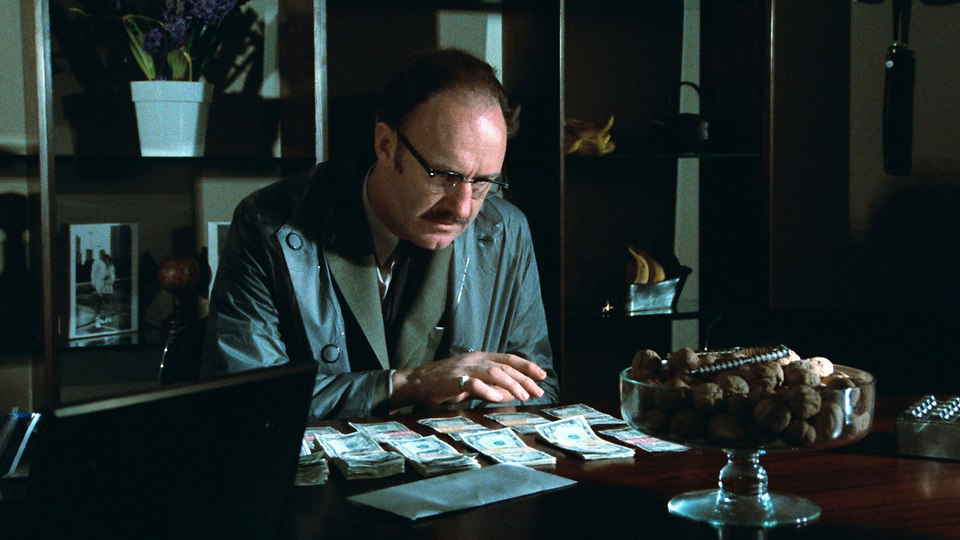
The Conversation
Coppola made it between the two parts of “The Godfather” and won the Palme d’Or. Gene Hackman is the man in headphones who trusts nobody, not even himself, whose wiretaps feed his paranoia and whose conscience wakes at the worst moments. Afterwards, the saxophone stays in your ears. — In a San Francisco gripped by conspiracy theories, Harry Caul makes his living listening in on other people’s conversations, and there isn’t much else to his life. When the head of a big corporation hires him to record a young couple walking through a crowded square, he finds himself playing the tape back over and over, because there’s more on it than first appears. — Palme D'Or | Cannes Film Festival | 1974 Nomination for Best Picture | Oscars | 1975 Nomination for Best Original Screenplay | Oscars | 1975 Nomination for Best Sound | Oscars | 1975 Best Editing | BAFTA Awards | 1975 Best Soundtrack | BAFTA Awards | 1975
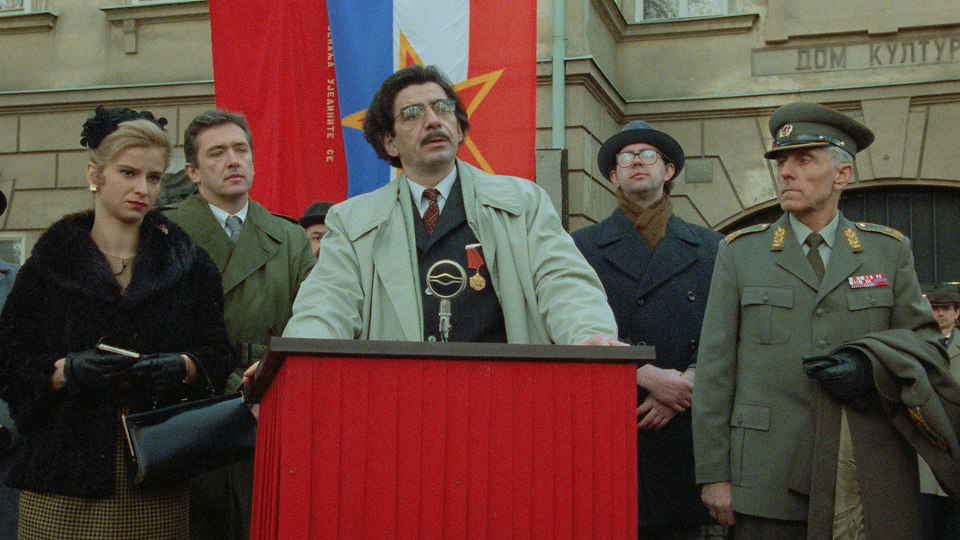
Underground
A brass band tears through Belgrade and won’t stop until it drops, as Emir Kusturica, in the film that won him his second Palme d’Or, plays fifty years of Yugoslavia as one long, very drunken wedding. Only after a while do you see the darkness closing in, and it’s just as loud and chaotic. — On 6 April 1941 German bombs rain down on Belgrade, and Marko and Blacky join the communist resistance. Marko turns his grandfather’s cellar into an arms store, and before long he’s hiding people down there too. Blacky’s wife dies underground giving birth to his son. Marko stays upstairs, and keeps telling everyone in the cellar that the war is still going on. — Palme d'Or | Cannes Film Festival | 1995 Nominated for Best Foreign Film | César Awards | 1996 Nominated for Best Foreign Film | Film Independent Spirit Awards | 1998
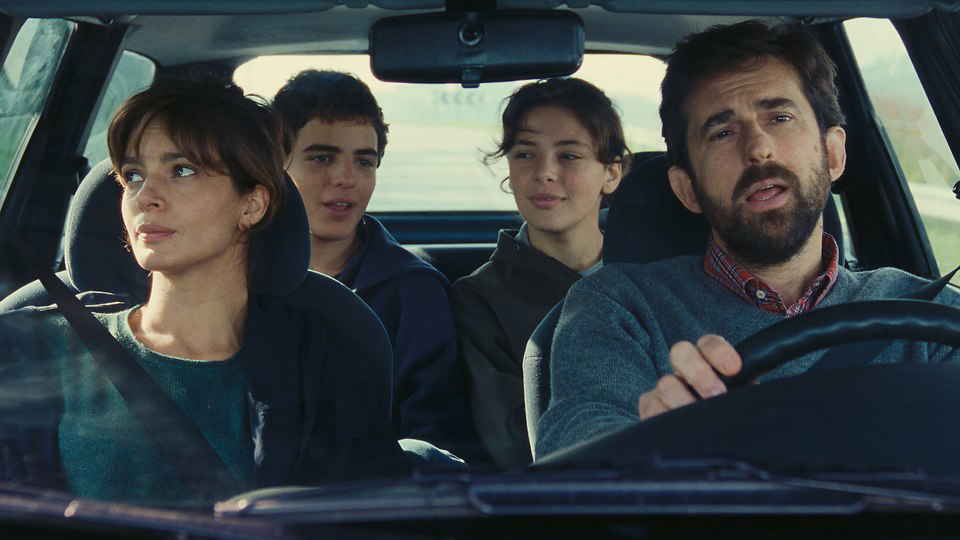
The Son's Room
Nanni Moretti directed it, played the lead and co-wrote the script, and the film he drove from start to finish won him the Palme d’Or at Cannes. A therapist loses his son, and the troubles his patients bring him start to matter less and less. — Giovanni is a therapist with no shortage of other people’s misery to deal with, while at home his wife, daughter and son are waiting and everything is more or less fine. That lasts until the day his son goes diving with friends and doesn’t come back. Giovanni sits down in his consulting room again and listens, but suddenly other people’s problems weigh nothing at all. — Palme d'Or | Cannes Film Festival | 2001 FIPRESCI Prize | Cannes Film Festival | 2001 Best Female Newcomer (Jasmine Trinca) | Golden Globes | 2001 Nominated for Best Actress (Laura Morante) | Golden Globes | 2001 Nominated for Best European Actress (Laura Morante) | European Film Awards | 2001 Nominated for Best European Film | European Film Awards | 2001 Nominated for Best Foreign Film | César Awards | 2002
Get free cinema tickets
Our website uses Cookies
We use cookies to offer you the best possible experience on our site.
- Necessary cookies
- Analytics cookies
- Advertisement cookies