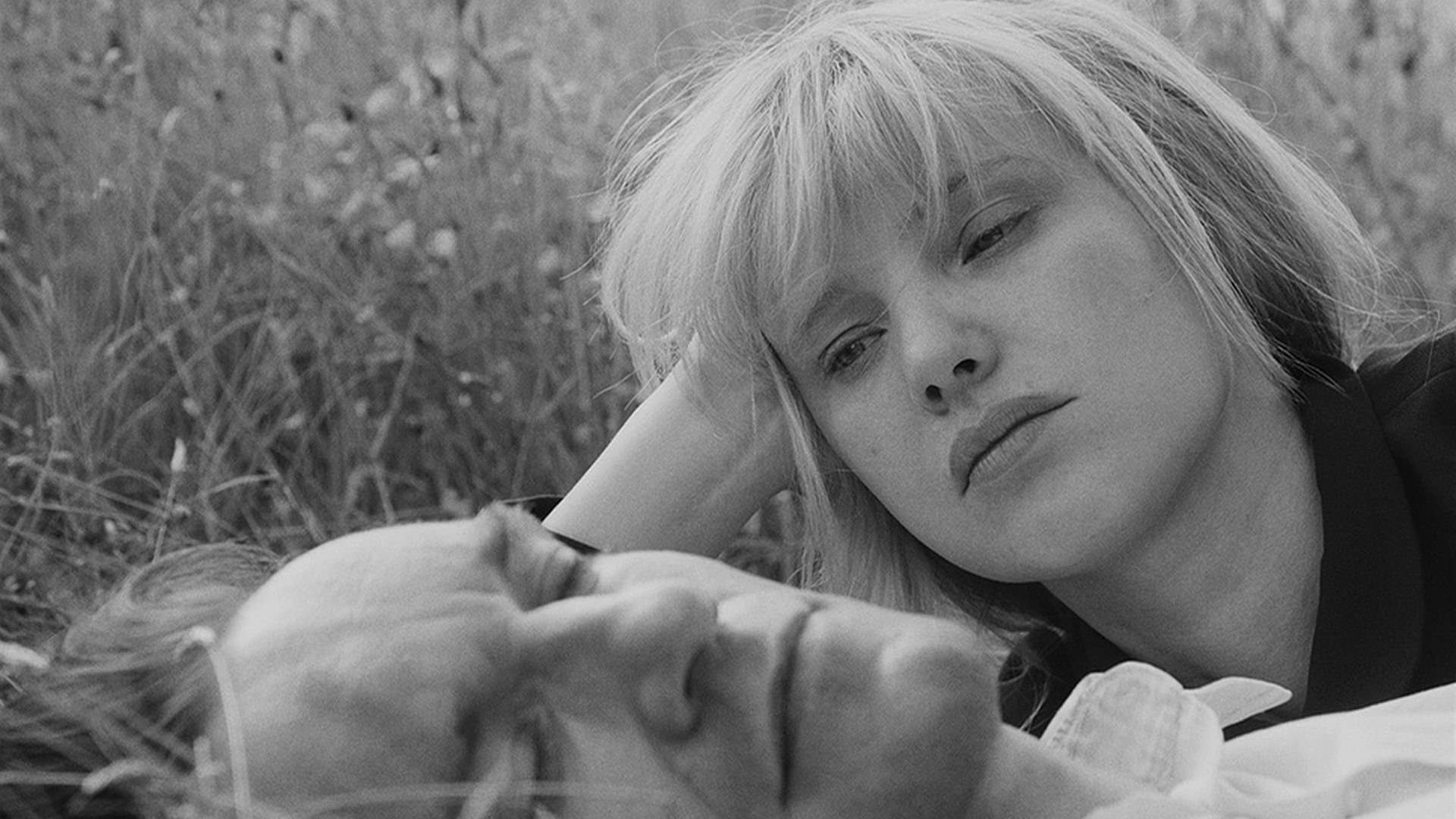
Polish Cinema
Acclaimed titles from Polish cinema of the past two decades - from Oscar nominees and Gdynia Film Festival winners to exciting new voices worth discovering. The collection also features a selection of legendary international productions by Agnieszka Holland, Jerzy Skolimowski, and Andrzej Żuławski, available to stream in Poland for the very first time.
Titles in this collection
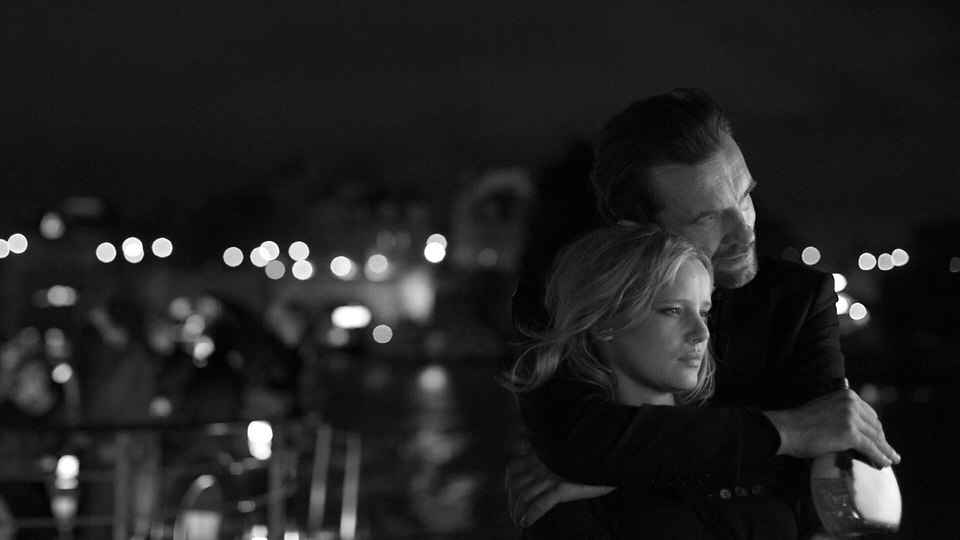
Cold War
Joanna Kulig and Tomasz Kot are two people who can neither live together nor leave each other alone, in a post-war Europe shot in black and white. The melodrama won Paweł Pawlikowski (“Ida”) Best Director at Cannes, earned three Oscar nominations and took the whole world by storm. — Zula and Wiktor meet among the ruins of post-war Poland and fall into a love that neither of them can escape. Over the years of the Cold War it pulls them through Poland, France, Germany and Yugoslavia, while politics, their own failings and a run of bad luck keep tearing them apart, only to bring them back together. — Nominated for Best Foreign Language Film | Oscars | 2019 Nominated for Best Achievement in Directing | Oscars | 2019 Nominated for Best Achievement in Cinematography | Oscars | 2019 Best Director | Cannes Film Festival | 2018
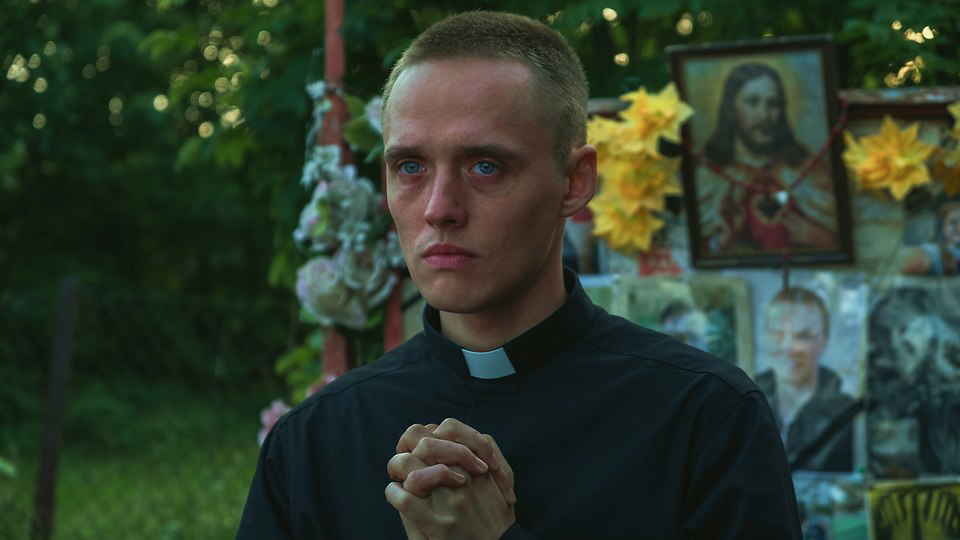
Corpus Christi
Jan Komasa’s film about a young man from juvenile detention who passes himself off as a priest was nominated for an Oscar and won a record number of Eagles. Bartosz Bielenia preaches sermons this village has never heard, from a script by Mateusz Pacewicz without a false note. — Daniel is twenty, has a homicide conviction and one dream, to become a priest, which with his record is out of the question. Arriving in a small town to start a new job, he walks straight into the church instead and introduces himself as a priest, and the local priest leaves him in charge. The locals are still grieving an accident that killed several young people, and Daniel starts asking about it. — Nominated for Best International Feature Film | Oscars | 2020 Official Selection - Giornate degli Autori | Venice Film Festival | 2019 Nominated for Best European Actor (Bartosz Bielenia) | European Film Awards | 2020 Best Film | Eagles - Polish Film Awards | 2020 Best Feature Film | Polish Film Festival | 2019 Best Director | Polish Film Festival | 2019 Best Supporting Actress (Eliza Rycembel) | Polish Film Festival | 2019 Best Screenplay | Polish Film Festival | 2019 Audience Award | Polish Film Festival | 2019
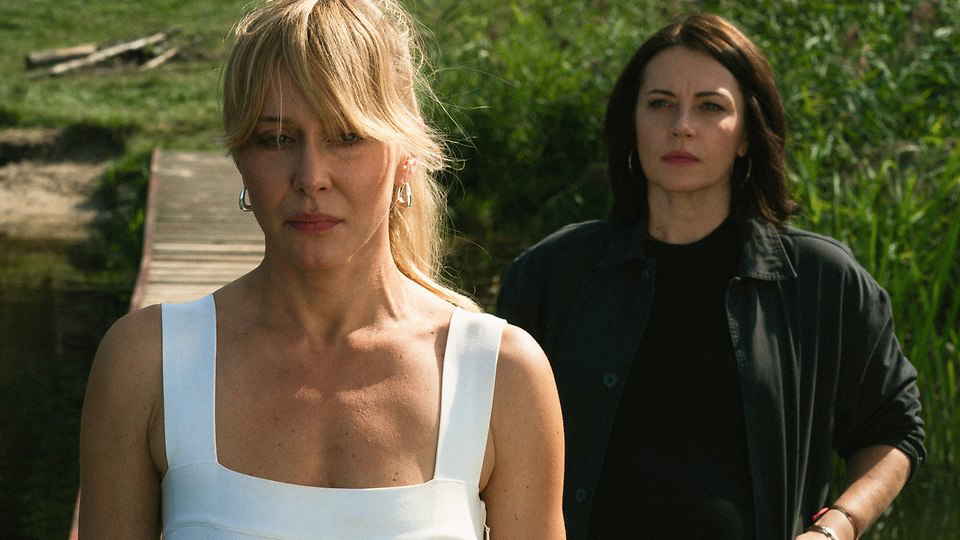
Travel Essentials
Kamila Tarabura’s assured debut has already made its mark on Polish independent cinema. Katarzyna Warnke, who co-wrote the script, plays the woman who never left their small town, while Dagmara Domińczyk is the one who got as far away as she could, and you’ll watch with a lump in your throat. — Ada left Poland long ago and has made her life in Hamburg. Then a book arrives from Roksana, the friend she grew up with, and Ada discovers it’s about the violence they both went through as girls. The two women get in a car and drive back to the town where they grew up, to ask Roksana’s mother what she knew. — Sapphire Lions | Polish Film Festival | 2024
The Last Family
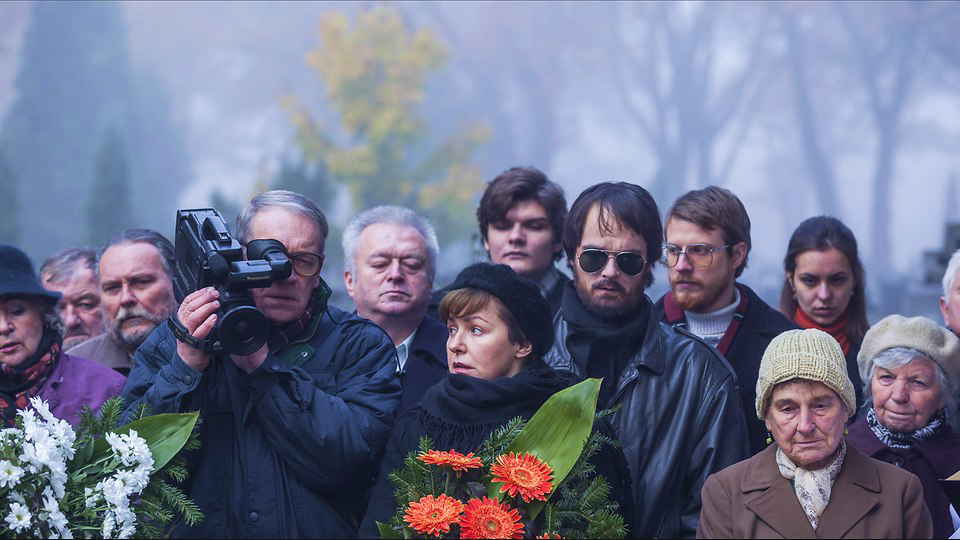
Beksiński filmed his wife and son almost every day, and Jan P. Matuszyński’s powerful debut stays with the family across nearly thirty years, putting them under the microscope rather than telling a famous painter’s life. It won the Golden Lions at Gdynia, and Andrzej Seweryn was honoured at Locarno. — In Warsaw in 1977, in the Beksińskis’ flat, the father paints his apocalyptic visions and records everything that happens around him on videotape. His son, Tomasz, moves into a flat a few streets away, and Zofia worries about him from the very first day. Tomasz plays records on the radio and translates films. This is no ordinary family. — Best Actor (Andrzej Seweryn) | Locarno International Film Festival | 2016 Best Actress (Aleksandra Konieczna) | Eagles - Polish Film Awards | 2017 Best Actor (Andrzej Seweryn) | Eagles - Polish Film Awards | 2017 Best Screenplay | Eagles - Polish Film Awards | 2017
Fugue
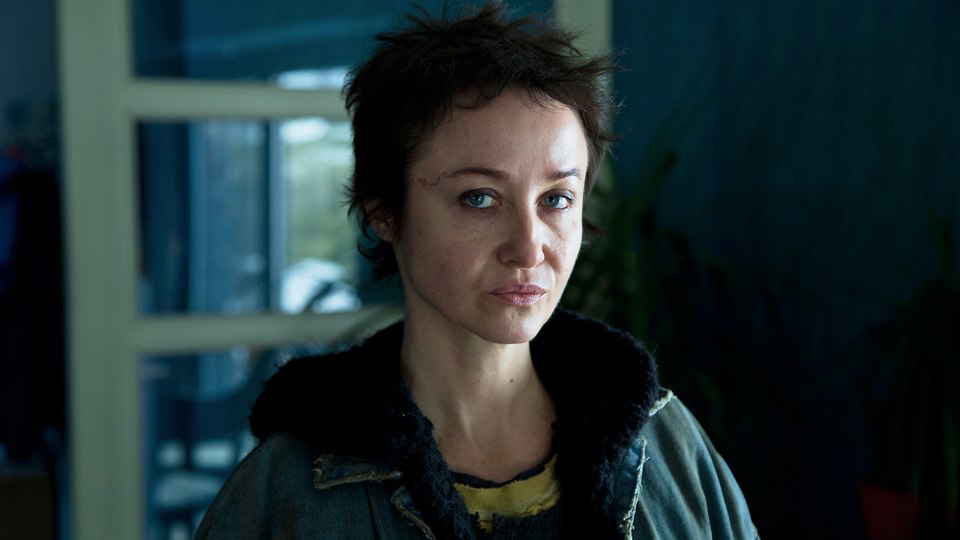
Gabriela Muskała wrote the script and plays the woman at its heart, back with her family after two years away, while Agnieszka Smoczyńska (“The Lure”) directs. The title refers to dissociative fugue, a state in which the mind protects itself from something it can’t bear by escaping it altogether. — A woman who vanished two years ago is found at a Warsaw railway station, filthy, unable to remember anything and calling herself Alicja. A man who says he is her husband recognises her on a TV programme about missing people and drives her to Lower Silesia, where there is a little boy. But is she really Kinga? — Discovery of Year Award | Eagles - Polish Film Awards | 2019 Best Debut Director | Polish Film Festival | 2018 Best Cinematography | Polish Film Festival | 2018 Nominated for Critics' Week Grand Prize | Cannes Film Festival | 2018
Bread and Salt
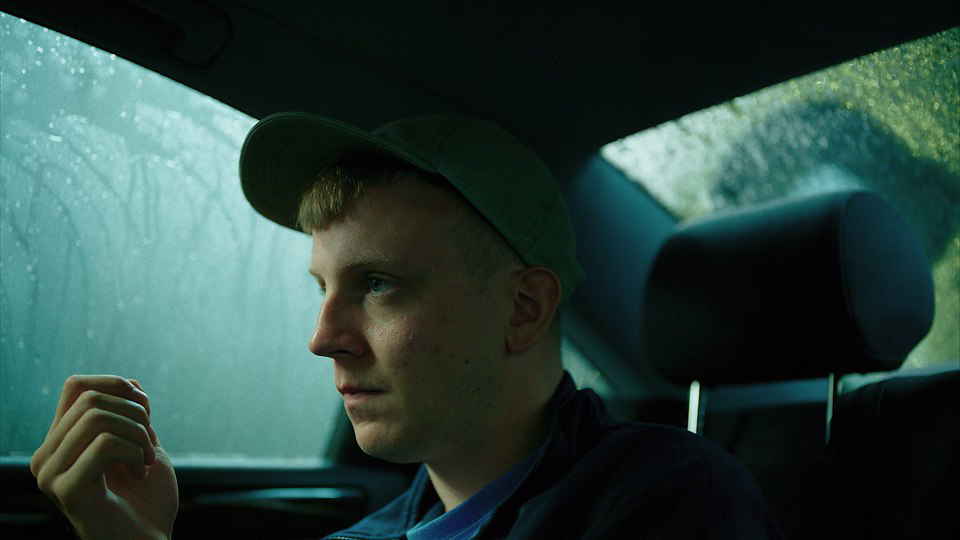
Damian Kocur has known the brothers in his first feature since they were children, and they’re brothers in real life too. Inspired by a real and tragic case of prejudice, it won a Special Jury Prize at Venice, and it feels alive and as Polish as kebabs and Chopin. — Tymek, a piano student in Warsaw, comes home for the summer to the small town where his mother and younger brother Jacek live. He passes his evenings with old friends outside a kebab bar that has just opened, run by young Arab men, and every night the taunts at the counter get a little uglier. Tymek does nothing to stop them. — Special Jury Prize | Venice Film Festival | 2022 Discovery of Year Award | Eagles - Polish Film Awards | 2023
Body
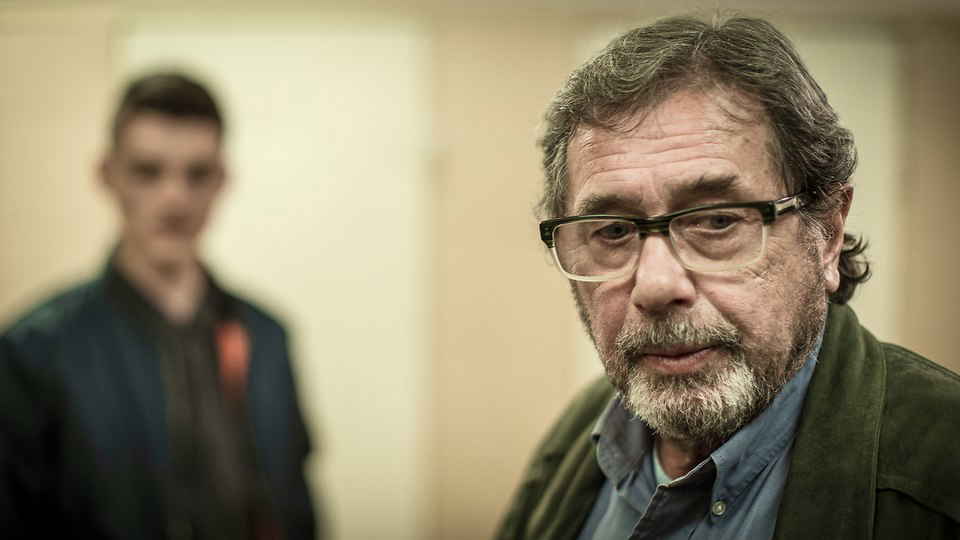
Janusz Gajos and Maja Ostaszewska star in the film that won Małgorzata Szumowska a Silver Bear at Berlin. A prosecutor’s daughter is placed in the care of a therapist who is convinced she can get through to the other side, and death and comedy end up sharing almost every scene. — A prosecutor spends his days among corpses at crime scenes and can still sit down to his evening soup without batting an eyelid. His teenage daughter Olga, meanwhile, is starving herself to death, so he checks her into a clinic, where Anna takes over her care. Calm and level-headed, the therapist is also convinced that it’s possible to talk to the dead, and she’d like to give it a go. — Best Director | Berlin International Film Festival | 2015 People's Choice Award | European Film Awards | 2016 Best European Editor | European Film Awards | 2015 Best Film | Eagles - Polish Film Awards | 2016 Golden Lions | Polish Film Festival | 2015 Best Feature Film | Polish Film Festival | 2015 Best Actor (Janusz Gajos) | Polish Film Festival | 2015 Best Sound | Polish Film Festival | 2015
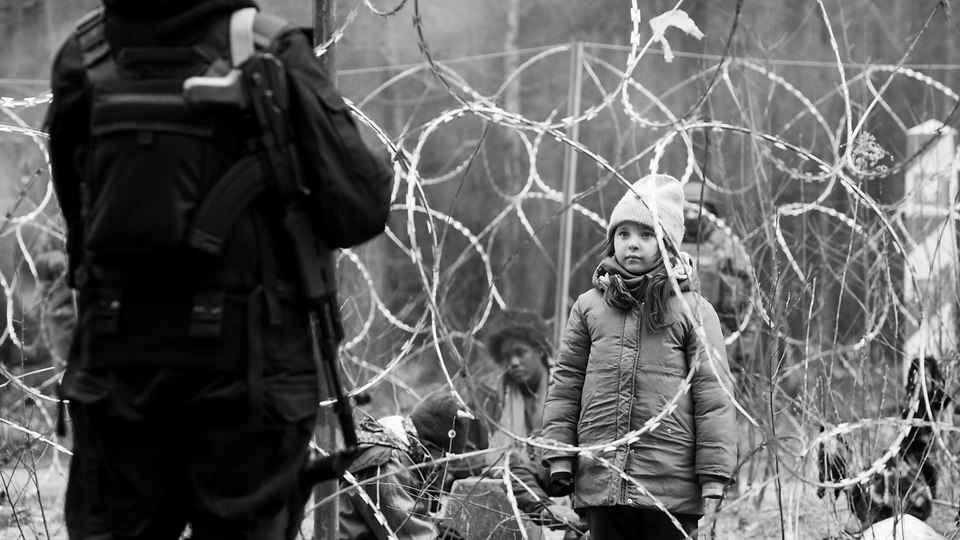
Green Border
Agnieszka Holland’s much-discussed film struck a political nerve with its Syrian families in the forest and swamps between Belarus and Poland, pushed west by one side and back east by the other. Stuhr, Ostaszewska and Kulesza head a cast of Polish stars, and it won the Special Jury Prize at Venice. — A Syrian family walks into the forest and swamps on the border between Belarus and Poland, believing it will be easy to get into Europe. Instead, Belarusian guards push them west, Polish guards send them back east, and it starts all over again. Jan is one of the border guards, while Julia has left a comfortable life behind to bring help into the forest. — Special Jury Prize | Venice Film Festival | 2023 Arca Cinema Giovani Award Best Film | Venice Film Festival | 2023 Premio CinemaSarà Award | Venice Film Festival | 2023 Green Drop Award | Venice Film Festival | 2023 Audience Award - Best International Feature | Chicago International Film Festival | 2023 Best Film | Polish Film Festival | 2024 Audience Award | Rotterdam Film Festival | 2024

All These Sleepless Nights
Michał Marczak won the directing award at Sundance for this part-documentary, part-fiction portrait of millennial Warsaw a decade ago, where two friends roam the city from dusk till dawn, night after night. By the end you’ll wish you were twenty again. — Krzysztof is in his twenties, with nowhere he has to be, so he and Michał walk the streets of Warsaw from midnight on. Their nights are a blur of dancing, drugs, clumsy chat-up attempts and conversations that only dawn brings to a close. Everything’s fine until Krzysztof starts seeing Eva, who used to be Michał’s girlfriend. — Audience Award | New Horizons Film Festival | 2016 Best Director | Sundance Film Festival | 2016
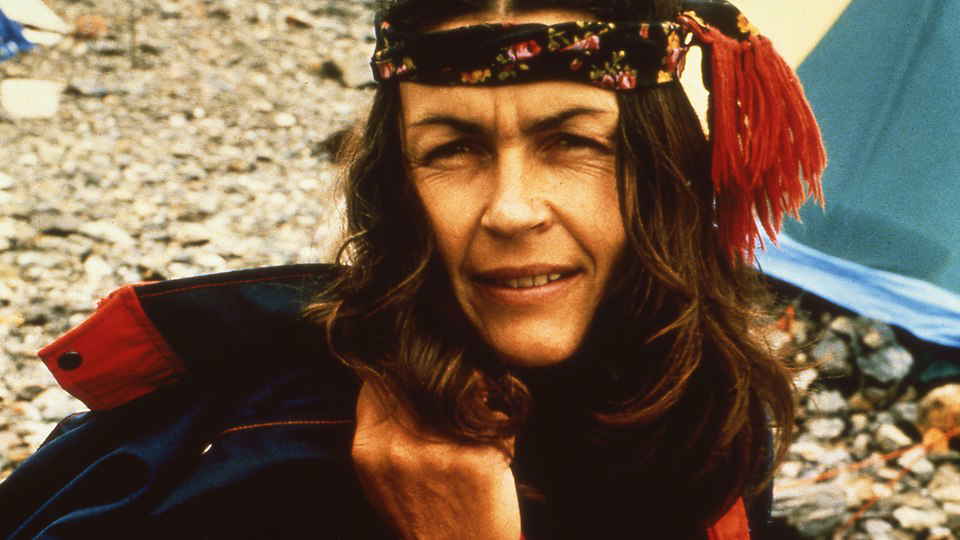
Wanda Rutkiewicz. The Last Expedition
Eliza Kubarska, a director who is also a climber, follows in the footsteps of Wanda Rutkiewicz, the legendary Polish Himalayan mountaineer, with unique tapes that no one had heard before. Rutkiewicz recorded them before she left for Kangchenjunga, and she never came back. — In May 1992, Wanda Rutkiewicz, the first Pole ever to stand on top of Everest, leaves the last camp on Kangchenjunga in the Himalayas and heads for the summit. Above 8,000 metres, Carlos Carsolio finds her sitting in the snow without a tent, but he can’t persuade her to come down. No one ever sees her again. Three decades later, boxes full of her letters, film reels and photographs turn up. — Best Documentary | Eagles - Polish Film Awards | 2025 Nominated for Best Editing | Eagles - Polish Film Awards | 2025
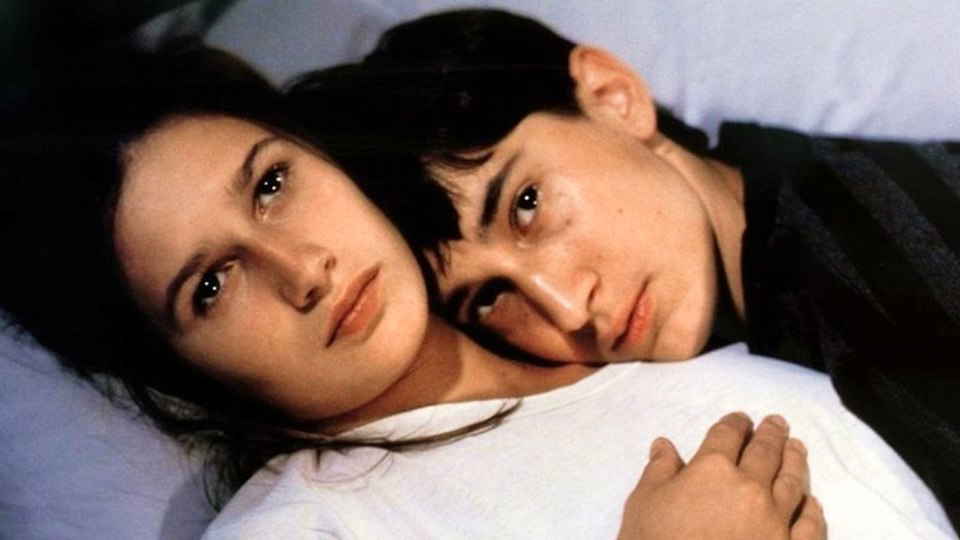
Olivier, Olivier
With music by Zbigniew Preisner, her regular composer and Kieślowski’s, Agnieszka Holland briefly lets you believe in an idyllic summer of kids in the fields and endless holidays. Then nine-year-old Olivier vanishes on his way to his grandmother’s, and years later a boy turns up claiming to be him. — The family is spending the summer on a vet’s farm in the French countryside when nine-year-old Olivier sets off on his bike to take his grandmother her lunch, and never gets there. Over the next six years the family falls apart. Then, in Paris, a policeman picks up a teenager selling himself on the street, and the boy says his name is Olivier. — Nominated for Most Promising Actor (Grégoire Colin) | César Awards | 1993 Official Selection | Venice Film Festival | 1992
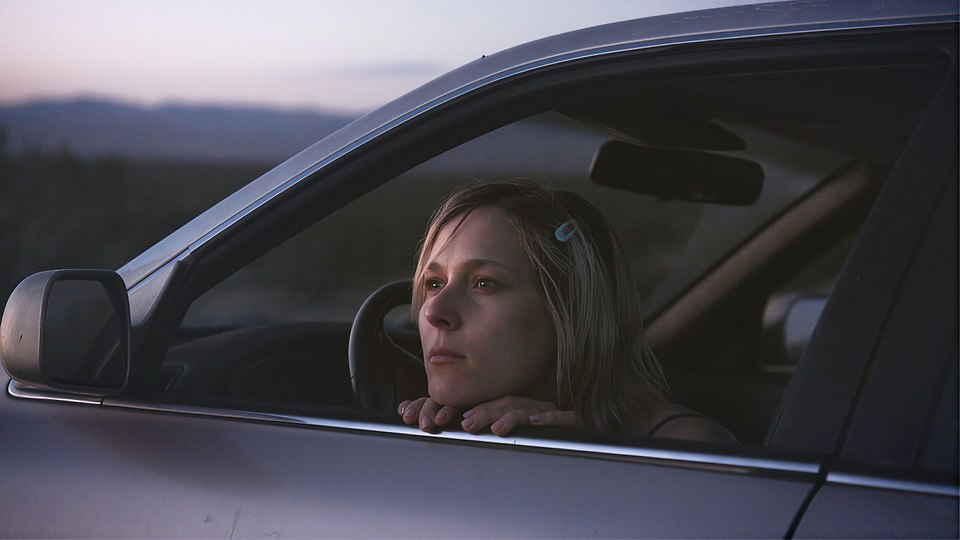
Roving Woman
Wim Wenders produced this debut by Polish director Michał Chmielewski, a Polish-American road movie in which the journey is the point. Loosely inspired by the 1970s disappearance of artist Connie Converse, it puts the luminous Lena Góra behind the wheel and glorious California outside the window. — Sara is thrown out in her evening dress, and by morning nobody has let her back in. With nowhere to go, she spots a car with the keys in the ignition and the engine running, and she takes it. Inside is a CD of songs recorded for a woman called Mimi. She plays them over and over, and keeps driving.
Woman on the Roof
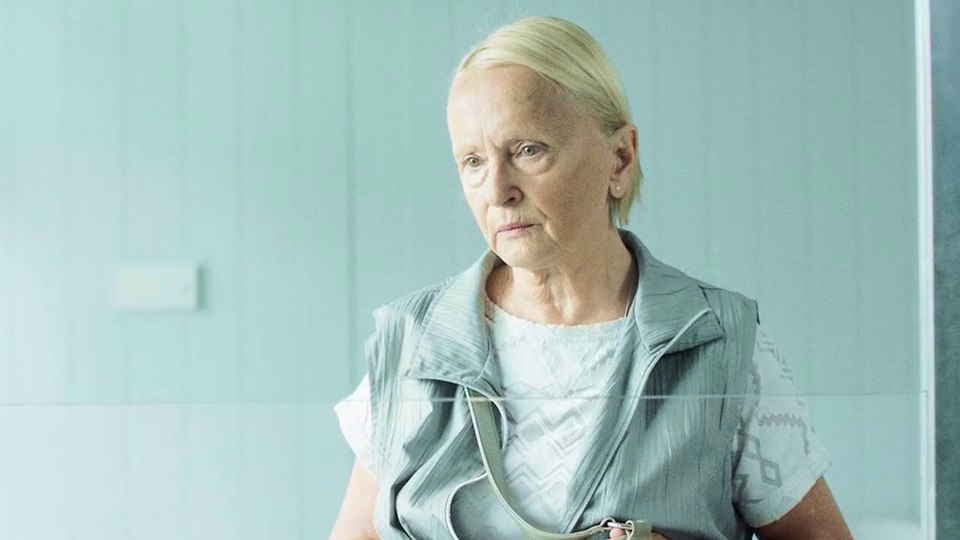
Dorota Pomykała plays a woman in her sixties whom nobody at home listens to, so she takes a knife to the bank. The role won her an Eagle, the acting prize at Gdynia and an award at Tribeca, and director Anna Jadowska never leaves her side, from the first frame to the last. — It’s an ordinary morning of washing on the line and fish food sprinkled into the tank. Mira is sixty and has spent her whole life delivering babies at the hospital, but today she walks into a bank with a kitchen knife and demands money. Her husband and grown-up son are waiting at home and know nothing yet, though she’ll have to explain herself soon enough. — Best Performance (Dorota Pomykala) | Tribeca Film Festival | 2022 Best Polish Film Award | CAMERIMAGE Film Festival | 2022 Best Actress (Dorota Pomykala) | Eagles - Polish Film Awards | 2023 Best Actress (Dorota Pomykala) | Polish Film Festival | 2022
Mad Love
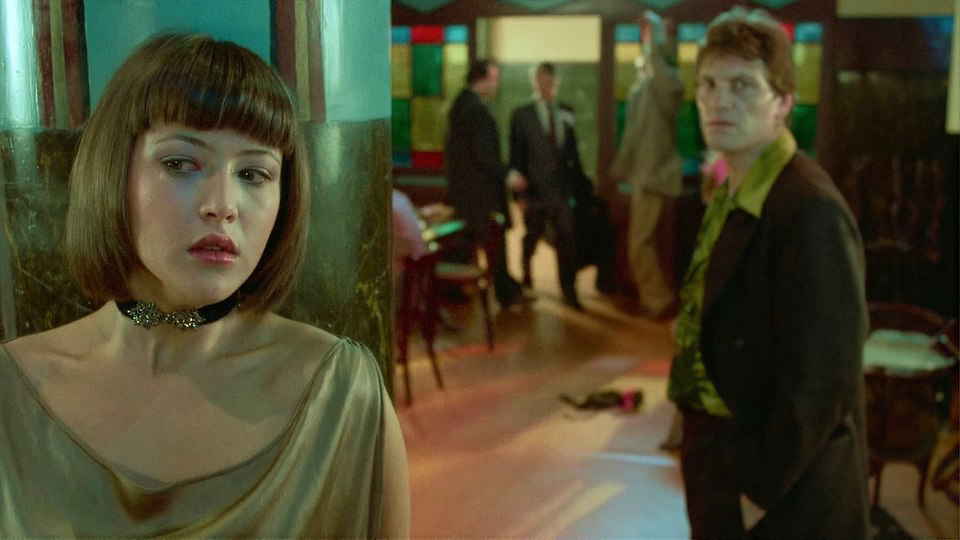
Andrzej Żuławski (“Possession”) moves Dostoevsky’s “The Idiot” into the Paris underworld, where a bank robbery sets off a dangerous love triangle. It’s his style at full throttle, with a drunken camera, emotions turned all the way up and the chaos of a music video. — Micky is heading to Paris with the money from a bank robbery, set on winning Mary back from the Venin brothers. Léon, a neurotic dreamer, sits down next to him, and Micky takes him for a fool on sight. With nowhere else to go, Léon follows him into the city. There he sees Mary, and everything starts to fall apart.
The Here After
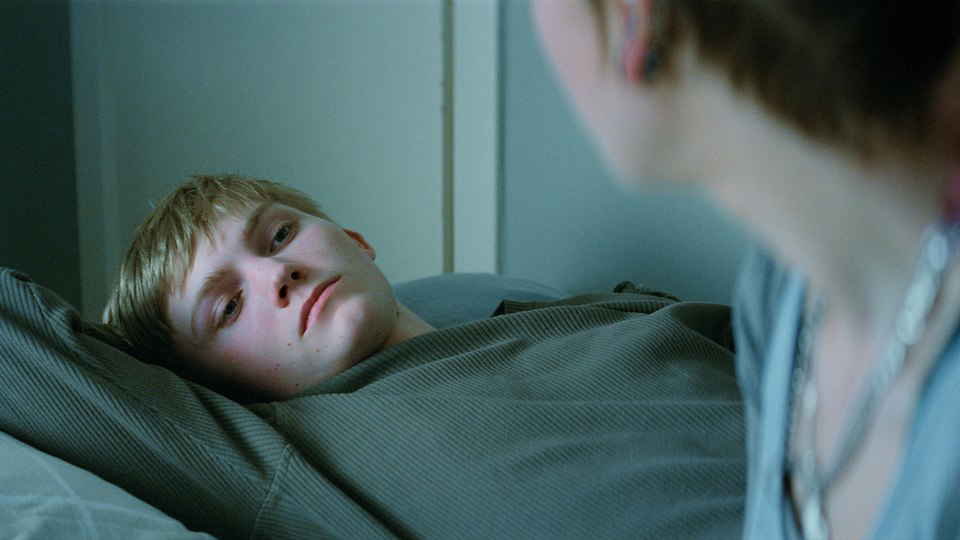
Magnus von Horn (“The Girl with the Needle”), a Łódź Film School graduate, premiered his cold-eyed debut at Cannes. Pop singer Ulrik Munther plays a teenager who has served his sentence and comes home to a past that won’t be forgotten. He’s done his time, but the consequences are just beginning. — John comes home from prison to a farm in rural Sweden, where his father acts from the doorstep as if nothing has happened. The village doesn’t bother pretending. At school the hostility is out in the open while the teachers look away, and nobody has forgiven him, though no one will say out loud what for. — Best Film | Polish Film Festival | 2015 Best Director | Polish Film Festival | 2015 Best Screenplay | Polish Film Festival | 2015 Best Editing | Polish Film Festival | 2015 Nominated for Best Director | Eagles - Polish Film Awards | 2016 Nominated for Discovery of Year | Eagles - Polish Film Awards | 2016 Nominated for Golden Camera | Cannes Film Festival | 2015
Never Gonna Snow Again
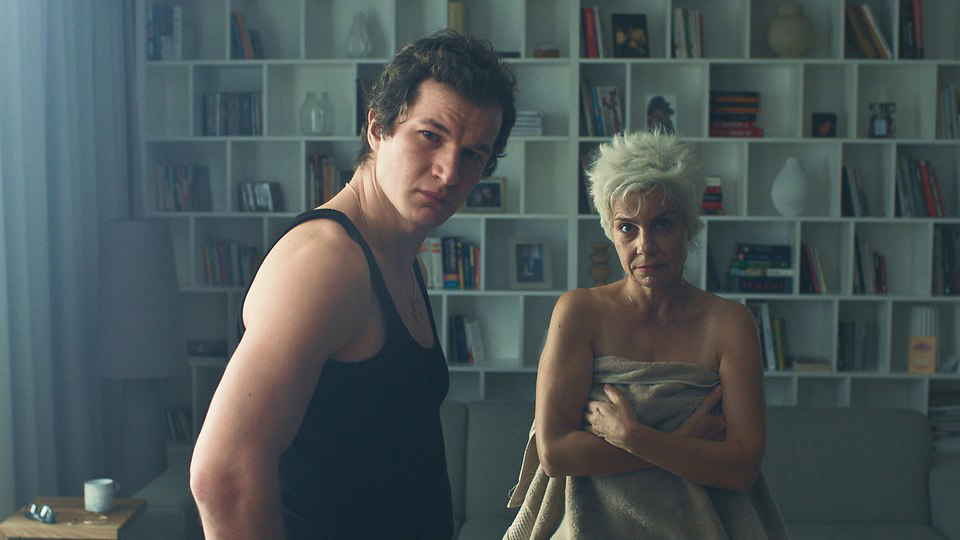
Małgorzata Szumowska and Michał Englert, a duo for years, took this moving satire with a touch of the metaphysical into competition at Venice. Alec Utgoff plays a Ukrainian masseur with a whole gated estate near Warsaw on his table, and Ostaszewska, Kulesza and Chyra around him. — Zhenia crosses into Poland carrying a folding massage table and gets his residence permit with barely any trouble. He finds his way to a gated estate of identical white houses outside Warsaw, home to people who are rich and unhappy, and one by one they start booking him. Under his hands they drift off to sleep and say things they would never say awake. — Premio Fondazione Fai Award - Special Mention | Venice Film Festival | 2020 Best Cinematography | Eagles - Polish Film Awards | 2021
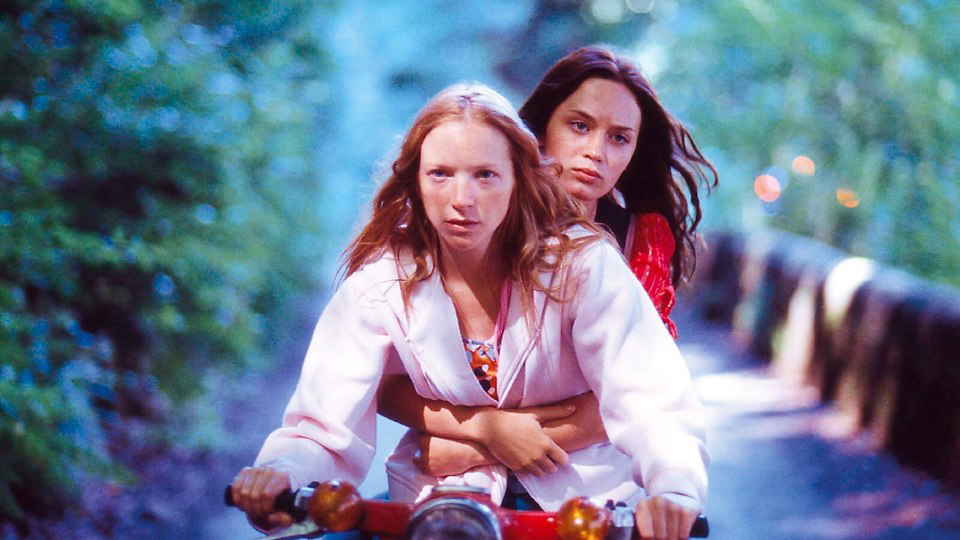
My Summer of Love
Before “Ida”, Paweł Pawlikowski shot this film in Yorkshire during the hottest summer in fifty years, a holiday in which something grows between two girls with a great deal keeping them apart. It’s Emily Blunt’s breakthrough role, and it’s hard to take your eyes off her. — The Yorkshire summer is long and scorching. Mona comes from a working-class family, while Tamsin is back at her wealthy family home for the holidays, and the two are drawn to each other from the start. They discover that, underneath it all, they come from very similar broken families, and neither of them wants the summer ever to end. — Best British Film | BAFTA Awards | 2005 Official Selection | Berlin International Film Festival | 2005 Best European Film | Polish Film Awards | 2006
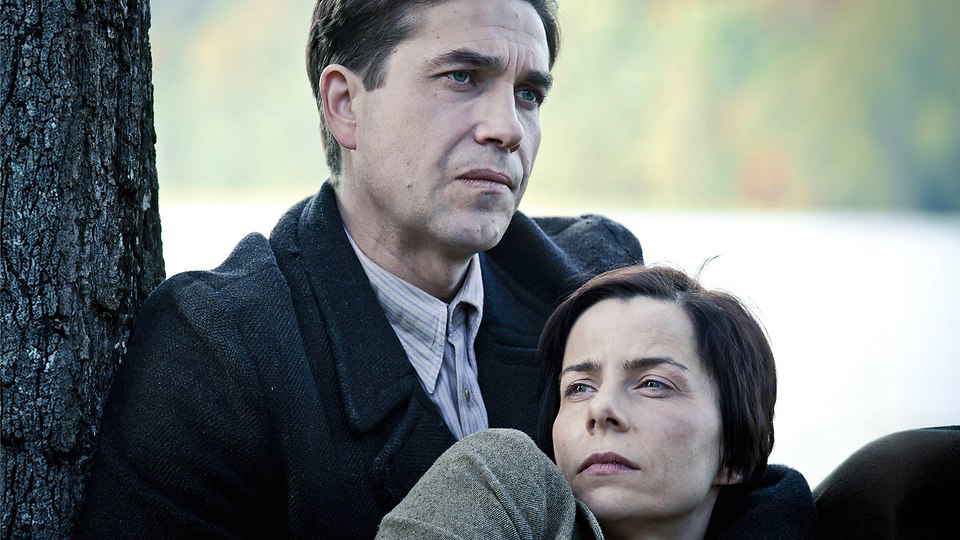
Rose
Wojciech Smarzowski tells a wrenching story of doomed love with Agata Kulesza and Marcin Dorociński, as a man who still carries the pain of losing his wife in the war and the Masurian widow of a Wehrmacht soldier. Their love grows the way a flower does, up through the ruins. — In the summer of 1945, Polish settlers are moving into Masuria, a land that has only just stopped being German, and Róża, a Masurian, is left alone on the farm that belonged to her husband, a Wehrmacht soldier. Tadeusz, a Home Army officer who fought in the Warsaw Uprising, comes to her door with the dead man’s belongings, and she asks him to stay the night. Then looters pull up outside the house. — Best Film | Eagles - Polish Film Awards | 2012 Best Director | Eagles - Polish Film Awards | 2012 Best Actress (Agata Kulesza) | Eagles - Polish Film Awards | 2012 Best Supporting Actor (Jacek Braciak) | Eagles - Polish Film Awards | 2012 Best Screenplay | Eagles - Polish Film Awards | 2012
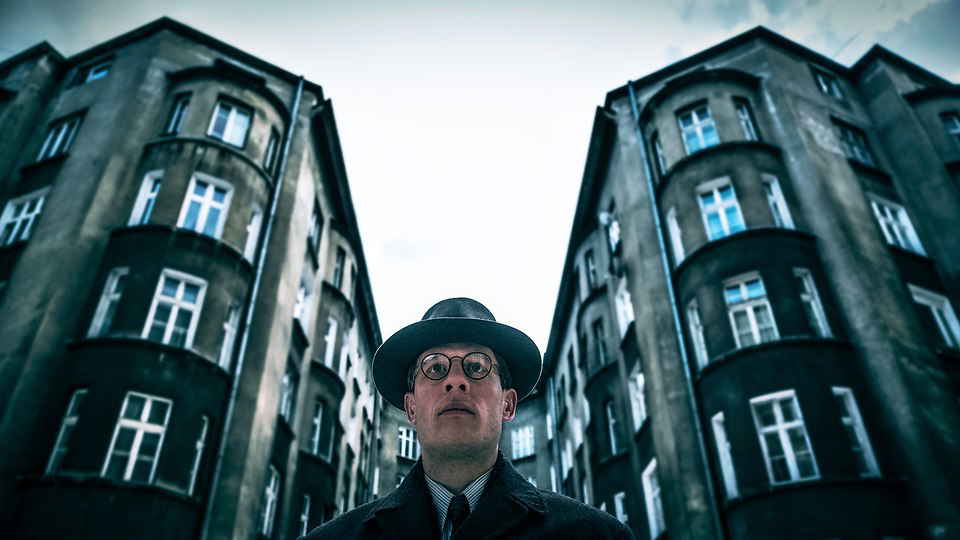
Mr. Jones
Ukraine is starving, but the Soviet Union would rather the world heard about modernisation, and in Agnieszka Holland’s film Peter Sarsgaard plays Walter Duranty, who won a Pulitzer for his reporting. One journalist wants the truth about a man-made famine that killed several million people. — In 1933 the bankrupt Soviet Union is building an industrial miracle, and whenever anyone asks where the money is coming from, the answer is always the same: grain from Ukraine. Gareth Jones, a young Welsh journalist, wants to see it for himself. Western correspondents are barred from Ukraine, so he simply boards a train without a permit. — Golden Lions | Polish Film Festival | 2019 Best Production Design | Polish Film Festival | 2019 Official Selection | Berlin International Film Festival | 2019
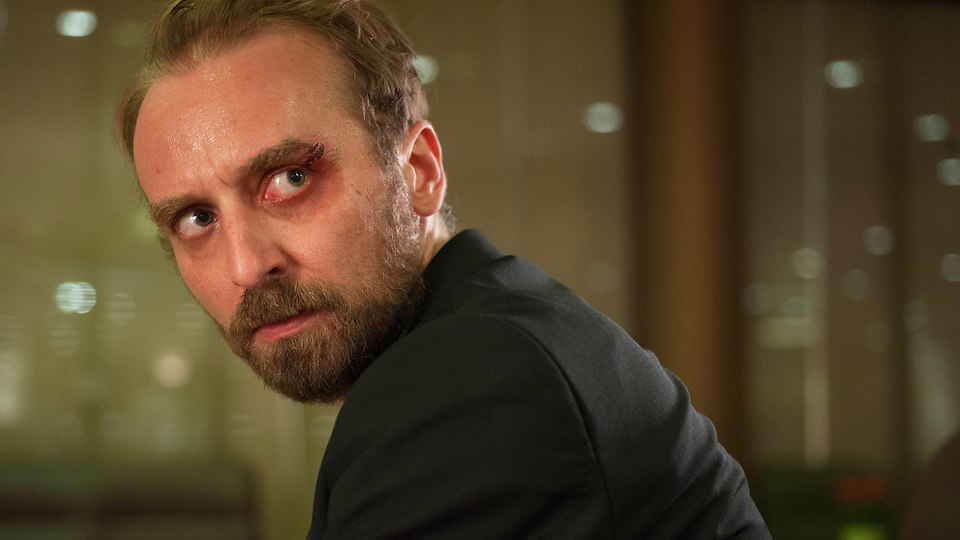
11 Minutes
Jerzy Skolimowski made this film at seventy-seven and called it his answer to Hollywood action cinema: eleven minutes in the lives of a dozen or so people over one afternoon in Warsaw, cut together into a thriller. A mosaic with one dead pixel. — Late one afternoon in Warsaw, a courier delivers a package he’d rather not think about, a hot-dog seller keeps quiet about his past and a climber abseils down from a hotel roof. In a suite upstairs, a Hollywood director is holding a screen test with an actress whose husband is waiting for her in the lobby. They have eleven minutes left. — Vittorio Veneto Award - Special Mention | Venice Film Festival | 2015 Best European Sound Designer | European Film Awards | 2016 Best Editing | Eagles - Polish Film Awards | 2016 Special Jury Prize | Polish Film Festival | 2015 Best Score | Polish Film Festival | 2015 Best Editing | Polish Film Festival | 2015
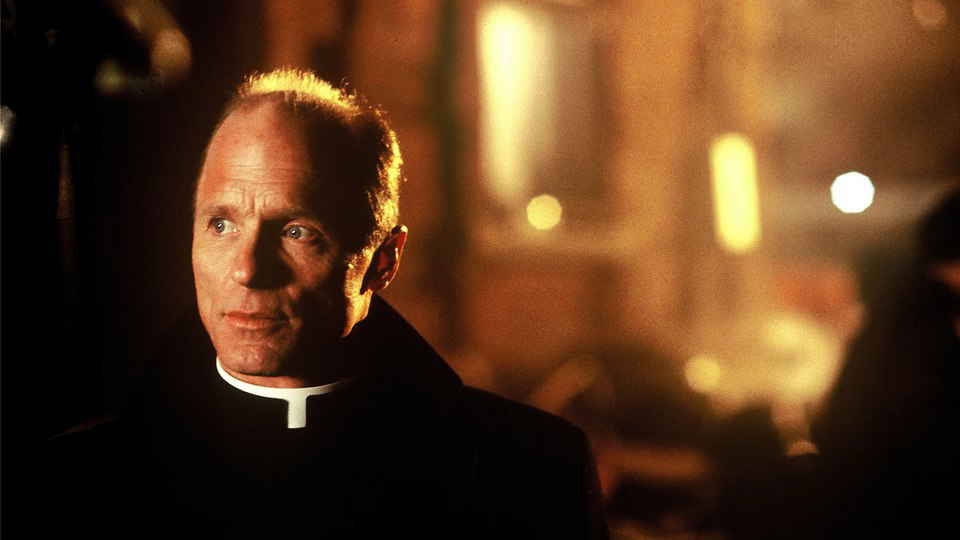
The Third Miracle
Agnieszka Holland looks at losing faith and needing it, with Ed Harris as a miracle killer, a priest paid by the Church to debunk supposed apparitions. When a statue of the Virgin Mary weeps blood in a Chicago parish, you’re left wondering whether faith can make miracles happen. — In a poor Chicago parish in 1979, a statue of the Virgin Mary weeps blood every November, and the faithful, who credit the miracle to a woman who has died, want her made a saint. The Church sends a priest, Frank Shore, who no longer believes in miracles himself. He has closed a case like this once before, and the whole parish lost its faith.
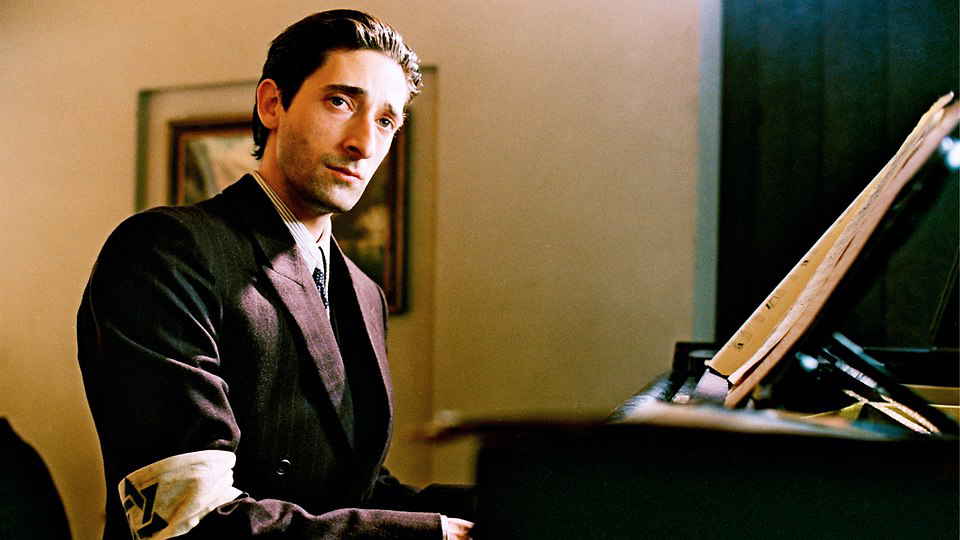
The Pianist
Roman Polański’s film about a Jewish musician in the Warsaw Ghetto won Oscars, Césars and the Palme d’Or, and Adrien Brody’s performance is as hard to forget as Wojciech Kilar’s score. In September 1939 Szpilman is playing Chopin live on the radio, and alongside the piano you can hear the bombs. — In September 1939, Władysław Szpilman is playing Chopin in Warsaw when bombs hit the radio studio. The city’s Jews are forced into the ghetto, where Szpilman finds work playing piano in a café, but in 1942 his family is loaded onto a train heading east. Someone pulls him out of the line. — Best Performance by an Actor in a Leading Role (Adrien Brody) | Oscars | 2003 Best Director | Oscars | 2003 Best Adapted Screenplay | Oscars | 2003 Palme d'Or | Cannes Film Festival | 2002 Nominated for Best Film | Oscars | 2003 Nominated for Best Editing | Oscars | 2003 Nominated for Best Cinematography | Oscars | 2003 Nominated for Best Costume Design | Oscars | 2003 Best European Film | Golden Globes | 2003 Best Film | Eagles - Polish Film Awards | 2003
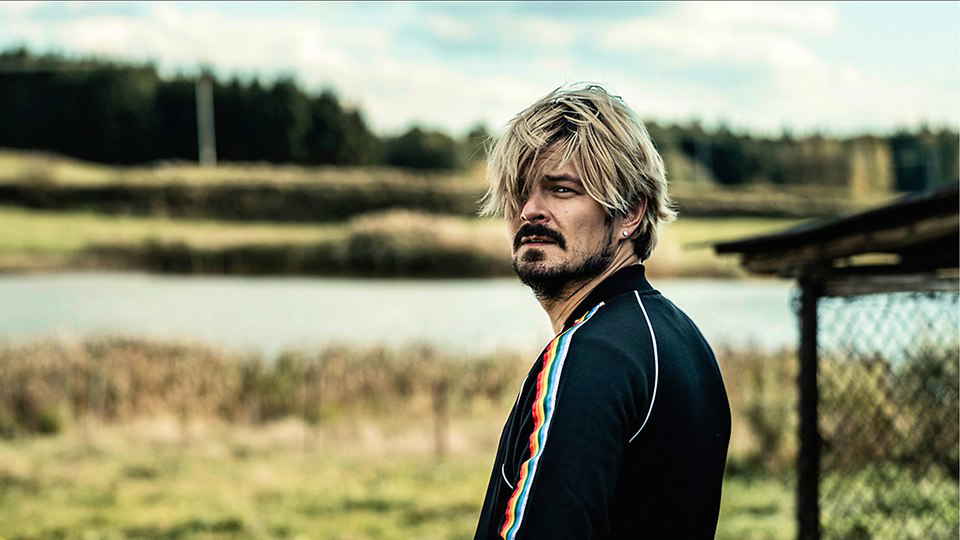
All Our Fears
Dawid Ogrodnik plays Daniel Rycharski, a gay Catholic, an activist, a village boy and a visual artist who has no intention of giving up any part of who he is. The film, which won the Golden Lions at Gdynia, asks whether society is ready to let him be all of those things at once. — Daniel is an artist who grew up in a Polish village where everyone knows everyone, yet almost nobody knows he’s gay, and he keeps his relationship with Olek, a local boy, hidden from the whole area. When a teenage girl from the village takes her own life after months of bullying, he wants to hold a Way of the Cross in her memory. The villagers stay away, but the Warsaw galleries turn up. — Golden Lions | Polish Film Festival | 2021 Discovery of Year Award | Eagles - Polish Film Awards | 2022
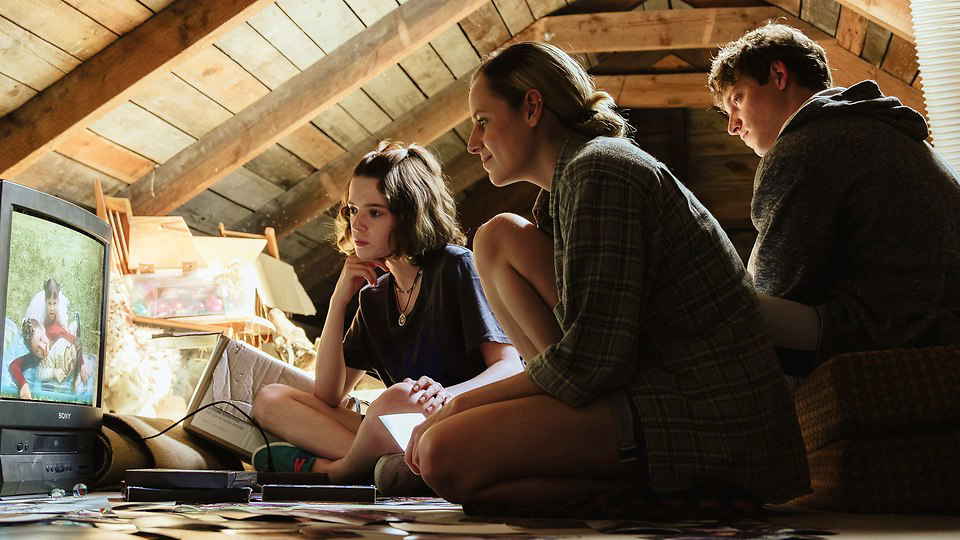
Where Do We Begin
Monika Majorek’s debut brings a group of siblings back to the family home, where their father now lives on only in old videotapes, and it’s as moving as it is hopeful. The cast includes Agata Kulesza and Maja Pankiewicz, who deserves every award going for one scene alone. — After their father dies, the family home has to be emptied, and the grown-up siblings gather to pack it up. Sorting through everything, Ola finds a pile of old videotapes and sits down in front of the TV with her brother Pipek and the youngest, Ajka. Together they decide to recreate their childhood photos in the same rooms and in the same poses.
Get free cinema tickets
Our website uses Cookies
We use cookies to offer you the best possible experience on our site.
- Necessary cookies
- Analytics cookies
- Advertisement cookies