Xavier Dolan: wyśniony przez kino

Maria Dutkiewicz
The hipster era’s favorite, the king of on-screen flirtation with the audience — I can’t believe Dolan, born in 1989, is now slowly creeping up on forty. Now it’s time to look back, with a bit of distance, at the birth of an auteur who never asked for a seat at the film world’s table. He preferred to sit himself down as the main course, no questions asked.
The hipster era’s favorite, the king of on-screen flirtation with the audience — I can’t believe Dolan, born in 1989, is now slowly creeping up on forty. I remember all too well the days when young millennials in cafe-bars, Fritz-Kola in hand, talked about nothing but Dolan’s films! (Bonus points went to whoever could casually drop the French titles — and to this day I couldn’t tell you off the top of my head what the English title even is.) What swept you off your feet back then was his brazen youth, his fearlessness, his command of craft. Years, as they tend to do, flew by in an instant. Now it’s time to look back, with a bit of distance, at the birth of an auteur who never asked for a seat at the film world’s table. He preferred to sit himself down as the main course, no questions asked.
***
Late bloomer. That’s the exact phrase Xavier Dolan once used about Orson Welles, who made “Citizen Kane” at the age of twenty-five. He got torn apart for it — but comparing the two, is that remark really as absurd as it first sounds? After all, by twenty-five, Dolan had already shown more films at world festivals than most filmmakers get to present in an entire career. Make a list of the youngest directors whose films screened at Cannes over the past twenty years, and he’d still take the top four spots.
Killing of Mother, Heart that beats
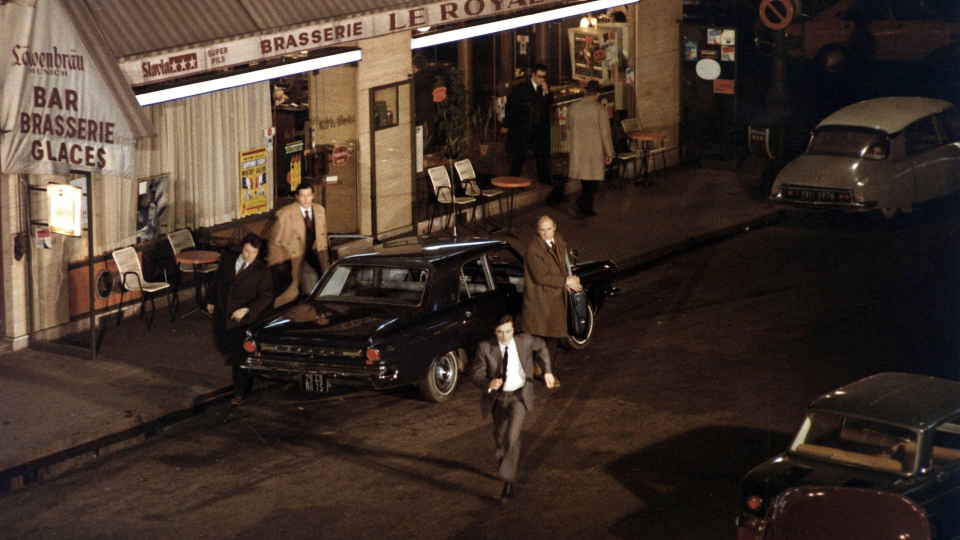
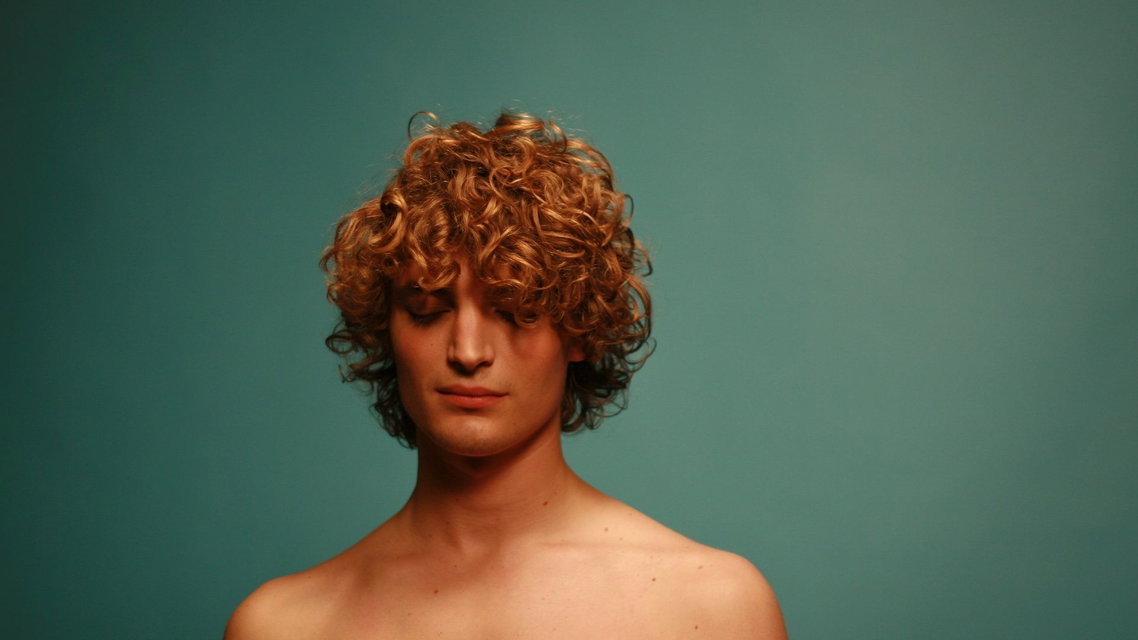
Youthful nonchalance, a touch of arrogance, and the sheer confidence behind that controversial remark were essential to the Dolan of that era. Without those traits, he probably never would have pulled off the nearly impossible — debuting at Cannes at age twenty with a film he’d written himself (as a teenager!), produced, directed, and starred in. In 2009, he crashed into film loud, brash, and entirely on his own terms — like he had no time to waste. The semi-autobiographical “I Killed My Mother” was initially turned down by producers, but that didn’t stop the script from getting made. The young director funded the production himself with money he’d earned as a child actor and voice-over artist — it helped that he was once best known as the voice of Ron Weasley in dub of Harry Potter. He was back at Cannes just a year later with “Heartbeats” (ah, right — that’s what it’s called!) — a story steeped in the influence of the French New Wave, about a love triangle that could play out between a young guy, his vintage-obsessed best friend, and the cherub-faced boy leading them both on.
Director of Emotional Baroque
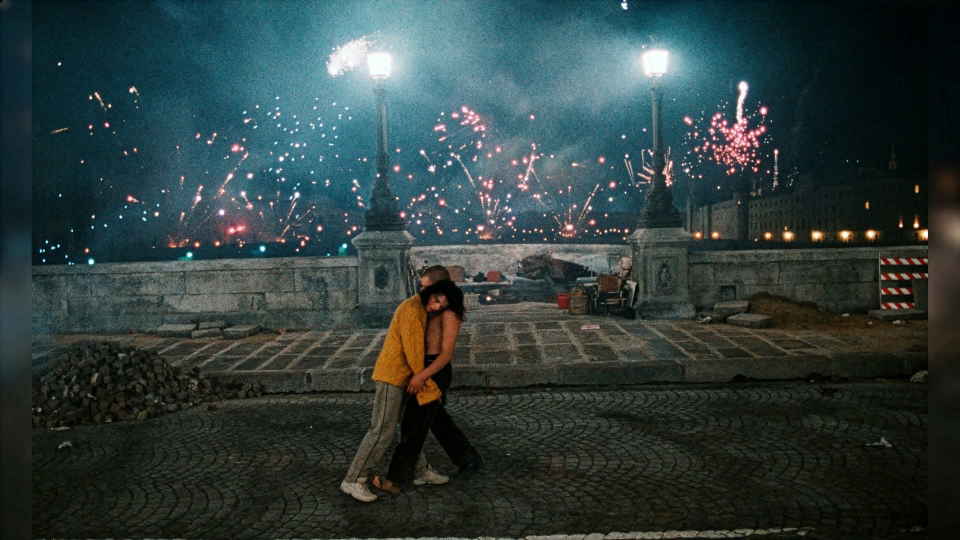
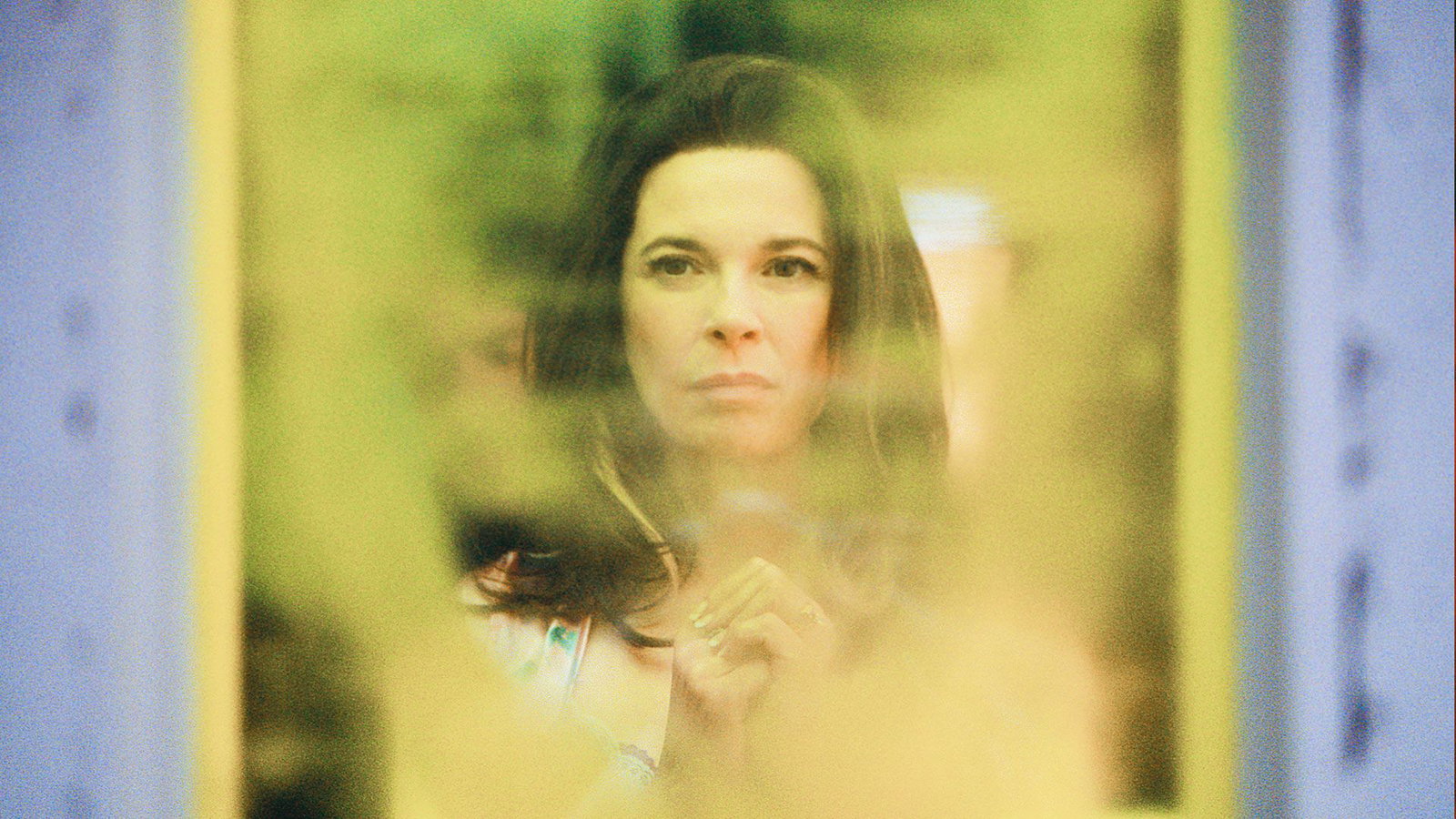
The key turning point comes with “Laurence Anyways,” the 2012 film that won the Queer Palm at Cannes. Here, the love story between the trans woman Laurence and her longtime partner Fred is drawn on an epic scale. We follow them across a decade; the budget grows, the runtime stretches out. This is where you can see it plainly: Dolan is a director of emotional baroque, able like no one else to pull grand spectacle out of intimate moments. Writing this, one scene instantly comes back to me — colored clothes raining down from the sky onto the lovers as they walk through a wintry little town. This film can do that to you.
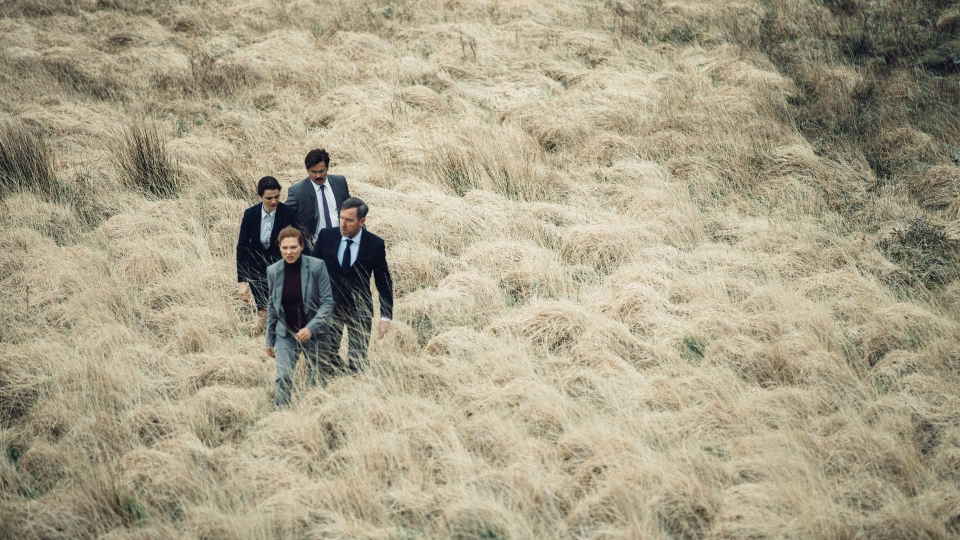
At first glance, “Tom at the Farm” is the odd piece in this puzzle — a surprising Hitchcockian swerve in what’s otherwise fairly pop-leaning work. The answer to where it came from is about as simple as it gets. “I needed a change, and I let myself have one,” Dolan said in a conversation with Anna Bielak. It’s an adaptation of a play by Michel Marc Bouchard, a thriller about a young man who lingers unsettlingly long in his dead partner’s house. What keeps him there, out on the farm, is a toxic sexual dependency — and maybe something more?
I won’t pretend otherwise: my favorite film in this set is the one for which Dolan shared the Cannes Jury Prize with Godard (who won it for “Goodbye to Language”). The characters in “Mommy” carry an untamed fire inside them — the kind that draws you in but burns. To the world, Diane is too volatile, her teenage son too intense, and Kyla too withdrawn. Together, they find tenderness hidden inside chaos and aggression. “Mommy” — both the film and its title character — is loud, fierce, and captivating. Dolan locks these relationships, taut as a tripwire, into a tight, square frame. But sometimes, just sometimes, the characters’ world spills out past the edges of the format. Trust me — those music-video-like bursts, Céline Dion, Oasis, Andrea Bocelli, Lana Del Rey, and the feeling of being swept up in a tornado by this film will stay with you for a long time.
Enfant terrible and wunderkind. In the spirit of Dolan’s own contrarian streak, I’d suggest that in a story about cinema’s wonder child, the last word should go to a mother. And since we’re staying within this universe, it has to be Anne Dorval — the mother Dolan killed off in his debut, the mother of the longed-for lover in “Heartbeats,” the fierce title character of “Mommy,” from the impossibly short skirts all the way down to the little heart she uses instead of a period to sign off her texts. Asked about Dolan, she keeps it simple:
He’s sensitive. And that’s rare.
This translation got the AI treatment. No emotional baroque, just support from a language model.
Available on Cinobo
Wonder Child or Enfant Terrible of World Cinema?