Skąd wiesz, że to prawda?

Maria Dutkiewicz

Cinema, like a seismograph, picks up on tremors in the zeitgeist. The fact that the biggest film event of 2026 is Nathan Fielder’s three-hour documentary “You Can See Everything” says a great deal about what’s resonating in the world today.
It turns out I’m not immune to deepfakes. This is a very instructive discovery, because now that I know it, I can’t believe how certain I once was that Pope Francis, in 2023, wore a white puffer jacket straight off a fashion runway. For the previous three years, I believed it without a second thought. I missed the articles and posts explaining that the image had been generated by AI. I simply never cared about that picture enough to bother doubting it. This new (to me, not to the world) revelation about the Pope’s outerwear left behind an itching thought – what else am I convinced of, without a shred of doubt?
As if poking at mud with a stick, I type a question into an AI: how am I supposed to know whether something is true? “It’s also worth coming to terms with the fact that absolute certainty is rare,” Claude answers me. Oh, don’t you say, Claude – I hear ringing in my head. Truth and fiction are so tightly intertwined today that it’s often hard to tell where one ends and the other begins. Post-truth has stopped being a concept confined to philosophy books, and deepfakes are no longer something relegated to the farthest corners of the internet.
How many images and pieces of information manage to slip uncritically through the sieve of our attention? Doubt should be its own subject taught in schools, given how much can be gained in this world simply by trading in the currency of trust. And that’s precisely why, to explore this very current topic, it’s worth turning to cinema – because cinema, after all, is quite experienced in this matter.
what is a chair?
A simple warm-up question: what is a chair?
(What’s the point, everyone knows what a chair is, you see chairs every day, what kind of question is that even?)
In 1965, the artist Joseph Kosuth placed in a gallery a chair, a 1:1 scale photograph of that chair, and a printed definition of the word “chair.” Is any one of them not a chair? Is any one of them more of a chair than the others?
a tradition in illusion
Orson Welles, creator of one of the most famous films in history, “Citizen Kane,” claimed to be a student of Harry Houdini. It’s not known whether this is true, but we do know he was so deeply interested in illusion that he wrote a book about it. It’s hard not to notice the correlation – for someone interested in magic, a camera is a tool full of potential. Can we say that magicians lie while performing their tricks? And if so, what is it a symptom of, that the godfather of modern cinema is someone who trained under a world champion of lying?
the camera: a tool for (bending) the truth
The camera has a complicated relationship with truth: on one hand, it theoretically records faithfully whatever is placed before it – heck, video footage is used as evidence in court cases. On the other hand, it’s a tool highly susceptible to tricks and distortions. In a certain sense, every film is a documentary – seriously, I know this is a rather peculiar take – but even when someone in a costume, surrounded by sets, is acting out previously written lines, isn’t the camera itself still simply recording, with precision, exactly what’s happening in front of it?
Cinema has been exploring its tangled relationship with truth ever since the first publicly screened film in history – the staged “Workers Leaving the Factory” from 1885 (did you know the Lumière brothers had them shoot a retake of that scene?). In theory, film has its divisions – here is fiction, meaning we all agree to the lie, and here is a documentary, in which we’re supposedly shown the truth – but in both cases, these claims are up for debate.
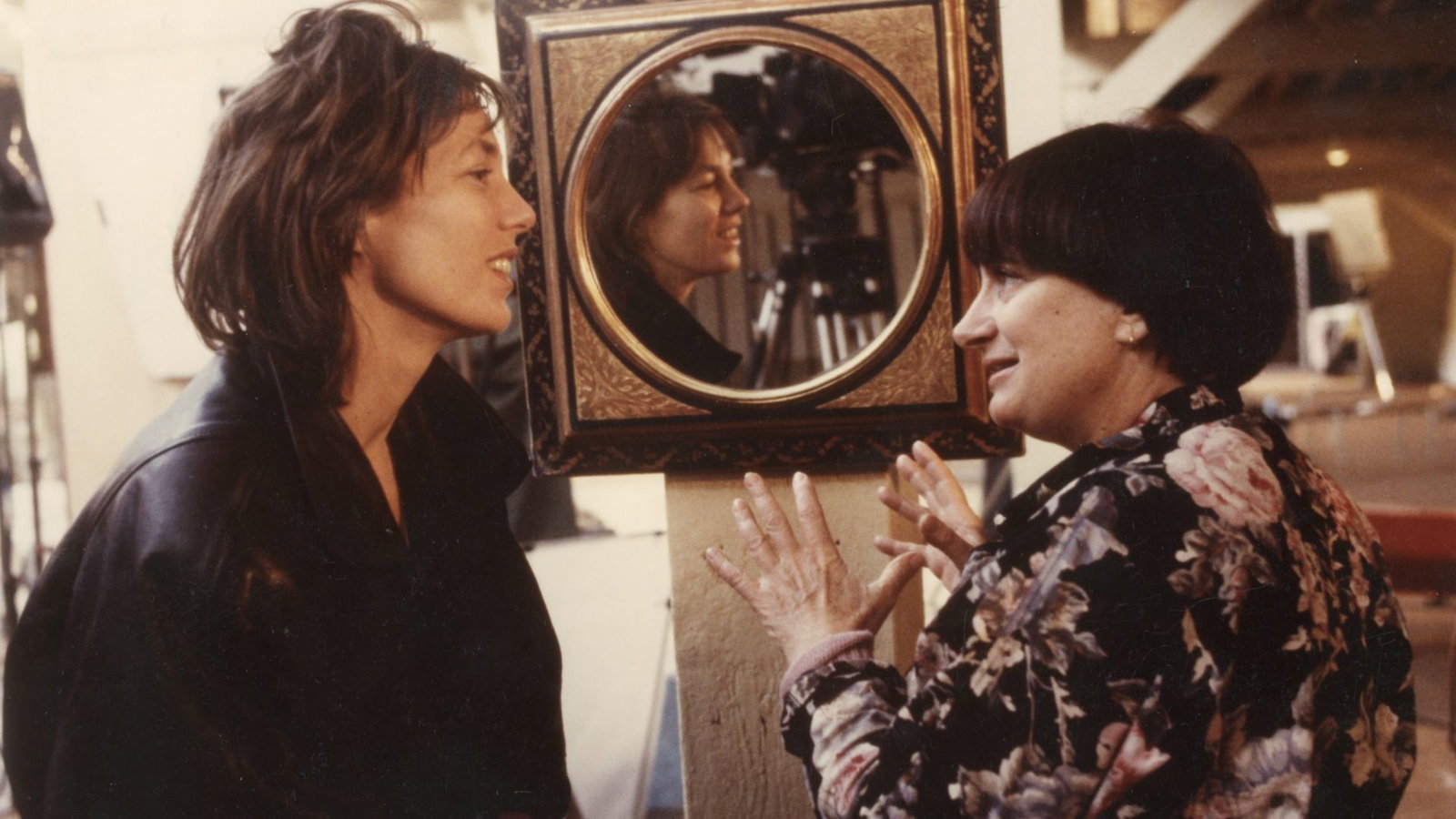
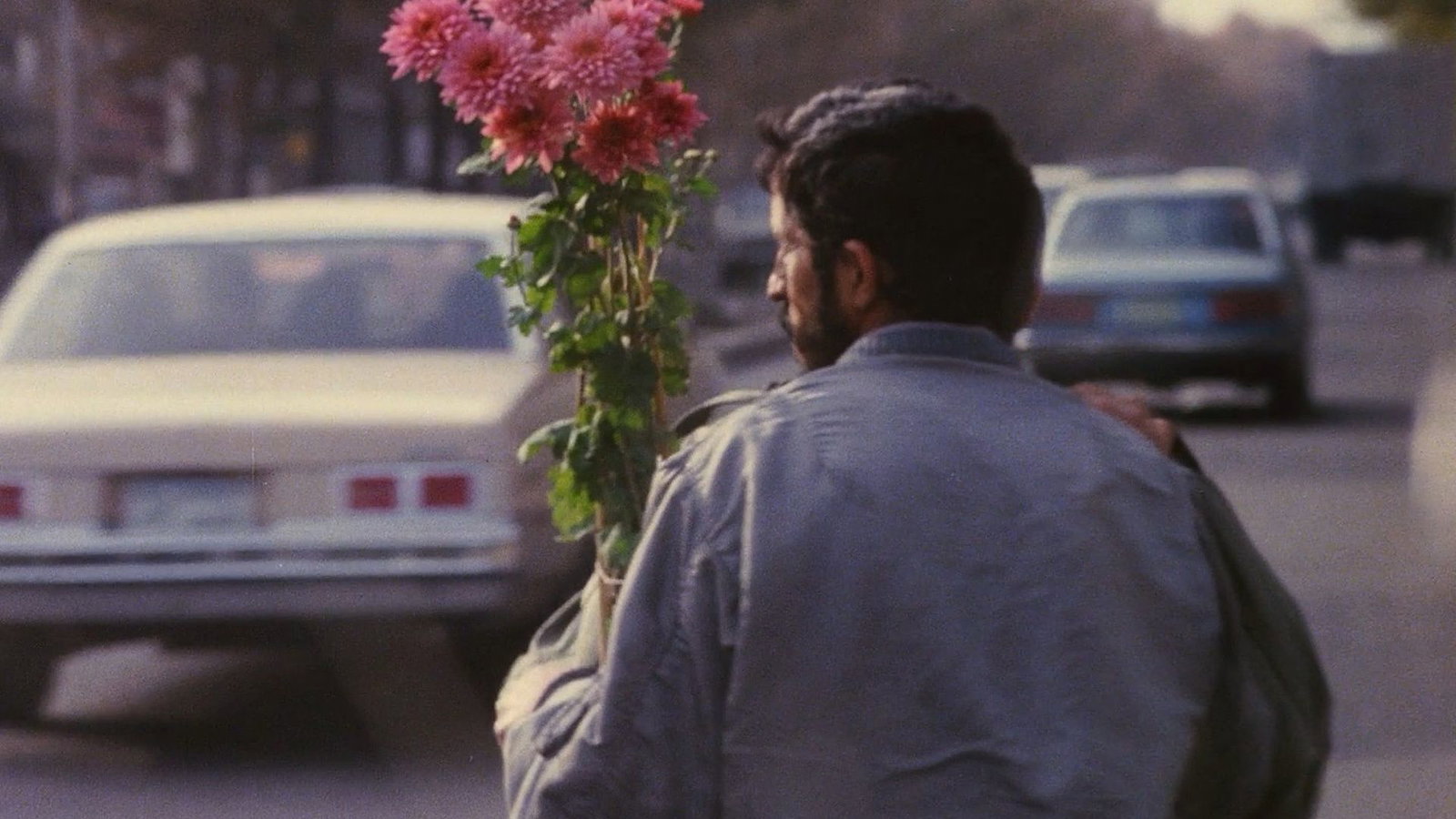
Filmmakers are always present within the image, not only when they appear on screen. How does our perspective shift when the seams of fiction are shown to us? After watching “Jane B. for Agnès V.” or “20,000 Days on Earth”, it’s unclear whether they’re more documentary or more creation. There’s no certainty that “All These Sleepless Nights” was really as party-filled as it appears. Does the stripped-down set design of “Dogville”, made up mostly of lines drawn on the floor and a handful of props, change how we experience the story, or does making its fictionality visible affect that experience at all? Sometimes the narrative’s very subject is the seizing of truth, sweeping it under the rug, powdering it over. And sometimes the subject is the very fact that truth spills out of the screenplay’s box, as with Iranian masters: when, in Panahi’s “The Mirror”, the child actress suddenly refuses to keep acting in the film and wants to go home, or when Kiarostami documents a cinephile going on trial for impersonating a famous director in “Close-Up”.
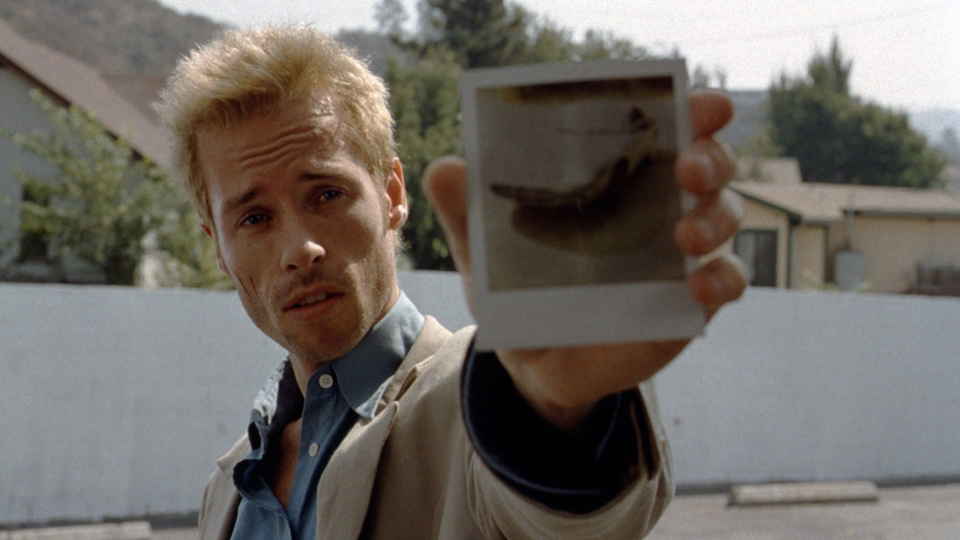
And further – what we take to be truth often has more to do with subjective experience than with an objective picture. It’s you doing the looking, with your own knowledge, needs, and more-or-less conscious biases. In Lanthimos’s “Dogtooth”or in “Memento”, this illusory, manipulated knowledge pulls us away from the real world. Questions remain: when, as in “Mulholland Drive”, something happens only inside our heads – like a dream, or like a film – does that mean it’s real? Can Lars’s feelings toward an inanimate doll be genuine?
Cinema, like a seismograph, picks up on tremors in the zeitgeist. The fact that the biggest film event of 2026 is Nathan Fielder’s three-hour documentary “You Can See Everything” — in which an extremely self-aware, spectacle-conscious post-comedian spends his final days before prison with the convicted fraudster Elizabeth Holmes, says a great deal about what’s resonating in the world right now. Illusion once had its designated places – stage shows, the decorum of the trick, magicians wearing top hats. Today it disguises itself as reality, falls in line with the ordinary, and eats its own tail. As the boundaries between reality and its representation blur, it seems that the definitiveness of any judgment only provokes its own undermining.
In the end – I have no idea how to know whether something is true. And I doubt anyone else does either. But one thing I do know: films make good company for that not-knowing.
This English version was translated with AI — a tool with its own complicated relationship with truth.
Available on Cinobo
Is it true, or is it a lie?