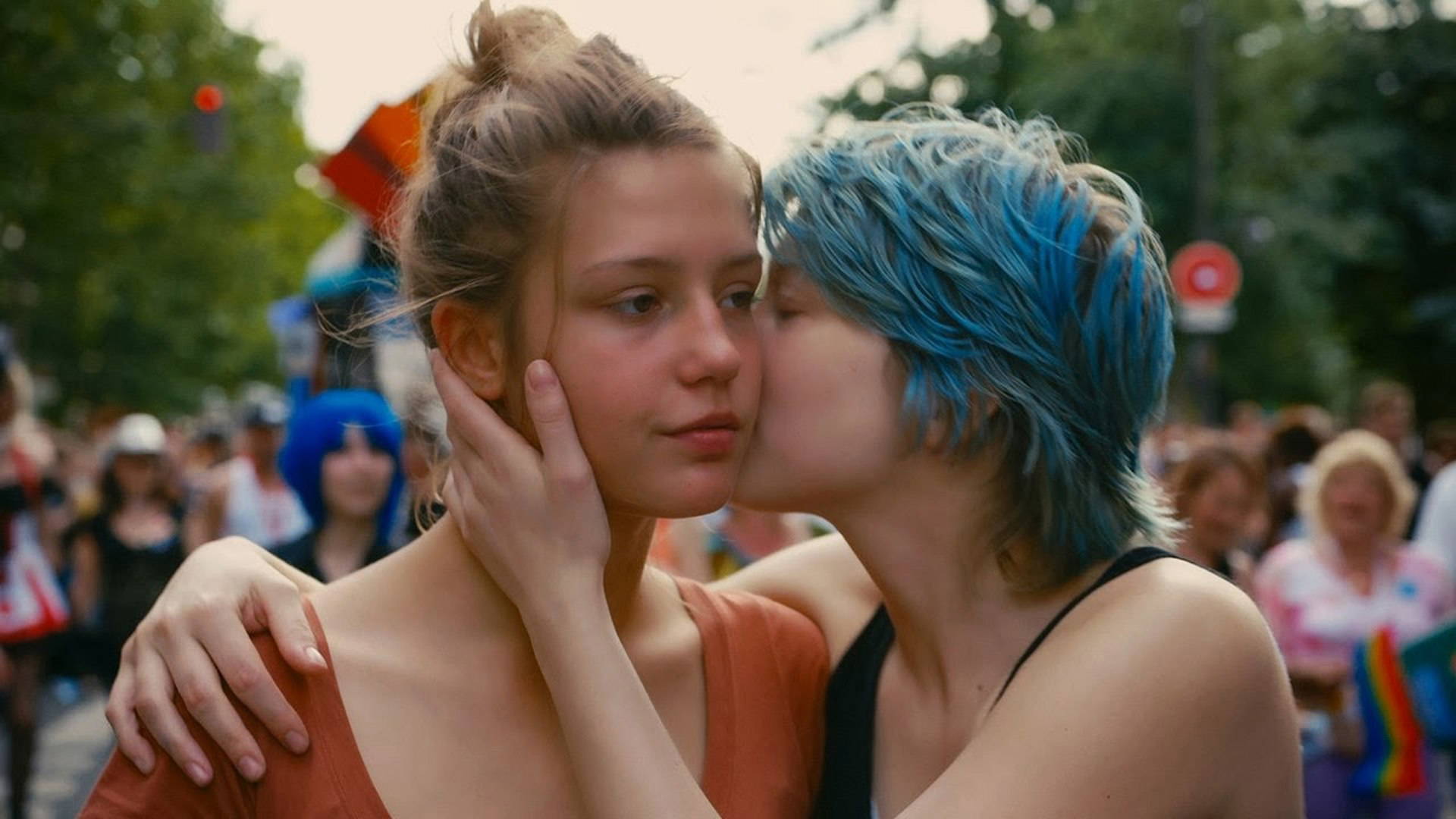
LGBTQ+
Romance, sexual identity, acceptance, love regardless of gender, pride. Category of films about people who dared to live their truth with whatever that might entail. Films that take us to a cinematic universe a little more colorful, a little more free, a little more… queer. Are you coming?
Titles in this collection
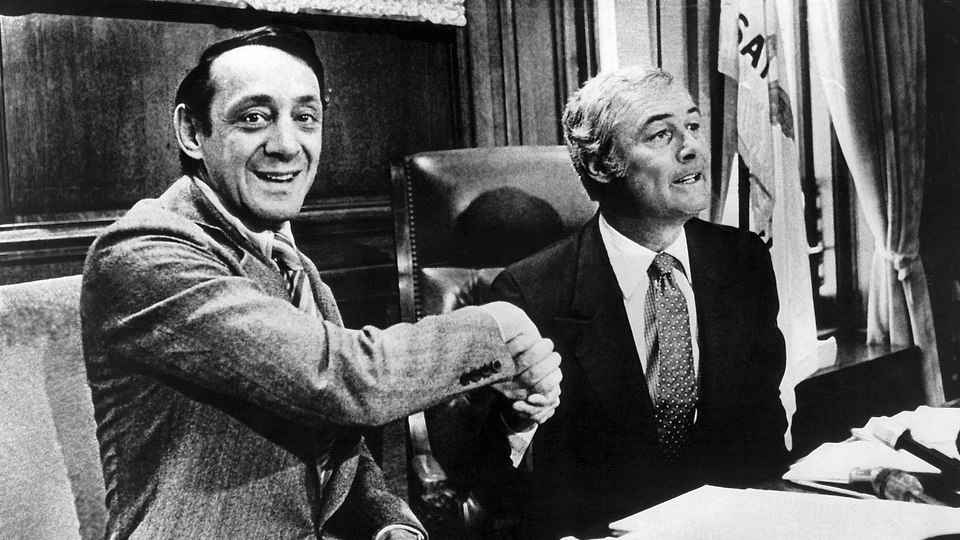
The Times of Harvey Milk
The documentary won the Oscar and a jury prize at Sundance, and years later Gus Van Sant turned the same story into a feature with Sean Penn. Days after winning his election, Harvey Milk recorded a tape to be played only if he were murdered. A year later, it was played. — In early-1970s San Francisco, Harvey Milk opens a camera shop on Castro Street, runs for city supervisor and loses. He tries again and loses again, and only wins at the fourth attempt, becoming the first openly gay politician elected to office in California. Less than a year later he is shot dead at City Hall, and the gunman goes on trial. — Best Documentary Oscar | Academy Awards | 1985 Special Jury Prize | Sundance Film Festival | 1985
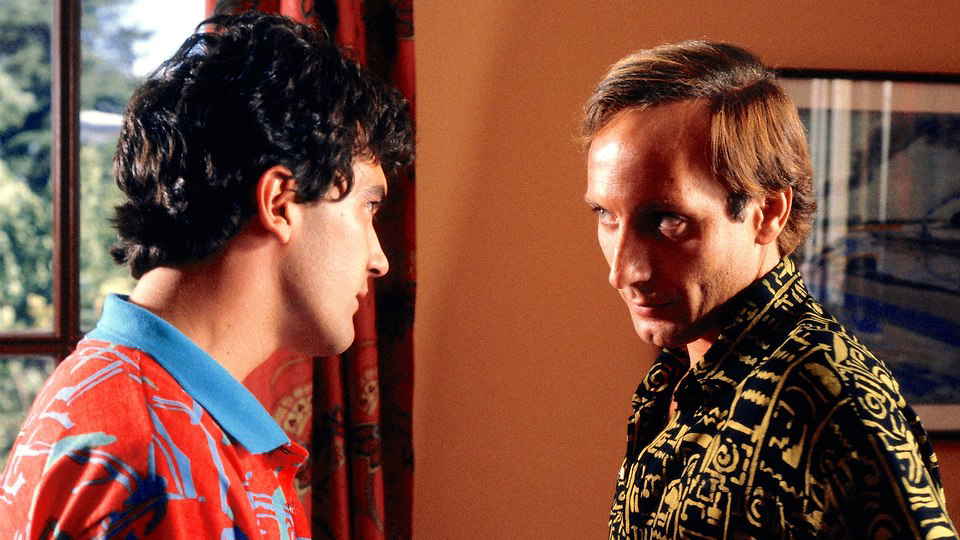
Law of Desire
Almodóvar started his own production company to make sure this film was his alone. A man’s fling with a lover played by Antonio Banderas, who takes it as a promise and tries to get to him through his sister, turns into a dark triangle of violence and obsession that never once hits the brakes. — Pablo, a director, is getting over a lover who has just left town when he starts a brief affair with Antonio, who takes it far more seriously than he does. Pablo’s sister, Tina, is an actress with a past, and Antonio’s obsession is slowly turning dangerous. — Teddy Award for Best Feature Film | Berlin Film Festival | 1987
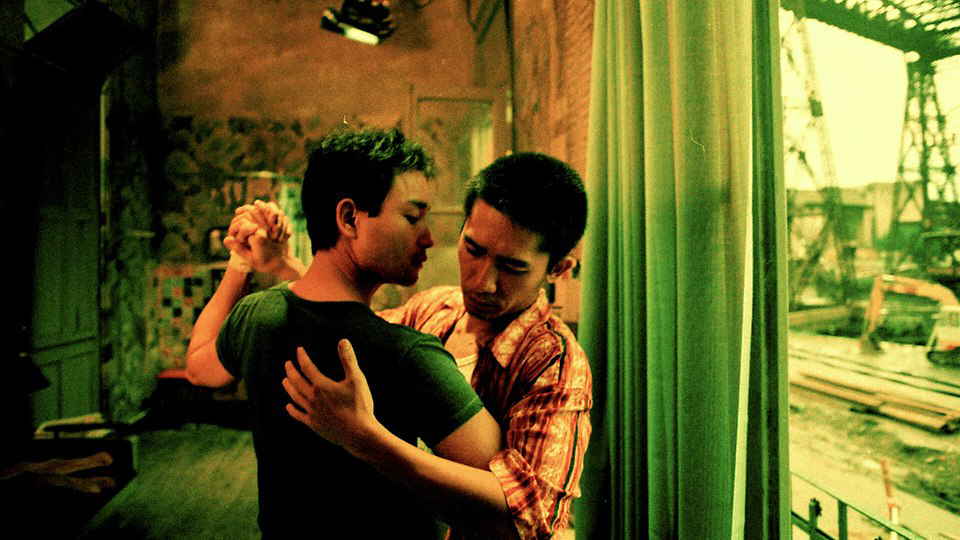
Happy Together
Wong Kar-Wai flew to Buenos Aires in September 1996 for what was meant to be a six-week shoot, and he was still filming in December. Two men from Hong Kong cross the world to save their relationship and break up along the way, and from then on they swing between love and hate. — Two men on holiday in Argentina break up partway through the trip, and neither has the money to get home. One takes a job as a doorman at a bar and rents a tiny room, while the other spends his nights with whoever’s around, until the day he turns up hurt on his ex’s doorstep. — Best Director | Cannes Film Festival | 1997 Audience Award | Arizona International Film Festival | 1998 Best Actor | Hong Kong Film Awards | 1998
Flee
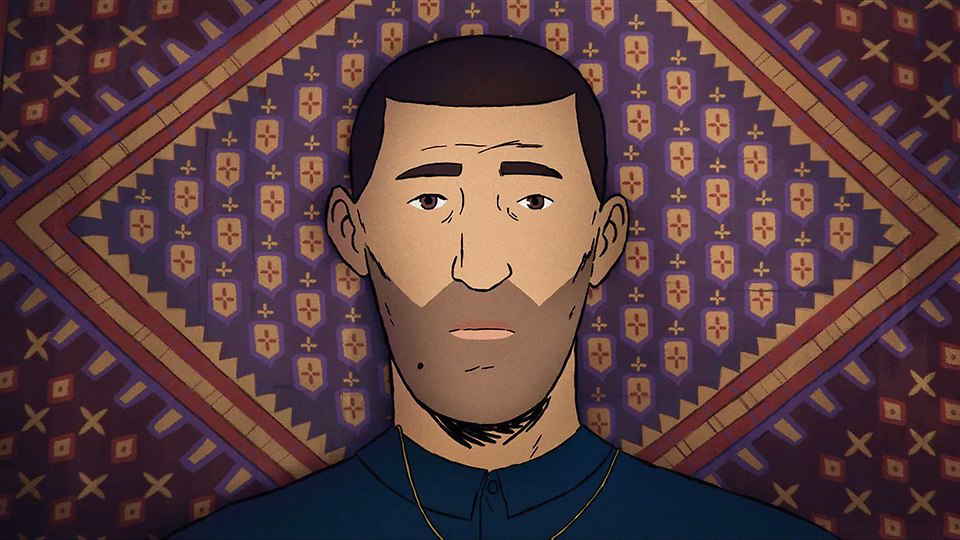
No other film has been nominated for Oscars in animation, documentary and international feature at once. Director Jonas Poher Rasmussen and Amin, an Afghan, met as teenagers in a small Danish town. Years later Amin opens up about his past but won’t show his face, so the whole story is animated. — In present-day Copenhagen, Amin Nawabi, an academic in his thirties who came from Afghanistan, is getting ready to marry his partner. Nobody knows how he really reached Denmark, not even the man he’s about to marry. He agrees to tell an old friend the story of his journey, which begins in Kabul, where a family has to leave its whole world behind. — Nominated for Best International Feature Film | Oscars | 2022 Nominated for Best Documentary | Oscars | 2022 Nominated for Best Animated Feature | Oscars | 2022 Grand Jury Prize | Sundance Film Festival | 2021 Grand Prix Bank Millennium Award | Millennium Docs Against Gravity Film Festival | 2021 Best European Documentary | European Film Awards | 2021 Best European Animated Feature Film | European Film Awards | 2021 Best Film | Annecy Film Festival | 2021
Dark Habits
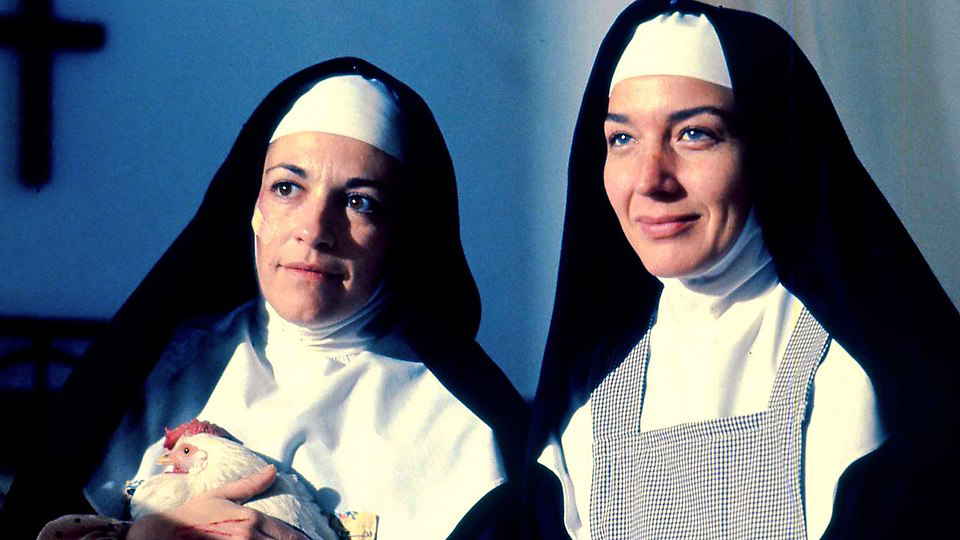
Almodóvar heads for the convent, where a singer hides out after her lover dies and finds that one sister takes LSD, another writes trashy novels under a pen name and a third keeps a tiger. Every one of them wants somewhere to belong. — A singer needs to vanish after her lover dies of an overdose, so she picks a convent whose order exists to take in fallen women. The trouble is that the sisters have fallen rather low themselves, and the Mother Superior can’t hide how delighted she is to have her.
The Celluloid Closet
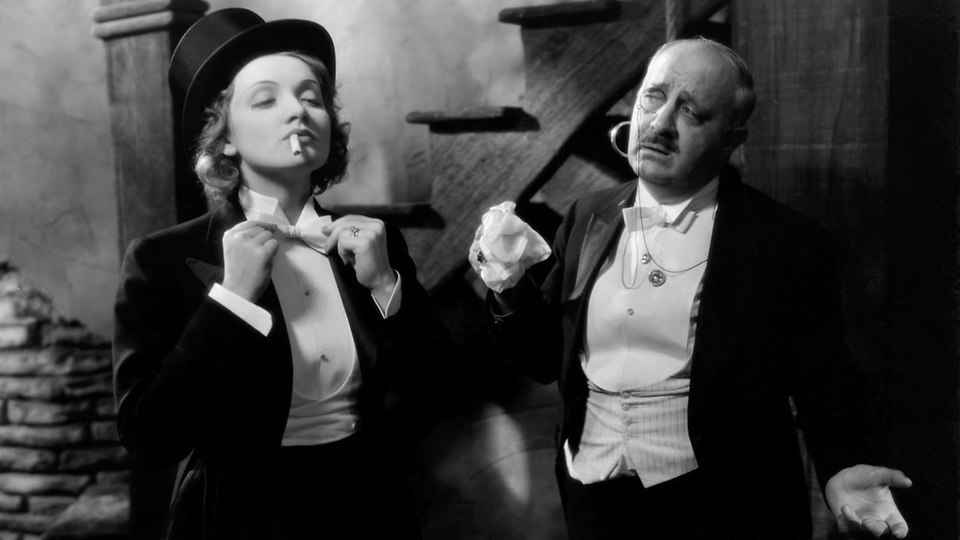
Hollywood spent a century putting gay men and lesbians in the movies, or hiding them there, and now the closet door is open. The filmmakers play old scenes back to the people who wrote and acted in them, and hear what could be shown openly, what had to be coded and what was quietly cut. — From the silent era to the mid-1990s, Hollywood is full of gay men and lesbians, who mostly appear as the punchline, the villain or the body in the third act. For thirty years the Production Code won’t even let a film name their sexuality outright. Now people from American cinema watch their own scenes again and tell the whole truth about them. — Teddy Award for Best Queer Documentary | Berlin Film Festival | 1996 Freedom of Expression Award | Sundance Film Festival | 1996 Nomination for 5 Primetime Emmy Awards | Emmy Awards | 1996
Breakfast on Pluto
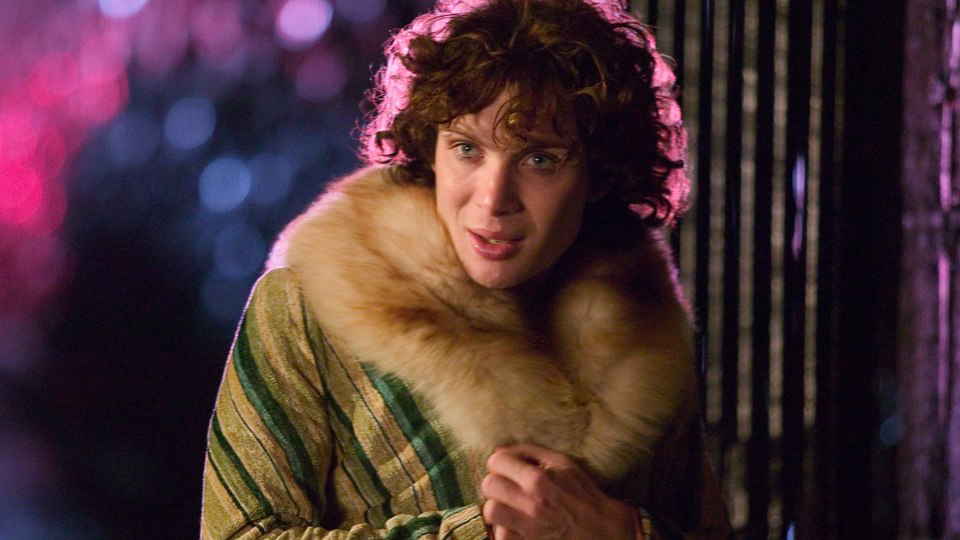
Neil Jordan gets a magnetic performance from Cillian Murphy in a film that’s as eccentric as it is down to earth. Kitten heads to London to find the mother she has never laid eyes on, and though bombs are going off all around her, she flatly refuses to let her life become a tragedy. — In a small Irish town in 1958, someone leaves a baby on the presbytery doorstep, and the priest who lives there is the child’s father. Twenty years later, Kitten sets off for London in search of the mother she has never seen. Bombs keep going off around her, and she hardly notices. — Nomination for Best Actor (Cillian Murphy) | Golden Globes | 2006 Official Selection | Berlin Film Festival | 2006 Nomination for Best European Film | European Film Awards | 2006 Nomination for Best European Actor (Cillian Murphy) | European Film Awards | 2006
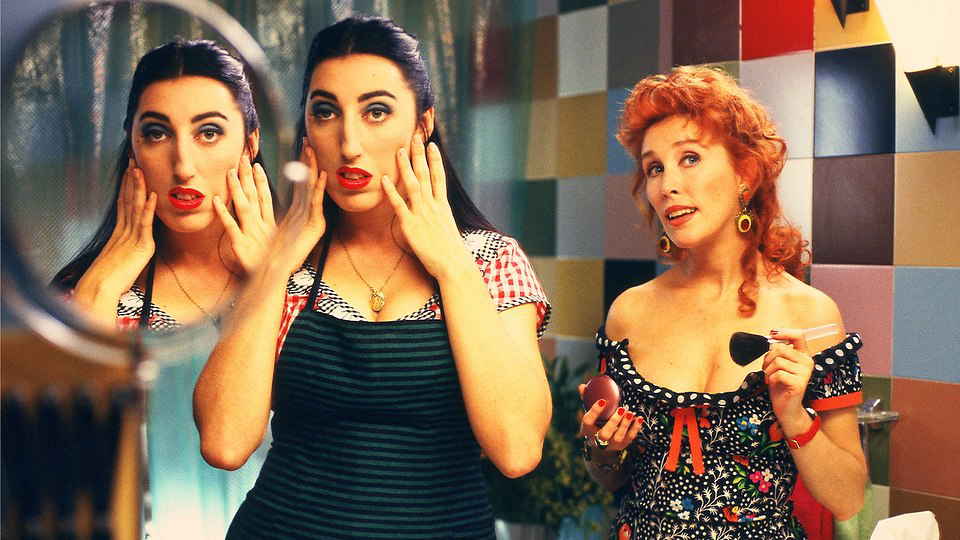
Kika
A TV reporter with a camera strapped to her head and a Jean Paul Gaultier outfit shares the story with a naive make-up artist, a peeping photographer and a killer, and sooner or later everything private ends up on air. It may be Almodóvar’s most extreme film, and he isn’t asking anyone’s approval. — Kika does make-up for a living and believes in every face she works on. Her boyfriend is a photographer who likes to watch people, and his stepfather, an American writer, lives under the same roof. Meanwhile a TV reporter hosts a show about the worst things that can happen to a person, and she needs a new one by tomorrow. — Best Lead Actress (Verónica Forqué) | Goya Awards | 1994
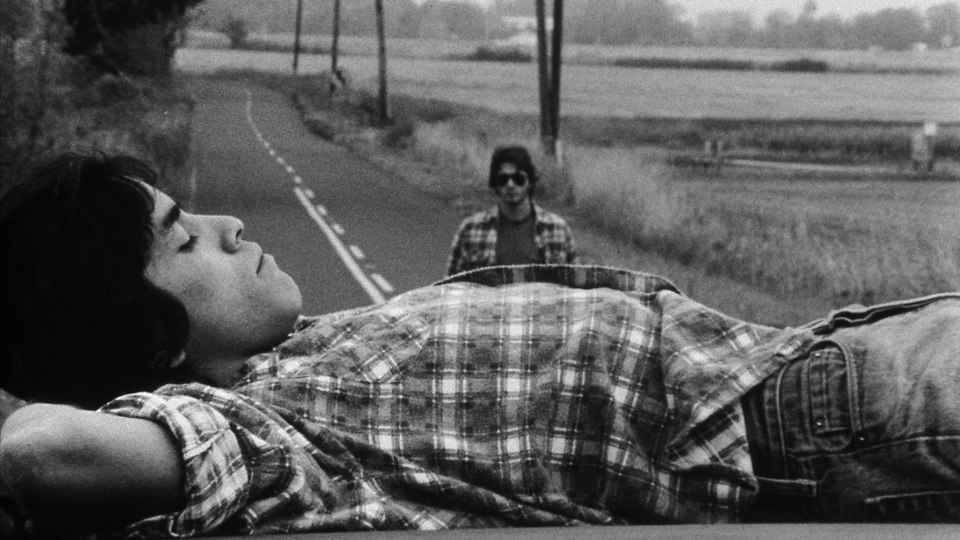
Mala Noche
Gus Van Sant made his debut on twenty-five thousand dollars of savings, adapting the memoir of Portland street poet Walt Curtis into a film that paved the way for New Queer Cinema. Its dark nights are thick with desire that never gets returned. — Walt works behind the counter of a shop in a part of Portland full of drunks and shady characters. He falls for Johnny, a young Mexican who barely speaks English and brushes him off straight away. Walt ends up in bed with Johnny’s friend Roberto instead, though he still can’t let Johnny go, and when Roberto comes down with a fever, Walt sits up with him all night.
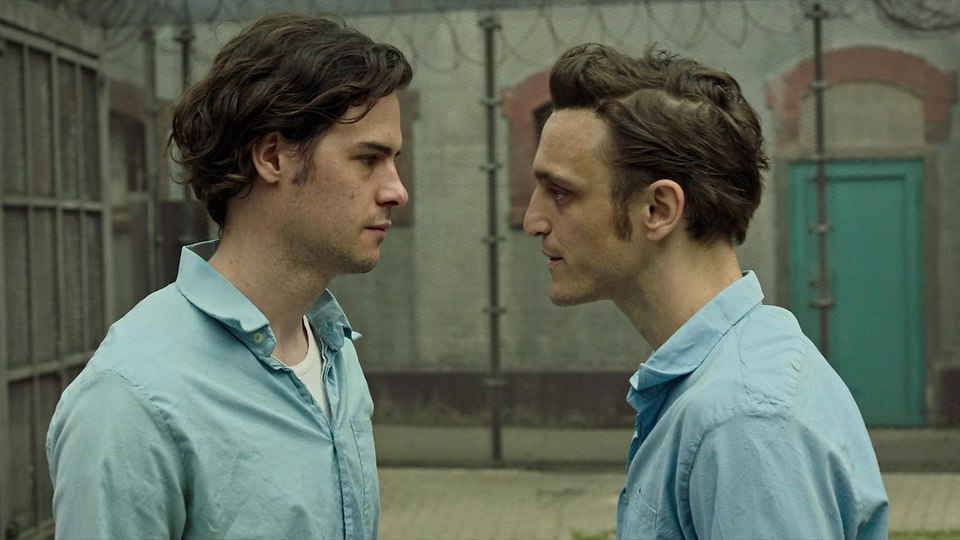
Great Freedom
Germany convicted men for being gay under a law that stayed in force until 1994, and in 1945 they went from the camps straight to a cell. Franz Rogowski (“Undine”) ends up there three times in a film that won the Jury Prize in Un Certain Regard at Cannes, and his one constant is a fellow inmate. — When Hans walks out of a concentration camp in 1945, he goes straight to prison, because his sentence for being gay hasn’t been served yet. He’ll be back twice more over the next twenty years. Each time he shares a cell with Victor, a convicted murderer who wants nothing to do with him. — Jury Prize - Un Certain Regard | Cannes Film Festival | 2021 Best Cinematography | European Film Awards | 2021 Audience Award | Athens Film Festival | 2021 Best Film | Sarajevo Film Festival | 2021
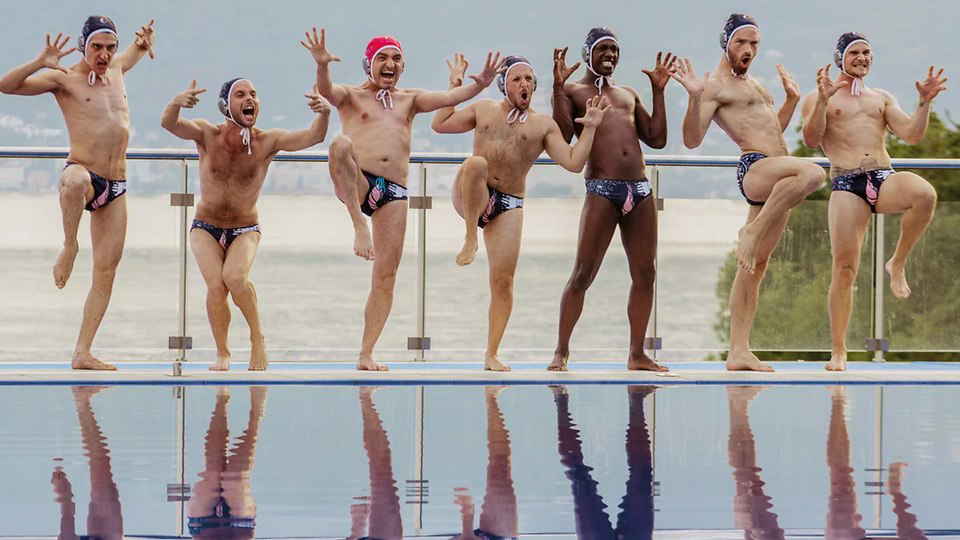
The Shiny Shrimps
Director Cédric Le Gallo dives headfirst into his own community with this story of a gay water polo team, all sequins and chlorine. It gets loud, and at times very rude indeed, but you’ll still be moved by the end. — Matthias Le Goff, a world championship silver medallist in swimming, pays for a single remark made on live television: for three months he has to coach a gay water polo team. The team is training for the Gay Games, and nobody asked its members what they thought of a new coach. Now they’re all stuck in the same pool for three months.

Lesbian Space Princess
This pink, hand-drawn Australian space opera won the Teddy Award, the Berlinale’s main queer prize, and it’s witty, charming and packed with pop-culture references as it tells the story of learning to value yourself. Just don’t sit the kids down in front of it. — Saira is the princess of Clitopolis, a planet ruled by two queens, and the only one there who can’t summon her own labrys. She’s ashamed of that, and of herself. When the Straight White Maliens kidnap her ex-girlfriend Kiki and demand the labrys as ransom, Saira, who has never left the planet, steals a ship and takes off. — Teddy Award | Berlin International Film Festival | 2025
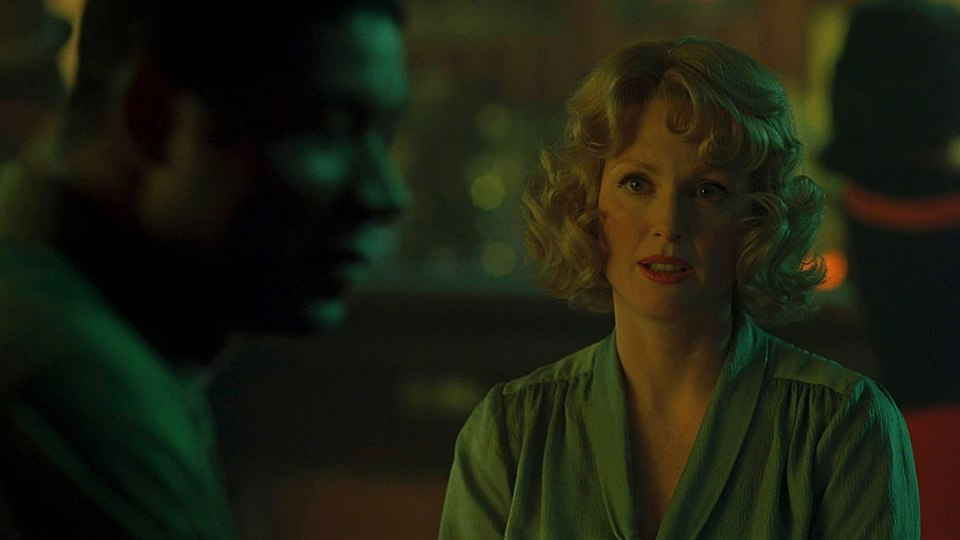
Far from Heaven
Censorship in the 1950s kept Douglas Sirk from making this melodrama, so Todd Haynes (“Carol”) made it instead, saying out loud and in colour everything Sirk could only hint at. It’s the role that defined Julianne Moore’s career. — Cathy Whitaker has a house, a husband, children and the respect of every neighbour on her street in Hartford, Connecticut, in 1957. One evening she walks in on her husband, Frank, with another man, and the only person she can still talk to is Raymond, her gardener. The whole town is watching them. — Nominated for Best Performance by an Actress in a Leading Role (Julianne Moore) | Oscars | 2003 Nominated for Best Original Screenplay | Oscars | 2003 Best Actress (Julianne Moore) | Venice Film Festival | 2002 SIGNIS Award - Honorable Mention | Venice Film Festival | 2002
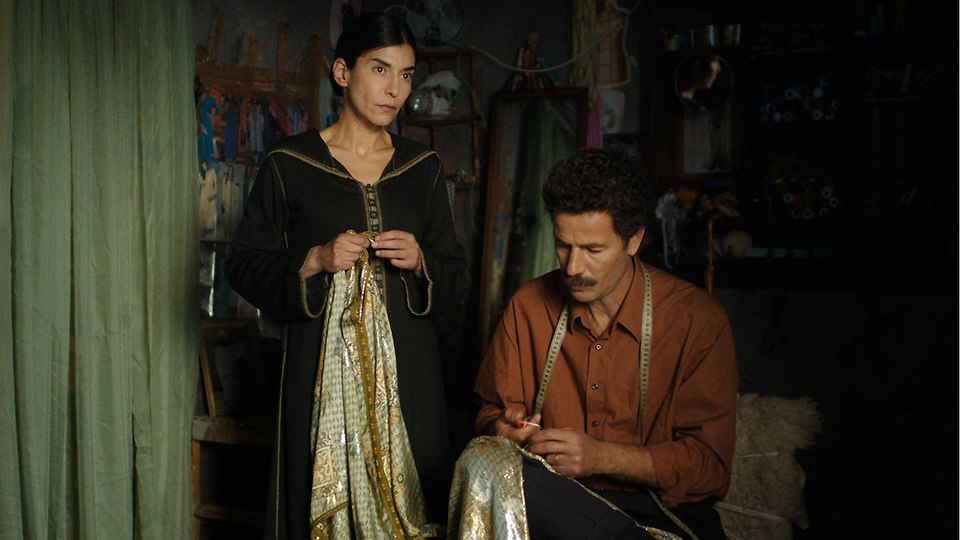
The Blue Caftan
This subtle Moroccan romance treats its fabrics with as much love as its people, and it won the FIPRESCI Prize in Un Certain Regard at Cannes. When a young apprentice joins Halim, who embroiders caftans by hand, nobody says out loud what is happening, but everyone knows. — Halim embroiders traditional caftans by hand in a small tailor’s shop in the old medina, keeping alive a craft that machines are steadily pushing out. His wife Mina is seriously ill, and their marriage rests on tenderness and on everything they leave unsaid. Then a young apprentice walks into the workshop. — FIPRESCI Prize - Un Certain Regard | Cannes Film Festival | 2022 Audience Award | Athens International Film Festival | 2022 Best Director | Chicago International Film Festival | 2022
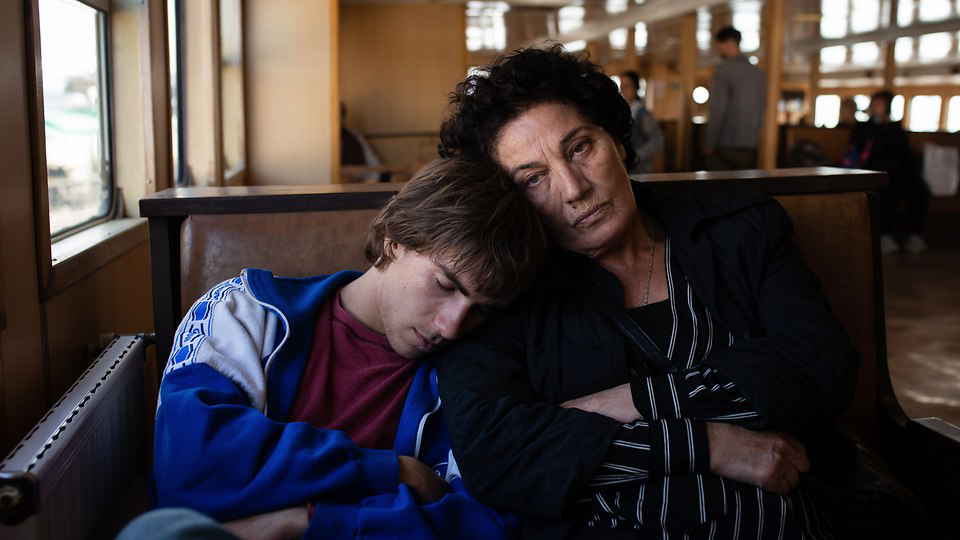
Crossing
Levan Akin’s “And Then We Danced” had the far right trying to storm cinemas in Tbilisi, and now he takes us to Istanbul, where a retired teacher and the boy from next door search for a girl who left Georgia and never came back. It’s a tender road movie that leaves you wanting to dance again. — Lia, a retired teacher in Georgia, has promised to find out what happened to her niece Tekla, and when Achi, a boy from the neighbourhood, tells her Tekla crossed over to Istanbul, she takes him with her. In a city that swallows people whole, they start knocking on doors. A group of trans women take them in, and Tekla seems closer than ever. — Teddy Jury Prize | Berlin Film Festival | 2024
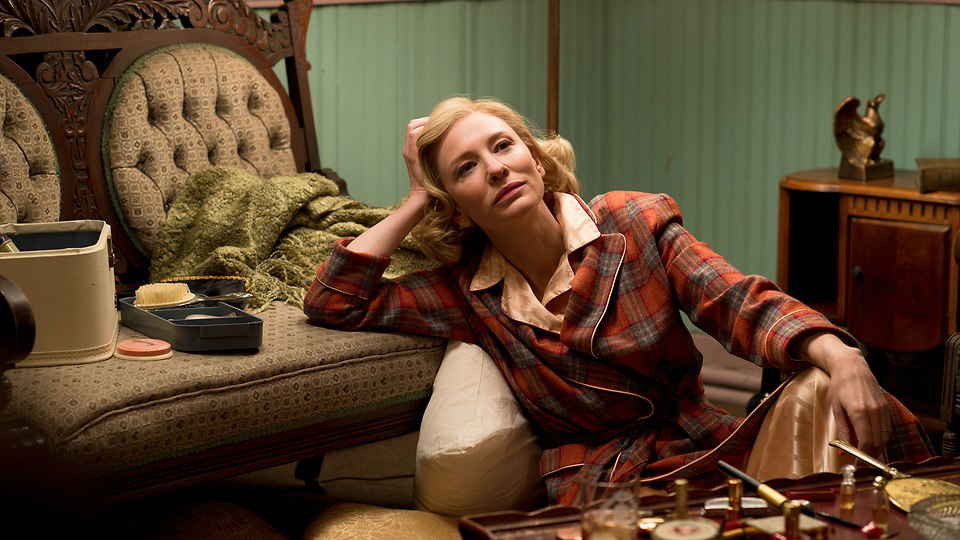
Carol
Cate Blanchett and Rooney Mara’s iconic romance begins at Christmas 1952, when an elegant woman leaves her gloves on a shop girl’s counter. The novel’s author used a pen name and got letters for years, and Todd Haynes turned it into a film with six Oscar nominations and the Queer Palm at Cannes. — At Christmas 1952, Therese is working the toy counter of a New York department store and dreaming of becoming a photographer. When an elegant customer, Carol, buys a train set and leaves her gloves behind, Therese posts them back to her. Carol is going through a divorce, and her husband is trying to take her daughter from her. — Nominated for Best Actress in a Leading Role (Cate Blanchett) | Oscars | 2016 Nominated for Best Performance by an Actress in a Supporting Role (Rooney Mara) | Oscars | 2016 Nominated for Best Adapted Screenplay | Oscars | 2016 Nominated for Best Cinematography | Oscars | 2016 Nominated for Best Costume Design | Oscars | 2016 Nominated for Best Original Score | Oscars | 2016 Best Actress (Rooney Mara) | Cannes Film Festival | 2015 Queer Palm | Cannes Film Festival | 2015 Nominated for Best Film | Golden Globes | 2016 Golden Frog | CAMERIMAGE Film Festival | 2015
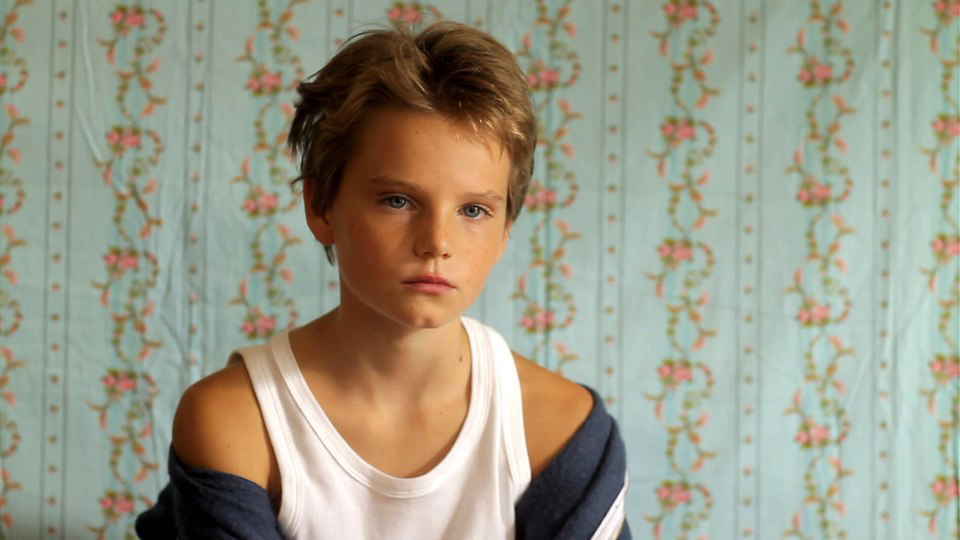
Tomboy
Conservatives called for strikes, but more than 46,000 French pupils still watched it at school. Before she made “Portrait of a Lady on Fire”, Céline Sciamma told the story of a ten-year-old girl who moves to a new neighbourhood and introduces herself to the kids there as a boy. — When a ten-year-old girl moves to the Paris suburbs with her parents and little sister, she sets out to make friends with the only girl in a gang of boys. Seeing the short hair, the clothes and the way she carries herself, the girl takes her for a boy. That will make things easier, so she introduces herself to the rest of the gang as a boy as well. — Teddy Jury Award | Berlin International Film Festival | 2011
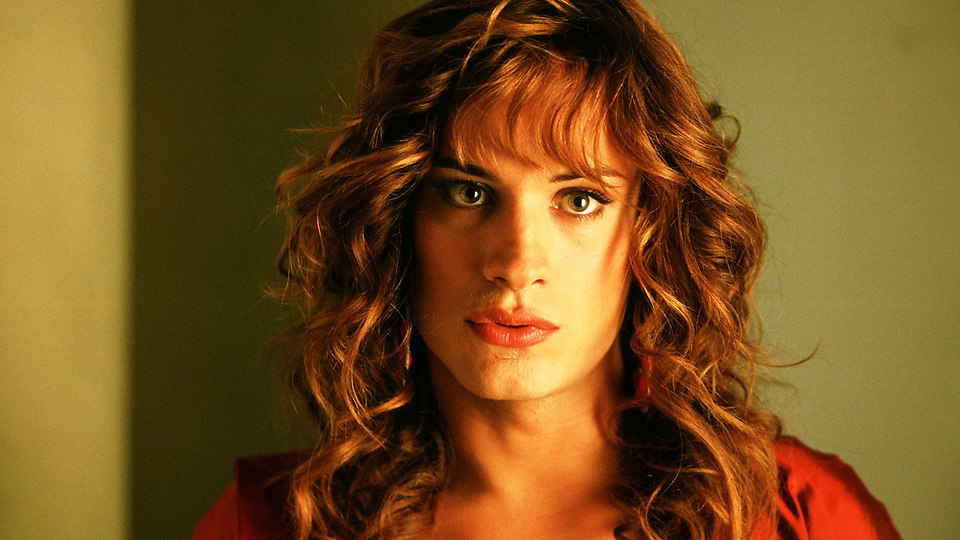
Bad Education
A director opens a script from an old school friend and finds his own childhood in it: the Catholic boarding school, the priest who ran the choir. He should stop reading, but he can’t. Gael García Bernal plays a role modelled on Alain Delon’s Ripley in what may be Almodóvar’s most personal film. — The director Enrique Goded is short of a subject for his next film in 1980 Madrid when a man walks into his office, leaves a script and says he’s the boy Enrique was in love with at school. The pages are about the two of them, their Catholic boarding school and their priest, and Enrique begins to read. — Nominated for Best Film Not in the English Language | BAFTA Awards | 2005 Nominated for Best European Director | European Film Awards | 2004 Nominated for Best European Screenwriter | European Film Awards | 2004
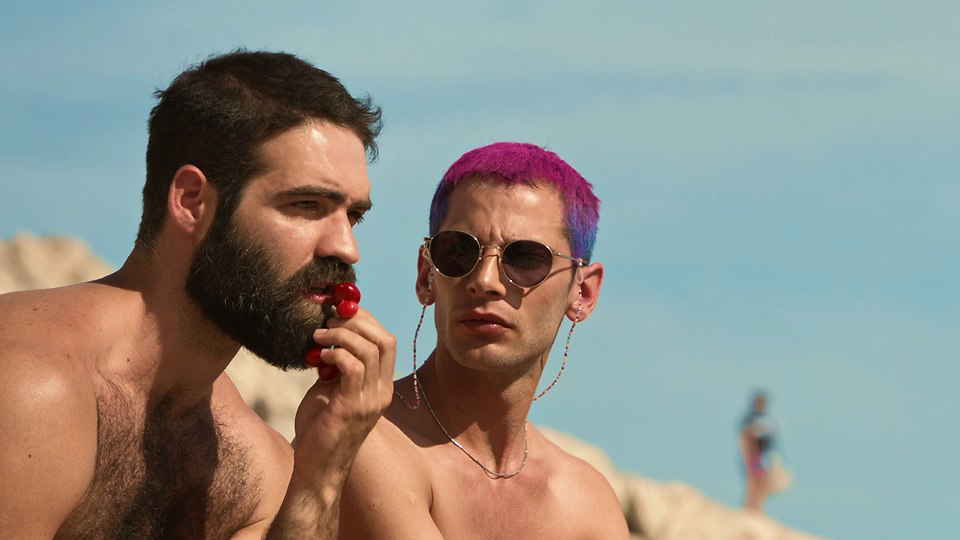
The Summer with Carmen
Two friends spend a whole day on a nudist beach working out a screenplay, which turns out to be the very film you’re about to watch. What comes out is a comedy that holds nothing back and a shamelessly queer celebration of being young in a summer that never seems to end. — Lying on a nudist beach for an entire day, Demosthenes and Nikitas talk over the screenplay they want to write. The story keeps coming back to the summer of Demosthenes’s break-up and to Carmen, his ex’s dog. The more they work on it, the more each of them ends up saying things he never meant to say. — Official Selection - Giornate Degli Autori | Venice Film Festival | 2023 Youth Jury Award | Thessaloniki Film Festival | 2023 Audience Award | Thessaloniki Film Festival | 2023
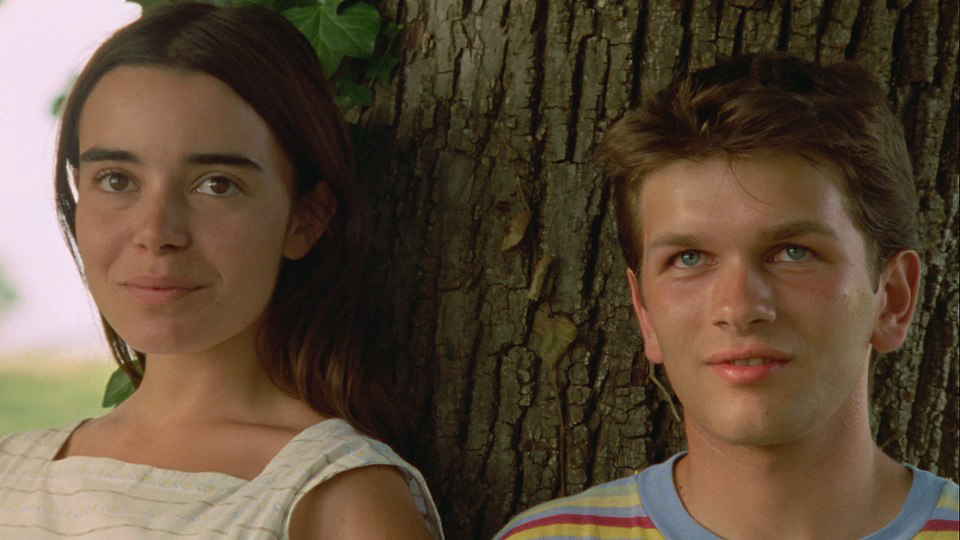
Wild Reeds
André Téchiné drew partly on his own youth for this innocent but unashamed queer coming-of-age story, which won him four Césars. Its characters are flesh and blood: they read, argue and fall for the wrong people. Few films are tenderer about first feelings passed from one young heart to the next. — It’s 1962 at a boarding school somewhere in provincial France, and the Algerian War is drawing to a close. François reads a lot and isn’t yet sure of anything about himself. One night Serge, a farmer’s son, comes to his bed, though by morning he’d rather forget it, and soon he’s hanging around Maïté instead. Meanwhile Henri, older than the rest of them, arrives from Algeria angry at everything. — Best Film | César Awards | 1995 Most Promising Actress (Élodie Bouchez) | César Awards | 1995 Best Director | César Awards | 1995 Best Screenplay | César Awards | 1995 Nominated for Un Certain Regard Prize | Cannes Film Festival | 1994
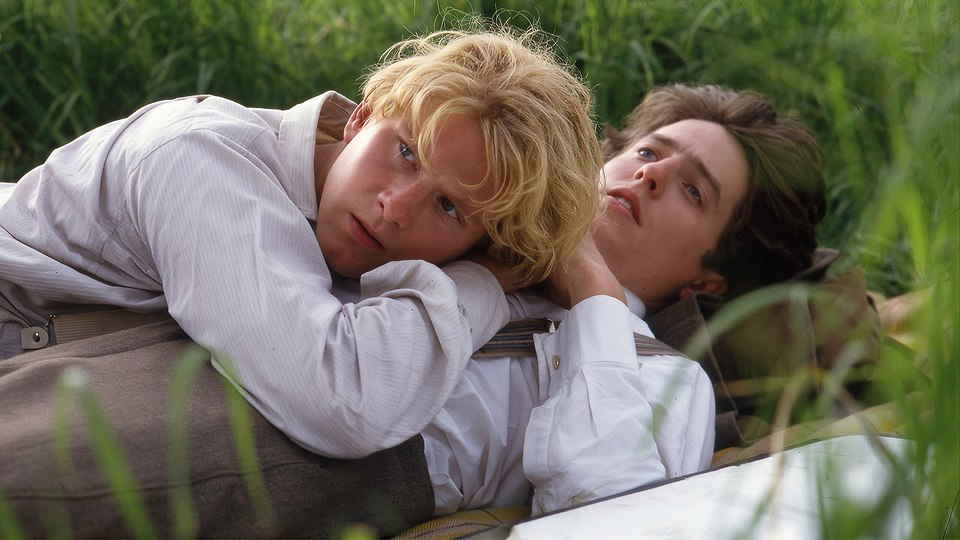
Maurice
Hugh Grant and James Wilby shared the acting prize at Venice as the two halves of one romance. E.M. Forster finished the novel in 1914, but it took James Ivory (“The Remains of the Day”) to film this story of two Cambridge students and a passion with no place in pre-war England. — In Cambridge in 1909, Clive Durham tells Maurice Hall how he feels about him and asks at once that they go no further than words. They don’t, and their love never becomes physical. When an acquaintance is arrested, Clive pulls back and marries, while Maurice goes in search of a doctor who can cure him. Then, at Clive’s country house, the gamekeeper begins to watch him more closely. — Nominated for Best Costume Design | Oscars | 1988 Best Actor (Hugh Grant) | Venice Film Festival | 1987 Best Original Score | Venice Film Festival | 1987 Silver Lion | Venice Film Festival | 1987
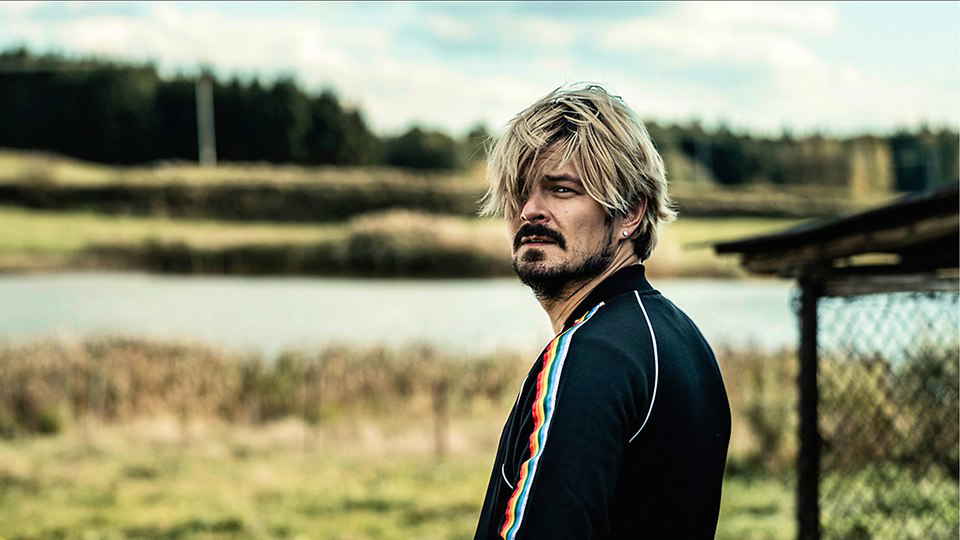
All Our Fears
Dawid Ogrodnik plays Daniel Rycharski, a gay Catholic, an activist, a village boy and a visual artist who has no intention of giving up any part of who he is. The film, which won the Golden Lions at Gdynia, asks whether society is ready to let him be all of those things at once. — Daniel is an artist who grew up in a Polish village where everyone knows everyone, yet almost nobody knows he’s gay, and he keeps his relationship with Olek, a local boy, hidden from the whole area. When a teenage girl from the village takes her own life after months of bullying, he wants to hold a Way of the Cross in her memory. The villagers stay away, but the Warsaw galleries turn up. — Golden Lions | Polish Film Festival | 2021 Discovery of Year Award | Eagles - Polish Film Awards | 2022

L'immensità
Penélope Cruz plays a mother of three in 1970s Rome. Emanuele Crialese, who is trans himself, was 57 when he made this partly autobiographical film about growing up at odds with the gender you were assigned, and the eldest of the three children is a lot like him. — Clara came to Rome from Spain, and in the early 1970s she lives in one of the new blocks of flats on the edge of the city. She adores her three children, but her marriage is falling apart and her husband is having an affair. The eldest Borghetti child is twelve, gives strangers a boy’s name and wants to be called by it at home as well. Clara and Andrea are lonely in much the same way. — Nominated for Queer Lion Award | Venice Film Festival | 2022 Official Selection | Venice Film Festival | 2022
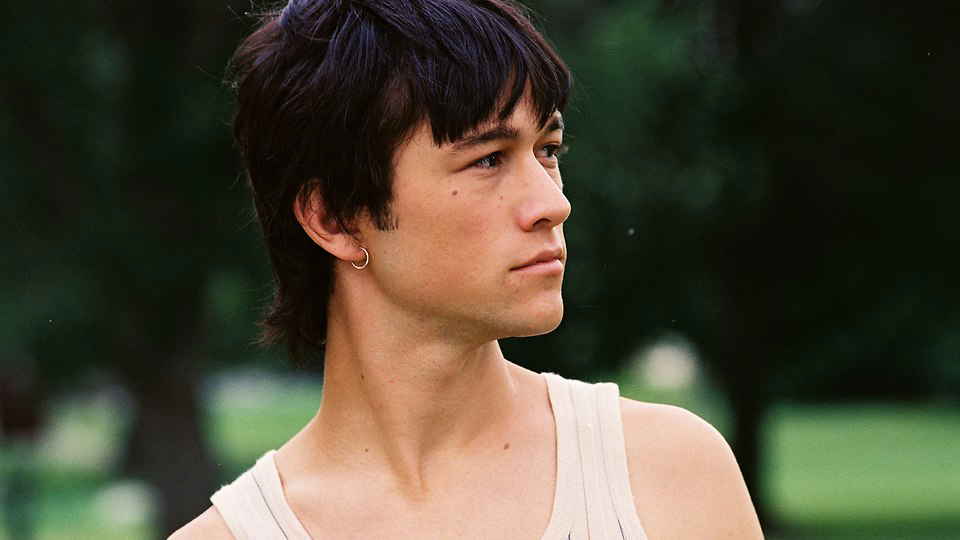
Mysterious Skin
Joseph Gordon-Levitt and Brady Corbet (who later directed “The Brutalist”) are extraordinary in Gregg Araki’s unflinching story of childhood abuse. Araki told his young actors they were in a different film and used tricks to shield them from the scenes’ sexual side, and it feels painfully real. — In the summer of 1981, eight-year-old Neil believes that what his coach is doing to him is a sign of love. One rainy day Brian, from the same team, loses five hours and wakes up in a basement with a nosebleed he can’t explain, and as a teenager he decides he was abducted by aliens. Ten years on, Brian is obsessed with UFOs and Neil is selling himself in bars, until Brian comes across an old team photo and recognises the boy from his dreams. — Official Selection | Venice Film Festival | 2004 Nominated for Best Director | Film Independent Spirit Awards | 2006
Get free cinema tickets
Our website uses Cookies
We use cookies to offer you the best possible experience on our site.
- Necessary cookies
- Analytics cookies
- Advertisement cookies