
Oscars
This is Oscar history. Films that captivated the Academy and audiences alike - from iconic performances and award-winning screenplays to international standouts and Polish nominees. The stories, talents, and milestones that shaped the Oscars, all in one collection.
Titles in this collection
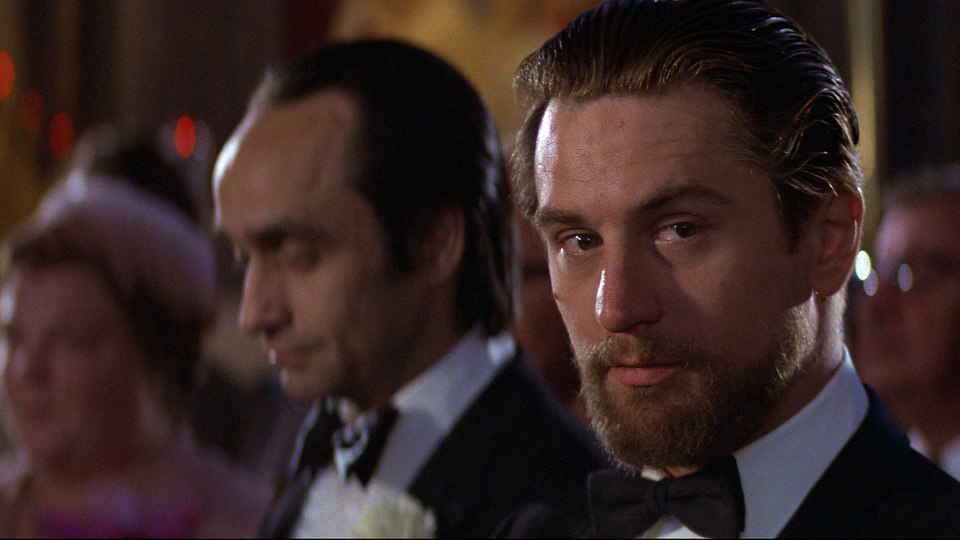
The Deer Hunter
At home they hunt deer, but in Vietnam they hold a revolver to their own heads. Michael Cimino’s film about the trauma of war, with Robert De Niro and Christopher Walken, won five Oscars, and before the devastating game of Russian roulette begins, it gives you time to love these men. — In a Pennsylvania steel town, three friends come off their shift and go straight to a wedding. Steven is getting married, and in a few days all three are leaving for Vietnam; that same night Nick and Linda get engaged. At dawn they head up into the mountains to hunt deer, where it turns out Mike will never take more than one shot. And the war begins right after the wedding. — Best Film | Oscars | 1979 Best Film Editing | Oscars | 1979 Best Director | Oscars | 1979 Best Performance by an Actor in a Supporting Role (Christopher Walken) | Oscars | 1979 Best Sound | Oscars | 1979 Nominated for Best Performance by an Actor in a Leading Role (Robert De Niro) | Oscars | 1979 Nominated for Best Performance by an Actress in a Supporting Role (Meryl Streep) | Oscars | 1979 Nominated for Best Original Screenplay | Oscars | 1979 Nominated for Best Cinematography | Oscars | 1979 Best Director | Golden Globes | 1979
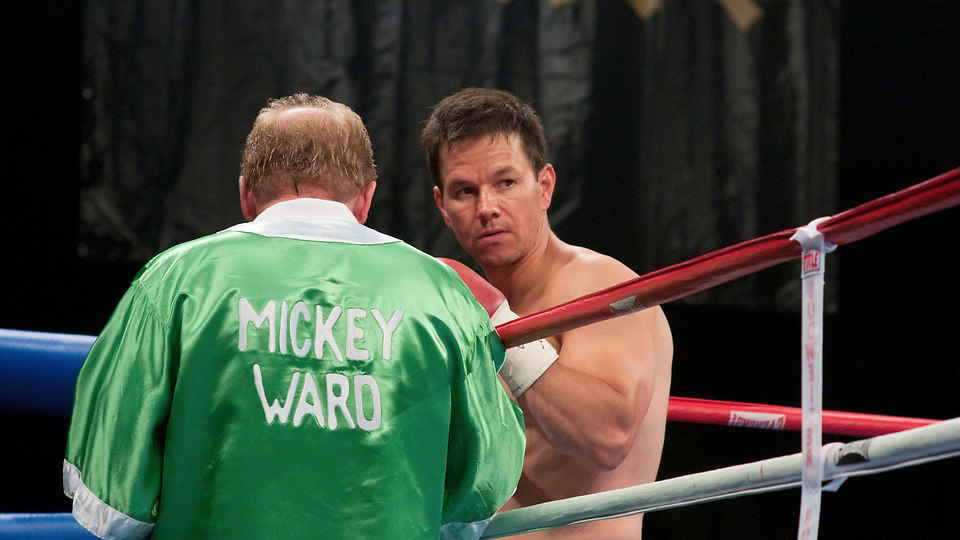
The Fighter
Every step Micky Ward takes toward the top costs him a beating, and he’s losing fight after fight, with his mother running his career and his brother, an ex-boxer with a drug habit, training him. Mark Wahlberg, Amy Adams, Christian Bale and Melissa Leo star, and the last two won acting Oscars. — Micky Ward is a light welterweight from Lowell, Massachusetts, who keeps getting into fights he has no chance of winning. His mother, Alice, manages him, and he’s trained by his half-brother Dicky, a former boxer who is still on crack. After a brutal defeat by a much heavier opponent, Micky meets Charlene, a bartender, who tells him plainly that he needs to cut himself loose from his family. — Best Performance by an Actor in a Supporting Role (Christian Bale) | Oscars | 2011 Best Performance by an Actress in a Supporting Role (Melissa Leo) | Oscars | 2011 Nominated for Best Film | Oscars | 2011 Nominated for Best Director | Oscars | 2011 Nominated for Best Performance by an Actress in a Supporting Role (Amy Adams) | Oscars | 2011 Nominated for Best Original Screenplay | Oscars | 2011
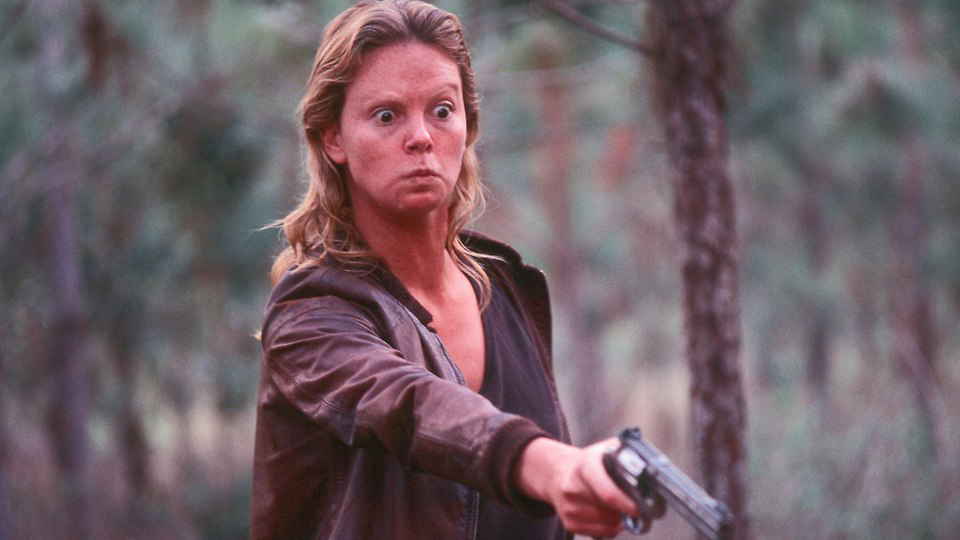
Monster
Charlize Theron’s famous beauty vanishes completely in her role as a serial killer, a performance that won her the Oscar, the Golden Globe and the Silver Bear, and one Roger Ebert called among the greatest in film history. Hard to believe it was Patty Jenkins’s first film as a director. — It’s 1989 in Daytona Beach, and Aileen Wuornos is homeless and selling herself at roadside rest stops when she meets Selby Wall in a bar. Before long the two of them are kissing at a roller rink. When money runs short, Aileen gets into a stranger’s car. He drives her into the woods and attacks her, and she shoots him and takes off in his car. Something in her has changed. — Best Performance by an Actress in a Leading Role (Charlize Theron) | Oscars | 2004 Best Actress (Charlize Theron) | Berlin International Film Festival | 2004 Best Actress - Drama (Charlize Theron) | Golden Globes | 2004 Best First Feature | Film Independent Spirit Awards | 2004
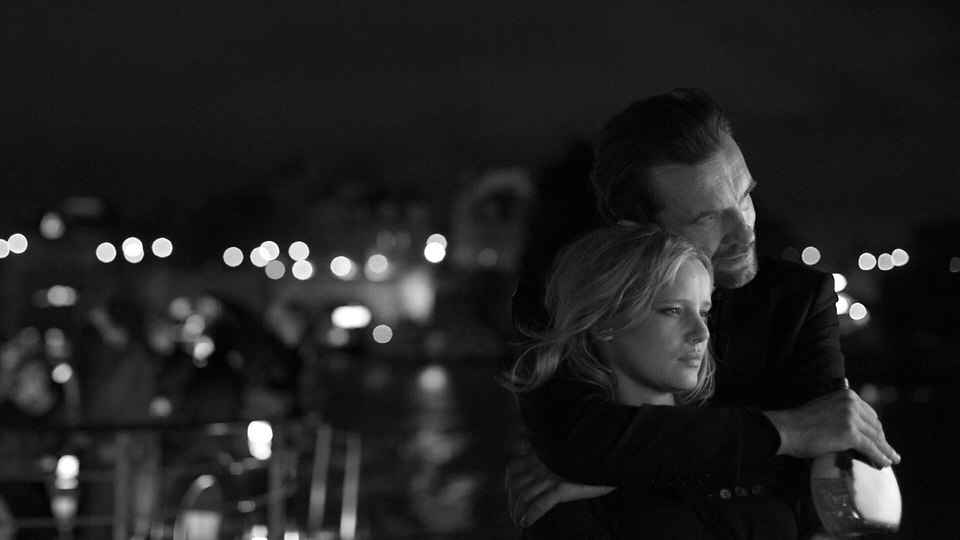
Cold War
Joanna Kulig and Tomasz Kot are two people who can neither live together nor leave each other alone, in a post-war Europe shot in black and white. The melodrama won Paweł Pawlikowski (“Ida”) Best Director at Cannes, earned three Oscar nominations and took the whole world by storm. — Zula and Wiktor meet among the ruins of post-war Poland and fall into a love that neither of them can escape. Over the years of the Cold War it pulls them through Poland, France, Germany and Yugoslavia, while politics, their own failings and a run of bad luck keep tearing them apart, only to bring them back together. — Nominated for Best Foreign Language Film | Oscars | 2019 Nominated for Best Achievement in Directing | Oscars | 2019 Nominated for Best Achievement in Cinematography | Oscars | 2019 Best Director | Cannes Film Festival | 2018
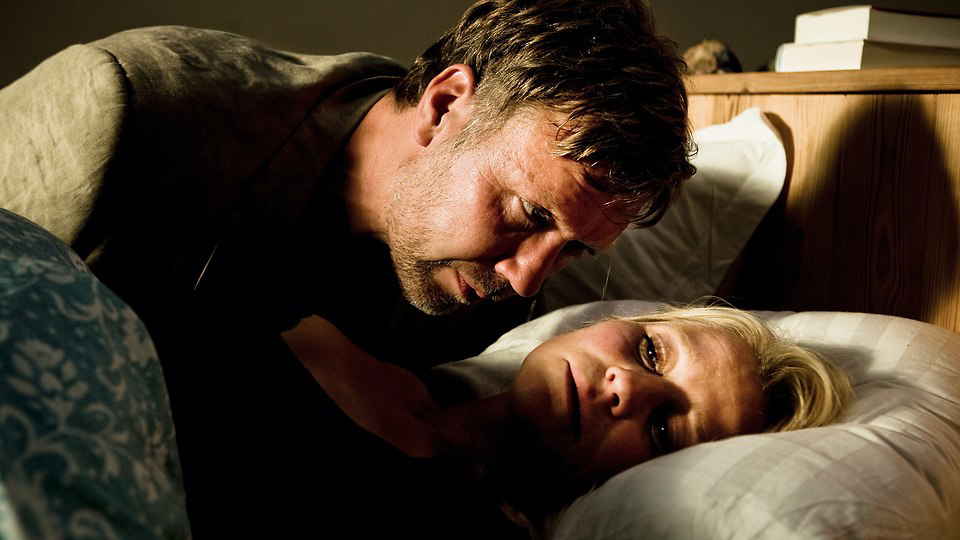
In a Better World
Winner of the Oscar and the Golden Globe for Best Foreign Language Film, Susanne Bier’s drama refuses to see the world in simple terms. A father tries to convince his son that violence never pays, and the son answers that it does, as long as you hit hard enough the first time. — Anton is a doctor who splits his life between a refugee camp in Africa, where he patches up people maimed by a local warlord, and a small Danish town, where his marriage died long ago. His twelve-year-old son, Elias, is beaten up at school until a new boy, Christian, takes his side and settles the matter with a knife. The two boys then agree on one story to tell the adults. — Best Foreign Language Film | Oscars | 2011 Best Non-English Language Film | Golden Globes | 2011 Best European Film | Golden Globes | 2011 Best European Director | European Film Awards | 2011
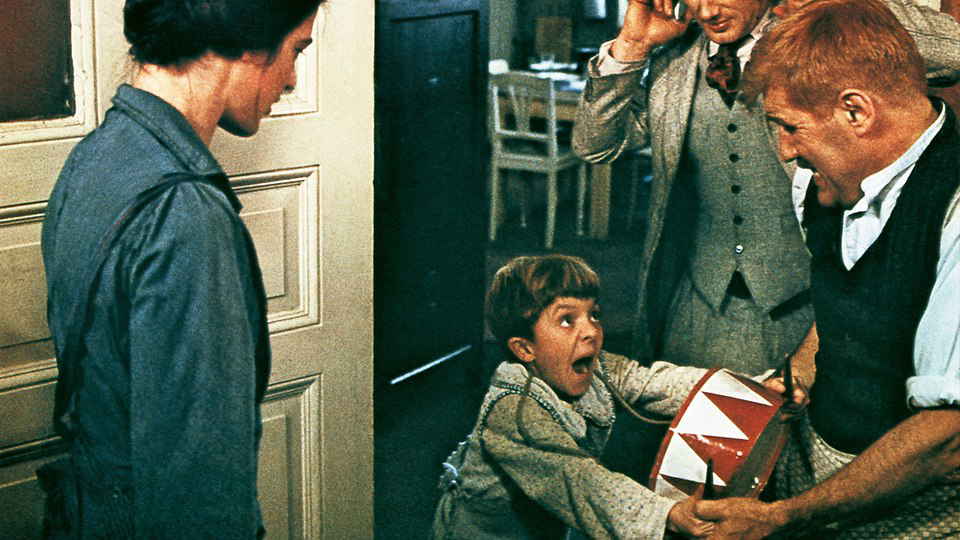
The Tin Drum
Volker Schlöndorff’s film of Nobel laureate Günter Grass’s novel shared the Palme d’Or with “Apocalypse Now” and won an Oscar. Daniel Olbrychski plays Jan Bronski, lover of little Oskar’s mother, in a Free City of Danzig where a boy beats a drum and his scream can shatter glass. — It’s the 1920s in the Free City of Danzig, and on his third birthday Oskar is given a tin drum. Around the table sit the grown-ups: his mother Agnes, her husband Alfred and her cousin Jan. The boy studies each of them in turn and decides he will never become an adult, nor grow a single centimetre more. Outside the window, flags begin to fly. — Best Foreign Language Film | Oscars | 1980 Palme d'Or | Cannes Film Festival | 1979 Nominated for Best Foreign Film | César Awards | 1980
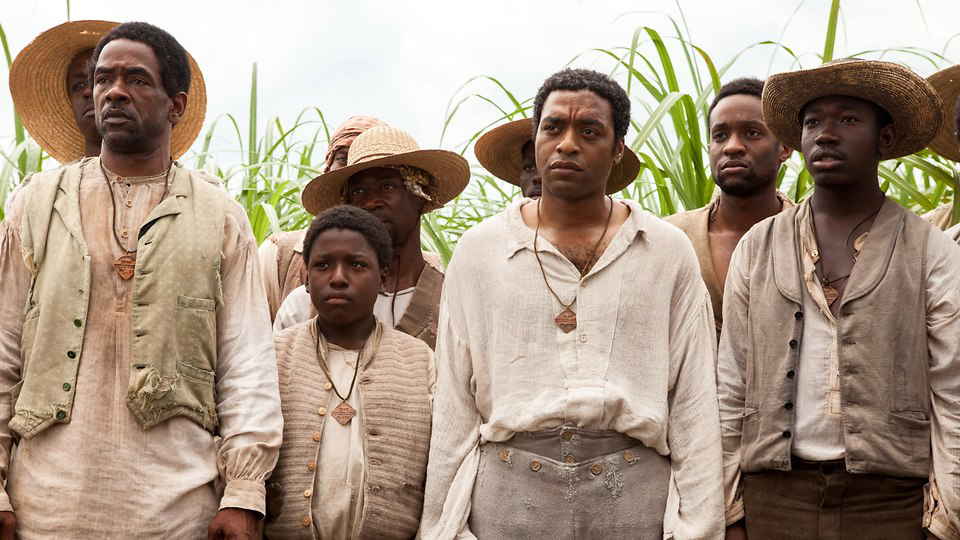
12 Years a Slave
Steve McQueen (“Hunger”) made a historical drama that gave the Oscars a rare moment, winning Best Picture and the screenplay award, while Lupita Nyong’o (“The Odyssey”), then making her debut, won one too. It shows slavery in a way you can’t take your eyes off. — Two decades before the Civil War, Solomon Northup is a free man in upstate New York, a violinist with a wife and two children, until two strangers offer him work in Washington and he wakes up in chains. Sold into the South under a name that isn’t his, he ends up where knowing how to read could cost him his life. Twelve years into his time on the plantation, a Canadian carpenter arrives. — Best Film | Oscars | 2014 Best Adapted Screenplay | Oscars | 2014 Best Performance by an Actress in a Supporting Role (Lupita Nyong'o) | Oscars | 2014 Best Film | BAFTA | 2014 Best Actor (Chiwetel Ejiofor) | BAFTA | 2014 Best Motion Picture - Drama | Golden Globes | 2013 People’s Choice Award | Toronto International Film Festival | 2013
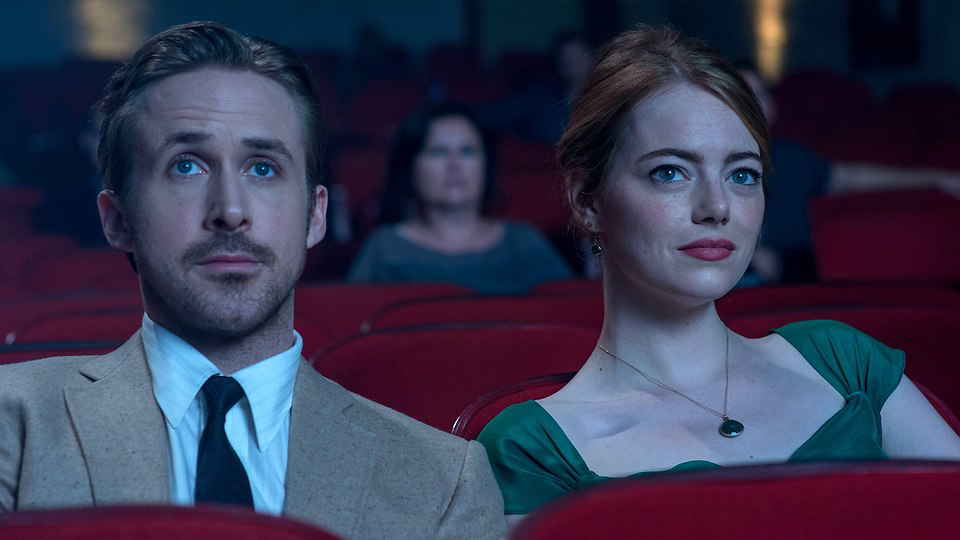
La La Land
Ryan Gosling and Emma Stone star in a much-loved modern take on the classic Hollywood musical, set in a Los Angeles where a pianist and an actress can’t get work. It’s all love and dancing, and it earned fourteen Oscar nominations and six wins. For anyone who still hasn’t given up on a dream. — A traffic jam on a Los Angeles freeway breaks into dance, while Mia runs her lines in the car on the way to yet another audition. Sebastian, meanwhile, is playing Christmas carols in a restaurant that has banned him from playing jazz. Their first two meetings don’t go well, but after the third they find in each other the support neither of them expected on the way to their dreams. — Nomination for Best Film | Oscars | 2017 Best Director | Oscars | 2017 Best Performance by an Actress in a Leading Role (Emma Stone) | Oscars | 2017 Nomination for Best Performance by an Actor in a Leading Role (Ryan Gosling) | Oscars | 2017 Best Cinematography | Oscars | 2017 Best Original Score | Oscars | 2017 Best Original Song | Oscars | 2017 Best Production Design | Oscars | 2017
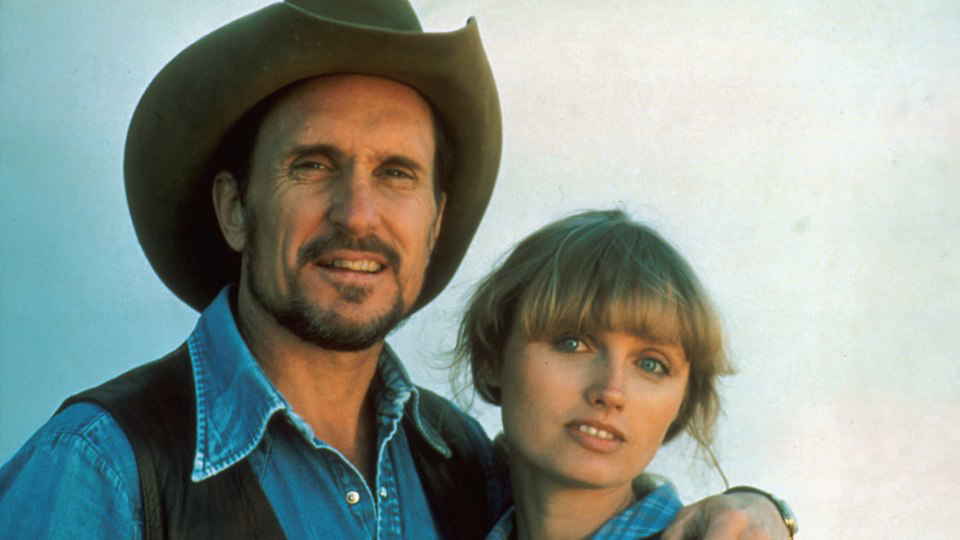
Tender Mercies
Robert Duvall won an Oscar, and wrote his own songs, as a washed-up country singer who lands at a motel without a cent. The screenplay won too, out of five nominations. Bruce Beresford (“Driving Miss Daisy”) keeps it quietly tender, and the widow who runs the place offers him work on one condition. — Mac Sledge wakes up on the floor of a roadside motel in Texas after a night of drinking, with no money to settle the bill. He used to fill halls as a country singer, but nobody wants to book him now. So he offers to work off what he owes, and Rosa Lee, the young widow who owns the place, agrees on one condition: not a drop of alcohol while he’s working. — Best Performance by an Actor in a Leading Role (Robert Duvall) | Oscars | 1984 Best Original Screenplay | Oscars | 1984 Nominated for Best Film | Oscars | 1984 Nominated for Best Director | Oscars | 1984 Nominated for Best Original Song | Oscars | 1984 Best Actor - Drama (Robert Duvall) | Golden Globes | 1984 Nominated for Best Film | Golden Globes | 1984 Nominated for Best Director | Golden Globes | 1984 Nominated for Best Supporting Actress (Tess Harper) | Golden Globes | 1984 Nominated for Best Original Song | Golden Globes | 1984 Official Selection | Cannes Film Festival | 1983
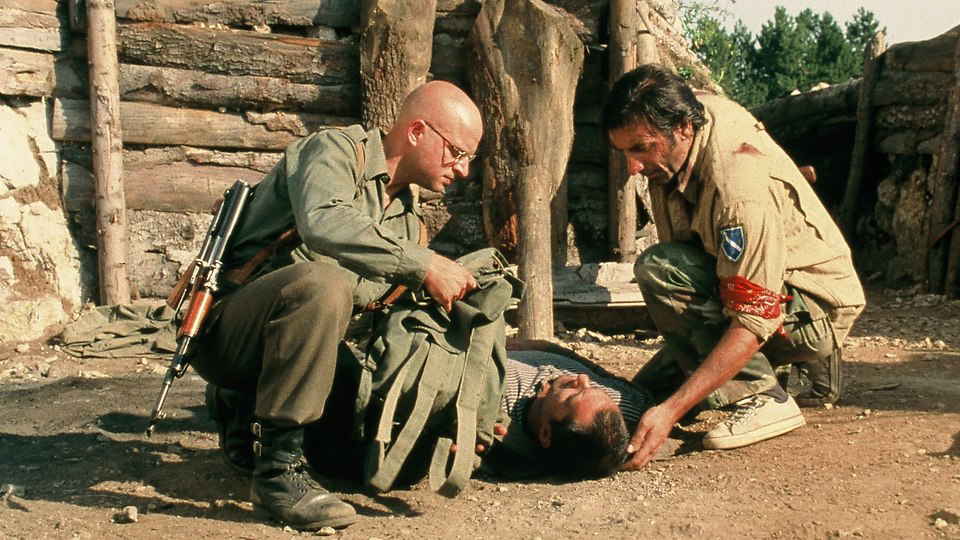
No Man's Land
Two enemy soldiers share a trench with a wounded man lying on a primed mine between them, and nobody outside is in any hurry to help. Danis Tanović, who ran the Bosnian army’s film archive for the first two years of the war, won the Oscar for Best Foreign Language Film with his first feature. — Midway through the war in Bosnia, two soldiers from opposite sides find themselves trapped together in a trench between the front lines. Next to them the wounded Cera lies on his back on a mine that will go off as soon as he moves. When the peacekeepers turn up, the cameras are right behind them. — Best Foreign Language Film | Oscars | 2002 Best Foreign Language Film | Golden Globes | 2002 Best Screenplay | Cannes Film Festival | 2001 European Screenwriter | European Film Awards | 2001 Audience Award | San Sebastian Film Festival | 2001
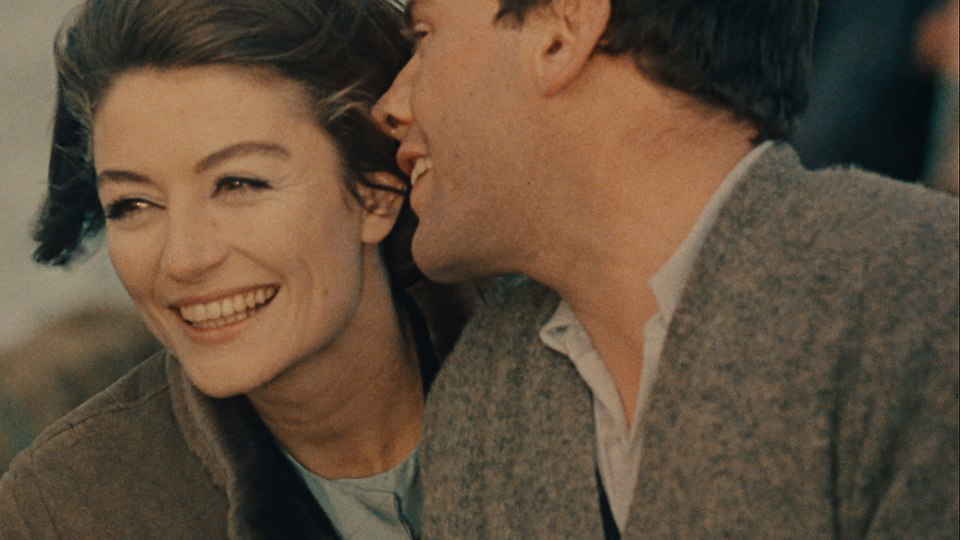
A Man and a Woman
This elegant romance won two Oscars and the Palme d’Or, and its Francis Lai melody will stay in your head for days. Two people fall for each other while unsure they’re allowed to be happy, and Lelouch went back to their story twice more. It makes you believe it’s never too late to fall in love. — On a Sunday afternoon in Deauville, Anne and Jean-Louis are taking their children back to the same boarding school, and both of them have come alone. She works in film and lost her husband, a stuntman, on set, while he races cars and is a widower too. When she misses her train, he offers to drive her to Paris. It’s a long road, and neither of them is in a hurry. — Best Foreign Language Film | Oscars | 1967 Best Original Screenplay | Oscars | 1967 Palme d'Or | Cannes Film Festival | 1966 Nominated for Best Actress in a Leading Role (Anouk Aimée) | Oscars | 1967 Nominated for Best Director | Oscars | 1967 Best Actress - Drama (Anouk Aimée) | Golden Globes | 1967 Best Non-English Language Film | Golden Globes | 1967 Nominated for Best Director | Golden Globes | 1967 Nominated for Best Original Score | Golden Globes | 1967 Nominated for Best Original Song | Golden Globes | 1967
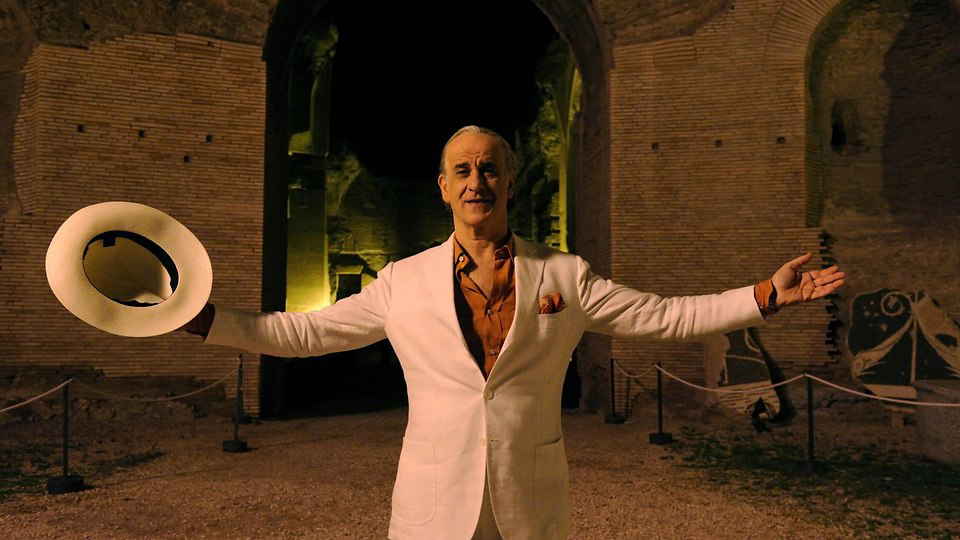
The Great Beauty
Jep Gambardella turns sixty-five on a terrace overlooking the Colosseum, where the wild partying keeps running into an existential void. Sorrentino’s most Felliniesque tribute to Rome won him the Oscar for Best Foreign Language Film, and it’s all painful revelry and, well, great beauty. — In summertime Rome, Jep Gambardella is sixty-five and still the most wanted guest at every dinner and party in town, and the best of them are the ones he throws himself on his terrace overlooking the Colosseum. Back when he was a young journalist, he wrote one novel, which won a prize and earned him a name as an artist. He hasn’t written a word since. — Oscar Best Foreign Language Film | Oscars | 2014
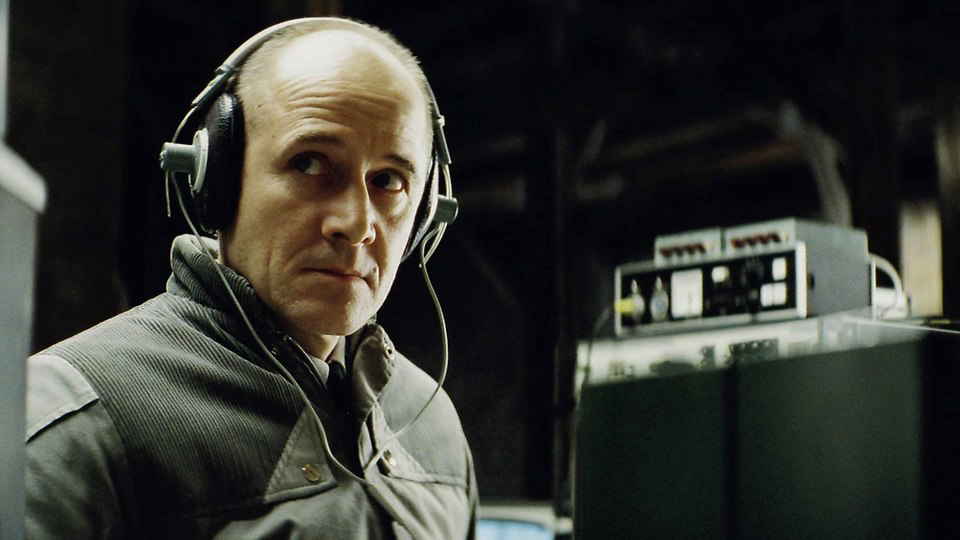
The Lives of Others
The head of the former Stasi prison memorial refused permission to film, yet it became one of the century’s most powerful films and won the Oscar for Best Foreign Language Film. A political thriller with a moving love story at its heart, it’s set in dark times when honesty comes at a high price. — It’s 1984 in East Berlin, and Stasi captain Gerd Wiesler has orders to bug the flat of Georg Dreyman, the country’s most celebrated playwright, and to take down every word he hears. Dreyman is writing a text meant to reach the West, while up in the attic, Wiesler listens. — Best Foreign Language Film | Oscars | 2007 Best Film Not in the English Language | BAFTA Awards | 2008 Best Foreign Film | César Awards | 2008 Best Foreign Film | Film Independent Spirit Awards | 2007 Audience Award | Locarno International Film Festival | 2006 Audience Award | Palm Springs International Film Festival | 2007 Audience Award | Rotterdam Film Festival | 2007
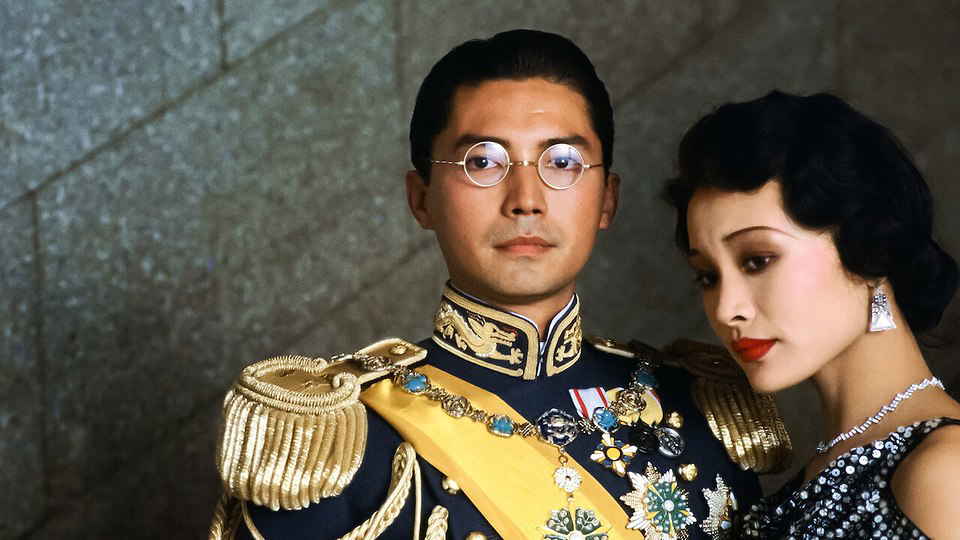
The Last Emperor
Bertolucci’s epic about Pu Yi, the emperor of China who ruled nothing and decided nothing, won all nine Oscars it was nominated for. It was shot in the real Forbidden City, normally off limits to foreign crews, and follows a man moved from era to era and regime to regime like a piece on a board. — When the emperor dies in 1908, the court sends for a three-year-old boy and proclaims him ruler of China. He begs to be taken back to his mother, but the gate of the Forbidden City stays shut, and he grows up among bows and ceremonies knowing nothing of the world beyond the wall. Only in 1919 does a tutor, Reginald Johnston, arrive, and he plants the idea that marriage might be the way out. — Best Film | Oscars | 1988 Best Film Editing | Oscars | 1988 Best Director | Oscars | 1988 Best Adapted Screenplay | Oscars | 1988 Best Cinematography | Oscars | 1988 Best Costume Design | Oscars | 1988 Best Sound | Oscars | 1988 Best Original Score | Oscars | 1988 Best Production Design | Oscars | 1988 Best Film - Drama | Golden Globes | 1988
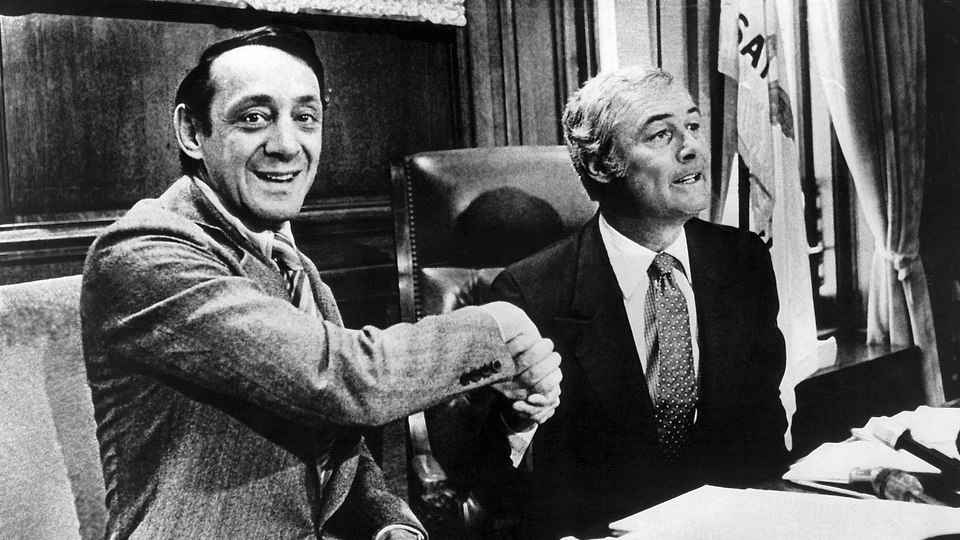
The Times of Harvey Milk
The documentary won the Oscar and a jury prize at Sundance, and years later Gus Van Sant turned the same story into a feature with Sean Penn. Days after winning his election, Harvey Milk recorded a tape to be played only if he were murdered. A year later, it was played. — In early-1970s San Francisco, Harvey Milk opens a camera shop on Castro Street, runs for city supervisor and loses. He tries again and loses again, and only wins at the fourth attempt, becoming the first openly gay politician elected to office in California. Less than a year later he is shot dead at City Hall, and the gunman goes on trial. — Best Documentary Oscar | Academy Awards | 1985 Special Jury Prize | Sundance Film Festival | 1985
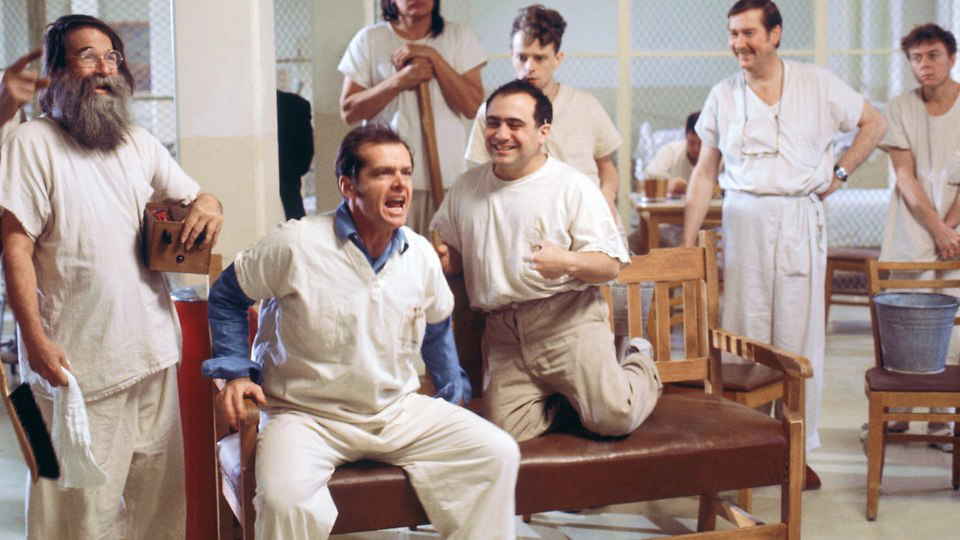
One Flew Over the Cuckoo's Nest
Years before the film won five Oscars, the secret police in Prague seized the copy of Ken Kesey’s novel that Kirk Douglas sent to Miloš Forman. Jack Nicholson lands on a locked psychiatric ward where nobody argues with the head nurse, so he does, and freedom costs more than anything else in there. — Sent from prison to a psychiatric hospital for observation, McMurphy finds a ward run by Nurse Ratched, whose rules bind everyone without exception and which the patients stopped questioning long ago. He questions them on his very first afternoon, and the battle he starts will change everything around him. — Best Film | Oscars | 1976 Best Actor (Jack Nicholson) | Oscars | 1976 Best Actress (Louise Fletcher) | Oscars | 1976 Best Director | Oscars | 1976 Best Adapted Screenplay | Oscars | 1976 Best Film | BAFTA | 1977 Best Actor (Jack Nicholson) | BAFTA | 1977 Best Actress (Louise Fletcher) | BAFTA | 1977 Best Supporting Actor (Brad Dourif) | BAFTA | 1977

Judy
Hollywood adored Judy Garland as a girl but had no use for the grown woman, and by the late sixties all she has left is a run of shows at a London club. Adapted from a stage play, it stars Renée Zellweger, who won an Oscar for the part and sings every song herself. — Judy Garland is middle-aged and nobody will hire her any more, so she plays small venues and takes her children, Lorna and Joey, on the road with her. A hotel turns her away over unpaid bills, and she leaves the children with her ex-husband, Sidney Luft. Then a promoter calls with an offer of five weeks of shows at the Talk of the Town, a club in London. — Best Performance by an Actress in a Leading Role (Renée Zellweger) | Oscars | 2020 Nominated for Best Makeup and Hairstyling | Oscars | 2020 Best Performance by an Actress in a Leading Role (Renée Zellweger) | BAFTA | 2020 Best Actress - Drama (Renée Zellweger) | Golden Globes | 2020
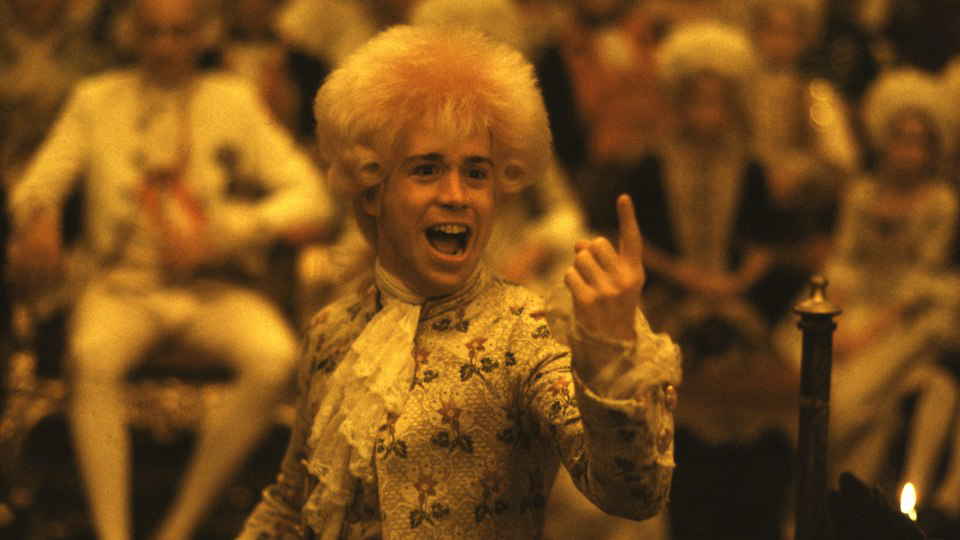
Amadeus
Forman shot the opera scenes in the Prague theatre where Mozart staged “Don Giovanni”, and the story that won eight Oscars belongs not to the genius but to his envious rival. Salieri hears God in Mozart’s music and can’t believe it comes from a giggling brat. — Antonio Salieri, court composer to the emperor in 18th-century Vienna, once promised God his chastity in exchange for talent. Then Wolfgang Amadeus Mozart arrives from Salzburg, loud, vulgar and forever giggling, and Salieri, the only one who can hear how great the music is, begins to wonder whether God is testing him. — Best Film | Oscars | 1985 Best Performance by an Actor in a Leading Role (F. Murray Abraham) | Oscars | 1985 Best Director | Oscars | 1985 Best Adapted Screenplay | Oscars | 1985 Best Costume Design | Oscars | 1985 Best Sound | Oscars | 1985 Best Makeup | Oscars | 1985 Best Production Design | Oscars | 1985 Best Film - Drama | Golden Globes | 1985 Best Foreign Film | César Awards | 1985
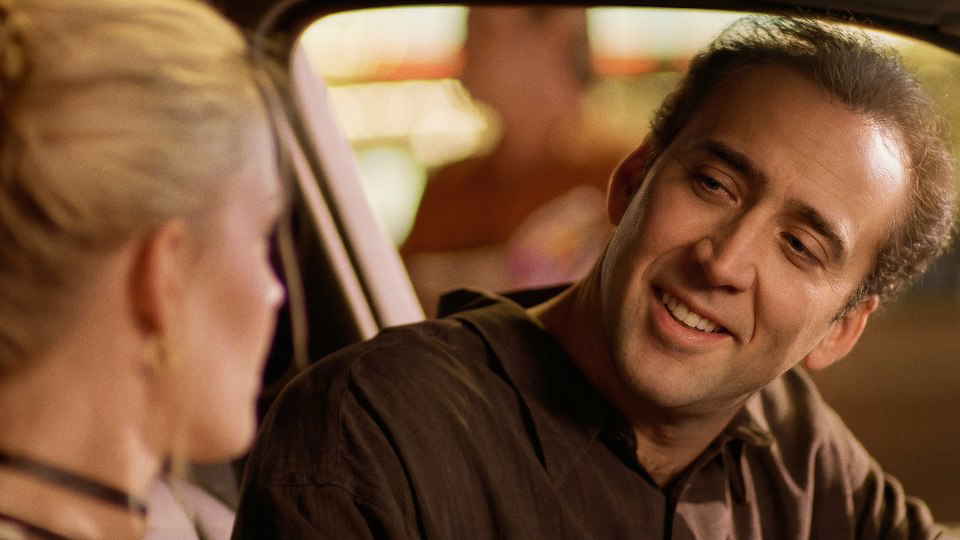
Leaving Las Vegas
Nicolas Cage won an Oscar for this role, and John O’Brien, who wrote the novel, killed himself two weeks after selling the film rights. Mike Figgis could have made a film about getting sober or a film about despair, but what he shot on Super 16mm in the bars of Las Vegas is a love story. — Ben Sanderson has drunk away his Hollywood job and his family, so he takes his severance pay, gets in the car and heads for Las Vegas to finish the job by drinking himself to death. There he almost runs over Sera, a young woman who works the city’s streets. A few days later he pays her for an hour but only wants to talk, and Sera lets him move in with her, though each of them sets the other one condition. — Best Performance by an Actor in a Leading Role (Nicolas Cage) | Oscars | 1996 Nominated for Best Actress in a Leading Role (Elisabeth Shue) | Oscars | 1996 Nominated for Best Director | Oscars | 1996 Nominated for Best Adapted Screenplay | Oscars | 1996 Best Actor - Drama (Nicolas Cage) | Golden Globes | 1996 Nominated for Best Film | Golden Globes | 1996 Nominated for Best Director | Golden Globes | 1996 Nominated for Best Actress - Drama (Elisabeth Shue) | Golden Globes | 1996 Silver Seashell | San Sebastián International Film Festival | 1995
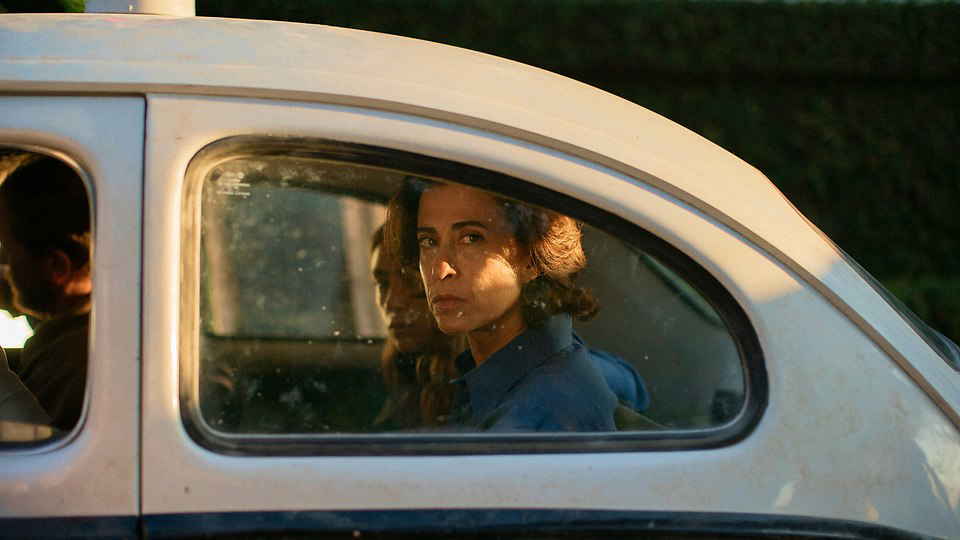
I'm Still Here
One woman’s heroic stand against Brazil’s military dictatorship really happened, and Walter Salles’s film about it won the 2025 Oscar for Best International Feature. Eunice Paiva is played by Fernanda Torres as a younger woman and by Torres’s own mother, Fernanda Montenegro, in later life. — In Rio de Janeiro in December 1970, Rubens Paiva, a former congressman pushed out of politics by the coup, lives near the beach with his wife Eunice and their five children, quietly helping people get out of the country. In January, armed men walk into the house and take him in for questioning. Later they come back for Eunice and her teenage daughter, and Eunice spends twelve days in a cell without anyone telling her where her husband is. Once she is out, she starts fighting for the truth. — Best International Feature Film | Oscars | 2025 Nominated for Best Film | Oscars | 2025 Nominated for Best Actress in a Leading Role (Fernanda Torres) | Oscars | 2025 Best Screenplay | Venice Film Festival | 2024 Best Actress - Drama (Fernanda Torres) | Golden Globes | 2025 Nominated for Best Non-English Language Film | Golden Globes | 2025 Audience Award | Rotterdam International Film Festival | 2025
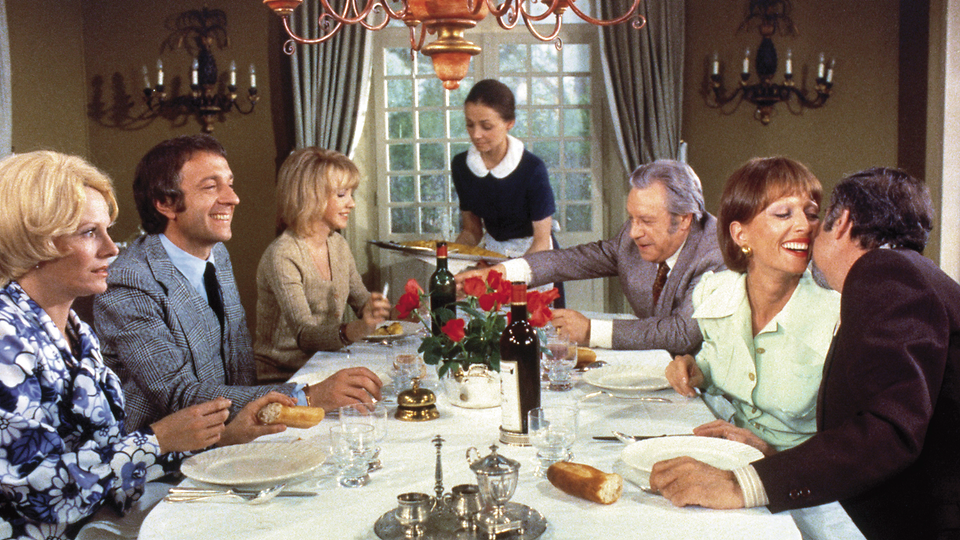
The Discreet Charm of the Bourgeoisie
Buñuel’s producer once forgot he’d invited guests to dinner, and when he told Buñuel the story, it became an Oscar-winning film that takes the bourgeoisie apart with impeccable manners. Six friends sit down at the table, and dinner is never served. — The first time six wealthy friends gather for dinner, they’ve got the wrong day. They try again, and again, and each time something stranger gets in the way, a corpse in the next room or a whole unit of soldiers. However often they sit down, nobody ever gets to eat. — Best Foreign Language Film | Oscars | 1973 Best Screenplay | BAFTA | 1974 Best Actress (Stéphane Audran) | BAFTA | 1974 Nomination for Best Foreign Language Film | Golden Globes | 1973
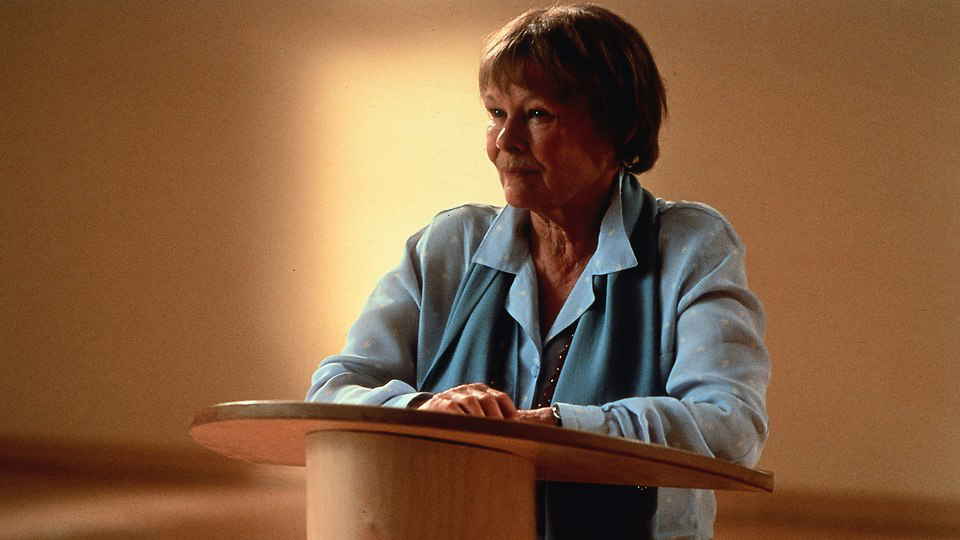
Iris
Judi Dench and Kate Winslet both play the novelist Iris Murdoch, forty years apart, and between them they show what it costs to lose the thing you were best at. Broadbent won an Oscar and both actresses were nominated, for a hopeful film about a love that proves stronger than time. — In 1950s Oxford, Iris Murdoch is writing her first novel and taking lovers whenever she pleases, to the astonishment of John Bayley, a shy young academic. They marry, and over the decades that follow she becomes a famous and brilliant writer. Then Iris starts losing her words, and John has to speak for both of them. — Best Performance by an Actor in a Supporting Role (Jim Broadbent) | Oscars | 2002 Nominated for Best Actress in a Leading Role (Judi Dench) | Oscars | 2002 Nominated for Best Performance by an Actress in a Supporting Role (Kate Winslet) | Oscars | 2002 Best Actor (Hugh Bonneville) | Berlin International Film Festival | 2002 Official Selection | Berlin International Film Festival | 2002 Best Supporting Actor (Jim Broadbent) | Golden Globes | 2002 Nominated for Best Actress - Drama (Judi Dench) | Golden Globes | 2002 Nominated for Best Supporting Actress (Kate Winslet) | Golden Globes | 2002 People's Choice Award | European Film Awards | 2002
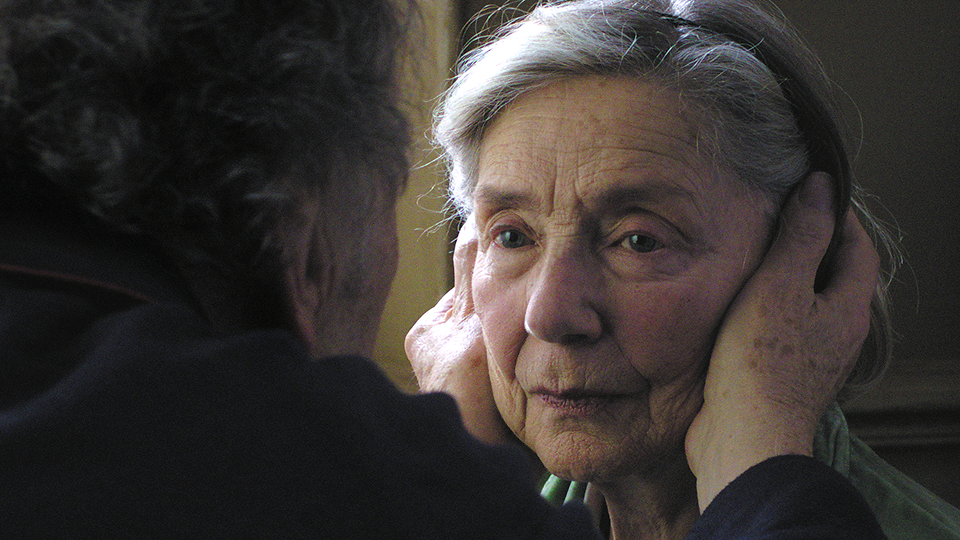
Amour
Haneke won the Palme d’Or and an Oscar for his most tender film. Jean-Louis Trintignant (“Three Colours: Red”) and Emmanuelle Riva (“Hiroshima mon amour”) play a couple whose love has weathered everything, until it comes up against the one thing nothing and nobody can defeat. — Georges and Anne are retired music teachers in their eighties who have been together for decades and have lived in the same Paris flat for many years. Then one morning at breakfast, Anne stops in mid-sentence and stares blankly into space. From then on her memory begins to fade, taking with it the life the two of them have built together. — Best Foreign Language Film | Oscars | 2013 Palme d'Or | Cannes Film Festival | 2012 Best Actress (Emmanuelle Riva) | BAFTA Awards | 2013 Best European Director | European Film Awards | 2013 Best Foreign Language Film | Golden Globes | 2013 FIPRESCI Prize | San Sebastian Film Festival | 2012

Vicky Cristina Barcelona
Scarlett Johansson, Javier Bardem and Rebecca Hall get caught up in sex, art, polyamory and unpredictable feelings, until the painter’s ex-wife walks into their Barcelona triangle. From that moment the film belongs to an electric Penélope Cruz, who won the Oscar for Best Supporting Actress for it. — Two Americans, Vicky and Cristina, are spending the summer in Barcelona with Vicky’s relatives when a painter, Juan Antonio, walks up to them one evening and, without beating about the bush, invites them both to Oviedo for the weekend. Cristina says yes on the spot, and Vicky goes along to keep an eye on her. But in Oviedo Cristina falls ill, leaving Vicky alone with the painter. Then his ex-wife shows up. — Best Performance by an Actress in a Supporting Role (Penélope Cruz) | Oscars | 2009 Best Film - Musical or Comedy | Golden Globes | 2009 Nominated for Best Actor - Musical or Comedy (Javier Bardem) | Golden Globes | 2009 Nominated for Best Actress - Musical or Comedy (Rebecca Hall) | Golden Globes | 2009 Nominated for Best Supporting Actress (Penélope Cruz) | Golden Globes | 2009
Get free cinema tickets
Our website uses Cookies
We use cookies to offer you the best possible experience on our site.
- Necessary cookies
- Analytics cookies
- Advertisement cookies