Asian Cinema
From “Oldboy” to “A Separation”. From “Ran” to “Shoplifters”. Classics of Asian cinema alongside contemporary films becoming cult favorites before our eyes and conquering festivals worldwide. A collection we'll be expanding regularly, because we know that's what you're waiting for.
Titles in this collection
Close-Up
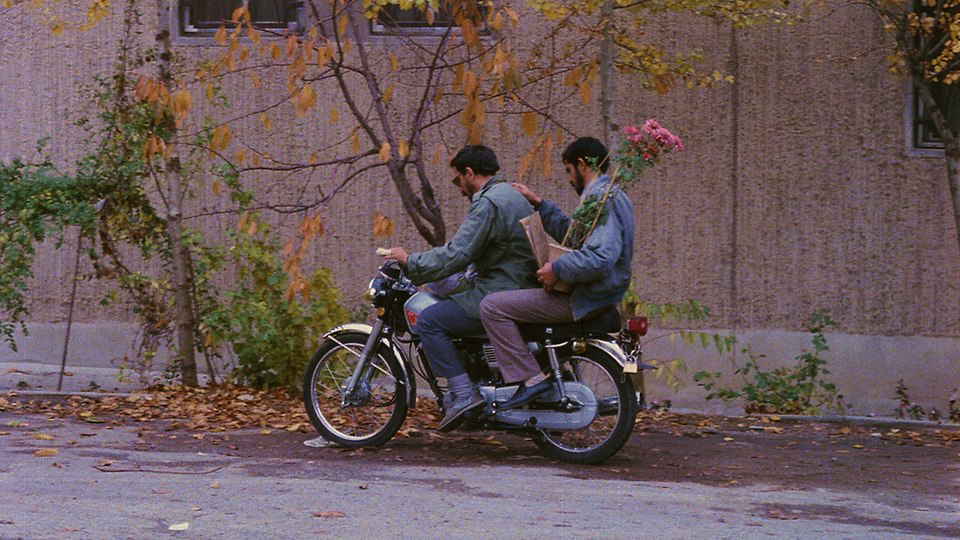
When Kiarostami heard about a poor Iranian film lover on trial for passing himself off as the famous director Makhmalbaf, he dropped everything to film it. Everyone plays themselves, yet it’s far more than a courtroom documentary. There’s no other story about loving cinema quite this complicated. — Hossain Sabzian is poor and loves cinema more than anything. On a Tehran bus, a woman asks about the screenplay in his hands, and on impulse he claims he wrote it. She takes him home and introduces him to the whole family, and before long Sabzian is pacing their rooms, framing shots and promising the sons parts in his new film.
Left-Handed Girl
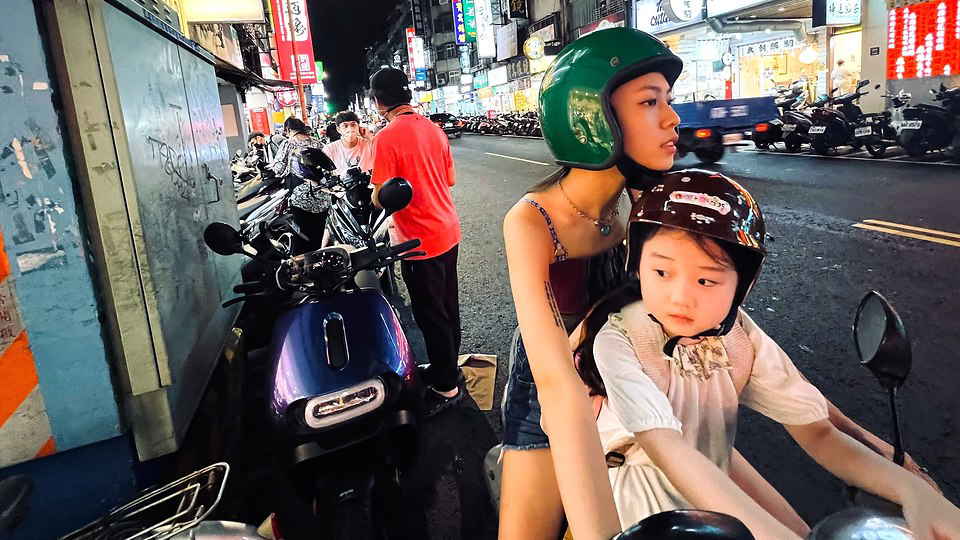
Fresh off the triumph of Anora, Sean Baker returns to the streets of Taipei as producer, screenwriter, and editor, reunited with his longtime collaborator Shih-Ching Tsou. A vibrant and intimate take on family bonds, powered by one of the finest child performances in recent cinema. — When a mother and her two daughters move in together in Taipei, they struggle to adjust to the rhythms of urban life while trying to preserve their fragile family unity. At the same time, the younger daughter discovers that her left hand is considered “evil.” — Official Selection - Critics' Week | Cannes Film Festival | 2025
Court
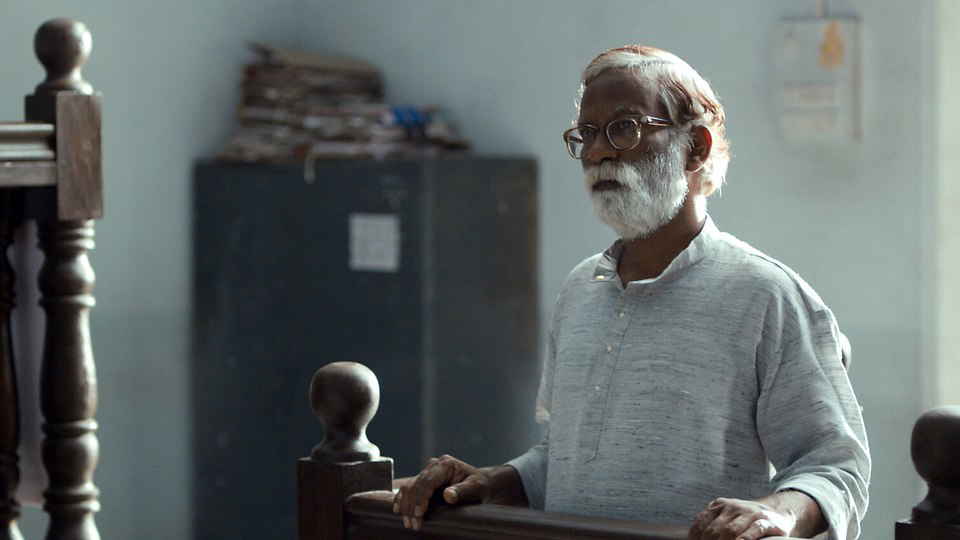
An ageing singer goes on trial for a song that supposedly drove a man to suicide, and in an Indian courtroom the absurdity is enough to gag free speech. This Venice prize-winning debut casts Vira Sathidar as the accused, a man who spent his life fighting caste and had never faced a camera before. — Folk singer, teacher and social activist Narayan Kamble is arrested in Mumbai, and the charge is startling. One of his revolutionary songs is said to have driven a sewer worker, who died in suspicious circumstances, to take his own life. As the case makes its way through a lower court and clerks shuffle papers from desk to desk, the air grows thick with something out of Kafka. — Luigi De Laurentiis Award for Best Debut | Venice Film Festival | 2014 Venice Horizons Award | Venice Film Festival | 2014
Have a Nice Day
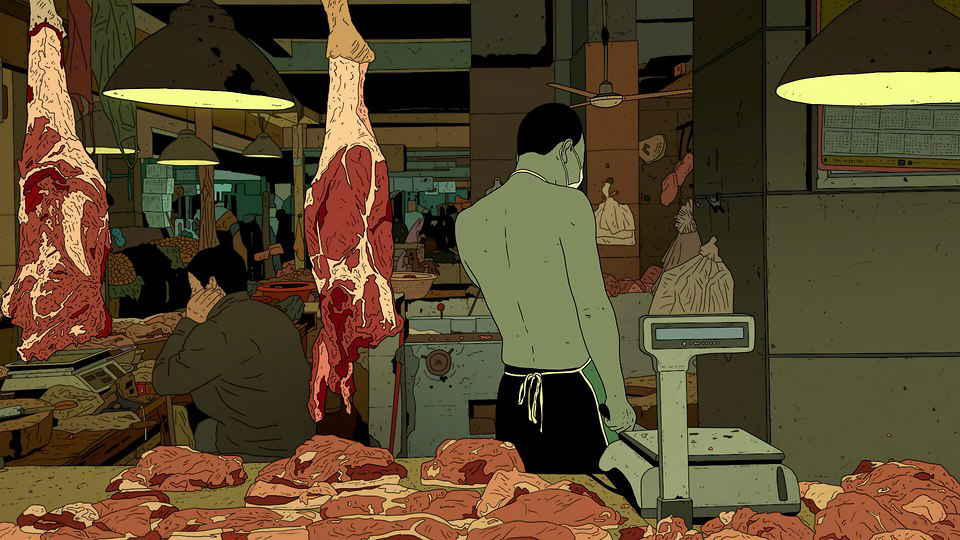
A stolen bag of money drives this gangster noir set in a city in southern China, which Liu Jian, a trained painter, spent three years drawing almost entirely by himself. The China he draws is the real one, the one people live in every day. — When a bag full of money goes missing in a small city in southern China, all kinds of people set out to find it. They’re strangers to one another and want completely different things from life, but their paths begin to cross. One chance event triggers the next, and the night ends in blood. — Official Selection | Berlin International Film Festival | 2017
Stranger Eyes
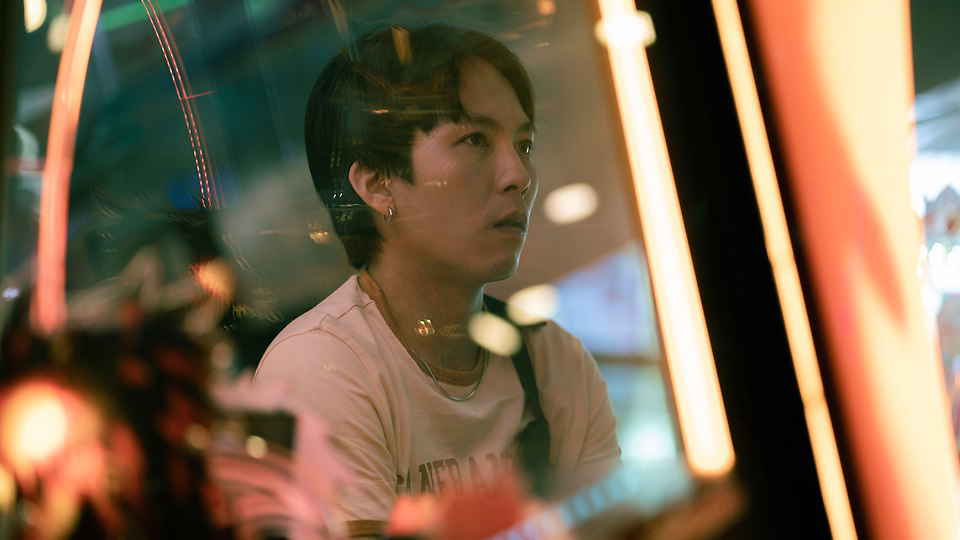
CCTV cameras are everywhere in Singapore, and that inspired Yeo Siew Hua to make a thriller of obsession and voyeurism in which victim and tormentor, watcher and watched, are never quite what they seem. It became the first Singaporean film to play in the main competition at Venice. — A young couple’s marriage is in crisis after their two-year-old daughter vanishes and the search for her goes nowhere. Some time later, a DVD turns up at their flat with footage of their everyday life at home, filmed by someone they never noticed. Then more discs arrive, and the father becomes convinced that whoever is holding the camera knows where his child is. — Official Selection | Venice Film Festival | 2024
Happy Together
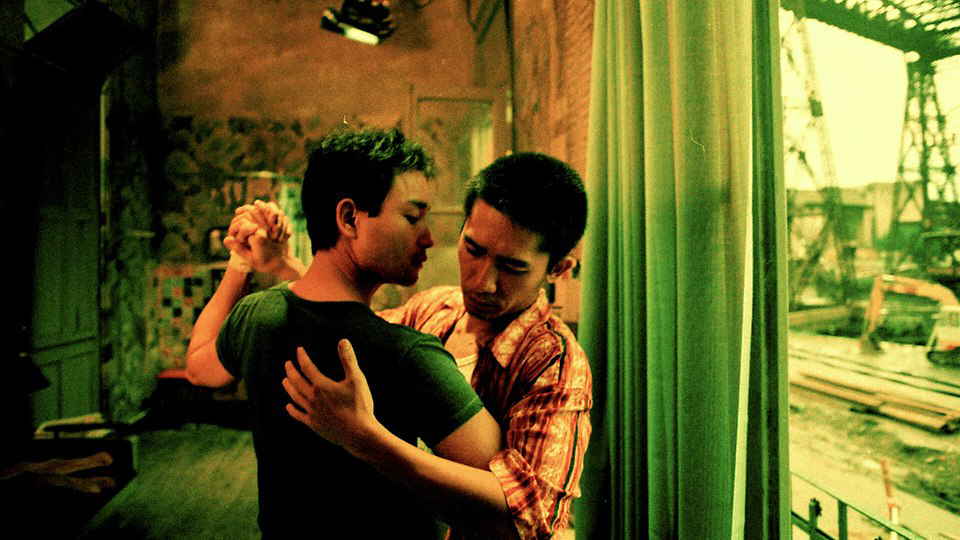
Wong Kar-Wai flew to Buenos Aires in September 1996 for what was meant to be a six-week shoot, and he was still filming in December. Two men from Hong Kong cross the world to save their relationship and break up along the way, and from then on they swing between love and hate. — Two men on holiday in Argentina break up partway through the trip, and neither has the money to get home. One takes a job as a doorman at a bar and rents a tiny room, while the other spends his nights with whoever’s around, until the day he turns up hurt on his ex’s doorstep. — Best Director | Cannes Film Festival | 1997 Audience Award | Arizona International Film Festival | 1998 Best Actor | Hong Kong Film Awards | 1998
Tony Takitani
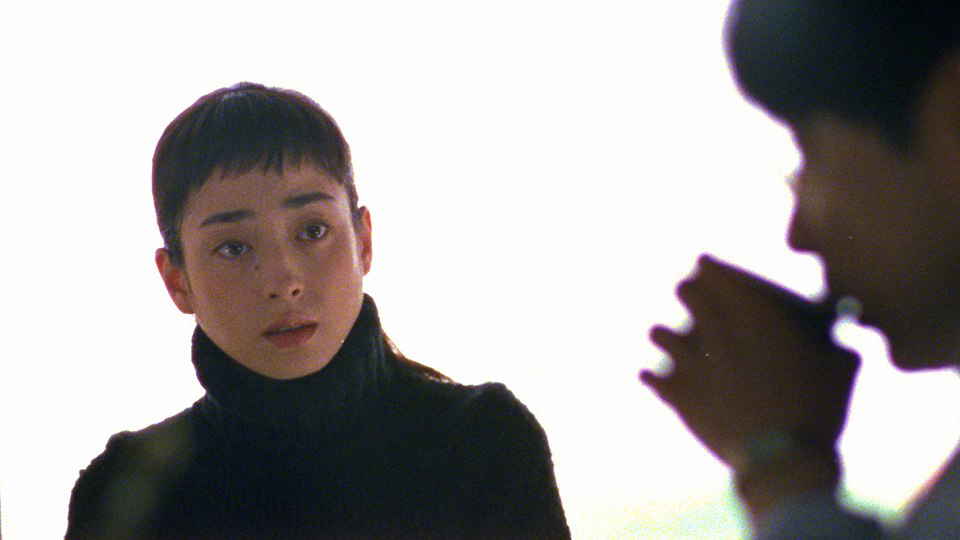
Adapted from a Haruki Murakami short story, passages of which are read in voice-over, it finds room in just seventy-five minutes for loneliness, loss and obsession, all set to music by Ryuichi Sakamoto. It won the Special Jury Prize at Locarno in 2004. — Tony Takitani’s father plays the trombone, is forever on tour and gives his son an American name. Tony grows up alone, and the unusual name does nothing for his popularity at school. Drawing is his passion, and as an adult he becomes a successful technical illustrator. One day a beautifully dressed young woman comes to collect a finished job, and before long their shared home is full of her clothes. — FIPRESCI Prize | Locarno International Film Festival | 2004 Special Jury Prize | Locarno International Film Festival | 2004 Official Selection | Sundance Film Festival | 2005
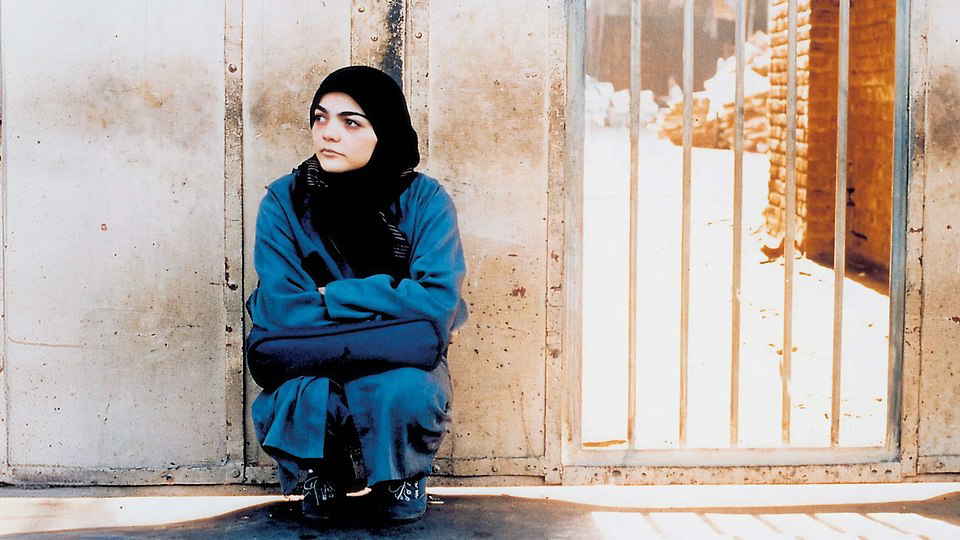
The Circle
Jafar Panahi spent nine months fighting just for permission to shoot this single day in Tehran, where women find even the simplest things out of reach. Venice gave it the Golden Lion, while Iran issued an official ban on showing it. — Over one day in Tehran, a baby girl is born in a maternity ward and nobody is glad of it. Three women who have just been released from prison are trying to get out of the city that same day, but Nargess doesn’t have the money for a bus back to her village. Another goes home to a family that won’t let her through the door. — Golden Lion | Venice Film Festival | 2000 Best Actress (Nargess Mamizadeh) | Venice Film Festival | 2000 FIPRESCI Prize | Venice Film Festival | 2000 OCIC Award - Special Mention | Venice Film Festival | 2000
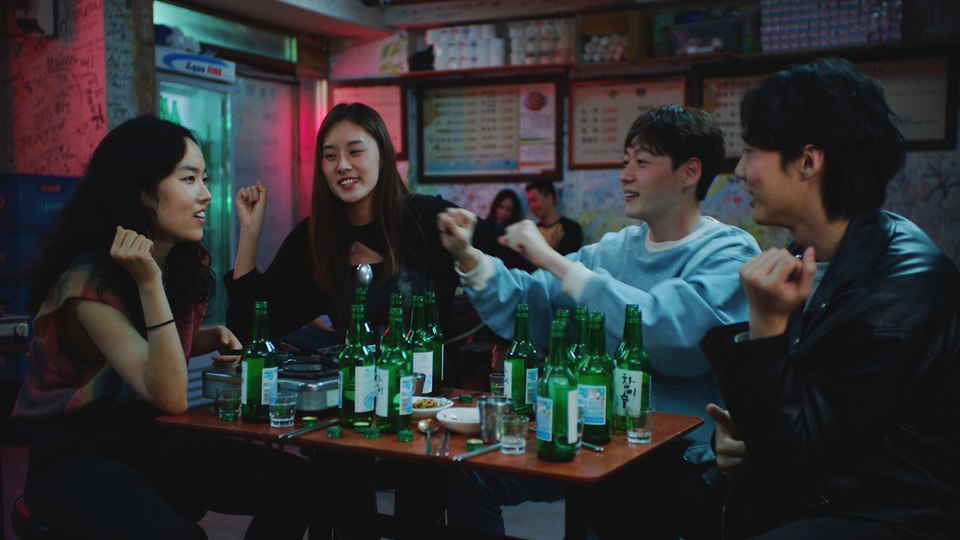
Return to Seoul
Park Ji-min, a visual artist who had never been in front of a camera, is extraordinary in the lead. The film goes back to 2011, when the director travelled to Korea with a friend adopted from there and was at her side as she met her biological father, and ten years later it made it to Cannes. — A cancelled flight lands Freddie, twenty-five and French, in Seoul, the city where she was born and given up for adoption when she was a few months old. Within days she is sitting in an adoption agency, set on tracking down the two people who gave her away. One of them writes back. — Official Selection - Un Certain Regard | Cannes Film Festival | 2022 Golden Athena | Athens International Film Festival | 2022
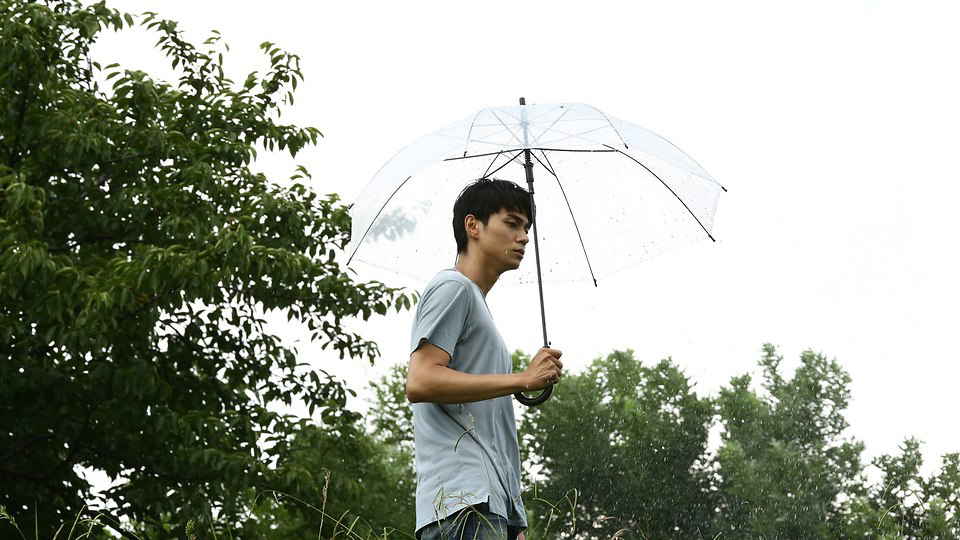
Asako I & II
Three years before “Drive My Car”, Ryûsuke Hamaguchi brought to Cannes a pop romance that works as a tender variation on Hitchcock’s “Vertigo”. Asako is in love with one man yet can’t take her eyes off another, and the same actor plays them both. — Asako falls head over heels for Baku, who drifts into her life without explanation and disappears just as suddenly. Two years later, while working at a café in Tokyo, she meets Ryohei, a salesman for a sake company who has her lost love’s face, and they start building a life together. Baku, meanwhile, has become a model, and now he looks down from posters all over the city. — Official Selection | Cannes Film Festival | 2018 Official Selection | San Sebastian International Film Festival | 2018
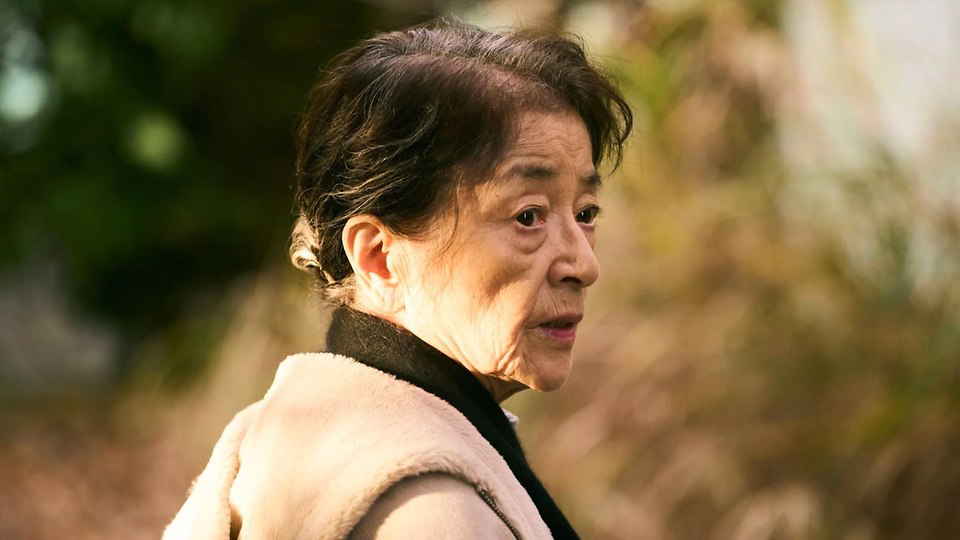
Plan 75
Chie Hayakawa’s dystopian debut, which won a Special Mention for best first film at Cannes, follows a hotel maid in Japan who is three years past the age the government has set. It’s a melancholy film that leaves you asking what a human being is worth in a world run by economics. — In a near-future Japan, the state offers everyone over seventy-five a free and dignified death. Michi is almost eighty and still cleaning hotel rooms when polite young people start turning up at her door to persuade her to sign up for the procedure. — Golden Camera - Special Mention | Cannes Film Festival | 2022 Nominated for Golden Camera | Cannes Film Festival | 2022 Nominated for Un Certain Regard Prize | Cannes Film Festival | 2022
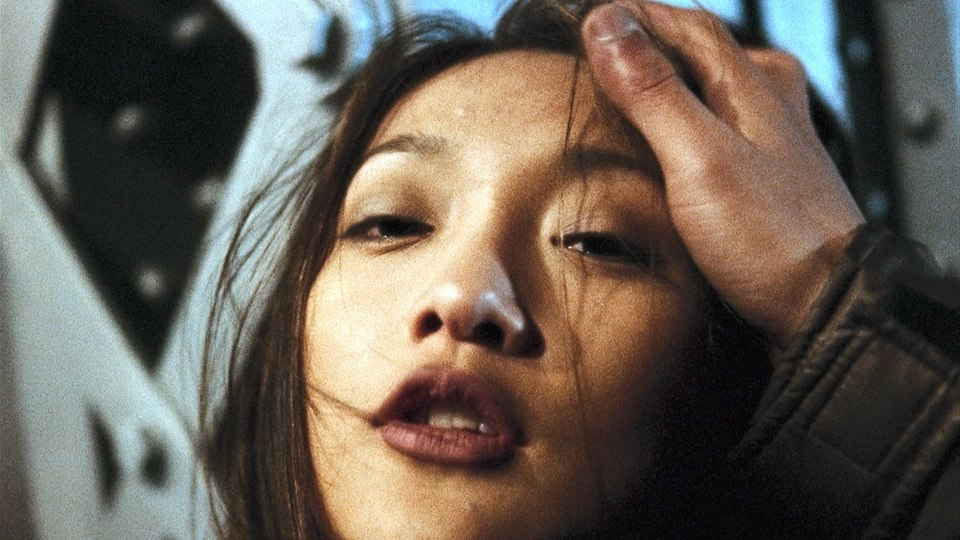
Suzhou River
Lou Ye screened it abroad without permission and was banned from making films for two years, yet it became a landmark of China’s Sixth Generation, the independent cinema of the 1990s. It’s a neo-noir that flows like a dream, where love crushes instead of healing, and a cult film hardly anyone knows. — In Shanghai, a cameraman we never see tells the story of Mardar, a courier on a motorbike, and Moudan, the girl he was meant to kidnap and fell for instead. When the truth comes out, she jumps from a bridge into the Suzhou River, and years later the courier catches sight of her face. — Tiger Award | Rotterdam International Film Festival | 2000
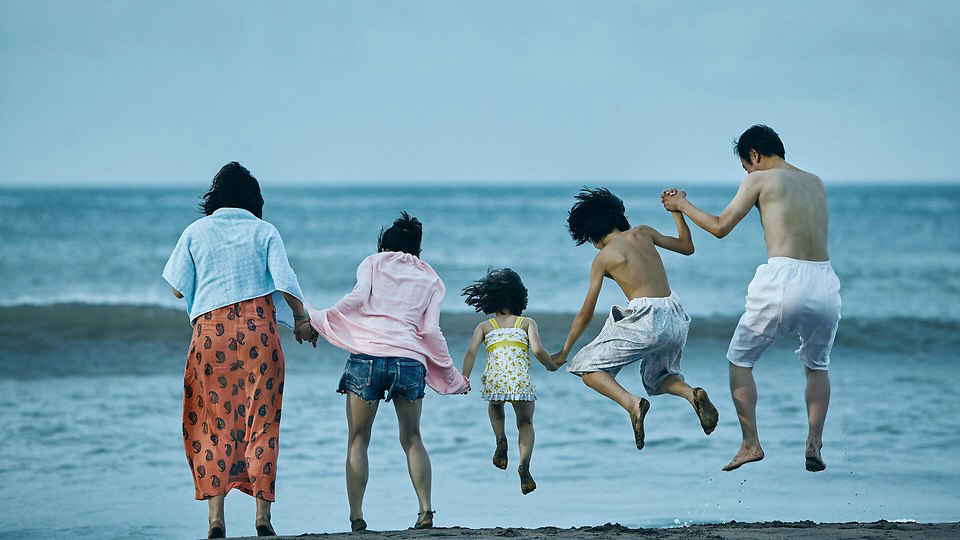
Shoplifters
It took the Palme d’Or at Cannes, even as its director was accused back home in Japan of bringing shame on his country. A family who shoplift to survive take in a child who isn’t theirs, and ending up with them is the best thing that has ever happened to her. — Fresh from another petty theft, a man and his son find a little girl out in the freezing cold, clearly chilled to the bone. His wife isn’t keen at first, but she ends up agreeing to take the girl in and look after her. Money is short and they scrape by from day to day, yet theirs is a happy home, until the day something goes wrong. — Nomination for Best Foreign Language Film | Oscars | 2019 Palme d'Or | Cannes Film Festival | 2018
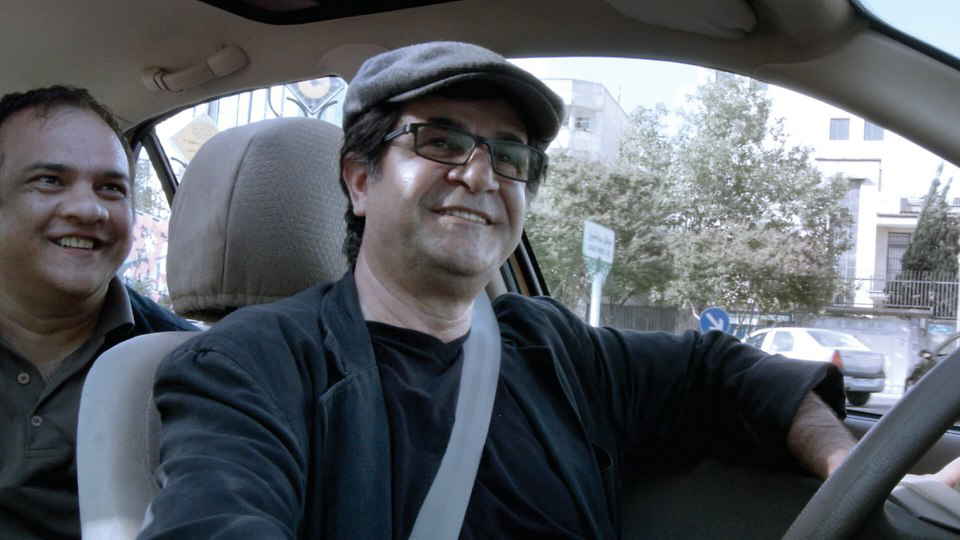
Taxi Tehran
When Iran’s authorities banned Jafar Panahi (“It Was Just an Accident”) from making films for twenty years, he took the wheel of a taxi, kept shooting as he drove around Tehran and won the Golden Bear for it. With every fare, more of Iran and its people come into view, and no censor gets a say. — Tehran rolls past the front seat of a taxi, and everyone climbs in: men and women, young and old, rich and poor, people who live by the old rules and people who have lost patience with them, bootleg video sellers and human rights defenders. The man at the wheel is a very inexperienced driver but a very experienced director, and his name is Jafar Panahi. — Golden Bear | Berlin International Film Festival | 2015 FIPRESCI Prize | Berlin International Film Festival | 2015
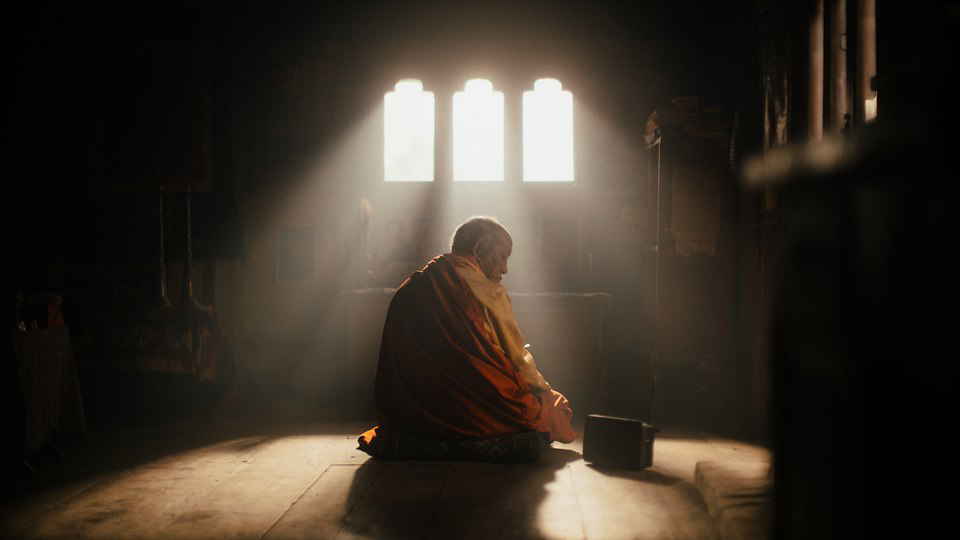
The Monk and the Gun
This madcap satire begins in 2006, when the King of Bhutan announced that he would abdicate and that his people, who had never asked for democracy, would soon be voting, once they had learned how. Meanwhile an old lama sends a young monk to fetch him a rifle. — As the king of Bhutan gives up power in 2006, the country prepares for its first democratic election ever, and mock polls are held in the villages so that people can practise voting. In one valley, an American has come looking for an antique rifle, offering more money for it than anyone there has ever seen. At the same time, an old lama orders a young monk to bring him a gun. — Official Selection | Telluride Film Festival | 2023 Official Selection | Toronto Film Festival | 2023
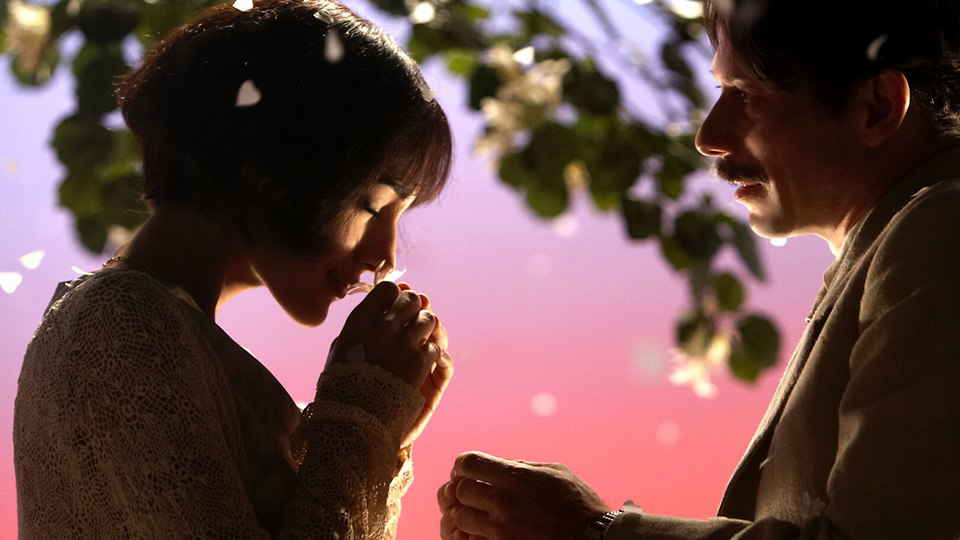
Chicken with Plums
Satrapi, the author of “Persepolis”, adapts another of her own graphic novels for the screen, this time with live actors, and goes back to an Iran that no longer exists. There’s magical realism and real feeling in this melancholy story of a love that never had the chance to bloom. — In Tehran in 1958, the most famous violinist of his day loses the will to live after his wife smashes his beloved violin, because no other instrument sounds the same. He goes to bed and doesn’t get up again, lost in memories of the past and in thoughts of his children’s future. Somewhere among those memories waits the love of his life. — Official Selection | Venice Film Festival | 2011 Audience Award | São Paulo International Film Festival | 2011
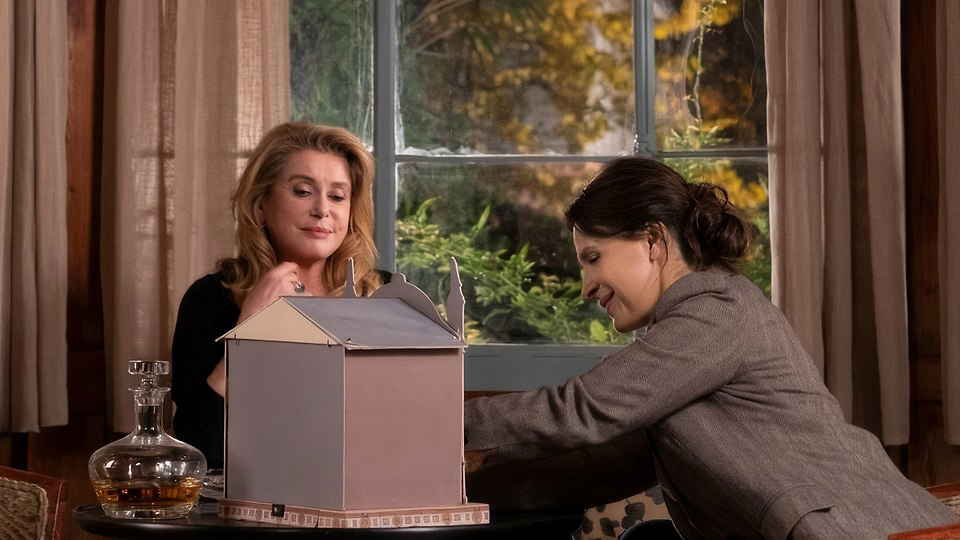
The Truth
Hirokazu Kore-eda (“Shoplifters”) doesn’t speak French, but he directed Catherine Deneuve and Juliette Binoche in it anyway, in a sharp, funny, unpretentious film about family. For a film star the plain truth is just too dull, and the trouble starts when she lies about her daughter’s life too. — After fifty years as a star of French cinema, Fabienne has just published her memoirs. When her daughter Lumir, a screenwriter, flies in from New York with her husband and their little girl, she reads the book and finds that her mother has lied about her childhood. It puts Fabienne at school gates where she never waited and at a school play she never came to. — Official Selection | Venice Film Festival | 2019
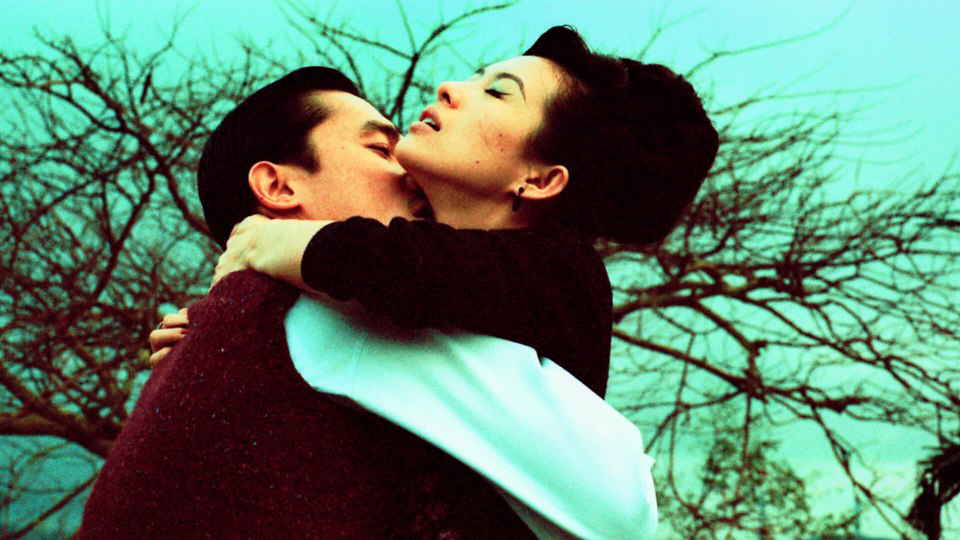
2046
Wong Kar-Wai’s sensual, ambitious sci-fi is a loose sequel to “In the Mood for Love”, with Tony Leung back as the same man, only now his luck in love has run much lower. He moves from one woman to the next, but none of them can make him forget the one. — In a Hong Kong hotel room in the 1960s, Chow Mo-wan writes pulp fiction, and one by one the women who pass through the room next door find their way into his books. His latest story is about a train to 2046, a place people travel to in search of a lost memory, and from which no one has ever returned. — Official Selection | Cannes Film Festival | 2004 Best Actor (Tony Leung) | Hong Kong Film Awards | 2005 Best Actress (Ziyi Zhang) | Hong Kong Film Awards | 2005 Best Cinematography | Hong Kong Film Awards | 2005 Best Art Direction | Hong Kong Film Awards | 2005 Best Original Film Score | Hong Kong Film Awards | 2005
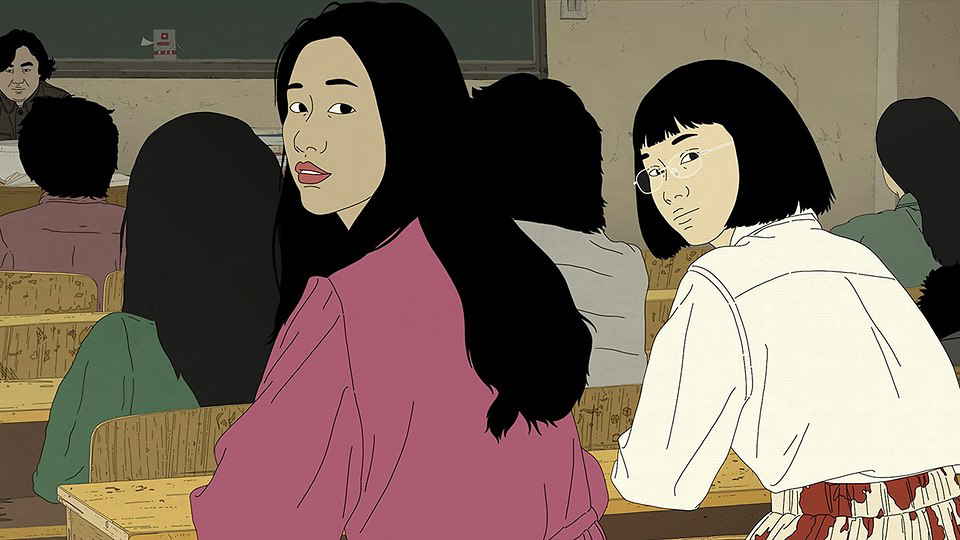
Art College 1994
Liu Jian drew on his memories of the 1990s art school he actually attended, animated the whole film by hand, frame by frame, and gave voice roles to fellow directors Bi Gan and Jia Zhangke. Everyone in it talks about painting, about rock and about whether there’s any point to any of it. — It’s 1994, and on the campus of an art academy in southern China the students paint, fall in love and argue about what art is for, while beyond the gates the country is opening up to the West and nobody can say what it will ask of them. With graduation getting closer, not one of them knows yet who they want to be. — Official Selection - International Competition | Berlin Film Festival | 2023 Official Selection - International Competition | Annecy Film Festival | 2023
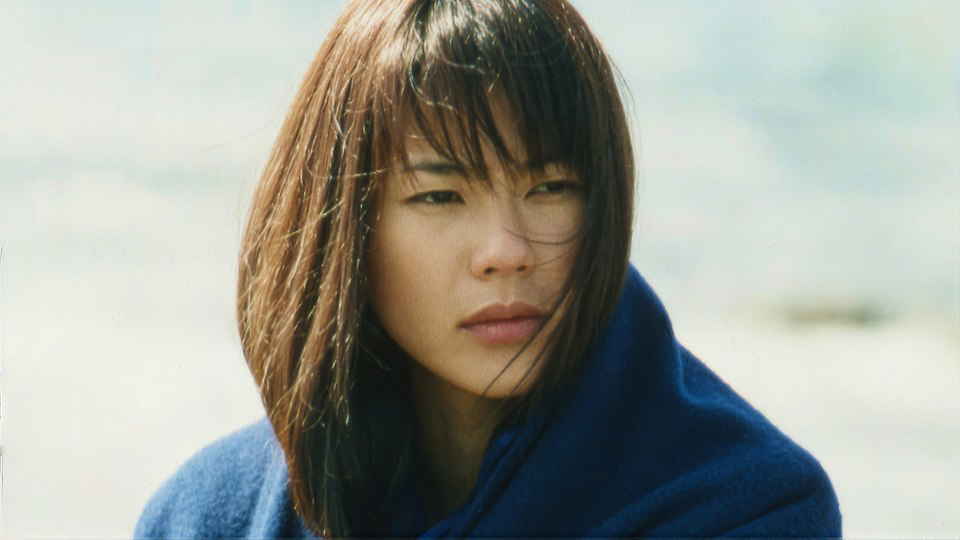
Maborosi
Koreeda’s first fiction feature was shown at Venice, where it won an award for its cinematography. Until then he had made only television documentaries, and you can feel it in the way he watches a woman in a house by the winter sea, trying to find meaning after a painful loss. — Yumiko was still a child in Osaka when her grandmother left home to go back to Shikoku to die, and nobody ever found her. Years later Yumiko has found happiness with her husband Ikuo and their baby son, until one night Ikuo walks home along the railway tracks and is killed by a train, and nobody can say what he was doing there. When a matchmaker finds her a widower on the Noto peninsula, she packs up her child and leaves. — Best Cinematography | Venice Film Festival | 1995 OCIC Award - Special Mention | Venice Film Festival | 1995
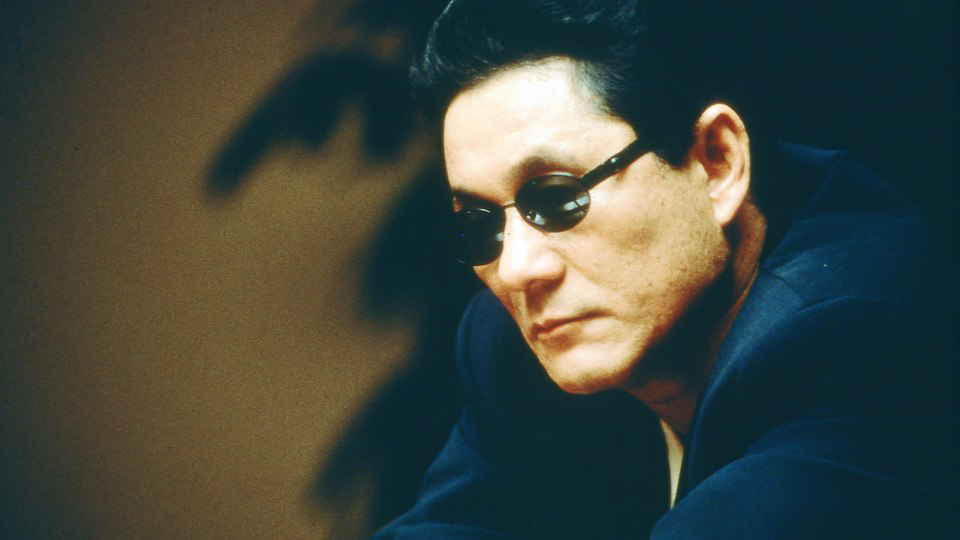
Brother
Yakuza meets the American gangster film in the only movie Takeshi Kitano (“Hana-bi”) shot in the US, though still with a Japanese crew. Kitano wrote, directed, edited and stars in it, and one moment it pins you to your seat with dozens of bodies, the next it drifts into quiet reflection. — There’s no place left in Tokyo for Yamamoto: his boss is dead and his clan has lost the war, so he escapes to Los Angeles. Waiting for him there are his half-brother Ken and a few of Ken’s friends from the street, whom Yamamoto takes under his wing. Within weeks the boys are wearing suits and the Mexican dealers have vanished from the neighbourhood, while Ken watches a brother he barely knew.
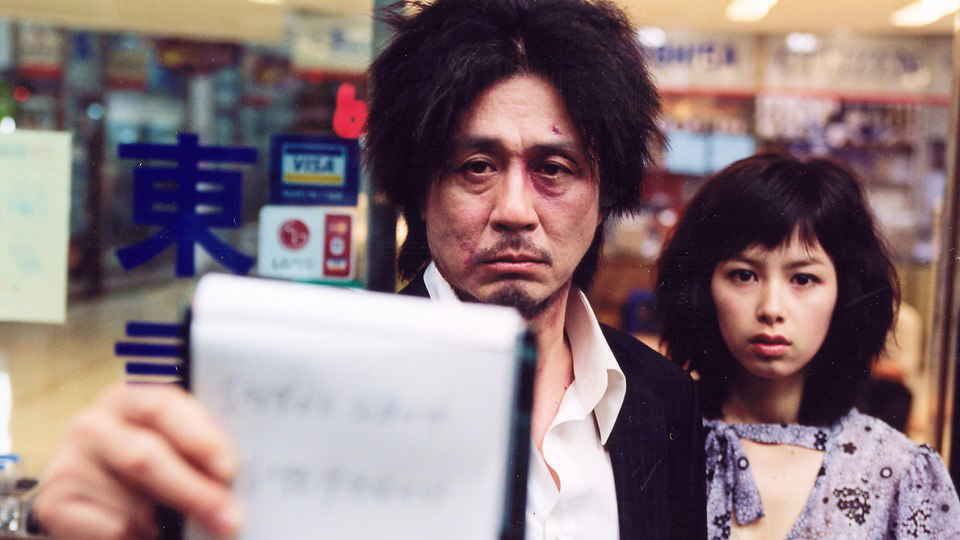
Oldboy
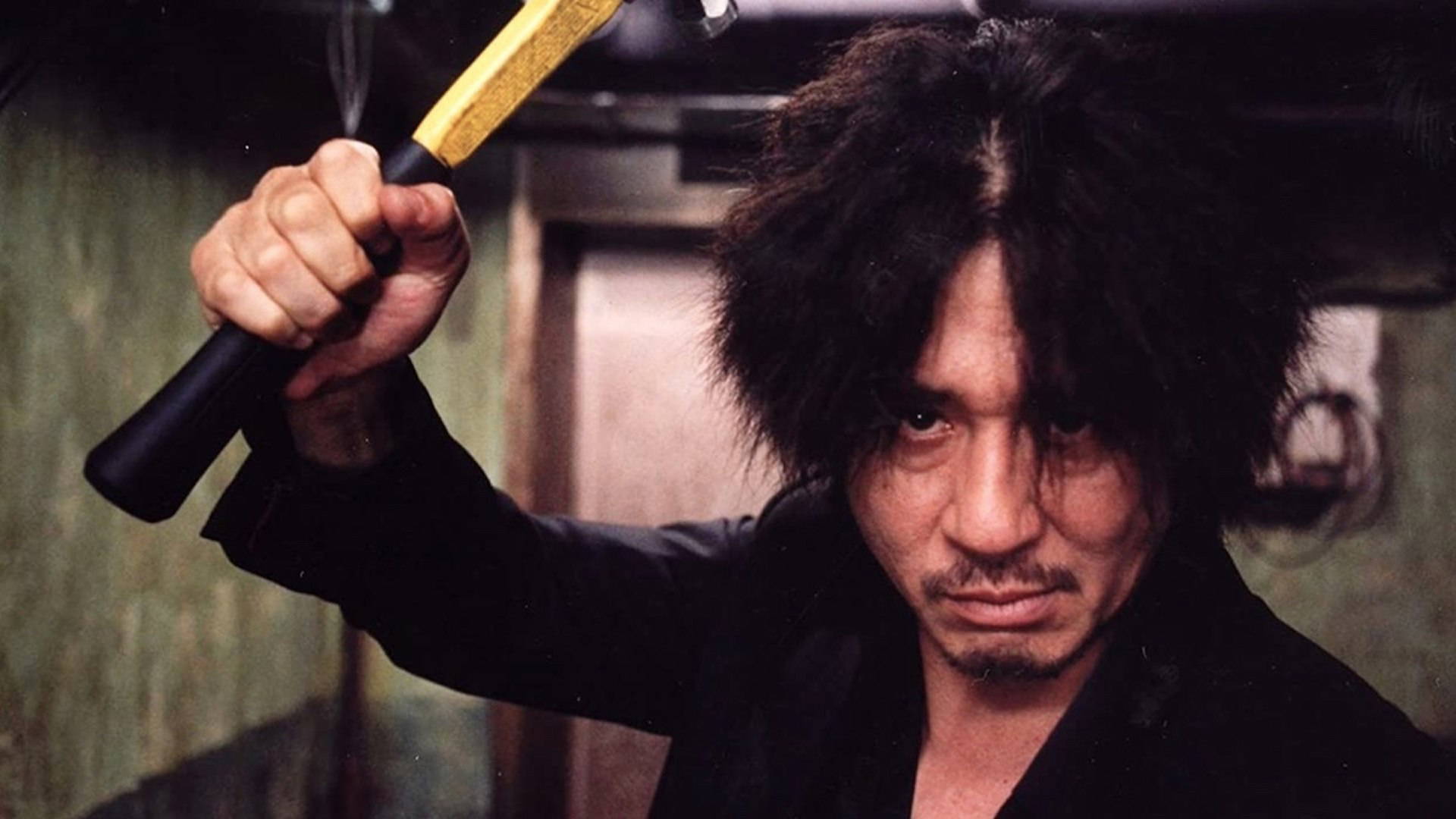
Park Chan-wook’s wild revenge thriller won the Grand Prix at Cannes from a jury led by Quentin Tarantino, and it’s been a cult film ever since: brutal, gripping and striking to look at. Its hero is armed with nothing but a hammer, and still he’s impossible to forget. — In Seoul in 1988, a drunk Oh Dae-su is raising hell in a police cell when a friend comes to collect him, but somewhere on the way home he vanishes. He wakes in a locked room with nothing but a bed and a television, which tells him that his wife is dead and the police are after him. Fifteen years later the door opens, and he has five days to find out why he was locked up. — Grand Prize of the Jury | Cannes Film Festival | 2004 Nominated for Screen International Award | European Film Awards | 2004 Audience Award | Stockholm Film Festival | 2004 Best Asian Film | Hong Kong Film Awards | 2005
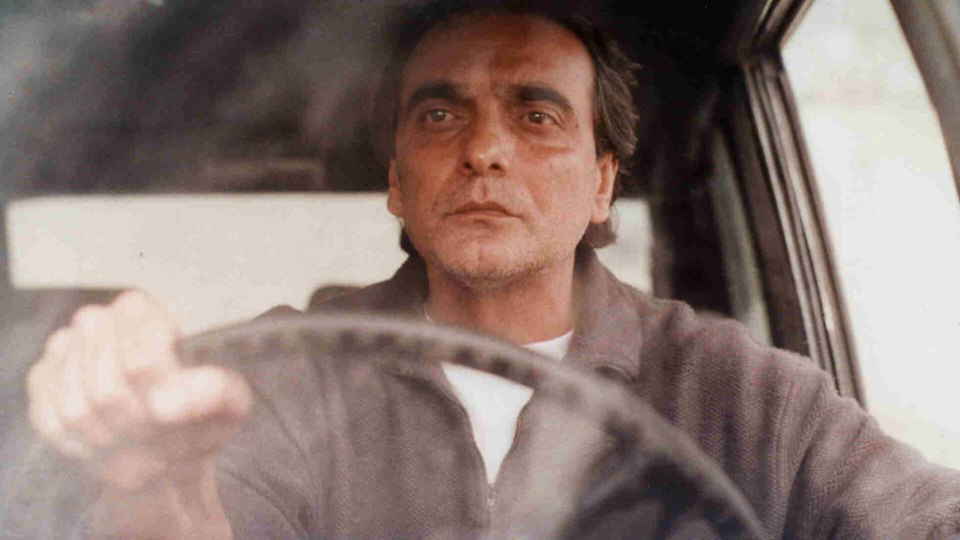
Taste of Cherry
Save this Palme d’Or winner for a day when you can’t see the point of going on. Kiarostami puts a man who has decided to die behind the wheel, and out of his long drive he builds one of the most moving films about what keeps us alive. Afterwards, even cherries taste different. — Mr Badii has decided to kill himself, and all he needs is someone to come at dawn and bury him. So he drives the hills outside Tehran, offering the job to strangers he picks up. A young soldier bolts and a seminarian refuses, but a man who works at the Natural History Museum says yes, for reasons of his own, and then he starts to talk. — Palme d'Or | Cannes Film Festival | 1997
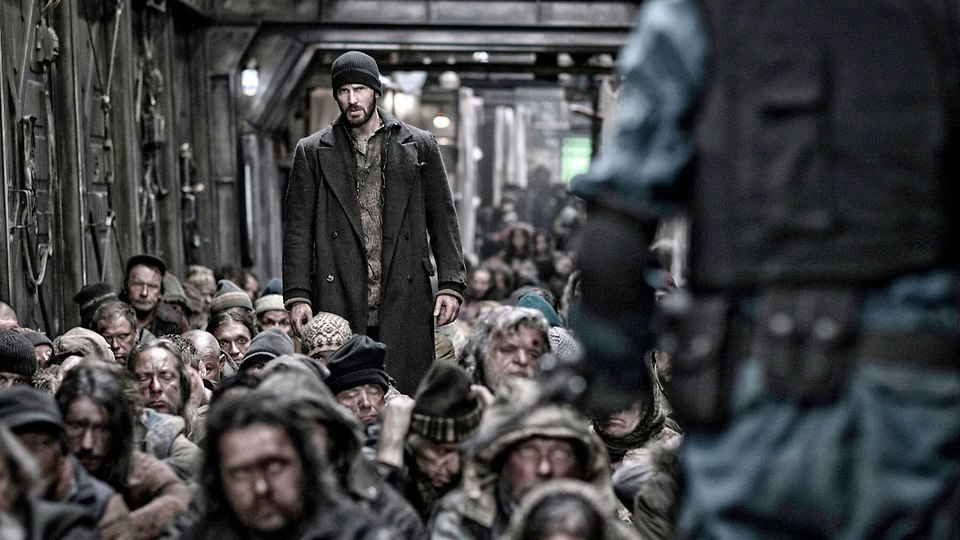
Snowpiercer
A few years before “Parasite”, Bong Joon-ho made a wild blockbuster about inequality that leaves you plenty to think about. The Earth has frozen and the last of humanity rides a train that never stops, sleeping on bunks at the back while the front eats sushi. Chris Evans heads for the engine. — It’s 2031, and a failed attempt to cool the planet has turned the Earth into a desert of ice. The survivors circle it aboard the Snowpiercer, a train that never stops, where the people in the tail sleep on bunks and live on protein bars while the front carriages have a school, fur coats and a sushi bar. Curtis counts the carriages between him and the engine, and then he makes his move.
More collections
Get free cinema tickets
Our website uses Cookies
We use cookies to offer you the best possible experience on our site.
- Necessary cookies
- Analytics cookies
- Advertisement cookies