Filmography
Charles Chaplin
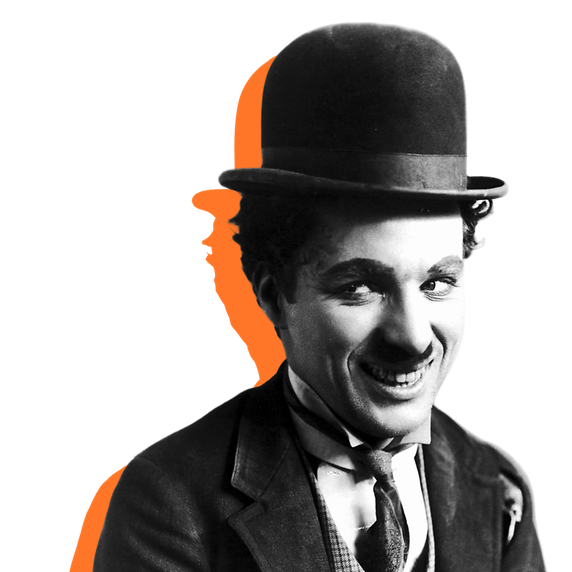
"We think too much and feel too little". The unforgettable words of a key figure of the 20th century, in a filmography that is extremely important not only for historians, but because it contains all the reasons why we love cinema and all the impression it ends up leaving to our eyes and minds.
The Circus
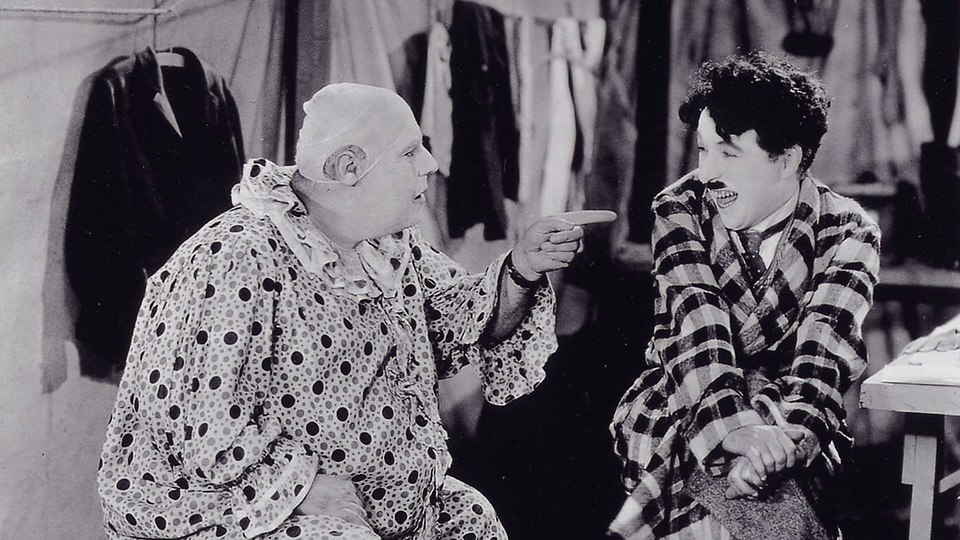
Delirium made at a time when silent cinema was perfected, just before its inglorious finale foreseen by Chaplin, who honors the genre along with all the kinds of physical comedy that had entertained generations of audiences and were about to give way to something new. — The Little Tramp is hired by a circus and soon becomes the main attraction when his comedic blunders drive the crowd wild. Having fallen in love with the ringmaster’s daughter, he doesn’t even realize he is the show’s main feature. In this high-flying comedy, we are quickly caught up in Chaplin’s whirlwind of gags, where even the acrobats and clowns watch his show-stopping stunts from the sidelines. — Honorary Award | Oscars | 1929
The Gold Rush
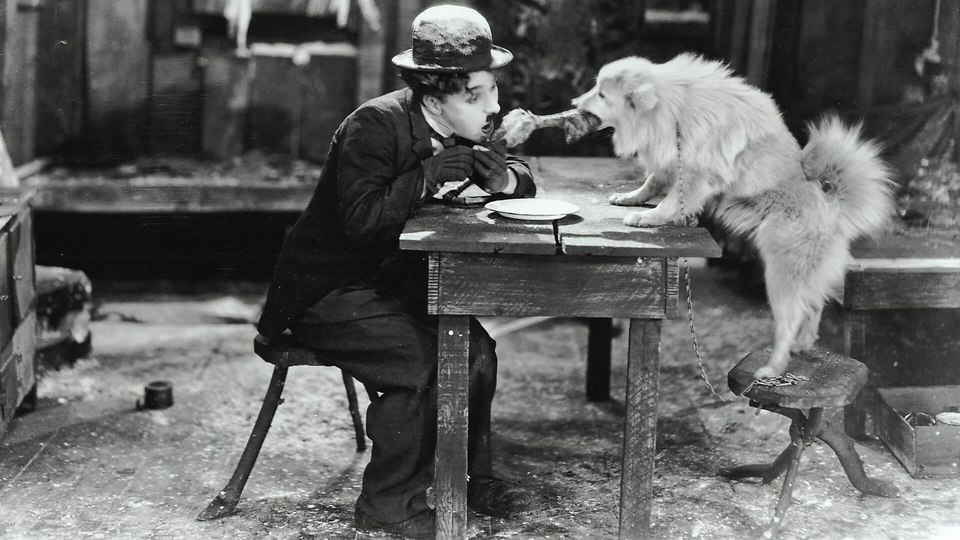
Poetry in motion; the triumph of choreographed kinesiology that shaped the anarchic rules of the silent cinema in the best and purest full-length comedy of Chaplin's silent period. — An adventurer embarks on the great journey to Alaska, where he hopes to discover gold. There he will end up fighting for survival, getting involved in hilarious adventures and falling in love. — Nominated for Best Sound Recording | Oscars | 1943 Nominated for Best Music | Oscars | 1943
The Great Dictator
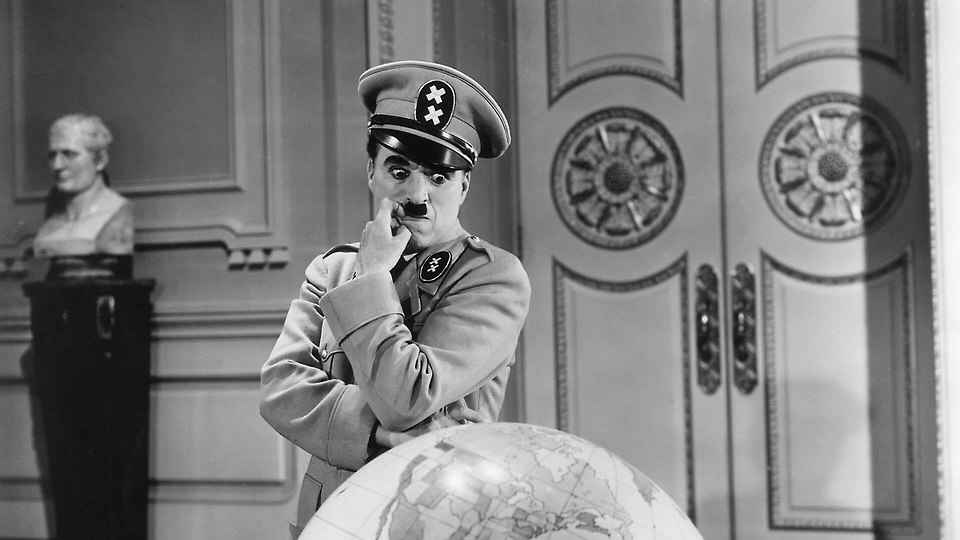
Chaplin had kept silent on screen for years, and the voice he finally found in 1940 was aimed squarely at Hitler. He made the most humane film of his career as a satire of a world with five more tragic years still ahead, and it ends by reminding us that we think too much and feel too little. — Adenoid Hynkel rules Tomania and means to rule a great deal more. A Jewish barber, meanwhile, comes back to the ghetto after twenty years in a military hospital, unaware that anything has changed, and when he reopens his shop he gets in the way of stormtroopers who have come to smash its window. Chaplin wrote, directed and plays both men, because the dictator and the barber have exactly the same face. — Nominated for Best Picture | Oscars | 1941 Nominated for Best Actor in a Leading Role (Charles Chaplin) | Oscars | 1941 Nominated for Best Actor in a Supporting Role (Jack Oakie) | Oscars | 1941 Nominated for Best Original Screenplay | Oscars | 1941 Nominated for Best Original Score | Oscars | 1941
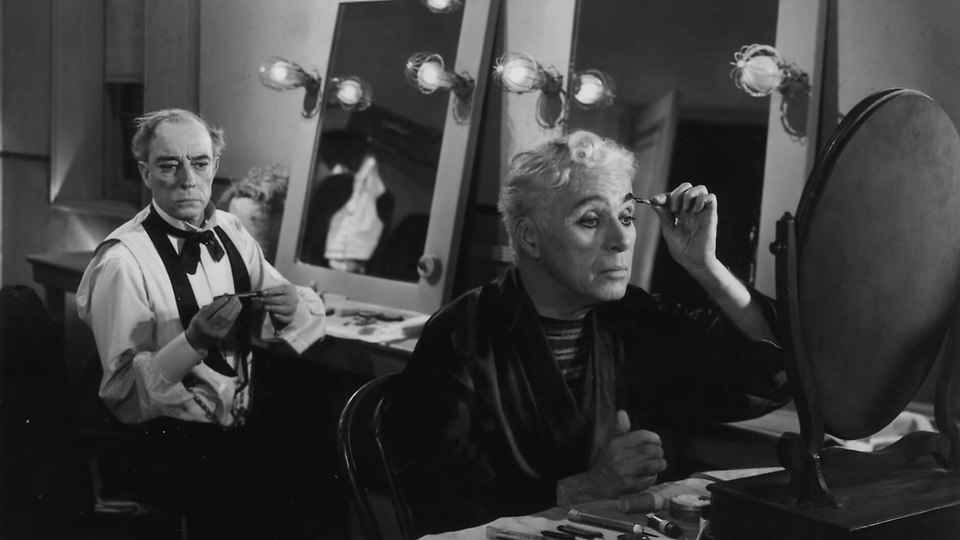
Limelight
Charlie Chaplin plays an old clown trying to convince a young dancer that life is worth living, and for the only time he shares the screen with Buster Keaton. The film brought him his only competitive Oscar, though he had to wait twenty years for it. — Calvero was once the biggest comic in the English music hall, but by 1914 he’s a drunk nobody in London will hire. One evening he comes home to find his neighbour unconscious after trying to take her own life. Terry is a dancer, convinced that her legs are paralysed and her career is over, and getting her back on her feet gives Calvero back something he had lost as well: his sense of his own worth. — Best Original Music | Oscars | 1973
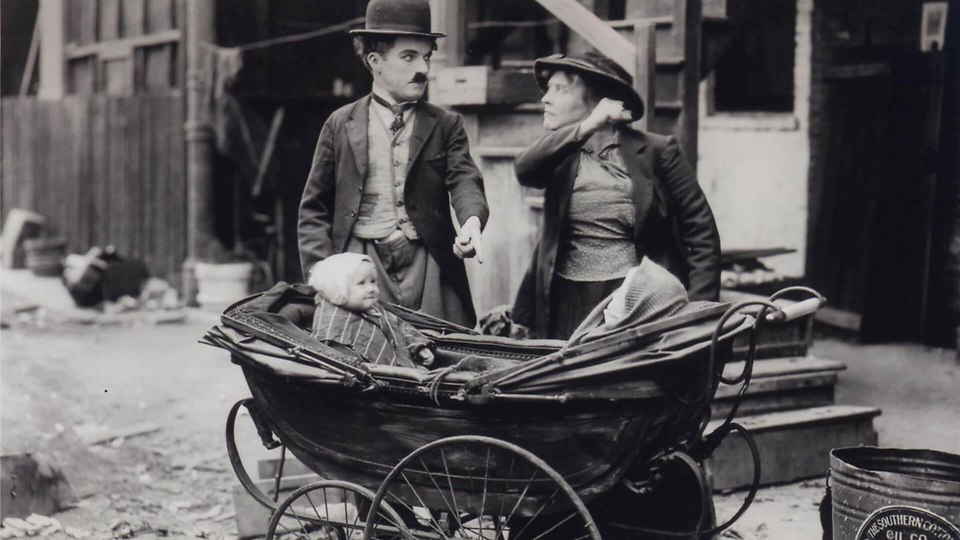
The Kid
The conception of Charlot's character, the adult with the golden heart and the mischief of a child, two entities that complement each other naturally causing laughter and tears in alternation. — Charlot picks up a baby off the street and decides to raise it. Five years later, the two of them work together, as the kid breaks windows and Charlot fixes them for money. At the same time, the mother of the child, who became a famous singer, tries to find her kid.
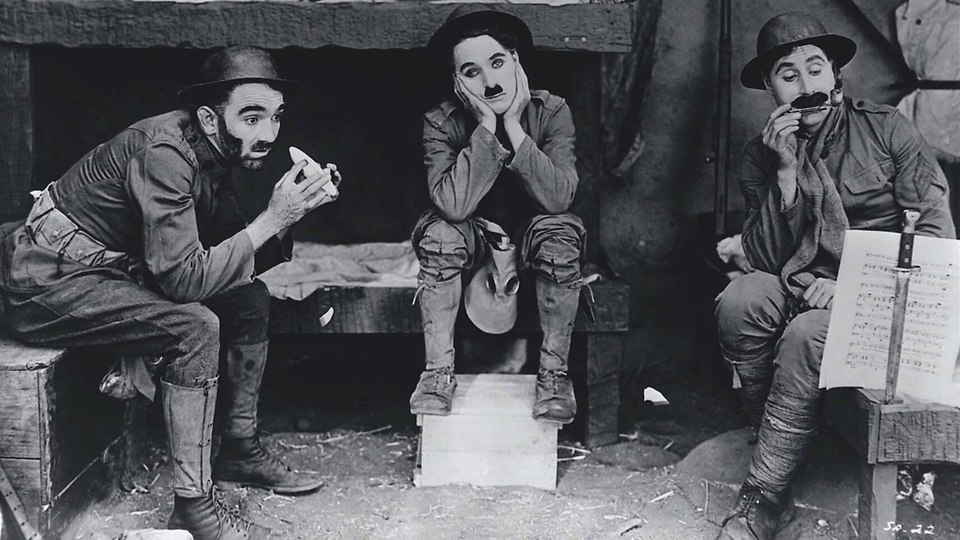
The Chaplin Revue
In 1959, Chaplin recut and re-released three silent comedies, "A Dog's Life", "Shoulder Arms", and "The Pilgrim" into a form of a single feature length film. Chaplin provided new music, narration, and a small amount of new connecting material.
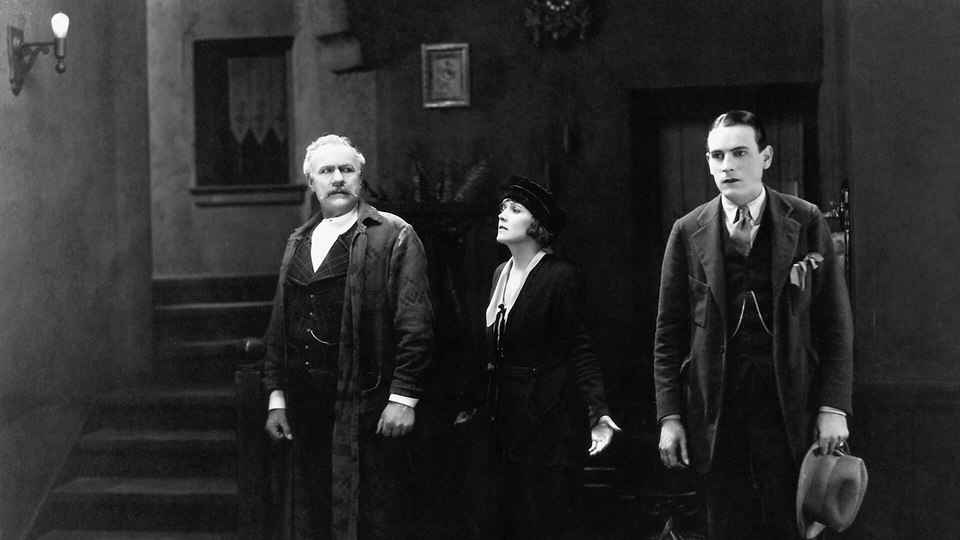
A Woman of Paris
One of the rare dramatic creations of Charlie Chaplin's silent period, about a woman who is torn for love during the '20s in Paris. The film provoked debate in its time, with the audience rejecting a Chaplin film in which he was not the protagonist but was reassessed over the decades. — Against the wishes of their tyrannical parents, a couple decides to leave together for Paris. But the sudden death of the man's father makes him fail to meet her at the station. A year goes by and he is getting off... in the arms of a rich and corrupt playboy. It's just the beginning of the tragedy to come. Extremely controversial in its time, Chaplin's dramatic turn has influenced creators such as Ljubic and Scorsese and has been re-evaluated over the decades.
A King in New York
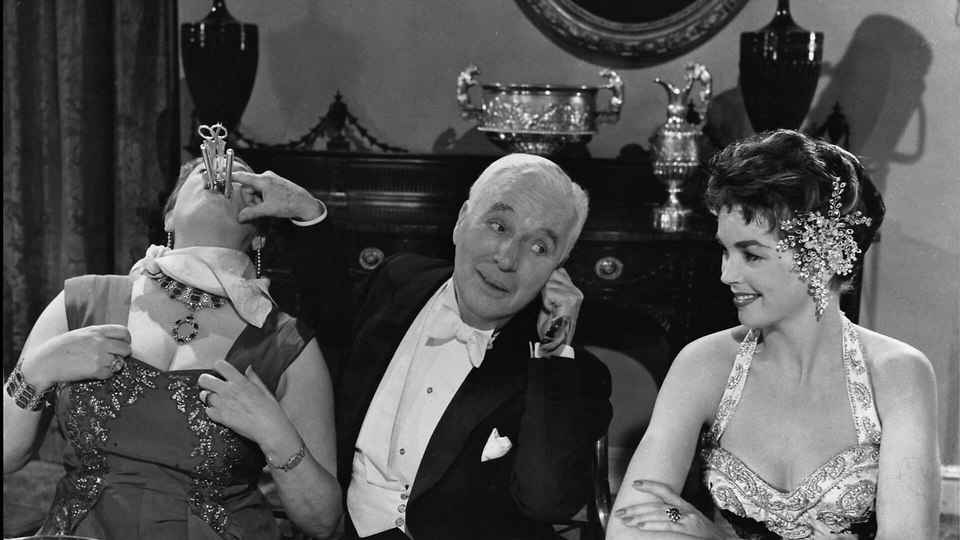
Charlie Chaplin's final starring role. A comical and satirical view into the McCarthyism period, written and directed by the Hollywood legend while in exile from the U.S., where the movie premiered 15 years overdue. — When a European monarch is exiled from his country by its rebels, he will seek refuge in New York during the '50s, with nothing of his own. Having done theater in the past, he will get a job in TV commercials and he will accidentally become a celebrity. But soon everything will take an unexpected turn since, as soon as he becomes friends with a 10-year-old boy, he will be accused of being a communist.
Monsieur Verdoux
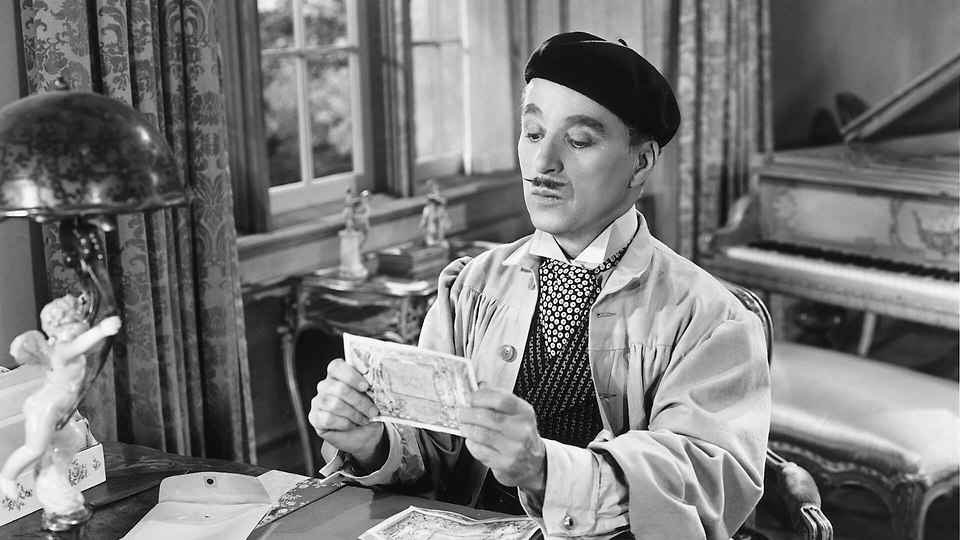
Innocence’s epilogue was brought upon by the war and the transformation of the once funny jester into a delightfully cynical figure was something that the world was not yet ready to digest. Although unfavourably acclaimed in its time, it’s now regarded, not unfairly, as his black masterpiece. — Inspired by notorious French serial killer Landru, Henri Verdoux lures wealthy women by promising them sweet happy-everafters. After the wedding bells chime, however, he murders them for their fortunes. In this particularly dark comedy, Chaplin questions our perception of evil: isn’t this refined criminal a mere amateur compared to weapons suppliers and dictators? We stand ready to condemn a murderer, but when war victims are counted in millions, we celebrate a hero! — Nominated for Best Original Screenplay | Oscars | 1948
Modern Times
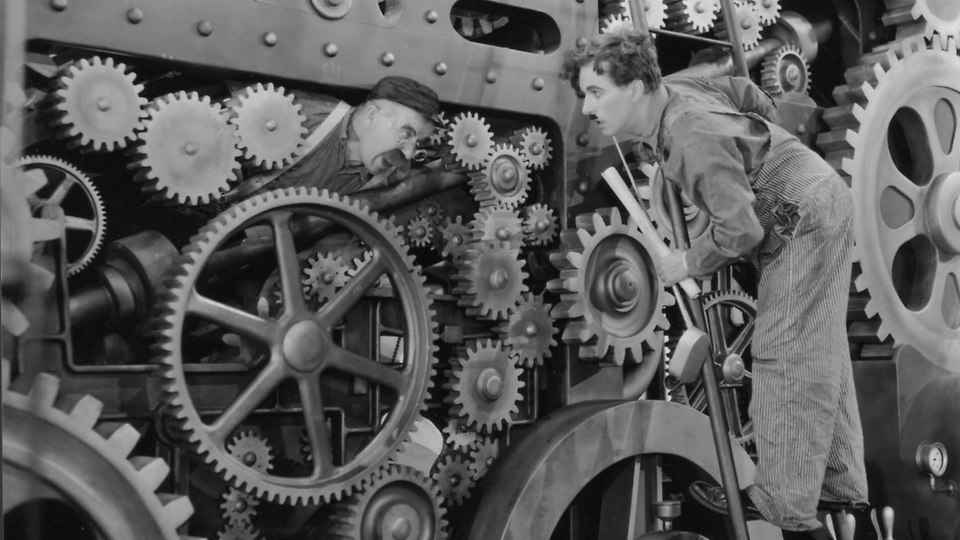
Chaplin struggles, quite literally, to keep up with a machine in a slapstick world where people become parts of the production line, and the result is one of the sharpest satires of the cult of productivity and life after the industrial revolution. It’s absurd, timely and still hilarious. — The factory line runs at such a hellish pace that one model worker suffers a nervous breakdown and goes completely mad. From there he’s shuttled from hospital to prison and from prison to unemployment, caught in the cogs and wheels of modern industry. It goes on like that until he meets a beautiful girl and helps her give the police the slip.
City Lights
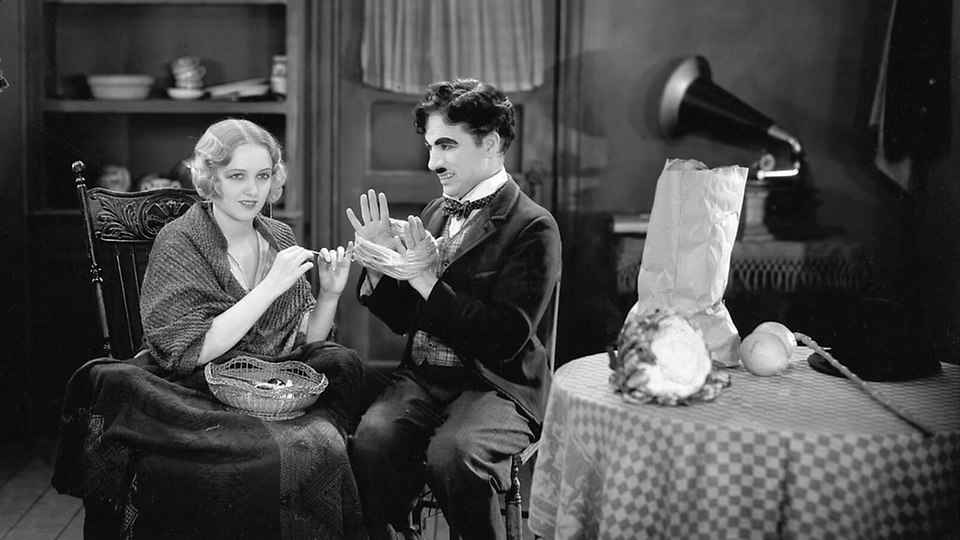
It never drops off the lists of the greatest films of all time, and one look explains why. Charlie Chaplin’s tramp falls for a blind flower girl who believes he’s a millionaire, and with nothing more than his eyes he’ll have you laughing and heartbroken in the same moment. — A hapless young tramp loses his heart to a blind flower girl whose family is about to be evicted. She thinks he’s rich, and he lets her go on thinking it. Then, that same night, he pulls a drunken millionaire out of the river and is instantly adopted as the man’s best friend.
Get free cinema tickets
Our website uses Cookies
We use cookies to offer you the best possible experience on our site.
- Necessary cookies
- Analytics cookies
- Advertisement cookies