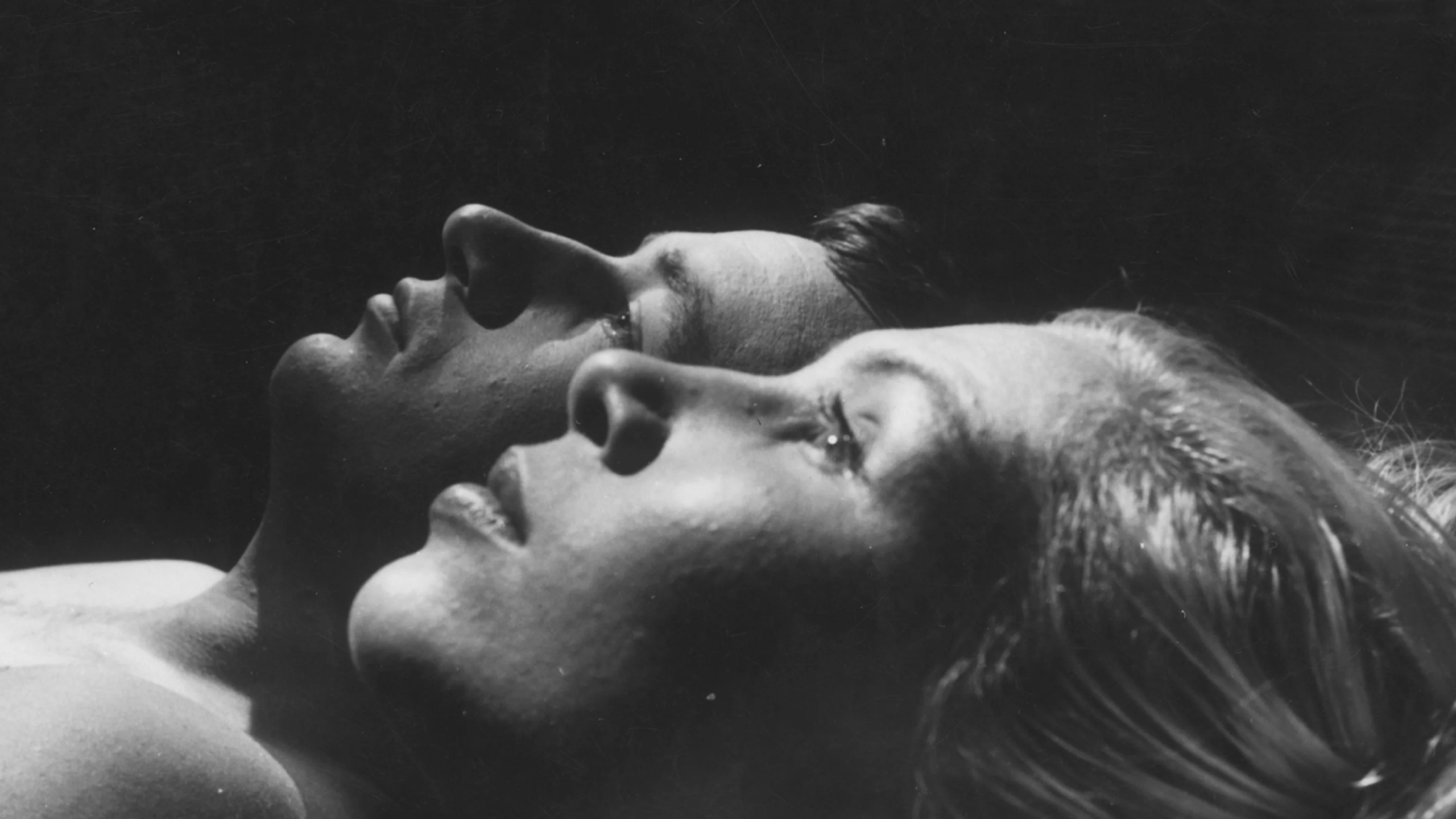
FRENCH RIVIERA
From Agnès Varda to François Truffaut and Jacques Demy. From Jeanne Moreau and Philippe Noiret, to Fanny Ardant and Jean-Louis Trintignant. And from film noir to emotional drama and Nouvelle Vague. Five classic films of the French cinema from the 30s to the 80s take us on a journey to the cosmopolitan French Riviera.
Titles in this collection
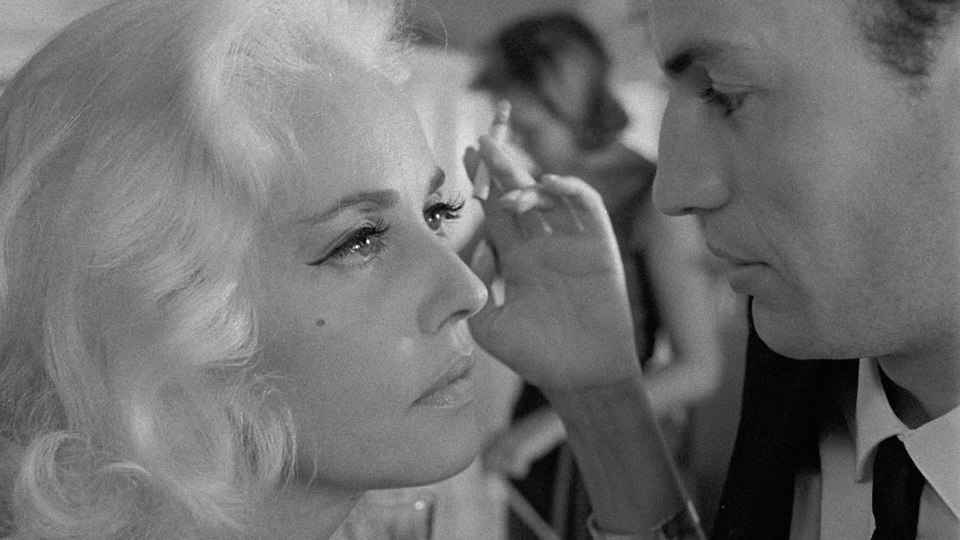
Bay of Angels
In the casino world of Nice, Jacques Demy sets the action of one of his most realistic, dark and emotionally penetrating works. With Jeanne Moreau in one of her greatest roles and an enchanting score by the legendary Michel Legrand. — Jean is a young bank employee who is pushed into gambling by his colleague, Caron. He gives up everything and devotes himself to the game, until in the casinos he meets and falls in love with Jackie, a divorced mother who rarely visits her child. She warns him that her passion for gambling can only get worse.
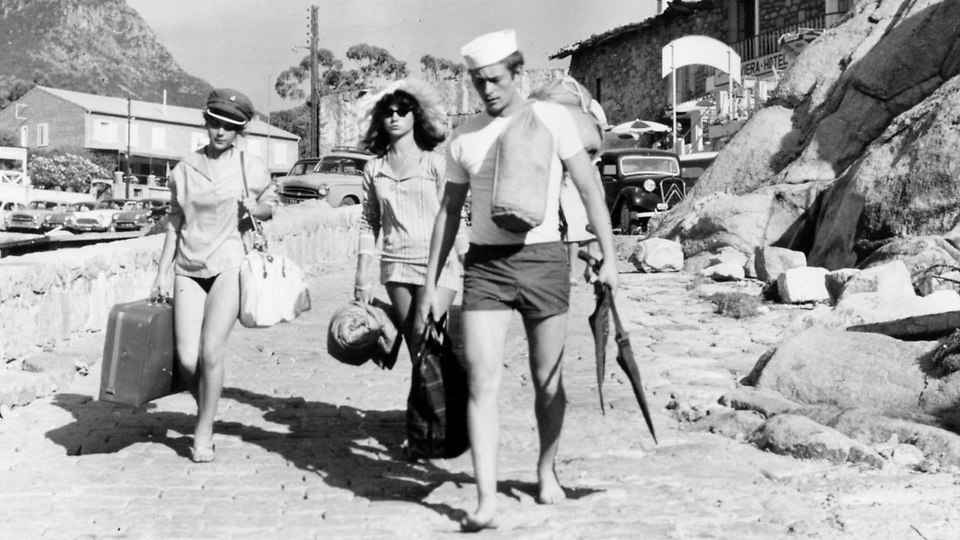
Adieu Philippine
On the border of Nouvelle Vague and neorealism, with a war out of sight and the anarchic ecstasy of youth as a showcase, Jacques Rozier's film takes us on a journey to Corsica and claims its place as an overlooked masterpiece of the time. — Michel is a young man who is going to do his military service in two months during the war in Algeria. Juliette and Liliane are inseparable best friends and aspiring actresses, hanging out outside the TV studio. Michel invites them to watch, flirts with both of them, and starts dating them – separately. When Michel goes on holiday to Corsica, just before he is drafted, the girls follow him.
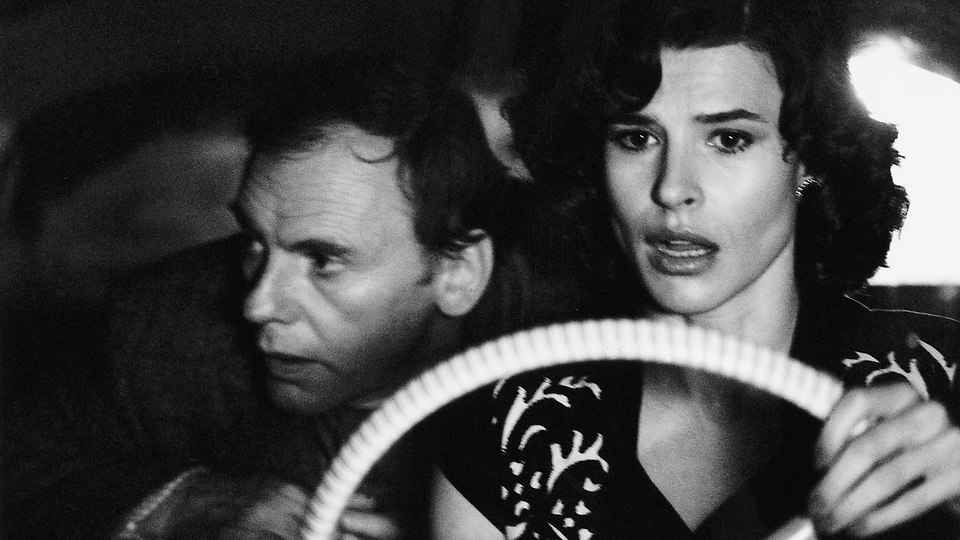
Confidentially Yours - Finally Sunday!
François Truffaut’s last film is a love letter from one great film lover to another, Alfred Hitchcock, and it comes in the shape of a film noir told with a light, almost teasing touch. Jean-Louis Trintignant and Fanny Ardant lead the cast. — The story, adapted from a Charles Williams novel, unfolds over a few days in a small town in the south of France. The head of an estate agency becomes the prime suspect when his wife and her lover are murdered, and as the evidence piles up and a third body appears, he goes into hiding. His secretary, meanwhile, decides to do some digging of her own. — Nominated for Best Foreign Language Film | BAFTA Awards | 1984
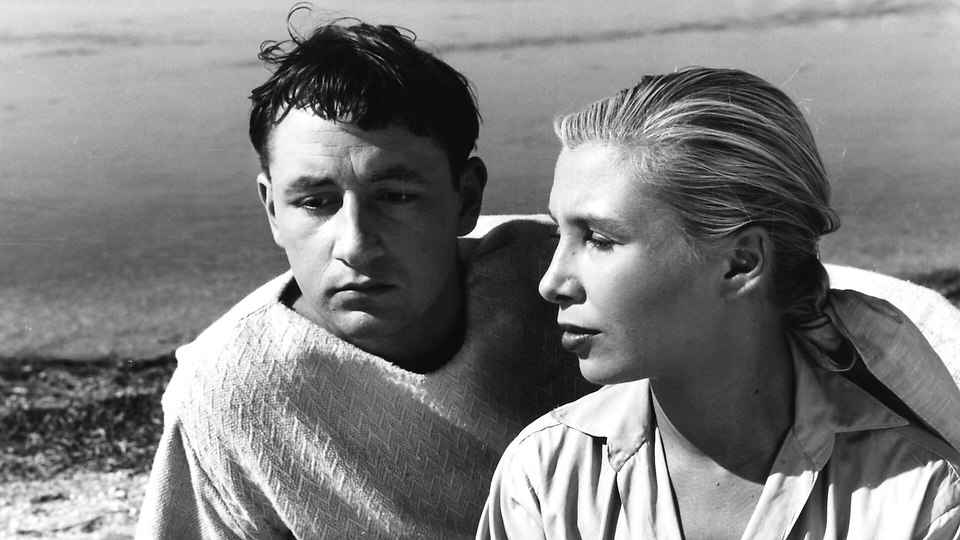
La Pointe Courte
Varda insisted she had only seen a handful of films before making her first movie, but both the film critics and her future peers were stunned when they watched one of the most mature and sophisticated debuts in French film history. — A man arrives at a train station to meet his wife. After 4 years of marriage, the couple has problems, but they decide they belong together. When they return to Paris, she is armed with a better understanding of her husband after having visited the area where he grew up. It’s a place of poor and proud people. Fishermen gather shellfish from a bacteria-laden lagoon. A toddler dies from an unidentified disease. A young man is allowed to flirt with a neighbor's daughter after winning a tournament.
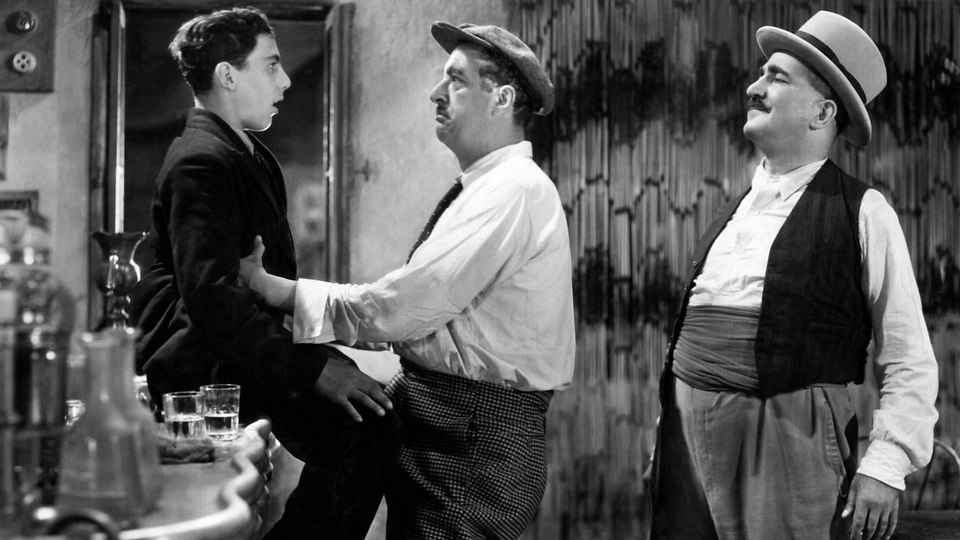
Marius
The first part of Marcel Pagnol's iconic "Marseille Trilogy" is adapted by the legendary producer Alexander Korda ("The Third Man"), taking the audience of the time on a formidable journey with an emotional drama that carries you away, and the weight of personal choice. — Marius has known and adored the beautiful fishmonger Fanny since they were children, but he is torn between his love for her and his love for the sea. Fani, meanwhile, is courted by the older, kind shopkeeper Panisse, who offers wealth and stability. Marius and Fanny are torn between freedom and responsibility, and each decision they make leads to more disappointment.
Get free cinema tickets
Our website uses Cookies
We use cookies to offer you the best possible experience on our site.
- Necessary cookies
- Analytics cookies
- Advertisement cookies
