The Cinematic DNA of Sinners
Sinners, which shattered the record for Oscar nominations, refuses to be just one thing - and that is precisely why it manages to mean so many different things to so many people. In an attempt to deconstruct the cinematic DNA of the motifs running through Ryan Coogler’s film, we put together a cinematic “playlist”: a selection of films that may not necessarily resemble Sinners, but enter into a dialogue with its many layers and points of fascination.

City of God
Most of the cast grew up in Cidade de Deus, the real Rio neighbourhood the film is named after, and nothing in this harrowing thriller feels made up. It earned four Oscar nominations, Best Director for Fernando Meirelles among them. — Rocket grows up on a housing estate on the edge of Rio in the 1960s, never without his camera and with no interest in the gangs around him. Zé has been killing since he was a boy, and by the 1970s the whole neighbourhood answers to him. It stays that way until someone stops being afraid of him. — Nomination for Best Director Oscar | Oscars | 2004 Nomination for Best Original Screenplay Oscar | Oscars | 2004 Best Editing | BAFTA Awards | 2003 Nomination for Best Foreign Language Film | Golden Globes | 2003 Visions Award - Special Mention | Toronto Film Festival | 2002
The White Ribbon
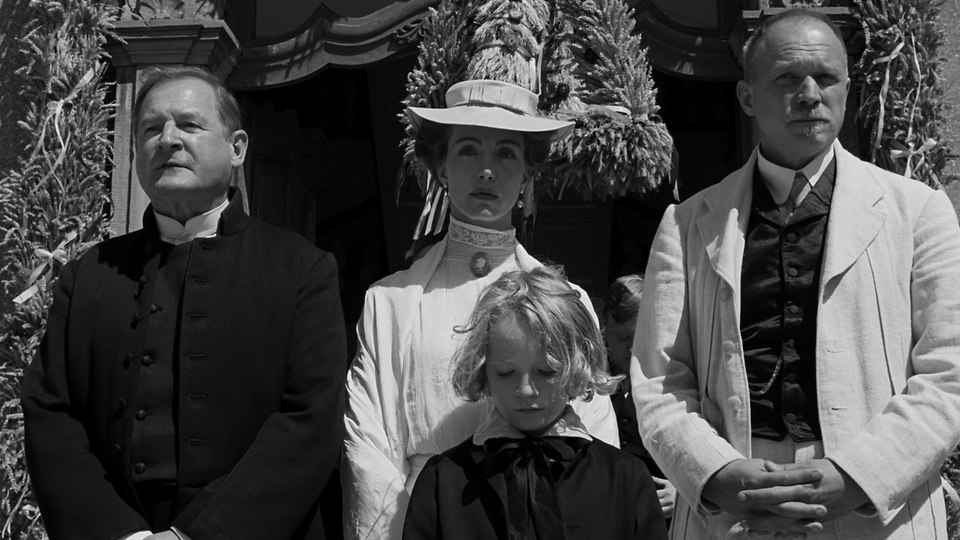
Michael Haneke went looking for the roots of fascism and won the Palme d’Or, a Golden Globe and many other awards. In a Protestant village in early 20th-century Germany, accident after accident looks less like chance, nobody will say who is behind them, and the children know more than they let on. — A year before the First World War, the doctor of a Protestant village in northern Germany is thrown when his horse trips on a wire strung across the road. More accidents follow, with no explanations, and though suspicion falls on the villagers, nobody is willing to talk. All the while the village children are watching, and they may know more than the adults are prepared to admit. — Nomination for Best Foreign Language Film | Oscars | 2010 Nomination for Best Cinematography | Oscars | 2010 Golden Palm | Cannes Film Festival | 2009 Best Foreign Language Film | Golden Globes | 2010 FIPRESCI Prize | San Sebastian Film Festival | 2009

The Piano Teacher
Michael Haneke wouldn’t start shooting until he had Isabelle Huppert, and she is the piano teacher at the heart of his shattering adaptation of Nobel laureate Elfriede Jelinek’s novel. She has locked every feeling away, until a student comes along who is determined to find the key. — Erika Kohut teaches piano at the Vienna conservatory, where she is merciless with her students, and spends her evenings in the flat she shares with her strict mother. She is lonely, and her sexuality finds its outlet in voyeurism and the video booths of porn shops. Then Walter Klemmer, a gifted young student, begins to court her, and Erika tells him exactly what she wants. — Grand Prize of the Jury | Cannes Film Festival | 2001 Best Actress (Isabelle Huppert) | Cannes Film Festival | 2001 Best Actor (Benoît Magimel) | Cannes Film Festival | 2001
The Color of Pomegranates
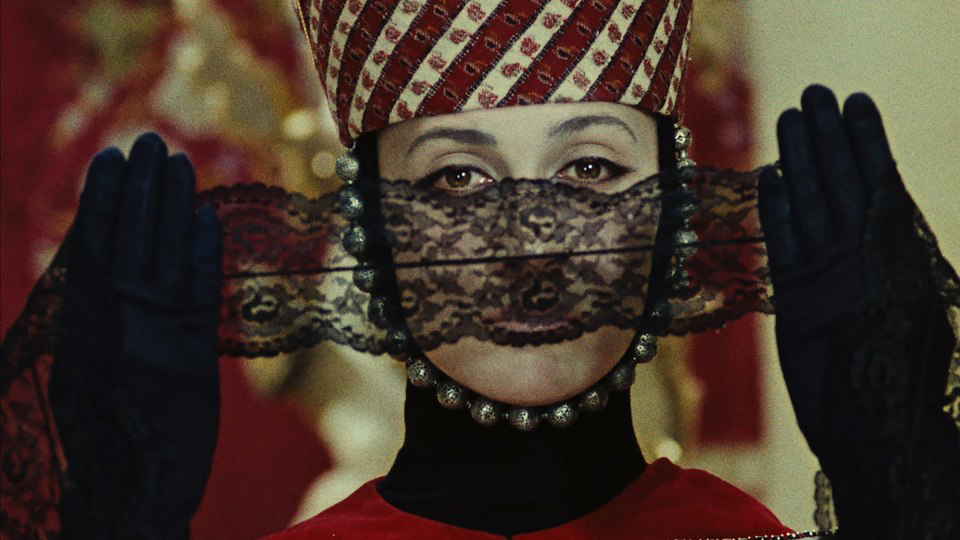
Nobody before or since has captured the essence of poetry in images quite the way Parajanov did. Martin Scorsese, whose Film Foundation oversaw the restoration, said that watching it was like opening a door into another dimension. — The poet Sayat-Nova grows up among dyers and their wool in 18th-century Armenia, then sings at court, falls in love with a princess and enters a monastery. None of it is told in scenes. Instead it unfolds in images: pomegranate juice spreading across white cloth, and open books drying on a rooftop as the wind turns their pages.

Let the Right One In
Αward-winning and globally beloved, bearing the stamp of an instant classic, Thomas Alfredson's masterpiece holds a prominent position among the most original and tender interpretations of the vampire myth. — Oscar, a neglected boy, finds love and redemption through Eli, a beautiful yet peculiar girl. — Jury Prize | Tribeca Film Festival | 2008 Nomination for Best Foreign Language Film | BAFTA | 2010

Black Narcissus
Powell and Pressburger (“The Red Shoes”) shot their famous Himalayan convent film nowhere near a mountain, with painted peaks and a convent built at Pinewood, and still won Oscars for cinematography and art direction. Five English nuns, one agnostic, and a faith that loses out to the flesh. — Five English nuns, led by the young Sister Clodagh, arrive at a palace on a Himalayan cliff to open a school and a dispensary in what was once a harem and now belongs to the Church. The air is thin and peace never comes. Mr Dean, the only Englishman for miles around, doesn’t pretend to believe in anything, and Sister Ruth can’t stop looking at him. — Best Cinematography | Oscars | 1948 Best Set Decoration | Oscars | 1948 Best Cinematography | Golden Globes | 1948

Black Girl
In this spare, widely admired classic of African cinema, a young Senegalese woman goes to the French Riviera to look after a French family’s children. Ousmane Sembène had been writing novels until he realised that the people he wrote about couldn’t read them, so he turned to the camera instead. — Diouana is looking for work in a village outside Dakar when a French family takes her on and offers to bring her to Antibes to mind their children. She says yes and goes. Once she arrives, though, it turns out she’s expected to cook and clean, and never to leave the flat. — Best French Film | Jean Vigo Prize | 1966

Raw
Cannibalism as the perfect allegory for maturation and sexual awakening. A young vegetarian studying to become a vet, starts feeling... hungry. A triumph of Belgian fantasy cinema for extreme viewers. — A promising 16-year-old student from a vegetarian family of veterinarians enters a merciless, dangerous and seductive world, as she begins her studies in veterinary medicine. Her first week is filled with strange rituals. Determined to be accepted, she renounces her principles and tastes raw meat for the first time. She will soon face the consequences of her actions as her true nature emerges. — FIPRESCI Prize- Critics' Week | Cannes Film Festival | 2016 Best First Feature Award | London Film Festival | 2016
La Llorona
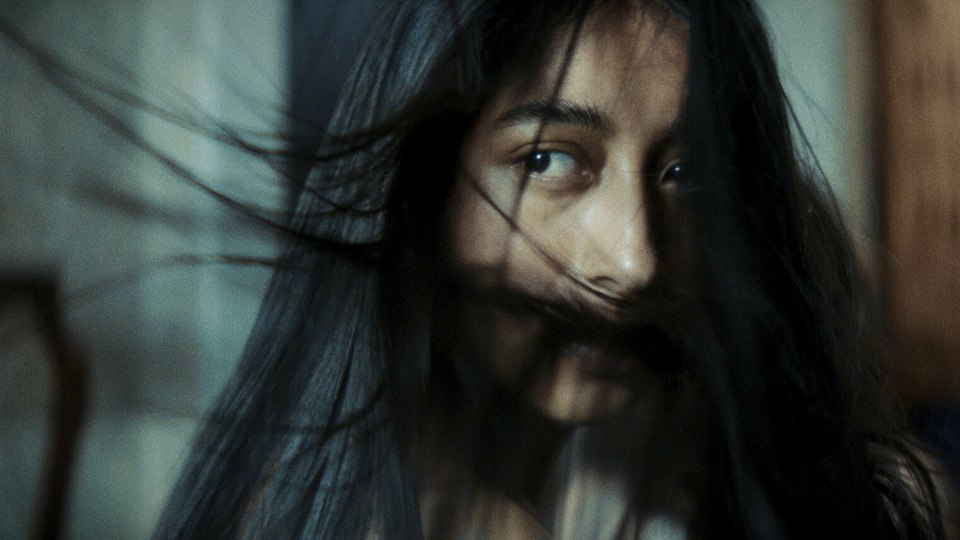
Bustamante found that horror is what Guatemalans really watch, so he used it to confront the genocide in his own country and won awards at Venice and San Sebastián. A young Mayan woman starts work in an acquitted general’s house, and this ghost story is nothing like the one you’re expecting. — Thirty years after the massacres, General Enrique Monteverde goes on trial in Guatemala for the killing of the Maya and walks free. A crowd gathers outside his house and hurls stones at the windows, while his wife, daughter and granddaughter shut themselves in with him. That’s when a new maid turns up for work, and her name is Alma. — Best Director - Giornate degli Autori | Venice Film Festival | 2019 Fedeora Award | Venice Film Festival | 2019 EFADs-CAACI Award | San Sebastián International Film Festival | 2018 Official Selection | London Film Festival | 2019
Tabu
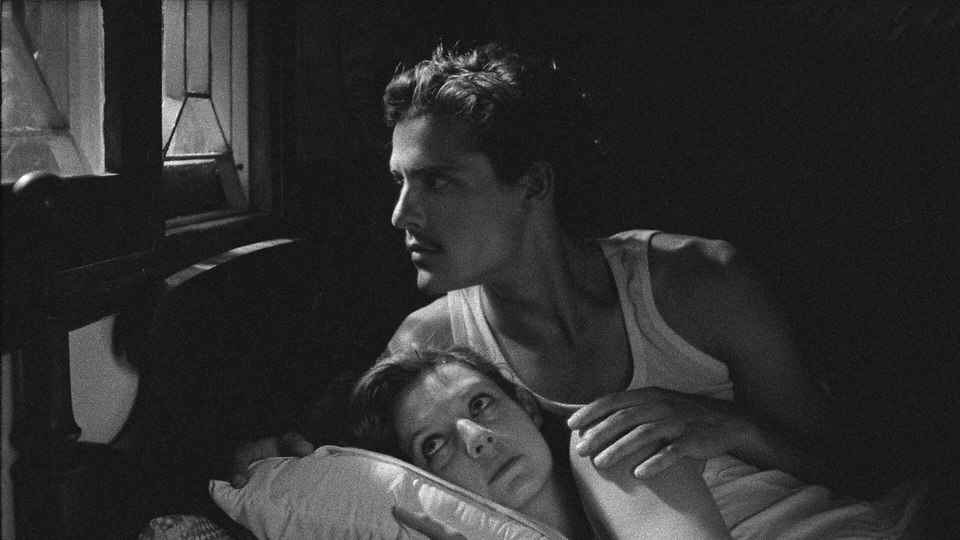
The greatest love stories have yet to be told. An elderly woman embarks on a long journey and thus unleashes a grand, tender, peculiar, unique second part in a film for which just one time is not enough. — A woman spends her retirement years taking care of the people around her. Most of all, she's troubled by her lonely neighbor, an eccentric 80-year-old who believes her maid is using voodoo on her. The old woman wants to meet a man from her past, so the retiree and the maid join forces to help her find him. The man has a story to tell. A story that unfolded 50 years ago, before the Portuguese colonial war, and begins as follows: "He had a farm in Africa, at the base of mount Tabu..." — Alfred Bauer Award | Berlin International Film Festival | 2012 FIPRESCI Prize | Berlin International Film Festival | 2012 Audience Award | Las Palmas Film Festival | 2012
Get free cinema tickets
Our website uses Cookies
We use cookies to offer you the best possible experience on our site.
- Necessary cookies
- Analytics cookies
- Advertisement cookies
