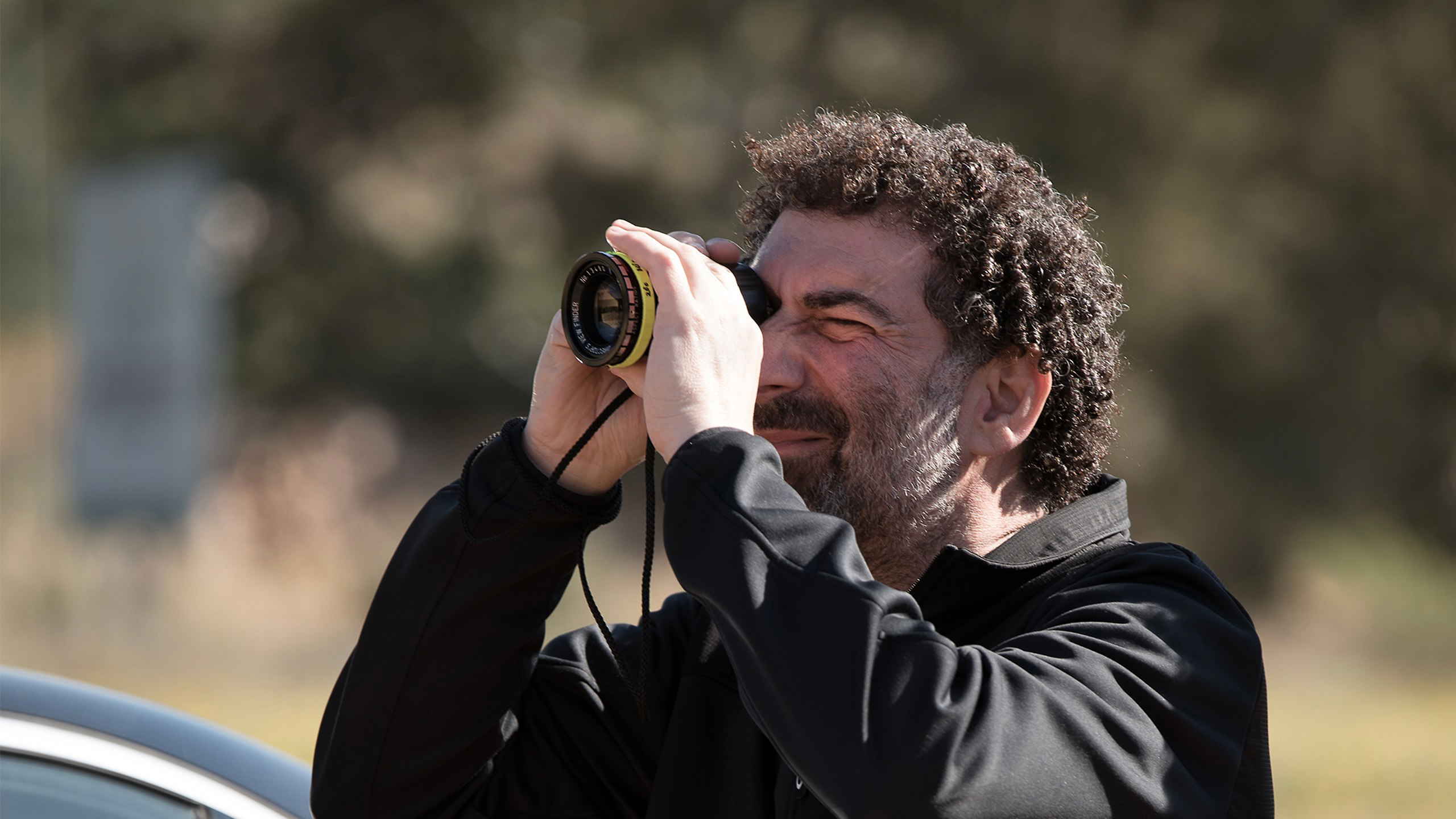
What Yannis Economides Watches
Undoubtedly one of the finest Greek filmmakers of our time, Yannis Economides stays close to home with Damianos and Papatakis, embraces the social realism of the Dardenne brothers, crosses the Atlantic to meet Carlos Reygadas, and returns to Europe to surrender to the emotional whirlwind of Gaspar Noé’s latest film to date.
Titles in this collection
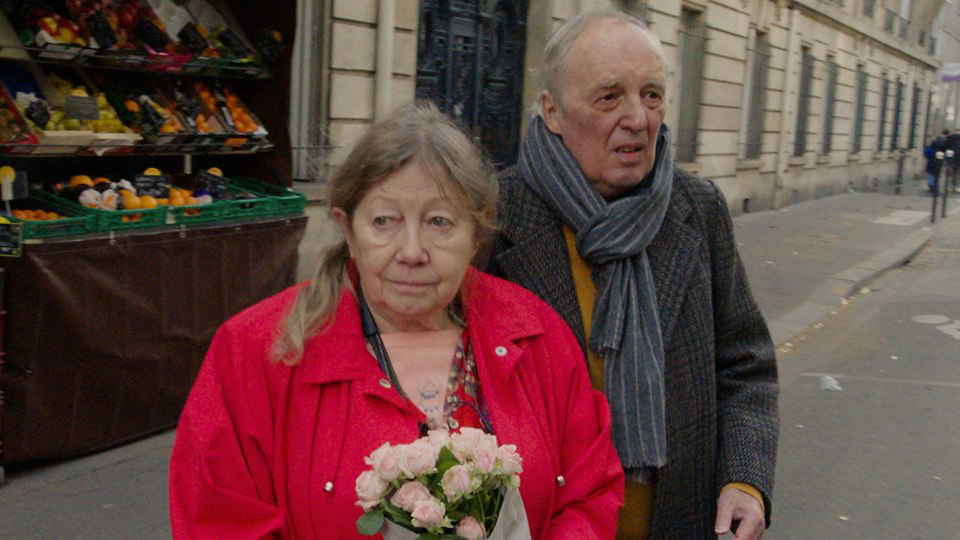
Vortex
The great provocateur of world cinema changes his style, but remains shocking. Haneke's Amour enters Noé's hallucinatory universe and invites us into a relentlessly realistic horror story, where the horror stems from the hardships of getting old. — A loving, elderly couple spends their days in a Paris apartment, battling the early stages of dementia. In split-screen, we follow their daily life, and as it becomes increasingly difficult and their son tries to take care of them, the oblivion shifts to something more disturbing and the two of them enter a spiral of mental and physical degeneration. — Zabaltegi-Tabakalera Prize for Best Film | San Sebastian Film Festival | 2021 Official Selection | Locarno Film Festival | 2021 FIRPESCI Prize | Istanbul Film Festival | 2022 Official Selection | Cannes Premiere | 2021
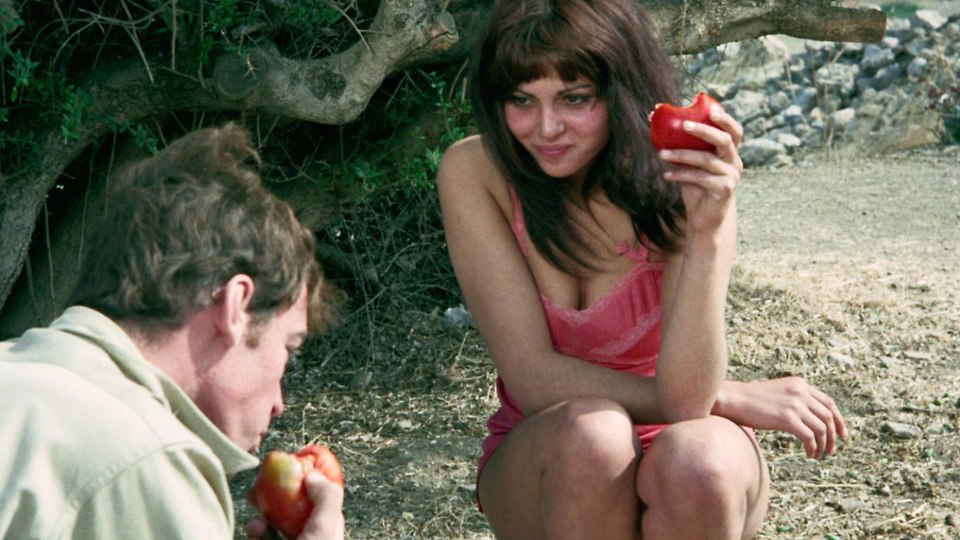
Evdokia
For many, the greatest Greek film ever made, mythic in stature within the collective consciousness of local cinephiles, and blessed with the immortal soundtrack of Manos Loizos. — A sergeant meets Evdokia, a prostitute; they fall in love and get married. But Evdokia longs to live freely. — Best Actress (Maria Vassiliou) | Thessaloniki Film Festival | 1971
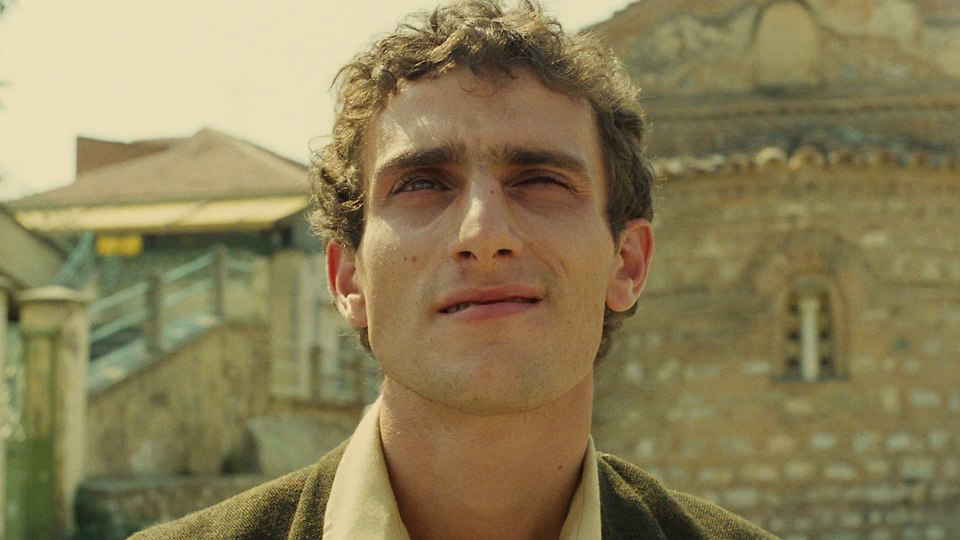
The Photograph
An anarchist creator condenses all the conflicts of the time from the Civil War to the regime change (Metapolitefsi), through an allegorical story in the form of a modern tragedy. Papatakis draws inspiration from a true incident somewhere in Spain, to talk about a wounded homeland. — During the Greek dictatorship, a young man flees for Paris, where he seeks help from a lonely, misanthropic distant relative who owns a fur processing workshop. He carries with him the photo of a singer whom he presents as his sister, creating a series of misunderstandings which drag him into a vicious circle of successive lies and fantasies. The furrier will fall in love with the girl in the photo. — Best Screenplay | Thessaloniki Film Festival | 1986 Hellenic Association of Film Critics Best Film Award | Thessaloniki Film Festival | 1986
Rosetta
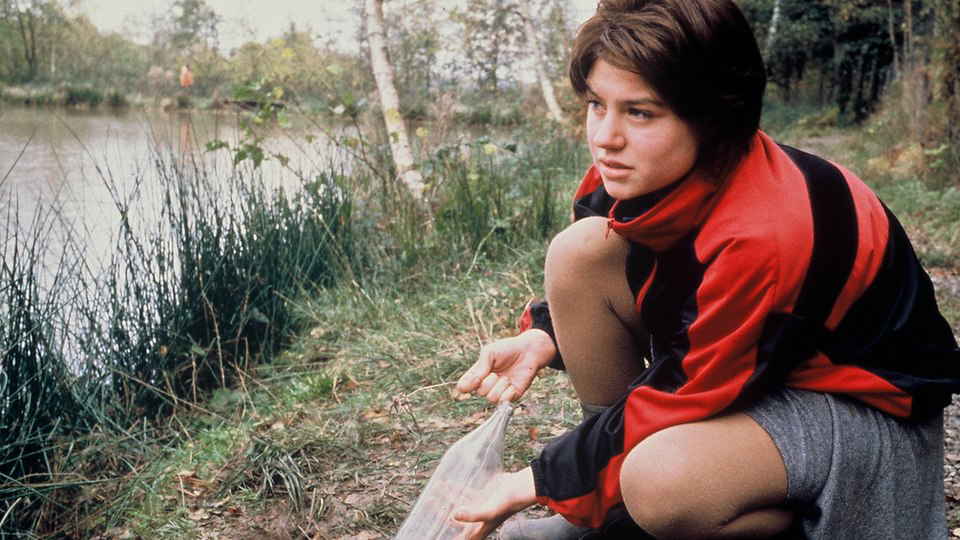
Rosetta will take any job she can get, and the Dardenne brothers keep the camera so close to her that her panic becomes yours. It won them the first of their two Palmes d’Or, and Belgium went on to name a youth employment law after her. — Rosetta lives in a caravan on the edge of a Belgian town with her alcoholic mother, and all she wants is work, any work, on any terms. The film is only minutes old when she loses the job she has. When Riquet from the waffle stand offers her his friendship, what she’d really like is his job. — Golden Palm | Cannes Film Festival | 1999 Best Actress Awards (Emilie Dequenne) | Cannes Film Festival | 1999
Battle In Heaven
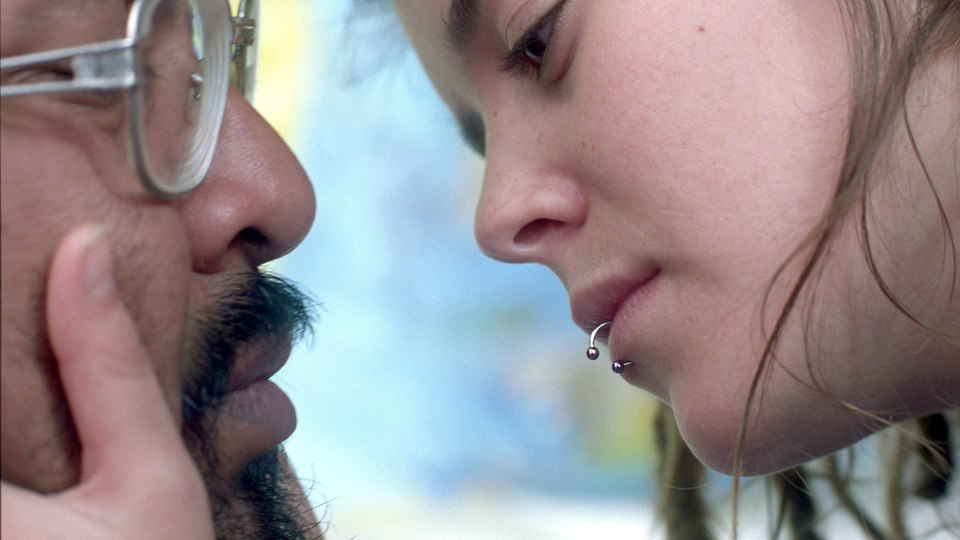
Continuing his thrillingly unclassifiable journey through the landscape of contemporary cinema, Carlos Reygadas blends social realism, religious symbolism, and explicit sexual imagery, composing a provocative and morally charged enigma about guilt and divine grace through personal collapse. — A tour guide in Mexico City becomes involved in an illegal kidnapping scheme. When the child dies, he confesses the crime to his boss’s young daughter, who works as a prostitute in a luxurious brothel. One crime leads to another, and the man embarks on a self-punishing path toward redemption. — Official Selection | Cannes Film Festival | 2005 FIPRESCI Award | Rio de Janeiro International Film Festival | 2005
Get free cinema tickets
Our website uses Cookies
We use cookies to offer you the best possible experience on our site.
- Necessary cookies
- Analytics cookies
- Advertisement cookies