
Angelos Bratis
Fashion designer Angelos Bratis answers the big question "what should I watch tonight" by discussing with us his 5 favourite films. Who would be the American Isabelle Huppert? Fassbinder: toxic or genius? Is Kieslowski a cliché? A conversation on cinema, fashion, Chinese ideograms and cats.
Titles in this collection
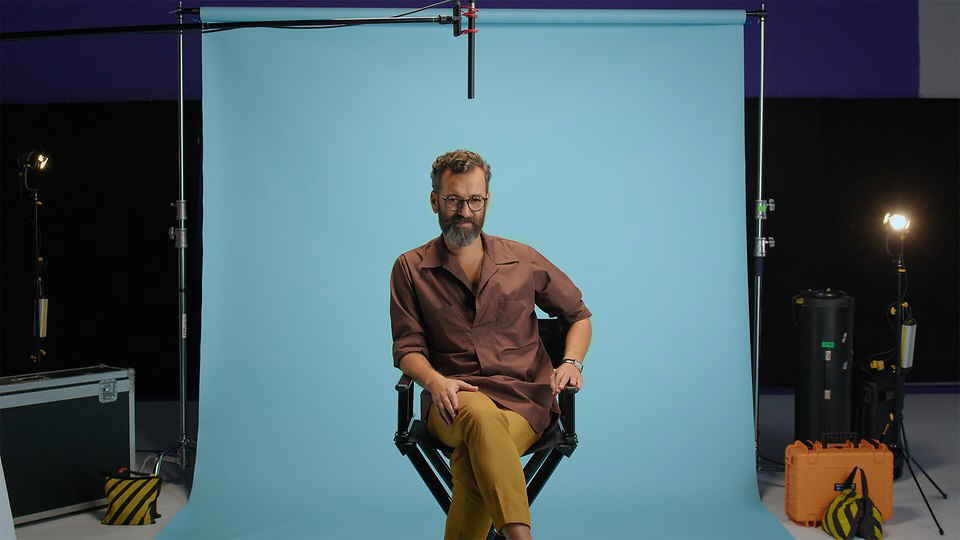
Angelos Bratis: My 5 favourite films in Cinobo
Fashion designer Angelos Bratis answers the big question "what should I watch tonight" by discussing with us his 5 favourite films. Who would be the American Isabelle Huppert? Fassbinder: toxic or genius? Is Kieslowski a cliché? A conversation on cinema, fashion, Chinese ideograms and cats.
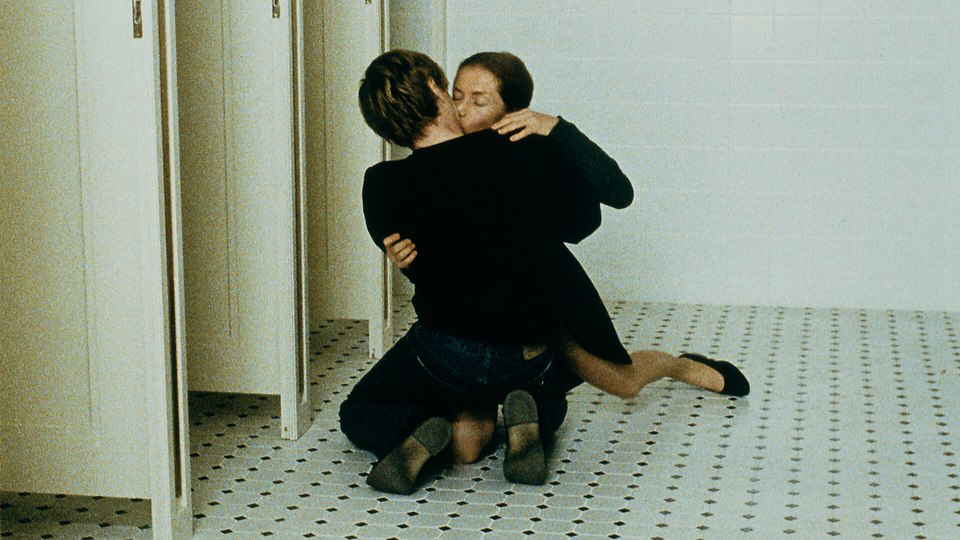
The Piano Teacher
Michael Haneke wouldn’t start shooting until he had Isabelle Huppert, and she is the piano teacher at the heart of his shattering adaptation of Nobel laureate Elfriede Jelinek’s novel. She has locked every feeling away, until a student comes along who is determined to find the key. — Erika Kohut teaches piano at the Vienna conservatory, where she is merciless with her students, and spends her evenings in the flat she shares with her strict mother. She is lonely, and her sexuality finds its outlet in voyeurism and the video booths of porn shops. Then Walter Klemmer, a gifted young student, begins to court her, and Erika tells him exactly what she wants. — Grand Prize of the Jury | Cannes Film Festival | 2001 Best Actress (Isabelle Huppert) | Cannes Film Festival | 2001 Best Actor (Benoît Magimel) | Cannes Film Festival | 2001
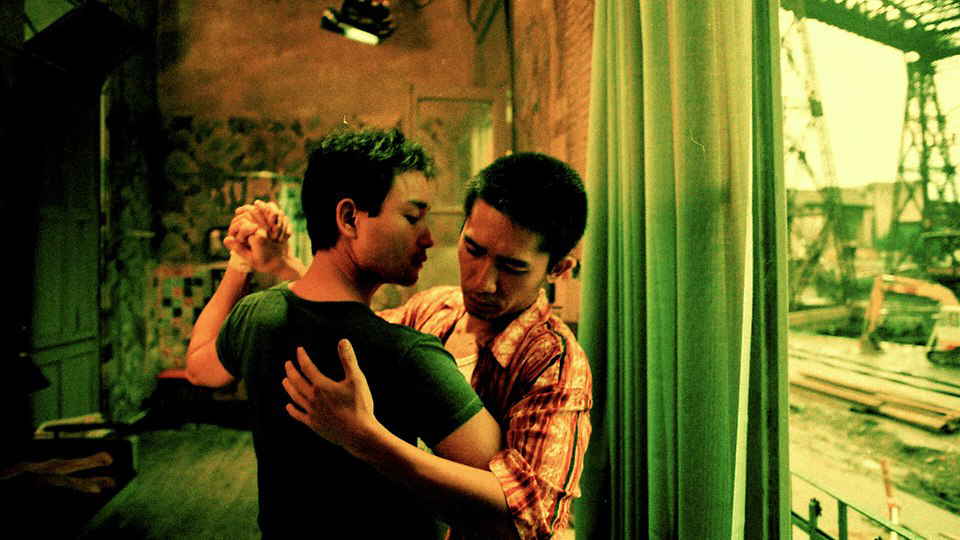
Happy Together
Wong Kar-Wai flew to Buenos Aires in September 1996 for what was meant to be a six-week shoot, and he was still filming in December. Two men from Hong Kong cross the world to save their relationship and break up along the way, and from then on they swing between love and hate. — Two men on holiday in Argentina break up partway through the trip, and neither has the money to get home. One takes a job as a doorman at a bar and rents a tiny room, while the other spends his nights with whoever’s around, until the day he turns up hurt on his ex’s doorstep. — Best Director | Cannes Film Festival | 1997 Audience Award | Arizona International Film Festival | 1998 Best Actor | Hong Kong Film Awards | 1998
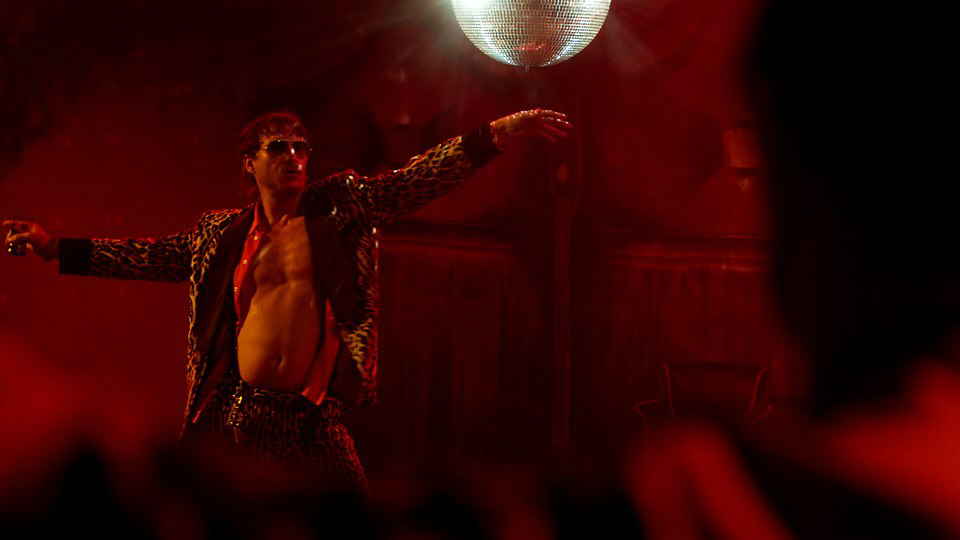
Enfant Terrible
If you want to find out encyclopaedic details about R.W. Fassbinder's life, just google them. Now how these could be rendered in a film that is meant to resemble his life is a different question, one answered by Oskar Roehler's brave film, an authentic homage to the director's filmmaking. — When, in 1967, the 22year-old Rainer Werner Fassbinder takes charge of the Anti-Theatre stage in Munich, no one suspects that this insolent guy will become one of the most important post-war German filmmakers. His films premiere in some of the biggest film festivals in the world, and are either adored or loathed by the audience, the critics and other filmmakers. His rage as well as his deep desire for love, make him the most important and the most radical filmmaker, an enfant terrible.
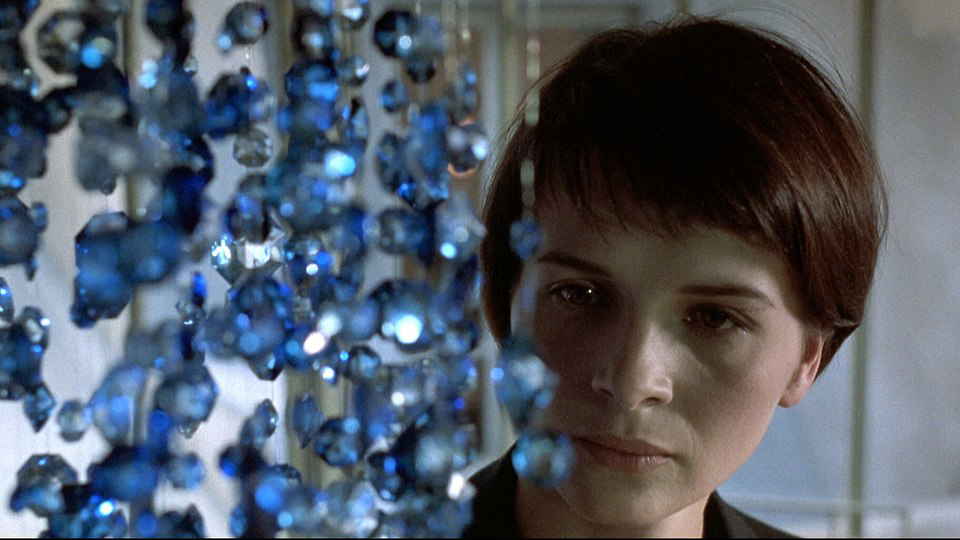
Three Colors: Blue
The first part of the Trilogy of Colors is dedicated to freedom, dipped in a blue metaphysical light that bathes the face of Juliette Binoche. Structured as a redeeming and liberating path from mourning and introversion to creation and self-realization. — After the death of her husband and child in a car accident, Julie (Juliette Binoche) struggles trying to overcome the initial shock and decides to claim her freedom and start a new life. — Golden Lion | Venice Film Festival | 1993 Golden Osella | Venice Film Festival | 1993 OCIC Award | Venice Film Festival | 1993
Get free cinema tickets
Our website uses Cookies
We use cookies to offer you the best possible experience on our site.
- Necessary cookies
- Analytics cookies
- Advertisement cookies