Filmography
Éric Rohmer
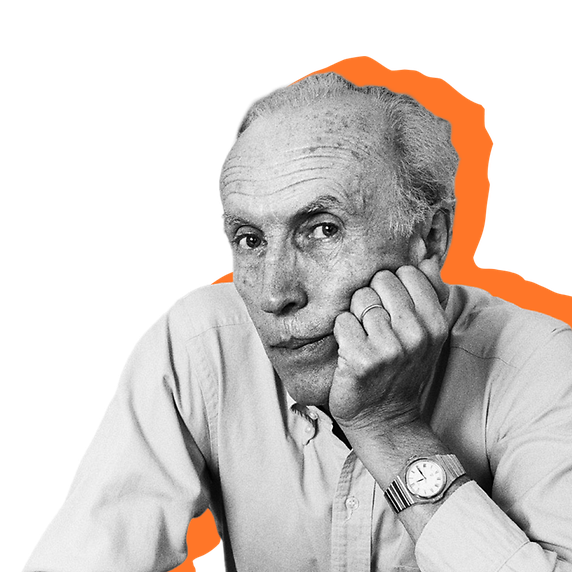
Nouvelle Vague's "litterateur", the man who turned his stories into films because, according to his own words, he could not turn them into novels just as well, played masterfully with the frailties of the human heart that strike his bourgeois heroes at crucial times of their lives.
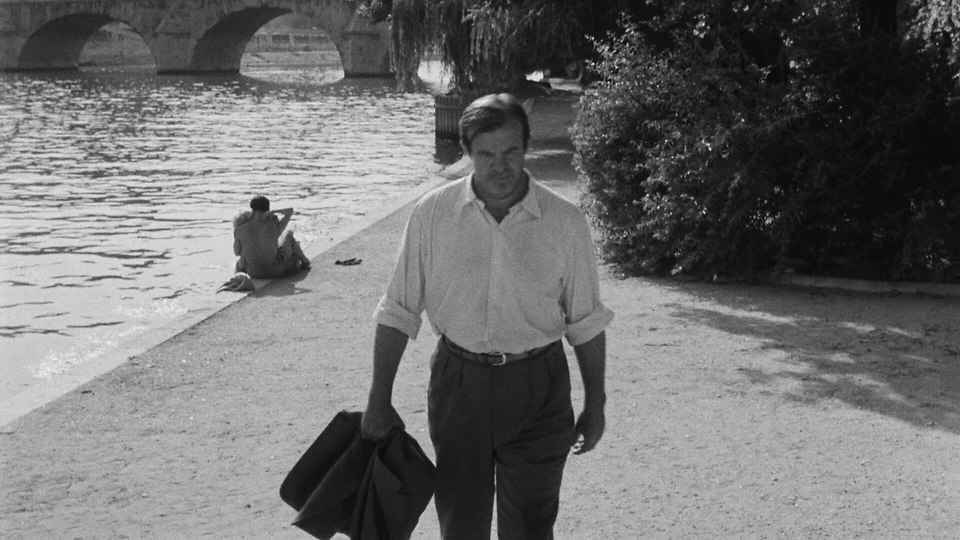
Sign of the Lion
An American in (bohemian) 1950s Paris. Temptation, morality and life as a game of luck. Éric Rohmer’s debut is a Nouvelle Vague film beloved by cinephiles, produced by Chabrol and featuring a cameo by Godard. — Expecting to inherit his wealthy, recently deceased aunt, an American in Paris – born a leo and therefore certain luck will always be by his side – squanders his money and accrues debt, only to find himself trapped when he finds out his aunt has disowned him and there is no inheritance money coming to his rescue. But, all of a sudden, everything changes because of a shocking accident.
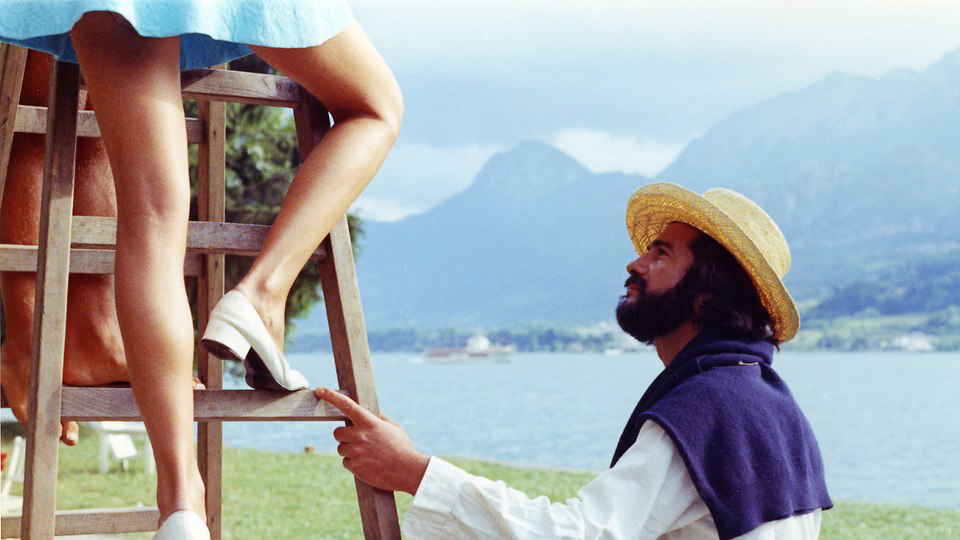
Claire's Knee
Literary games in an idyllic resort, romance, infidelity, questions of morality and heroes who have a hard time keeping their word. Éric Rohmer’s summer classic is akin to a breezy summer meal with good French wine. — Shortly before his wedding, Jerome spends his summer vacation at lake Annecy, in order to sell his family villa. While there, he reunites with an old friend who is a writer and is staying at a neighboring house along with the owner’s strong-willed daughter. Jerome’s interactions with the young girl and the effect she has on him, provide the writer with the idea for her next book. While Jerome’s interests start to wane, the arrival of a new girl, Claire, grabs his attention. — Best Film | San Sebastián International Film Festival | 1971 Nominated for Best Foreign Language Film | Golden Globes | 1972
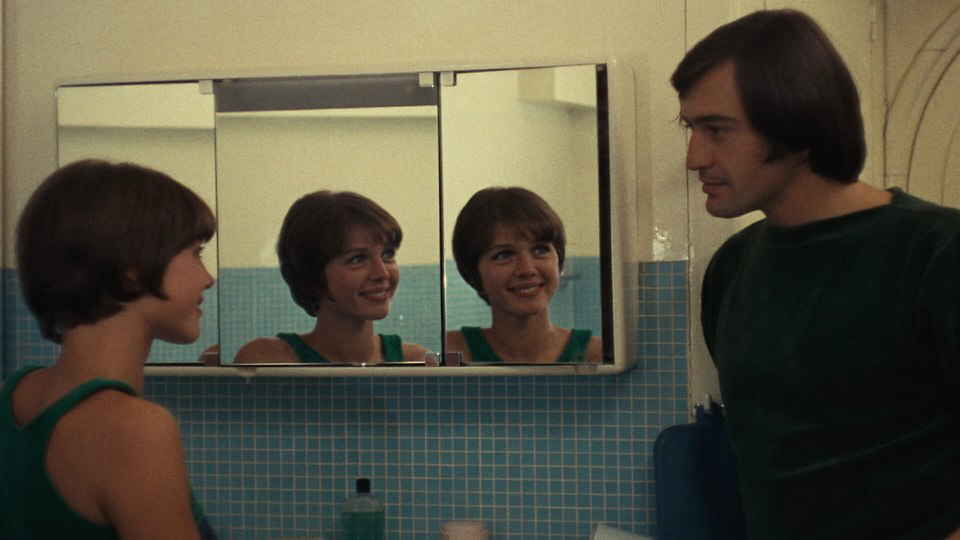
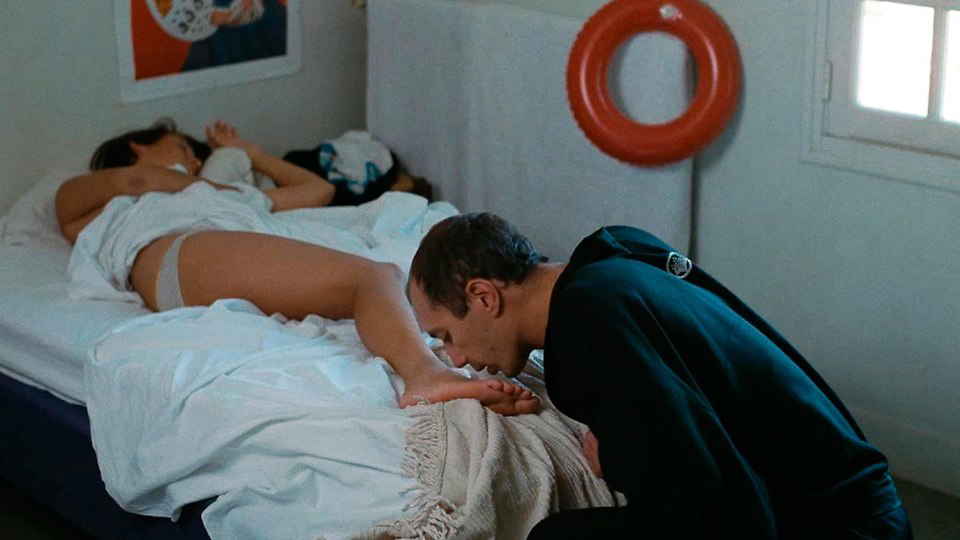
The Collector
Short of money, Rohmer shot his first colour film out of sequence, with five lamps and whatever light was already there, and it turned out to be the most erotic of his “Six Moral Tales”. Three people share a villa, with the whole summer stretching out ahead of them. — Adrien arrives at a friend’s seaside villa meaning to spend the entire summer doing nothing whatsoever, only to find two people already staying there. One is Daniel, an old acquaintance, and the other is Haydée, who takes someone new to bed almost every night. The two men make a pact to ignore her, but it doesn’t take Adrien long to work out that he’s next. — Prize of the Jury | Berlin Film Festival | 1967 Youth Film Award | Berlin Film Festival | 1967
Pauline at the Beach
Rohmer (“My Night at Maud’s”) opens with a line from the French poet Chrétien de Troyes, that whoever talks too much brings trouble on himself, and then shuts people who never stop talking in a Normandy beach house. It won three awards at Berlin in 1983. The unbearable lightness of being sixteen. — Sixteen-year-old Pauline is spending the last week of the summer holidays on the Normandy coast with her older cousin Marion, who is single at the moment and looking for romance. One day Marion and Pauline each set their sights on someone, and soon all the adults are lying about who was with whom. Pauline learns to do the same, and fast. — Best Director | Berlin Film Festival | 1983 FIPRESCI Award | Berlin Film Festival | 1983 OCIC Award - Honorable Mention | Berlin Film Festival | 1983
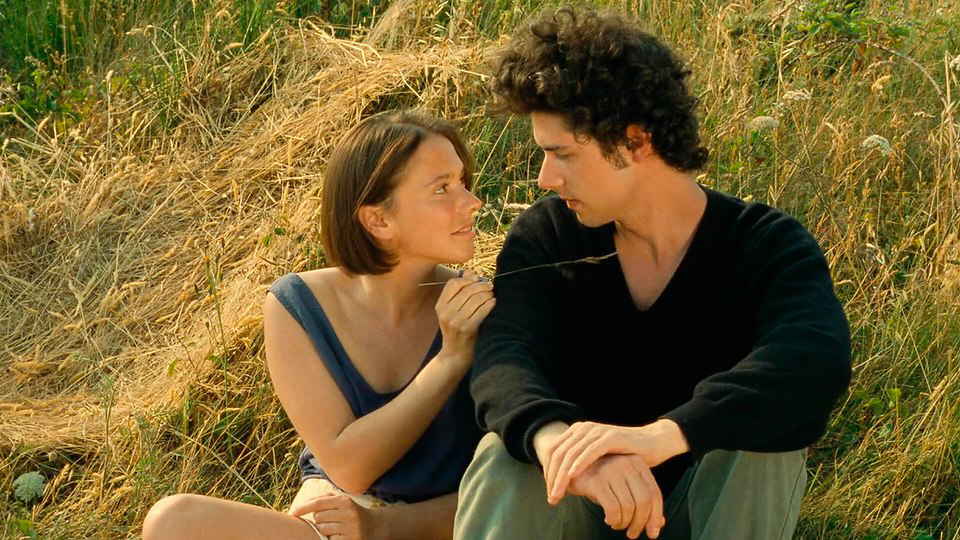
A Summer's Tale
In the summer instalment, the third of his “Tales of the Four Seasons”, Rohmer (“My Night at Maud’s”) heads to Brittany at the start of the season, while the beaches are still empty. A maths student, three girls and one holiday make for a romantic tangle, and Rohmer is in his element. — Gaspard, a shy maths student, rents a room in Dinard on the French coast at the start of the season and waits for his girlfriend, Léna, to join him. While he waits he meets Margot, who wants to be his friend, and then Solène, who wants more than friendship. And then Léna turns up.
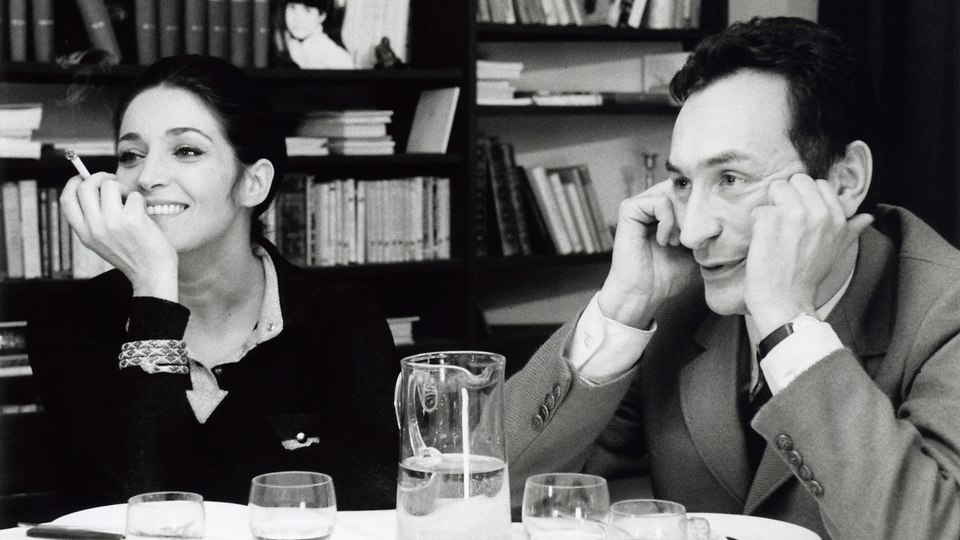
My Night at Maud's
Nominated twice for an Oscar, the film that made Rohmer famous is set in Clermont-Ferrand because Pascal was born there. A devout Catholic and a doctor who doesn’t believe end up arguing about Pascal’s wager until morning. — Jean-Louis, a devout engineer in Clermont-Ferrand, has quietly chosen the woman he means to marry when, a week before Christmas, he runs into Vidal, an old acquaintance who teaches philosophy and believes in nothing. Vidal takes him to meet Maud, a doctor who lives alone and argues better than either of them. Then the snow starts to fall, the last bus pulls out, and the conversation carries on. — Nominated for Best Foreign Film | Oscars | 1970 Nominated for Best Original Screenplay | Oscars | 1970 Official Selection | Cannes Film Festival | 1969
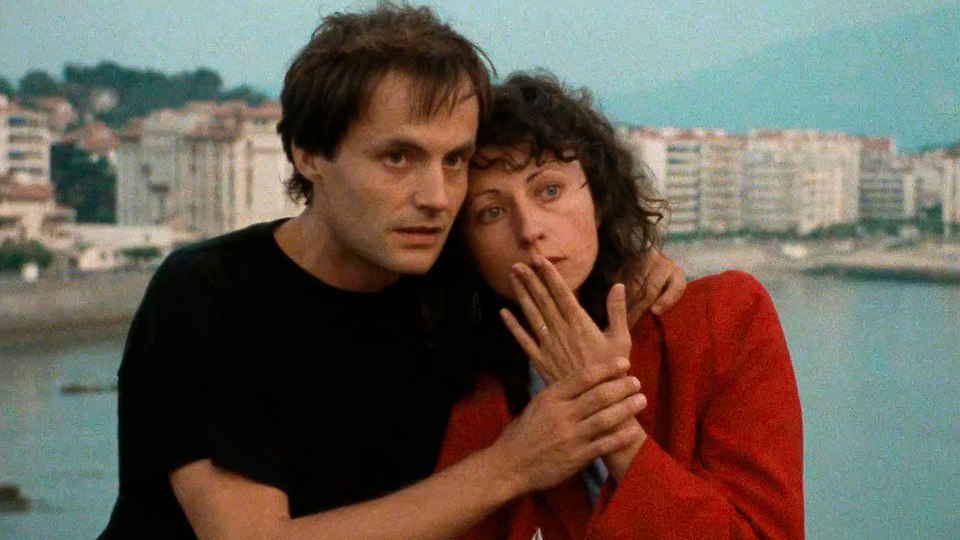
The Green Ray
Shot on 16mm with no script and improvised dialogue, this Venice Golden Lion winner by Rohmer (“My Night at Maud’s”) spends a whole summer with a woman who has no plans at all. It’s as rare as what it makes you wait for: a green flash on the horizon in the very last second of sunset. — When a friend cancels the trip they had planned together in early August and Paris empties around her, Delphine is left with no plans and starts drifting from one beach to the next, unable to bear being alone and just as unable to talk to anyone. Then she hears about the green ray, the last flash of the setting sun, which Jules Verne wrote would leave you knowing exactly what you feel. From then on, Delphine keeps her eyes on the horizon. — Golden Lion | Venice Film Festival | 1986 FIPRESCI Prize | Venice Film Festival | 1986 Pasinetti Award for Best Actress (Marie Rivière) | Venice Film Festival | 1986 Golden Ciak Award | Venice Film Festival | 1986
Get free cinema tickets
Our website uses Cookies
We use cookies to offer you the best possible experience on our site.
- Necessary cookies
- Analytics cookies
- Advertisement cookies