Filmography
THEO ANGELOPOULOS
A towering figure of contemporary European cinema and, without doubt, the most significant Greek filmmaker, with a coherent artistic vision shaped by history, memory, and the ever-shifting relationship between past, present, and future. Cinobo proudly presents the complete filmography of Theodoros Angelopoulos.
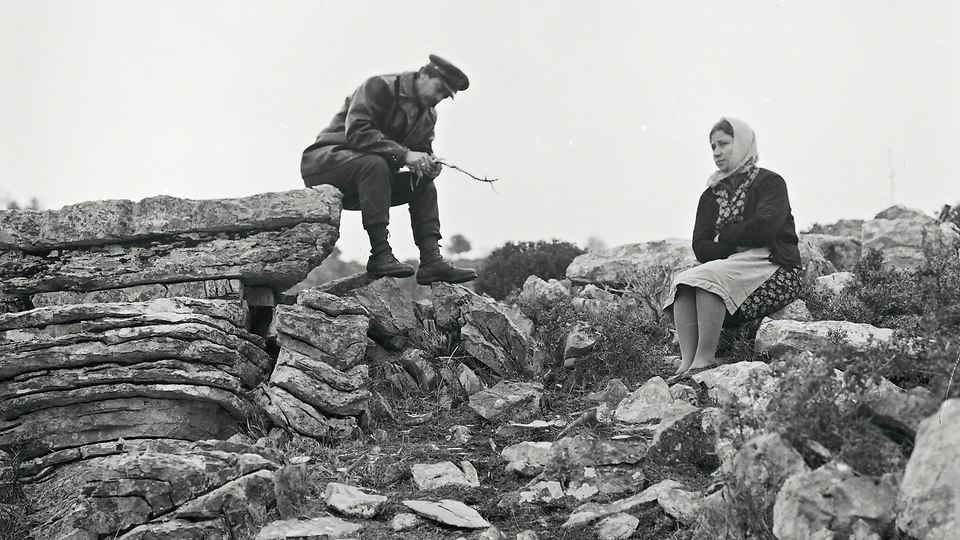
Reconstruction
Truth and its perpetually elusive nature goes under the microscope of Theo Angelopoulos, who demonstrates from the very outset that he was already a fully formed filmmaker. The result is a multidimensional, semantically lucid work, unlike anything else in his body of work. — An immigrant returns to his village after many years, only to find that no one is waiting for him. When his wife and her lover murder him, an investigator attempts to reconstruct the crime, while a film crew documents the event. — Best Film | Thessaloniki Film Festival | 1970 Best Supporting Actress (Toula Stathopoulou) | Thessaloniki Film Festival | 1970 Best New Director | Thessaloniki Film Festival | 1970 Best Cinematography | Thessaloniki Film Festival | 1970 Best Film – Film Critics Association Award | Thessaloniki Film Festival | 1970 FIPRESCI Prize - Special Mention | Berlin International Film Festival | 1971 Best Foreign Film | Hyeres Film Festival | 1971 Georges Sadoul Award - Best Film | French Film Critics Association | 1971
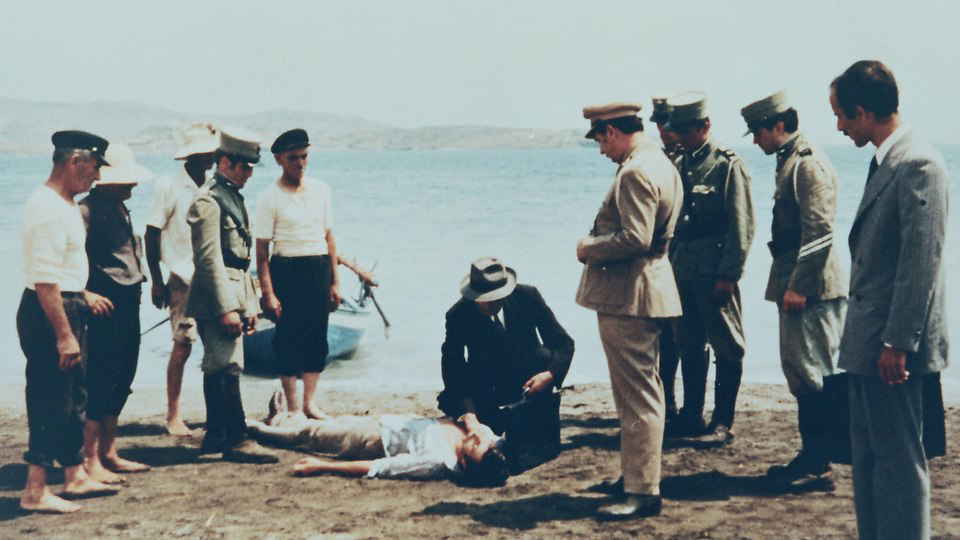
Days of '36
Poised between narrative cinema and the poetic language that would later define his work, Angelopoulos makes an appointment with History in a politically pivotal and cinematographically essential transitional work. — On the eve of the 1936 elections, a desperate prisoner, accused of murdering a trade unionist, takes a member of parliament hostage in his cell, in an attempt to pressure the authorities into securing his release. — Best Director | Thessaloniki Film Festival | 1972 Best Cinematography | Thessaloniki Film Festival | 1972 FIPRESCI Prize - Forum of New Cinema | Berlin International Film Festival | 1973
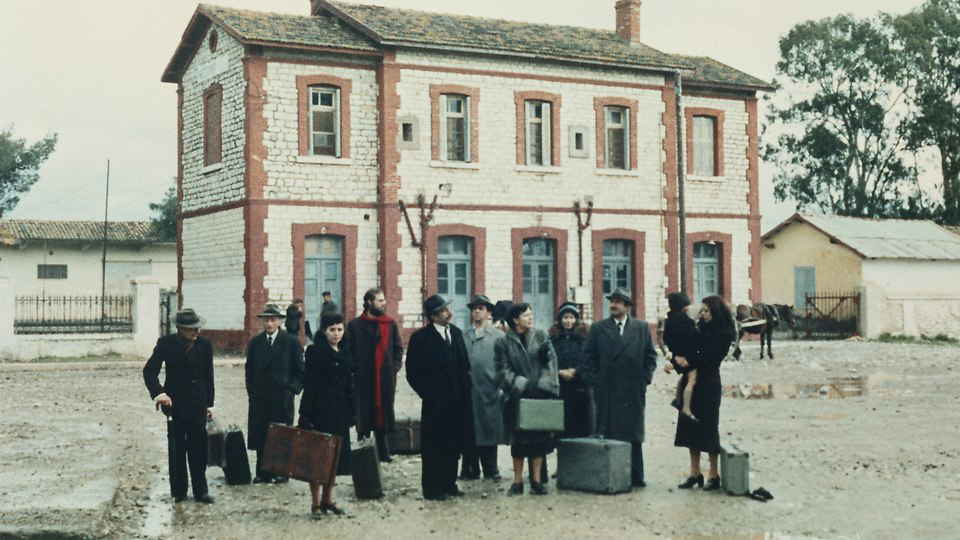
The Travelling Players
The second part of the Trilogy of History is not only the most emblematic film in Angelopoulos’ filmography, but also one of the greatest achievements in the history of world cinema. A radical synthesis of history and myth and, above all, a profoundly stirring cinematic experience. — A traveling theatre troupe tours the Greek countryside from 1939 to the early 1950s, staging Golfo. As the years pass, its members endure persecution, betrayal, executions, and exile. Their personal stories become entangled with the country’s major historical events, in a seemingly endless cycle of violence and loss. — FIPRESCI Prize - Directors' Fortnight | Cannes Film Festival | 1975 Interfilm Award - Forum of New Cinema | Berlin International Film Festival | 1975 Special Prize | Taormina Film Festival | 1975 Sutherland Award | British Film Institute | 1975 L'Age d'Or Award - Best Film | Royal Film Archive of Belgium | 1975 Best Film | Figueira da Foz Film Festival | 1976 Best Film of the Decade | Italian Film Critics Association | 1971-1980 Best Foreign Film | Kinema Junpo | 1979 40th Greatest Film of All Time | International Federation of Film Critics | 1979 7 Awards | Thessaloniki Film Festival | 1975
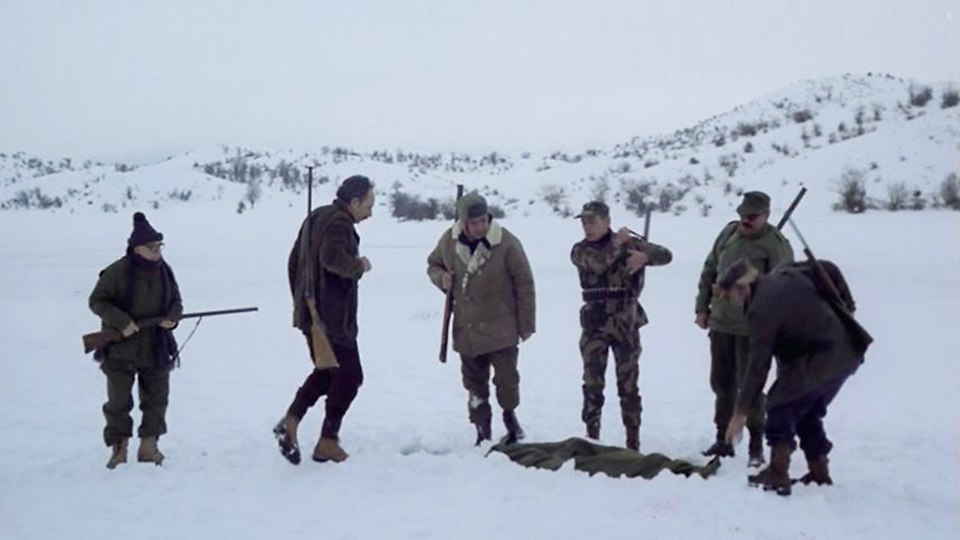
The Hunters
In the third part of his Trilogy of History, Theo Angelopoulos constructs one of the most relentless allegories in European cinema. A political requiem for the moral decay of the post–Civil War bourgeoisie, and for all that it sought to bury. — During a hunting weekend on New Year’s Day, a group of wealthy bourgeois discover the body of a Civil War partisan, buried for decades in the snow. The presence of the dead man shatters their superficial calm, forcing them to confront their past, their responsibilities, and their complicity. — Golden Hugo Best Film | Chicago International Film Festival | 1977 Official Selection | Cannes Film Festival | 1977 Best Film of the Year | Turkish Film Critics Association | 1977
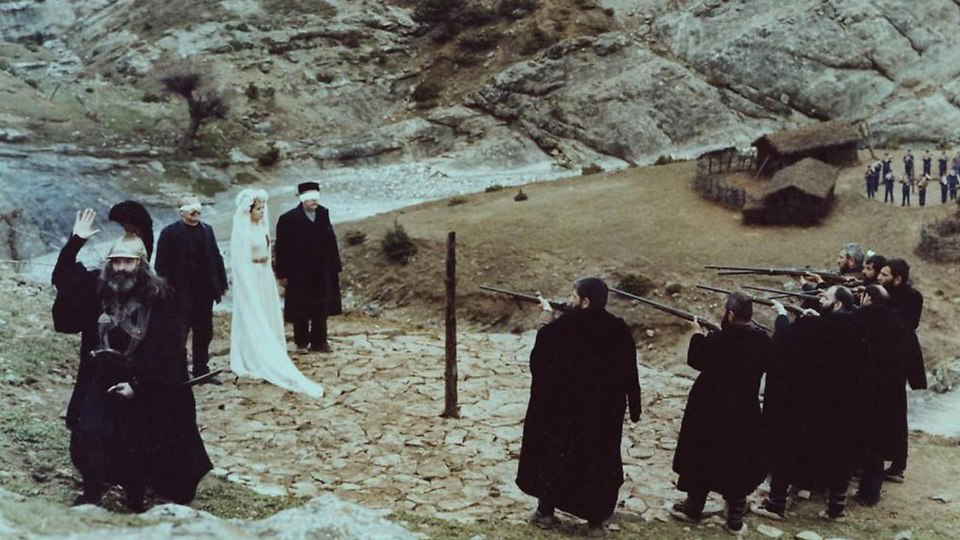
Alexander the Great
A searing critique of our collective and individual need to create heroes, only to dismantle them, rich in symbolism drawn from both ancient and modern Greek history, and a film that could just as easily have been made in 1960 as be arriving from 2060. — At the dawn of the twentieth century, a popular bandit known as “Megalexandros” escapes from prison, kidnaps British diplomats, and holds them hostage in his village, demanding amnesty and the return of land to the villagers. — Special Golden Lion | Venice Film Festival | 1980 FIPRESCI Prize | Venice Film Festival | 1980 Cinema Nuovo Prize | Venice Film Festival | 1980 Best Film | Thessaloniki Film Festival | 1980 Best Cinematography | Thessaloniki Film Festival | 1980 Best Set Decoration | Thessaloniki Film Festival | 1980 Best Sound | Thessaloniki Film Festival | 1980 Best Film – Film Critics Association Award | Thessaloniki Film Festival | 1980
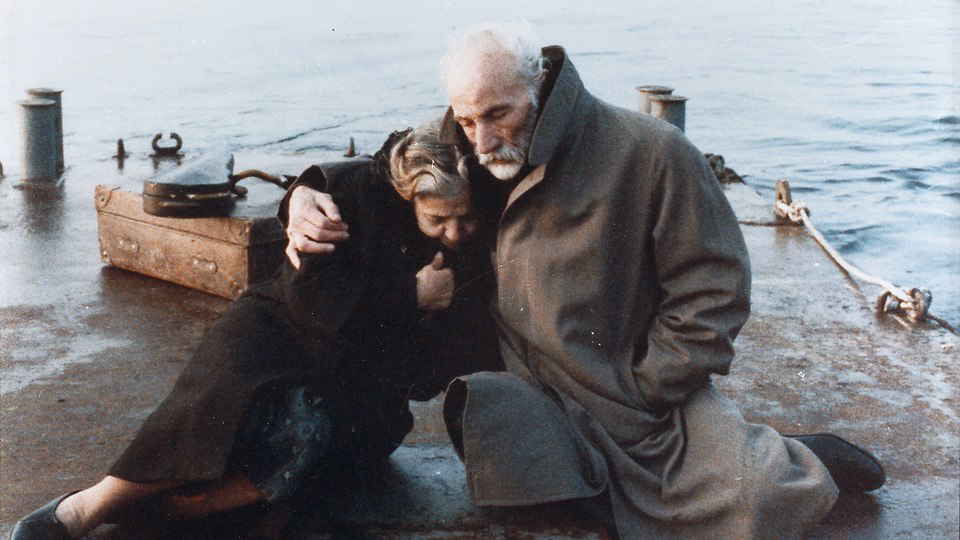
Voyage to Cythera
Born of a wounded heart that could find no solace in oblivion, "Voyage to Cythera" moves beyond the political dimension of history, approaching the limits of a genuinely existential work, anchored by the silent, devastating presence of Manos Katrakis. — A film director welcomes his communist father, who returns to his homeland after thirty-two years in exile, opposes the sale of a piece of land, and finds himself unable to adapt to the new realities. — Best Screenplay | Cannes Film Festival | 1984 FIPRESCI Prize | Cannes Film Festival | 1984 National Award for Best Film | Rio de Janeiro International Film Festival | 1984 Best Screenplay | Rio de Janeiro International Film Festival | 1984 Best Actor (Manos Katrakis) | Rio de Janeiro International Film Festival | 1984 Best Actress (Dora Volanaki) | Rio de Janeiro International Film Festival | 1984 Best Set Decoration | Rio de Janeiro International Film Festival | 1984 Film Critics Association Award | Rio de Janeiro International Film Festival | 1984
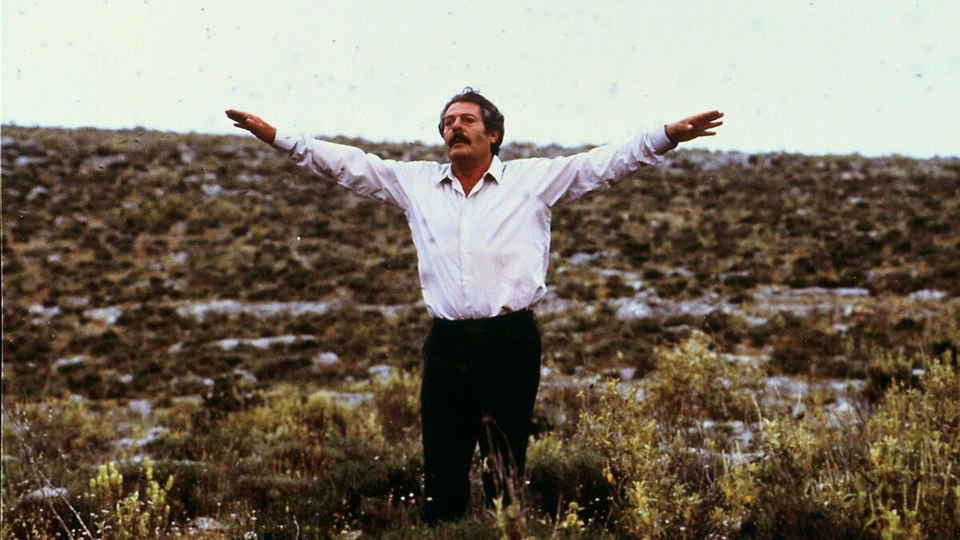
The Beekeeper
Angelopoulos’ legendary silent road movie, a meditation on loneliness and escape. Marcello Mastroianni stars in one of the most introspective - and most celebrated - roles of his career, in a landmark film by the Greek master. — Elderly professor Spyros embarks on a journey across Greece with his bees, in search of a suitable spring climate for pollination and, in turn, honey production. On this journey, he leaves behind his family and his sense of responsibility, yet carries his sorrow with him. Along the way, he encounters a much younger girl hitchhiking and offers her a ride; from that moment, their relationship unfolds through their shared, desperate disconnection from the world. — Official Selection | Venice Film Festival | 1986
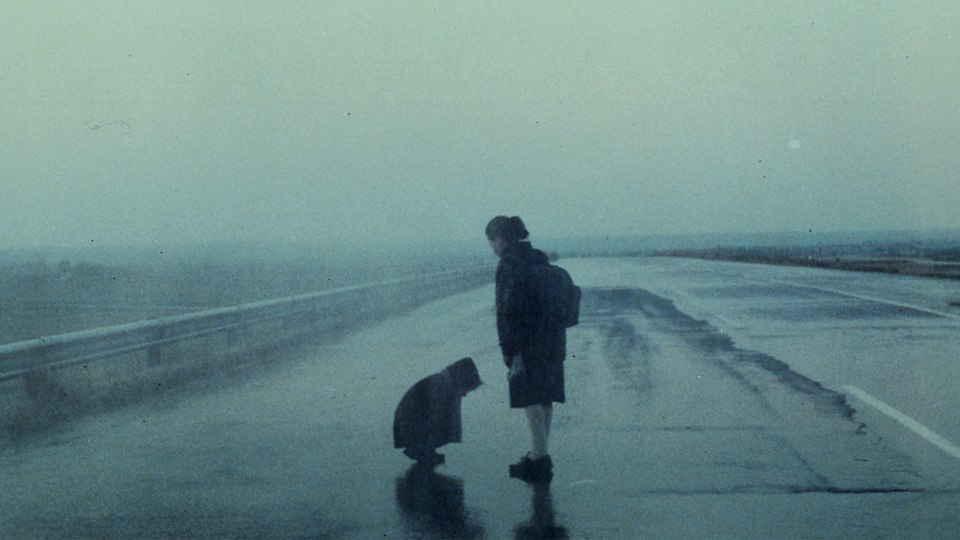
Landscape in the Mist
The film that earned Theo Angelopoulos the Silver Lion at the Venice Film Festival and the European Film Award for Best Film of the Year distills his cinematic vision into an existential coming-of-age journey, shaped by an elegiac rhythm and images that remain indelibly etched in the memory. — Two siblings leave home in search of their father in Germany. Their journey, marked by loss and small miracles, becomes a passage into adulthood within a world that explains nothing to them, yet changes them forever. — Silver Lion | Venice Film Festival | 1988 FIPRESCI Prize | Venice Film Festival | 1988 OCIC Award | Venice Film Festival | 1988 C.I.C.A.E. Award | Venice Film Festival | 1988 Pasinetti Award - Best Film | Venice Film Festival | 1988 Sergio Trassatti Award | Venice Film Festival | 1988 Felix Award - European Film of the Year | European Film Awards | 1989 Silver Hugo Best Director | Chicago International Film Festival | 1988 Gold Plaque for Best Cinematography | Chicago International Film Festival | 1988 Interfilm Award - Forum of New Cinema | Berlin International Film Festival | 1989
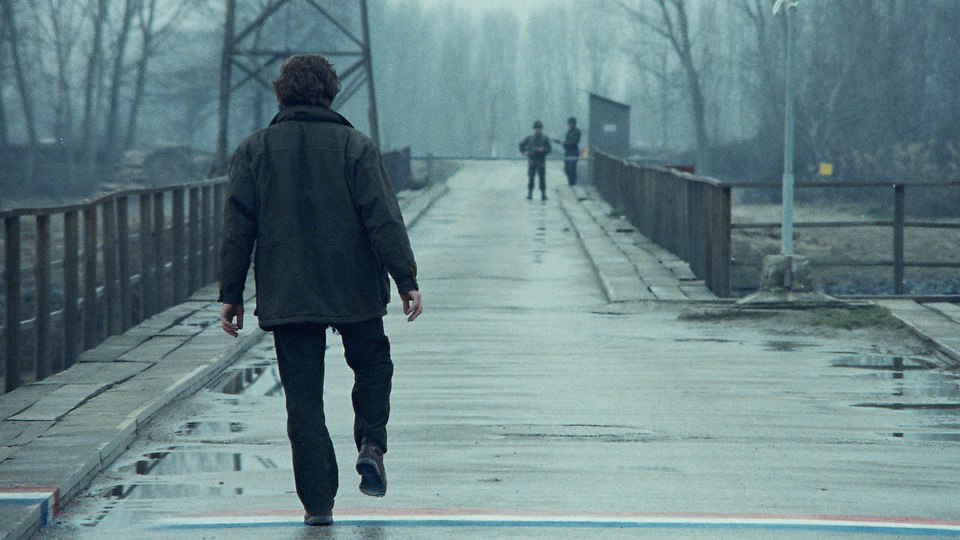
The Suspended Step of the Stork
In the first part of the Trilogy of Borders, Theo Angelopoulos brings together Marcello Mastroianni and Jeanne Moreau in a deeply poetic and profoundly human film that hovers between political history, personal memory, and the impossibility of a final farewell. — A young reporter becomes fascinated by the figure of an elderly refugee who lives an almost ascetic life in a small border town. His investigation gradually turns into an existential journey. — Official Selection | Cannes Film Festival | 1991
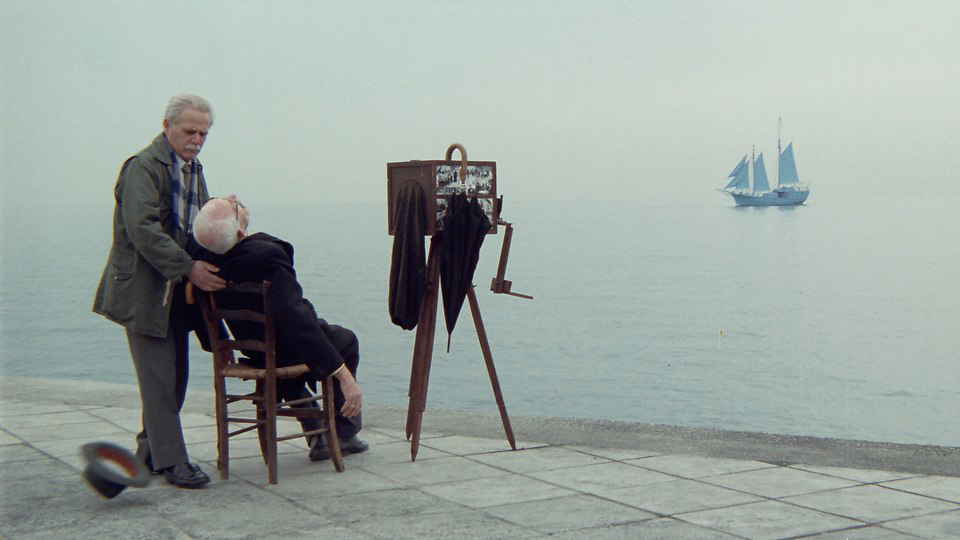
Ulysses' Gaze
Between one embrace and the next, between ideas that fade and Balkan countries bleeding, an artist (re)discovers that what truly matters is the journey. One of the defining arthouse films of the 1990s. — A Greek-American filmmaker returns to the Balkans after many years, in search of the lost reels of a film by the Manaki brothers. — Grand Prix | Cannes Film Festival | 1995 FIPRESCI Prize | Cannes Film Festival | 1995 FIPRESCI Prize | European Film Awards | 1995 Léon-Moussinac Award - Best Foreign Film | French Syndicate of Cinema Critics | 1995 Nastro d' Argento Award | Italian Film Critics Association | 1996 Best Film of the Year | Turkish Film Critics Association | 1996 Best Foreign Film | Argentine Film Critics Association | 1999
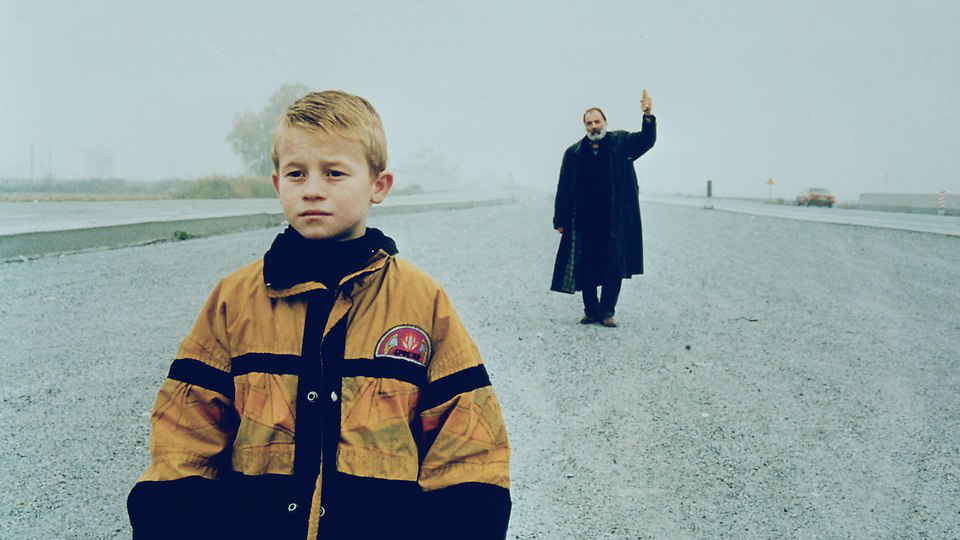
Eternity and a Day
The much-discussed Palme d’Or by Theo Angelopoulos follows the legendary Bruno Ganz on a final walk through memory, the present, and great, unspoken farewells. Cinema here becomes the ultimate journey through time. — An elderly writer spends one last day in Thessaloniki as he prepares to be admitted to hospital. During his wanderings, he encounters a migrant child and begins to travel between moments of the present and memories of his past. This journey brings to the surface unfulfilled relationships, lost words, and unresolved goodbyes. — Palme d'Or | Cannes Film Festival | 1998 Prize of the Ecumenical Jury | Cannes Film Festival | 1998 Best Film | Thessaloniki Film Festival | 1998 Best Supporting Actress (Eleni Gerasimidou) | Thessaloniki Film Festival | 1998 Best Director | Thessaloniki Film Festival | 1998 Best Screenplay | Thessaloniki Film Festival | 1998 Best Set Decoration | Thessaloniki Film Festival | 1998 Best Music | Thessaloniki Film Festival | 1998
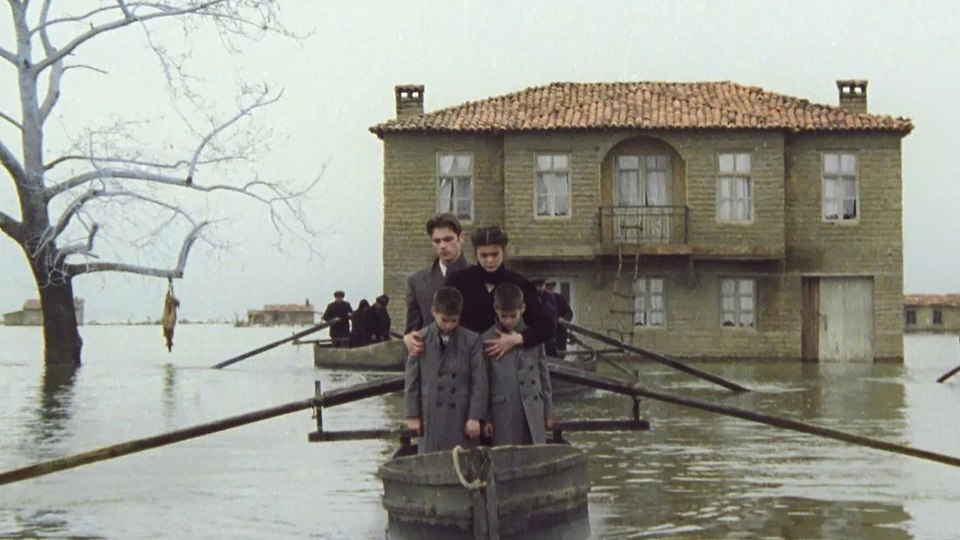
The Weeping Meadow
The history of Greece as experienced through the lives of a single family, set against a backdrop of wars, losses, and historical upheavals. The first part of Angelopoulos’ unfinished trilogy is an ambitious historical narrative of the Greek twentieth century. — The story follows a family of refugees from the early twentieth century through to the Civil War. Through movements, separations, and reunions, personal lives intersect with Greece’s major historical transformations. Space and time are in constant flux, while the characters remain trapped in an unending search for a homeland. — FIPRESCI Prize | European Film Awards | 2004 Official Selection | Berlin International Film Festival | 2004
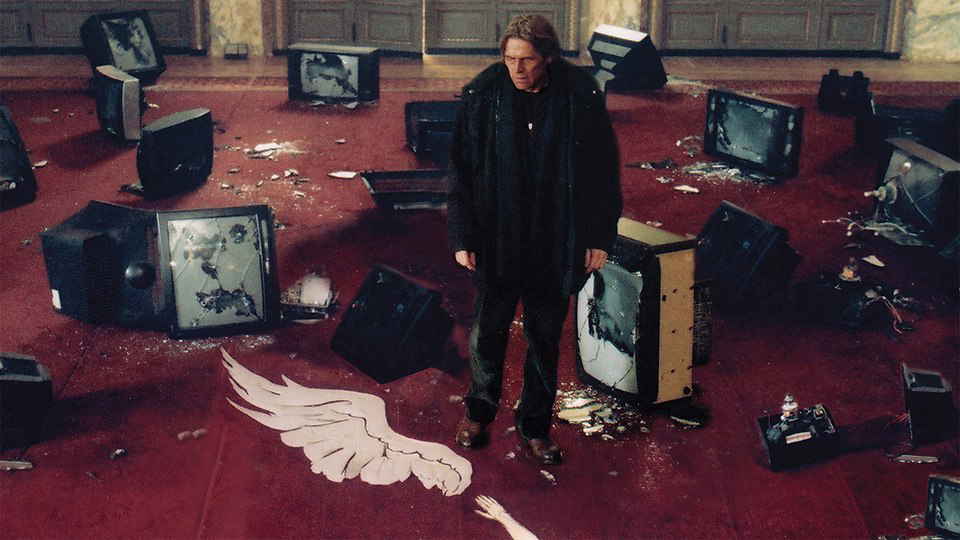
The Dust of Time
Cinema becomes a bridge between countries, eras, and memories, as personal history converges with political history. Willem Dafoe, Bruno Ganz, and Irène Jacob star in Theo Angelopoulos’ final film, which continues his trilogy of the twentieth century. — A director searches for the story of his parents, Eleni and Spyros, embarking on a journey that spans multiple countries and decades of the twentieth century. The narrative moves between personal memories and political events, touching on exile, displacement, and ideological conflict, as the past is fragmentarily reassembled through images and stories. — Premiere | Berlin Film Festival | 2009
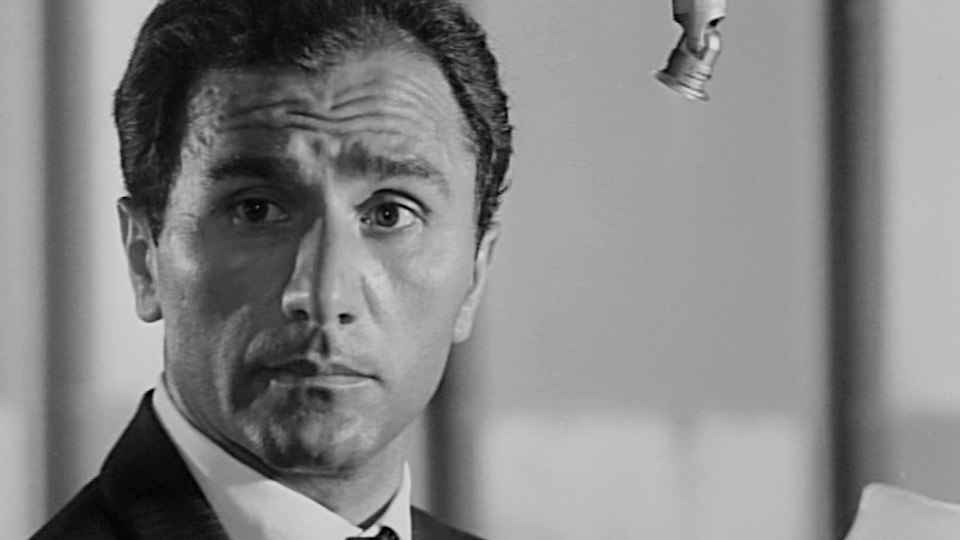
Broadcast
Long before media criticism became a commonplace, Angelopoulos dismantled the television spectacle as a mechanism of power, employing sharp irony and rigorous formal control. His first film - already functioning as an early manifesto - foreshadows the legendary trajectory that would follow. — A group of journalists asks passers-by to define the characteristics that, in their opinion, make up the “ideal man”. After interviewing various women, they select a candidate and give him the opportunity to spend a night with a film star. However, the man soon realizes that his image of the world of fame and admiration, and all that it promises, is far removed from reality. — Best Short Film – Film Critics Association Award | Thessaloniki Film Festival | 1968
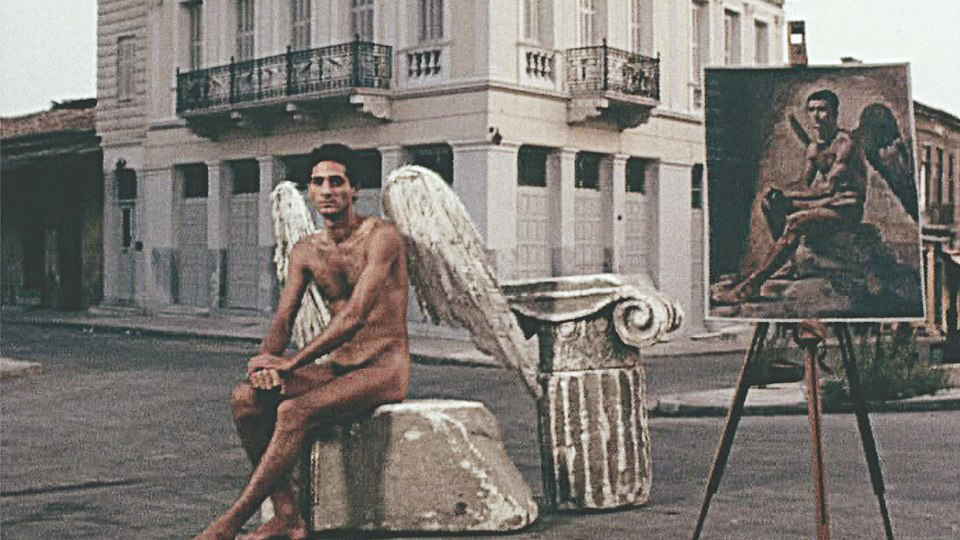
Athens, Return to the Acropolis
A captivating documentary by Theo Angelopoulos, created on the occasion of Athens being named European Capital of Culture in 1985. It is a deeply personal gaze at the city where he was born and raised, and at the same time a meditation on its timeless historical significance, in both past and present. — Athens in constant dialogue with its own history. A poetic wandering inspired by paintings, poems, and philosophical texts. The camera moves through the city, focusing on the relationship between its inhabitants and their history and monuments, while the Acropolis stands as a steady point of reference within a continuously changing urban landscape.
Get free cinema tickets
Our website uses Cookies
We use cookies to offer you the best possible experience on our site.
- Necessary cookies
- Analytics cookies
- Advertisement cookies