Filmography
Michael Haneke
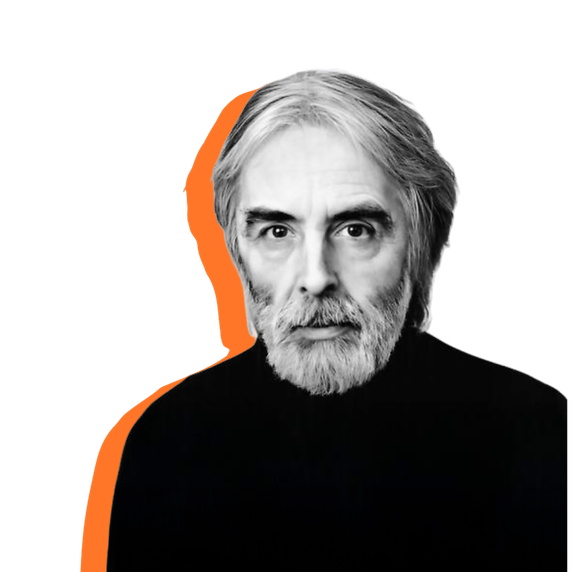
"It's the duty of art to ask questions, not to provide answers". Provocateur, thinker, but above all an anatomist of Western culture, the great Austrian director does not belong to the elite group of two Palmes d’Or winners by chance, since each one of his films raises the most crucial questions.
Three Paths to the Lake
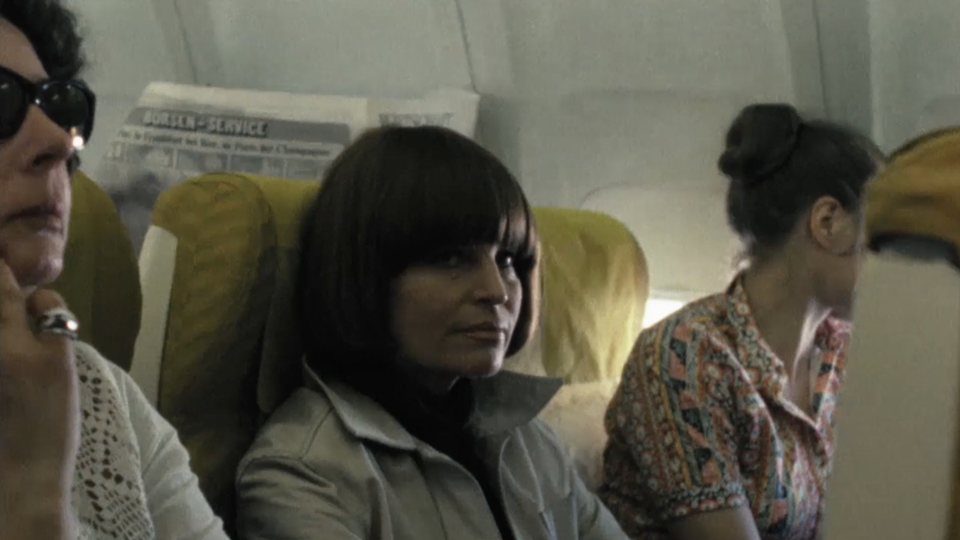
How do you translate a personal literary essay into a compelling visual version? Michael Haneke in one of his early television works adapts Ingeborg Bachmann on the moral judgment of a war photographer. Rare and until recently virtually unseen. — When a famous photographer turns 50, she decides to leave her hectic life in Paris behind and reinvent herself by returning to the idyllic life of the small town she grew up in. She may have achieved international fame, but her personal life is lonely. As she reminisces about her childhood, she reunites with her father and discovers, through a series of flashbacks, exactly what she has lost.
Lemminge II: Verletzungen
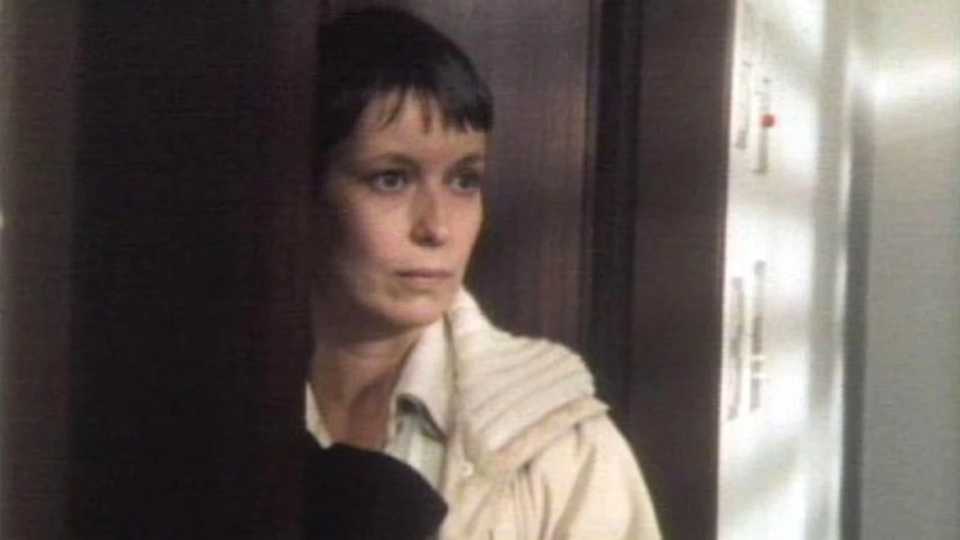
20 years later, the generation of post-war hope has reached its own dead end. In the most important of Michael Haneke's early works, you can see all the motifs of the (great) up-and-coming filmmaker of the time spread across the (small) screen. — In the second part of Haneke's great diptych, we meet the once teenage characters again, 15 years later. Now they are the ones facing the demands of an adult life that seems unbearable. All are surrounded by a form of despair. There is a way out.
The Castle
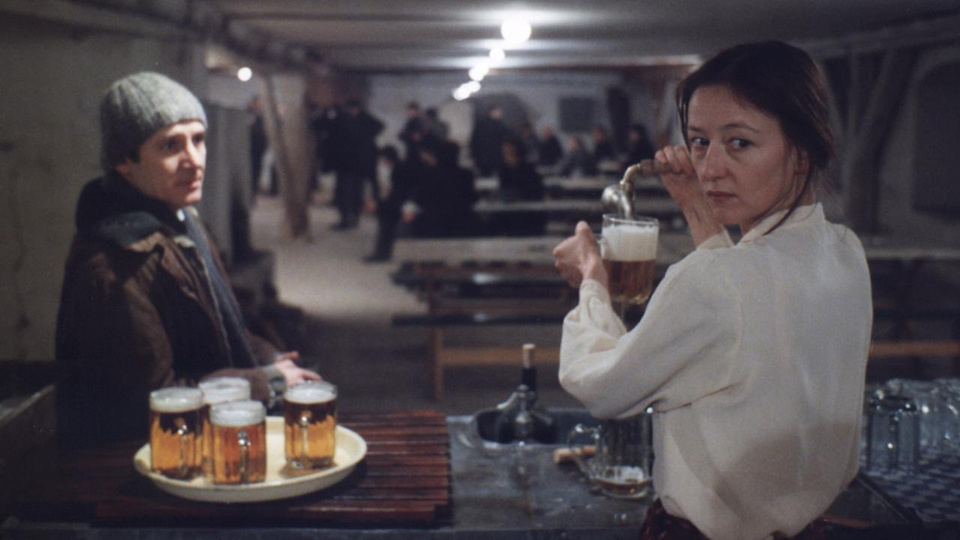
This absurd Kafkaesque nightmare finds its ideal cinematic adaptation in the hands of Michael Haneke, who pulls us into a maelstrom of endless bureaucratic dystopia, with the protagonists of "Funny Games", just before the release of the latter. — A land surveyor is summoned to a remote village by the local government, housed in ‘the castle’. Upon his arrival, he is unable to persuade the locals of his legitimacy and finds himself sucked into a spiral of provincial bureaucracy and petty social rivalries that soon becomes a surreal nightmare.
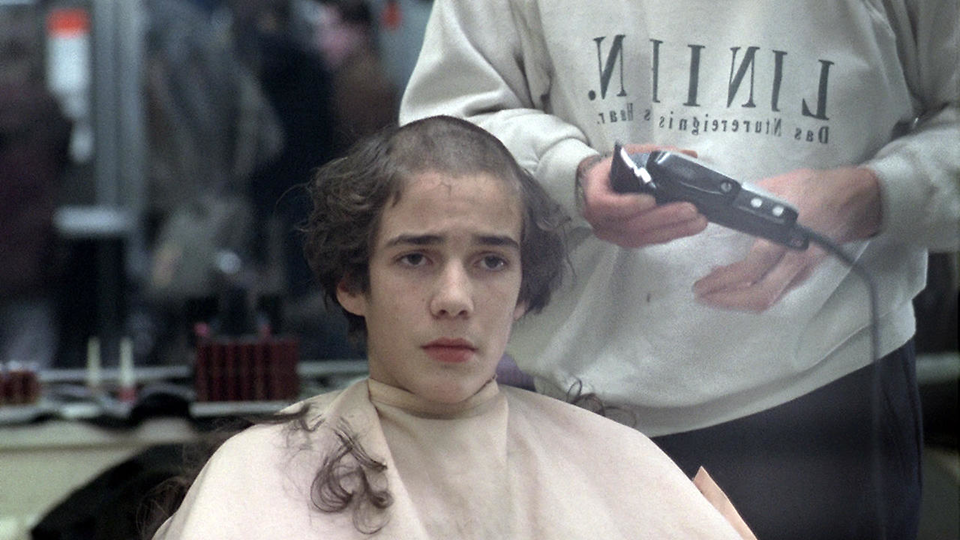
Benny's Video
Michael Haneke's camera introspects in this provocative study of emotional disconnection in the age of mass-media saturation. The result is a coolly postmodern, metacinematic labyrinth in which the boundaries between actual and mediated violence become terrifyingly indistinguishable. — Benny, 14, is a teenager whose well-to-do parents are absent most of the time. He fills this void by immersing himself in the world of video. Soon, the pictures he feeds on are overshadowing his sense of reality until Benny loses his mind. He films himself committing an unspeakable act of violence. — FIPRRESCI Prize | European Film Awards | 1993
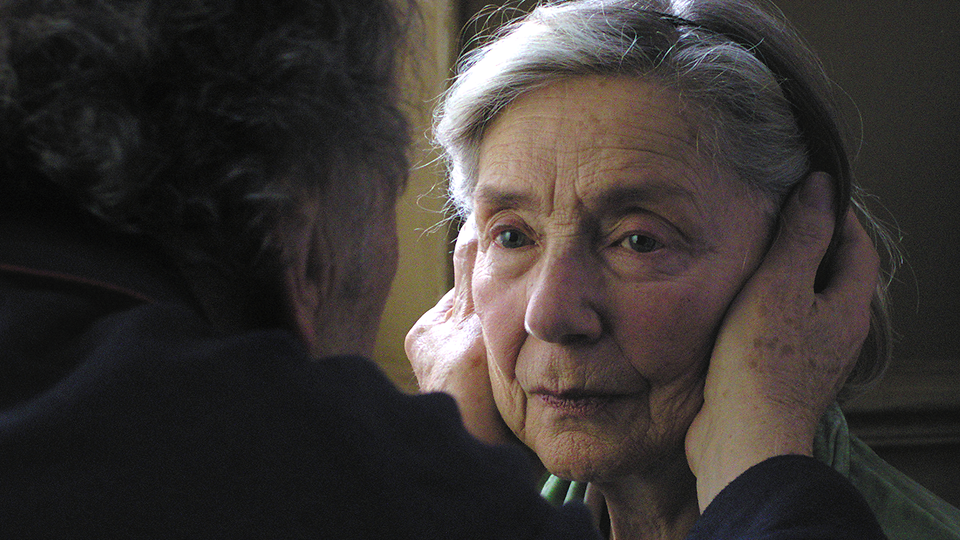
Amour
Haneke won the Palme d’Or and an Oscar for his most tender film. Jean-Louis Trintignant (“Three Colours: Red”) and Emmanuelle Riva (“Hiroshima mon amour”) play a couple whose love has weathered everything, until it comes up against the one thing nothing and nobody can defeat. — Georges and Anne are retired music teachers in their eighties who have been together for decades and have lived in the same Paris flat for many years. Then one morning at breakfast, Anne stops in mid-sentence and stares blankly into space. From then on her memory begins to fade, taking with it the life the two of them have built together. — Best Foreign Language Film | Oscars | 2013 Palme d'Or | Cannes Film Festival | 2012 Best Actress (Emmanuelle Riva) | BAFTA Awards | 2013 Best European Director | European Film Awards | 2013 Best Foreign Language Film | Golden Globes | 2013 FIPRESCI Prize | San Sebastian Film Festival | 2012
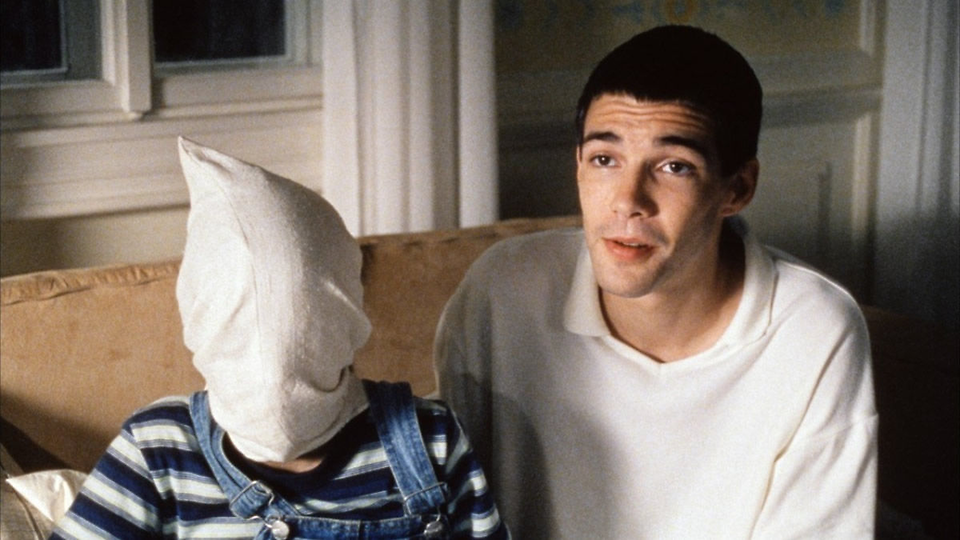
Funny Games
The film that cemented the reputation of Michael Haneke (“The Piano Teacher”) shocked Cannes, then shocked cinemas, and changed for good how people think about screen violence. It still divides audiences, yet it opens innocently enough, with two very polite young men asking for some eggs. — A well-off couple and their young son head to their lakeside summer house for a quiet weekend, and soon two unusually polite young men knock at the door with a small favour to ask. The politeness wears off, but the visitors stay put. Murder is their hobby, and the family has just become this afternoon’s entertainment. — Official Selection - International Competition | Cannes Film Festival | 1997
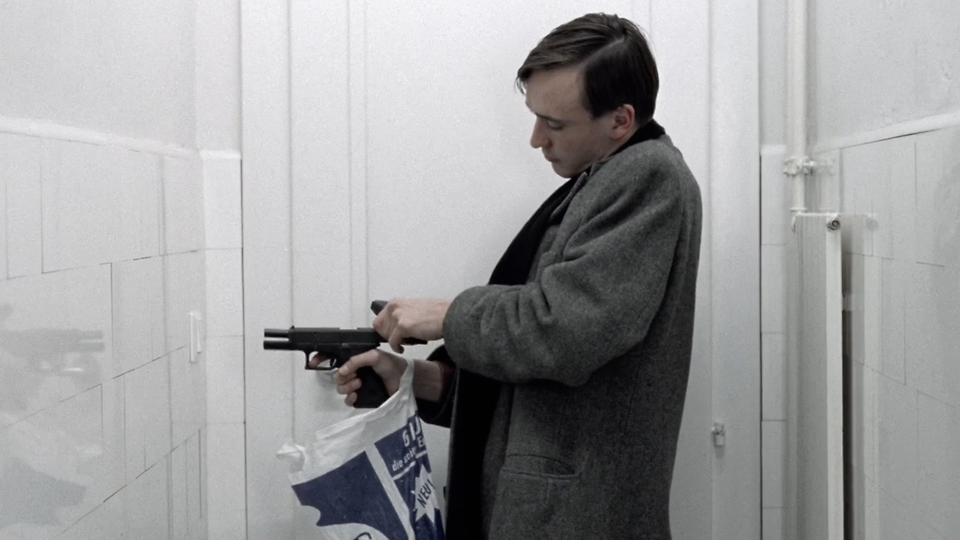
71 Fragments of a Chronology of Chance
Haneke is as precise and devastating as ever in his third film, a mosaic of 71 moments from the lives of strangers in Vienna. At the centre of it is a nineteen-year-old who walks into a bank carrying a gun. — As 1993 draws to a close in Vienna, a Romanian boy sleeps on the streets, an old man phones his daughter to fill his day, a couple wait to adopt and a student is struggling with everything. They have never met. On the day before Christmas Eve, one of them walks into a bank armed. — Best Film | Chicago Film Festival | 1994
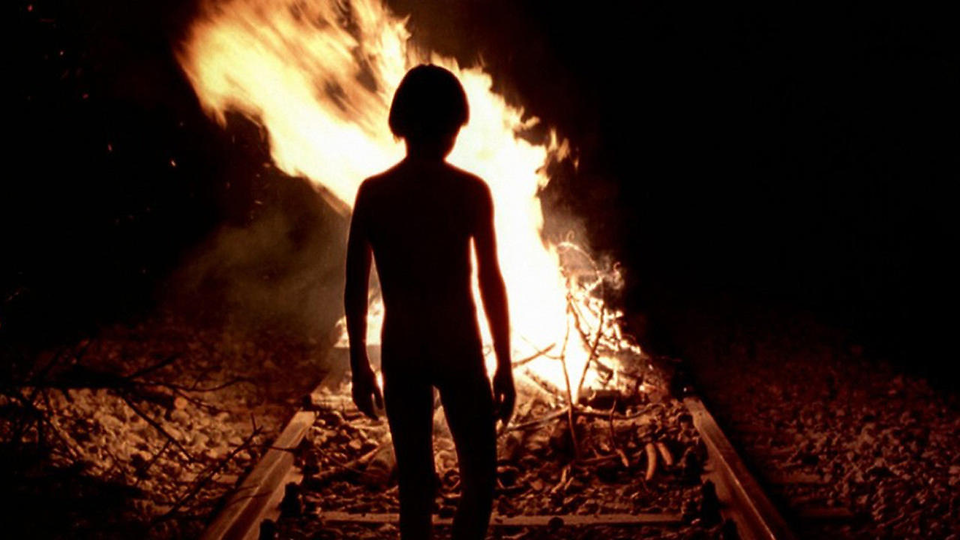
Time of the Wolf
Haneke never explains why the world ended, and although he made this post-apocalyptic film in 2003, it catches something of the existential emptiness of our own time. Isabelle Huppert leads her children across fields and down roads, trading everything she has for a safe place to spend the night. — Anne and her husband bring their two children to a house in the French countryside, looking for shelter some time after a catastrophe nobody names, and find armed strangers inside. By nightfall the family is on the road along with the rest of the country. A silent boy begins to follow them, and Anne lets him. — Official Selection | Cannes Film Festival | 2003 Official Selection | Toronto Film Festival | 2003
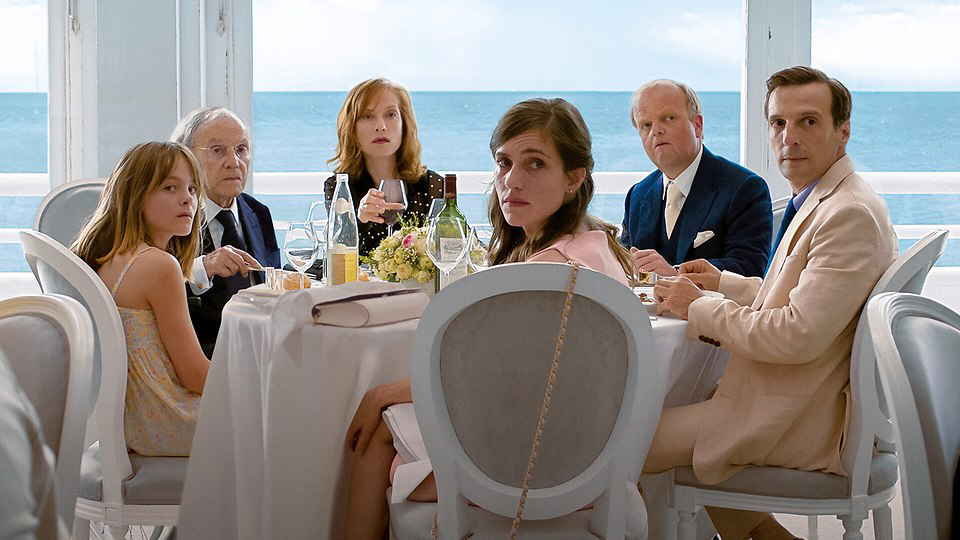
Happy End
Haneke, the constant provocateur, has some fun with the demise of the traditional upper-class family as we know it, using murder as the only point of connection in the unbridgeable generation gap, in a perversely ironic best-of that winks at the whole of his oeuvre. — There’s nothing "happy" about the life of this family. The eldest daughter has taken over the family business from her father because of his advanced age. She has to deal with the potentially catastrophic consequences of a work accident at one of the company's construction sites. At the same time, her brother takes custody of his teenage daughter after the mysterious poisoning of his ex-wife. He too is hiding secrets, which could endanger his second marriage. — Official Selection | Cannes Film Festival | 2017
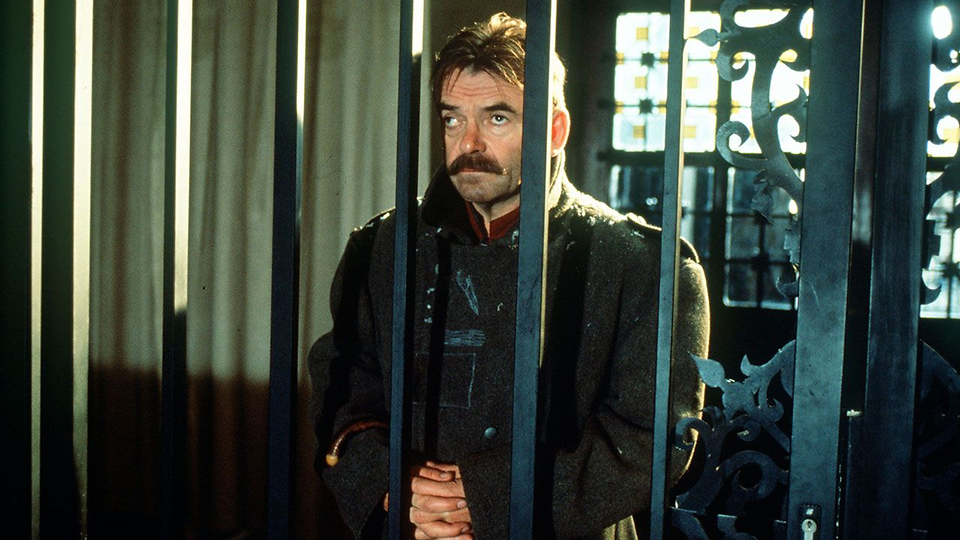
Die Rebellion
In one of his least known works for Austrian television, Michael Haneke asks what it means to live for duty in an increasingly technocratic world that recognizes nothing in anyone. Literary adaptation-must for fans of the great director. — In post-war Vienna, soldier Andreas Poom has lost a leg for his emperor, but recognition from his country never comes. As a reward, he receives a leave of absence and a musical instrument so he can make a living playing it in the courtyards of Vienna. Throughout his life he will always be honest, always obedient - but to what end? When his realization and revolution comes, will there still be time for him?
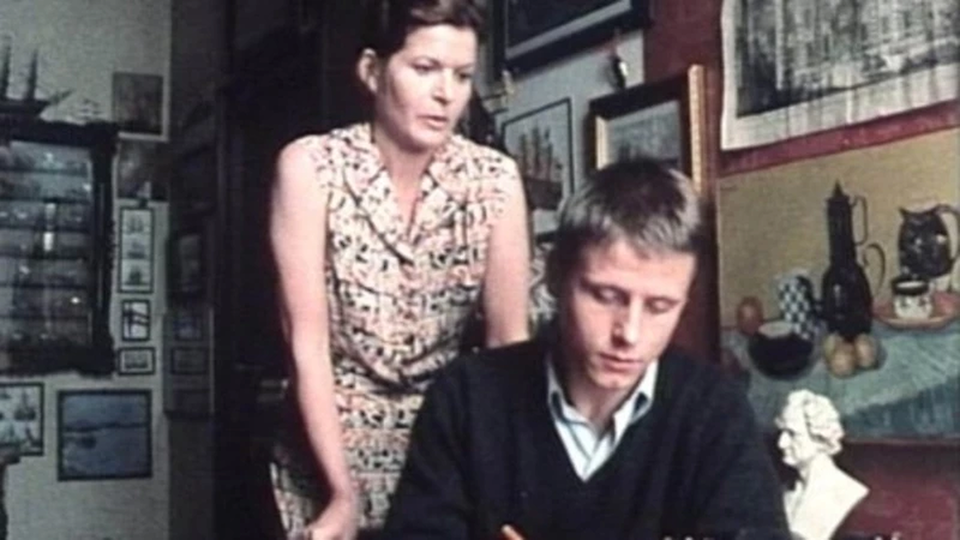
Lemminge I: Arkadien
The most important of Michael Haneke's early works is a sweeping social drama about the deadlock of the first post-war generation. In the first part, the generation gap is captured through a gritty coming-of-age story a la Haneke. — Autumn 1959 in Austria. Five young people between the ages of 17 and 18 are trying to make a life for themselves in the repressive atmosphere of their town. But all of them are tormented for different reasons: one person has a bourgeois family and has nothing to miss, but the parents no longer speak to each other. A young girl gets pregnant by a boy she doesn't love. Another young student has an affair with his teacher's wife.
Code Unknown
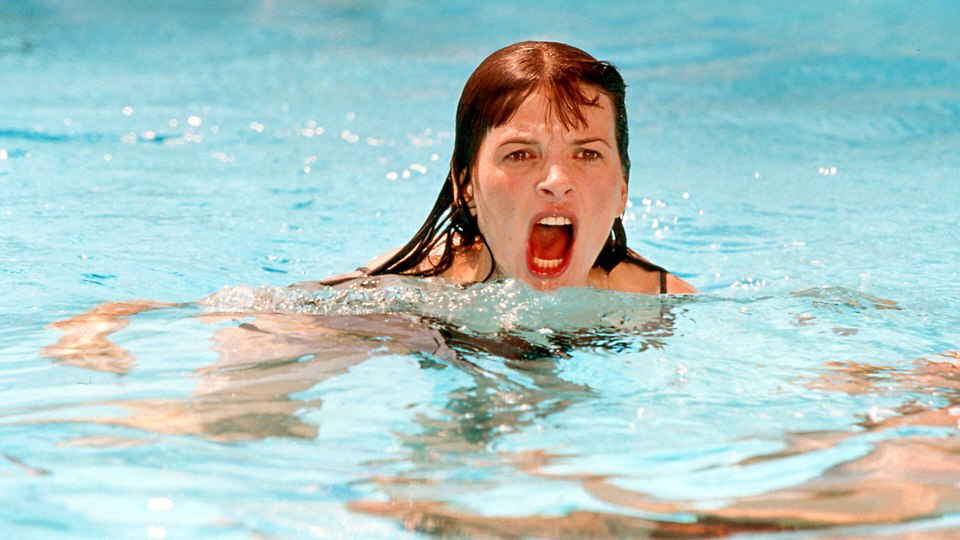
Two-time Palme d’Or winner Michael Haneke directs Juliette Binoche and follows every consequence of one small cruelty, a piece of rubbish tossed into a beggar’s lap on a Paris street. His Europe is a Tower of Babel on the brink of collapse, where nobody quite manages to understand anyone else. — While her partner is away covering the war in Yugoslavia, an actress runs into his younger brother on a Paris street. Moments later the boy throws a crumpled paper bag into the lap of a woman who is begging there. A man whose parents emigrated from Mali tells him to pick it up. Then the police arrive. — Official Selection | Cannes Film Festival | 2000 Prize of the Ecumenical Jury | Cannes Film Festival | 2000
The Piano Teacher
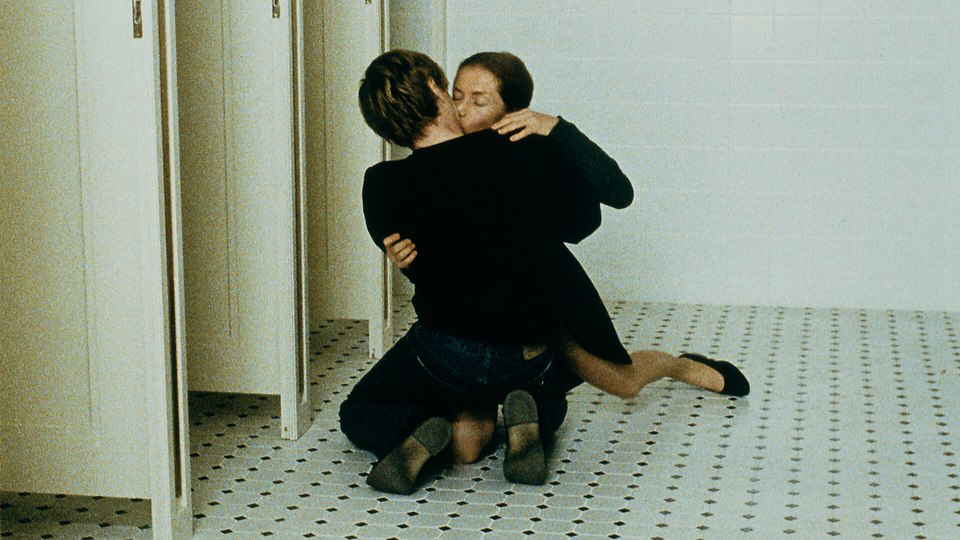
Michael Haneke wouldn’t start shooting until he had Isabelle Huppert, and she is the piano teacher at the heart of his shattering adaptation of Nobel laureate Elfriede Jelinek’s novel. She has locked every feeling away, until a student comes along who is determined to find the key. — Erika Kohut teaches piano at the Vienna conservatory, where she is merciless with her students, and spends her evenings in the flat she shares with her strict mother. She is lonely, and her sexuality finds its outlet in voyeurism and the video booths of porn shops. Then Walter Klemmer, a gifted young student, begins to court her, and Erika tells him exactly what she wants. — Grand Prize of the Jury | Cannes Film Festival | 2001 Best Actress (Isabelle Huppert) | Cannes Film Festival | 2001 Best Actor (Benoît Magimel) | Cannes Film Festival | 2001
The White Ribbon
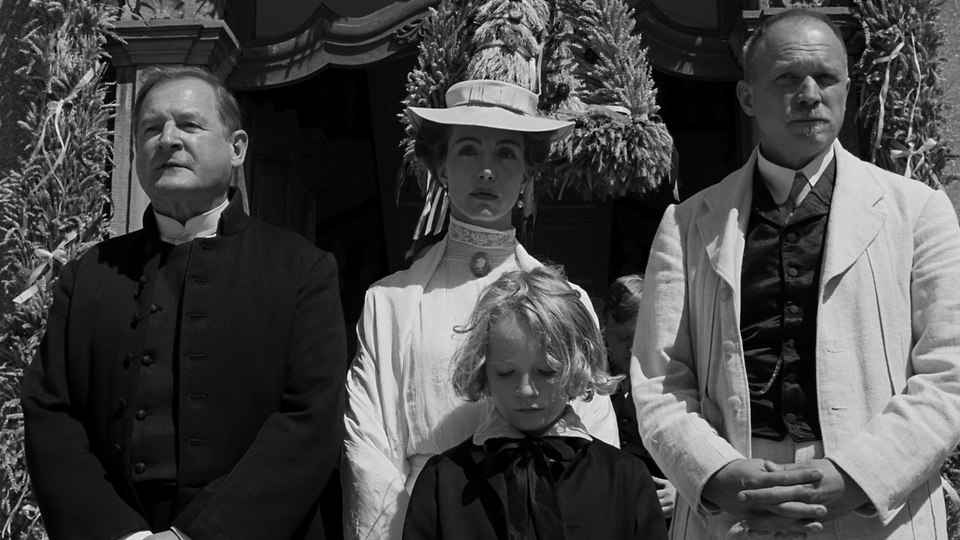
Michael Haneke went looking for the roots of fascism and won the Palme d’Or, a Golden Globe and many other awards. In a Protestant village in early 20th-century Germany, accident after accident looks less like chance, nobody will say who is behind them, and the children know more than they let on. — A year before the First World War, the doctor of a Protestant village in northern Germany is thrown when his horse trips on a wire strung across the road. More accidents follow, with no explanations, and though suspicion falls on the villagers, nobody is willing to talk. All the while the village children are watching, and they may know more than the adults are prepared to admit. — Nomination for Best Foreign Language Film | Oscars | 2010 Nomination for Best Cinematography | Oscars | 2010 Golden Palm | Cannes Film Festival | 2009 Best Foreign Language Film | Golden Globes | 2010 FIPRESCI Prize | San Sebastian Film Festival | 2009
The Seventh Continent
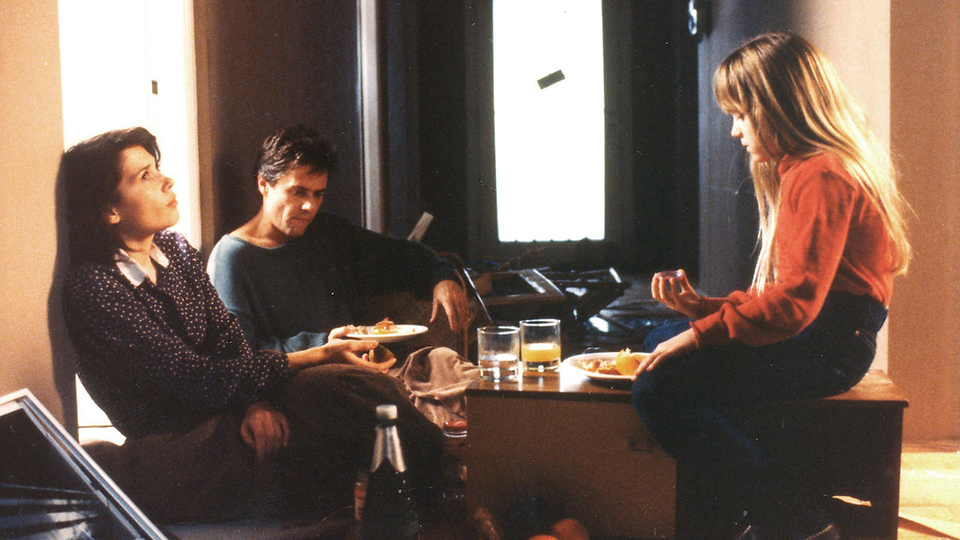
Haneke took the story for his debut from a short newspaper report and was already in full control, turning it into a thriller and a satire on consumerism about a family that methodically dismantles its own life. The horror here doesn’t lurk in the shadows but happens in broad daylight. — Georg is an engineer, Anna works as an optician and their daughter Eva is an ordinary schoolgirl, and every morning runs to the same unbroken routine. Then one day Eva tells her class she has gone blind. It isn’t true, but her mother’s response is a surprising one, and cracks start to show in the middle-class facade. Over the next three years the family pulls away from everyone, and in the end from one another. — Ernest Artaria Award | Locarno Film Festival | 1989
Hidden
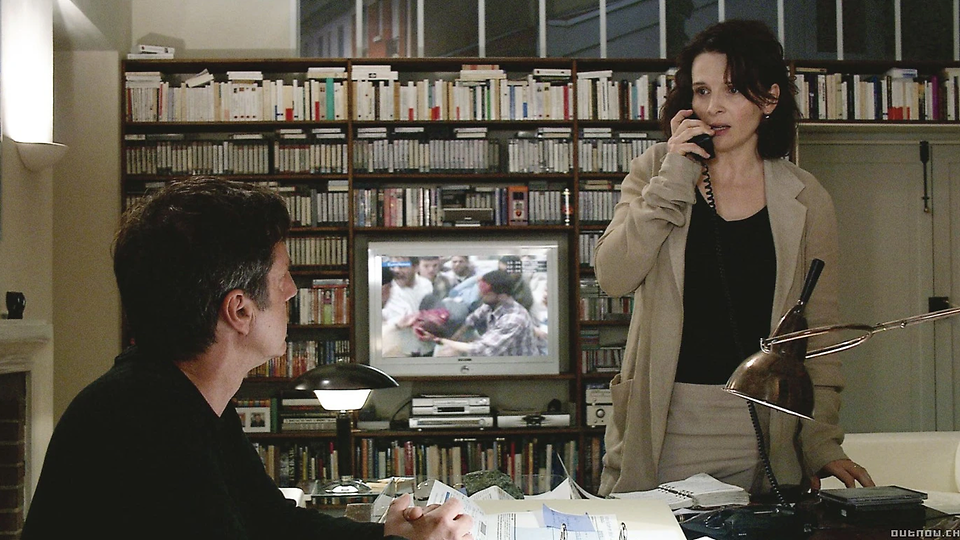
In 1961 the Paris police killed Algerian demonstrators and France denied it for forty years, and on that silence Michael Haneke built a thriller that won him Best Director at Cannes. A well-off family finds tapes of their own house on the doorstep. Don’t switch off until the end credits are over. — Georges, who hosts a television programme about books and lives comfortably in Paris, finds a videotape at his door holding hours of footage of the front of his own house. More arrive, wrapped in children’s drawings. Someone wants him to remember something. — Best Director | Cannes Film Festival | 2005 FIPRESCI Prize | Cannes Film Festival | 2005 Best European Film | European Film Awards | 2005 Best European Directori | European Film Awards | 2005 Best European Actor (Daniel Auteuil) | European Film Awards | 2005
Get free cinema tickets
Our website uses Cookies
We use cookies to offer you the best possible experience on our site.
- Necessary cookies
- Analytics cookies
- Advertisement cookies