Filmography
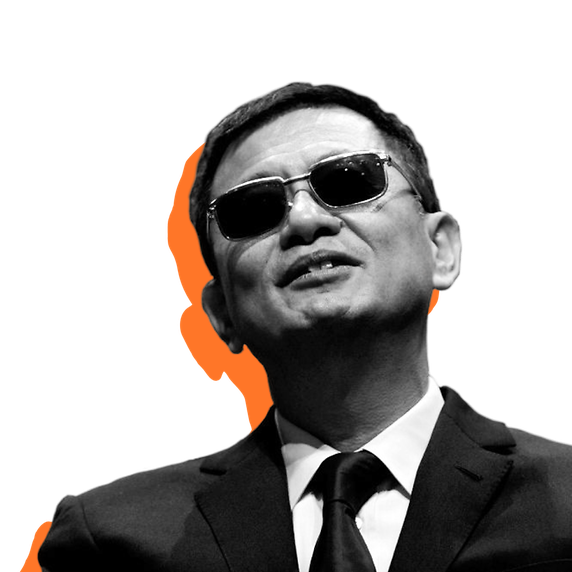
Wong Kar-Wai
Audiences treat his films with an intense Mood for Love. One of the most influential creators of modern cinema, who has directed some of the most romantic and heartbreaking stories that “deal with people who are stuck in certain routines that don't make them happy, and the love that causes them to move on”.
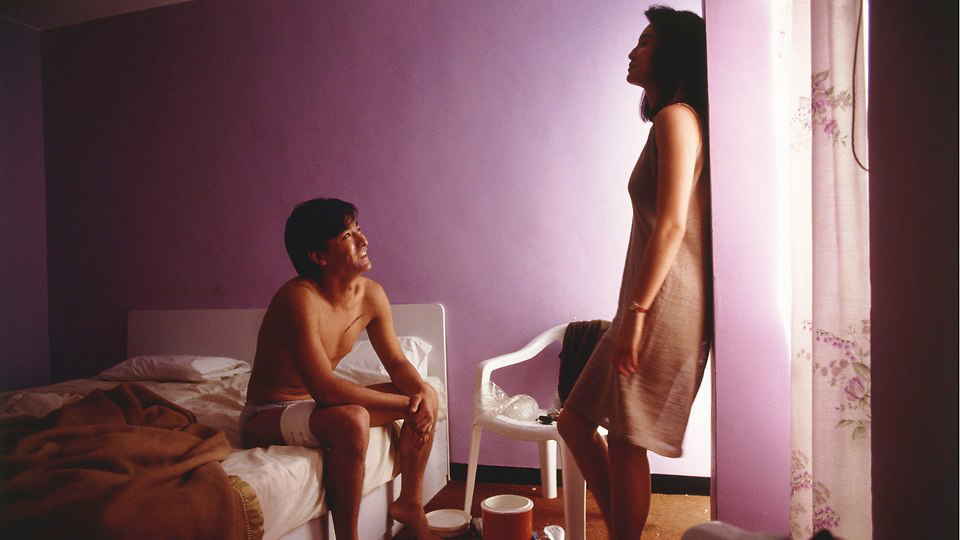
As Tears Go By
In his electrifying directorial debut, Wong Kar-Wai fuses the grit of Hong Kong crime thrillers with the romanticism that would later become his signature. Starring Andy Lau and Maggie Cheung, in the first of their iconic collaborations with the director. — In the ruthless, neon-lit underworld of Hong Kong’s gangster scene, a small-time crook is torn between a blossoming romance with his beautiful, ailing cousin and his loyalty to a dangerous partner in crime, whose reckless attempts to make a name for himself unleash a wave of violence.
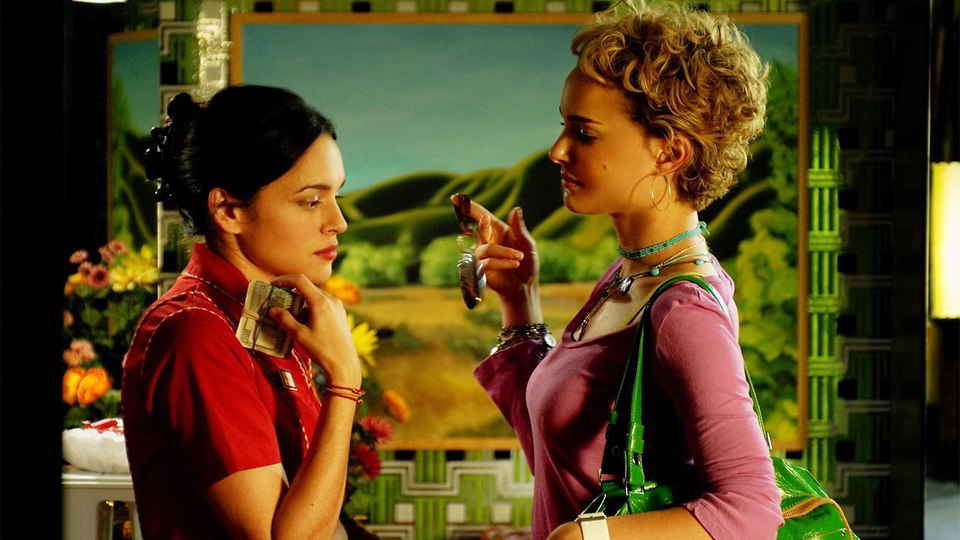
My Blueberry Nights
Norah Jones had never acted when Wong Kar-Wai gave her the lead in his first English-language film, and her kiss with Jude Law was shot 150 times over three days. Around them is an America of all-night diners and lonely people who badly want someone. — Elizabeth has just been dumped, and the New York café where she ends up stays open long after the last customer has gone. Jeremy, who runs it, offers her the blueberry pie nobody else ever orders. Then she takes a bus across the country, waiting tables in Memphis and working in a casino in Nevada, and sends Jeremy postcards that never carry a return address. — Official Selection | Cannes Film Festival | 2007
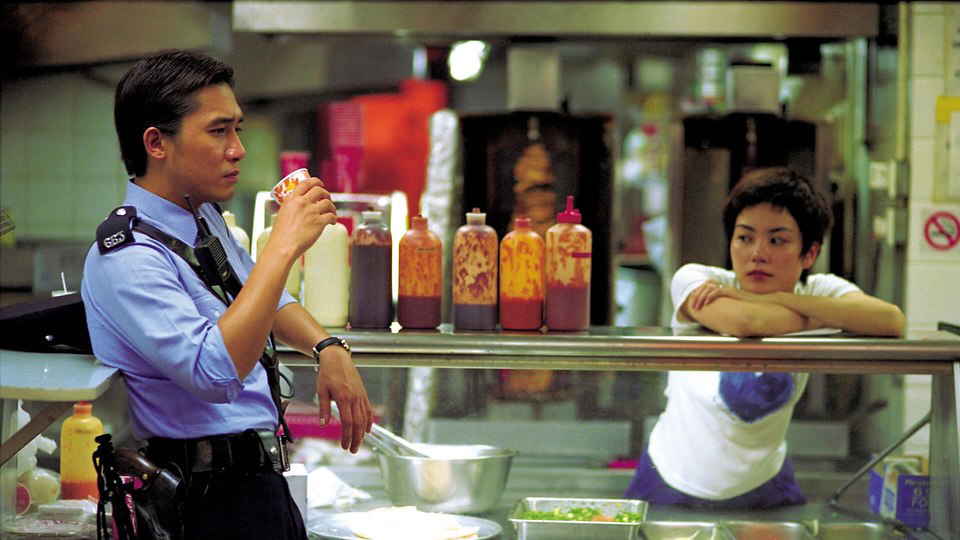
Chungking Express
Even at their closest, they’re still a millimetre apart. Wong Kar-Wai (“In the Mood for Love”) wrote each scene in the morning and shot it that night, all in two weeks, and his cult film became the first release from Tarantino’s label. A cop, a wig, and “California Dreamin’” playing again next door. — Every day Cop 223 buys a tin of pineapple with a 1 May expiry date, because that’s the day he has promised himself he’ll stop pining. He can’t take his eyes off a woman in a blonde wig, never guessing that she deals drugs. Cop 663 has just been dumped as well, and his ex-girlfriend leaves the keys with the snack bar next door. — Official Selection | Locarno International Film Festival | 1994 Best Picture | Hong Kong Film Awards | 1995 Best Director | Hong Kong Film Awards | 1995 Best Actor (Tony Leung) | Hong Kong Film Awards | 1995 Best Actress (Faye Wong) | Stockholm Film Festival | 1994

2046
Wong Kar-Wai’s sensual, ambitious sci-fi is a loose sequel to “In the Mood for Love”, with Tony Leung back as the same man, only now his luck in love has run much lower. He moves from one woman to the next, but none of them can make him forget the one. — In a Hong Kong hotel room in the 1960s, Chow Mo-wan writes pulp fiction, and one by one the women who pass through the room next door find their way into his books. His latest story is about a train to 2046, a place people travel to in search of a lost memory, and from which no one has ever returned. — Official Selection | Cannes Film Festival | 2004 Best Actor (Tony Leung) | Hong Kong Film Awards | 2005 Best Actress (Ziyi Zhang) | Hong Kong Film Awards | 2005 Best Cinematography | Hong Kong Film Awards | 2005 Best Art Direction | Hong Kong Film Awards | 2005 Best Original Film Score | Hong Kong Film Awards | 2005
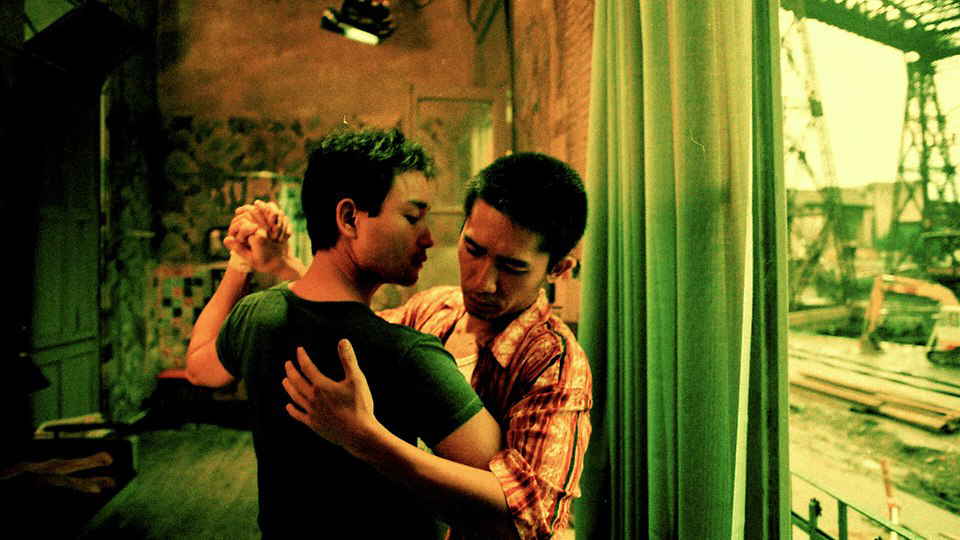
Happy Together
Wong Kar-Wai flew to Buenos Aires in September 1996 for what was meant to be a six-week shoot, and he was still filming in December. Two men from Hong Kong cross the world to save their relationship and break up along the way, and from then on they swing between love and hate. — Two men on holiday in Argentina break up partway through the trip, and neither has the money to get home. One takes a job as a doorman at a bar and rents a tiny room, while the other spends his nights with whoever’s around, until the day he turns up hurt on his ex’s doorstep. — Best Director | Cannes Film Festival | 1997 Audience Award | Arizona International Film Festival | 1998 Best Actor | Hong Kong Film Awards | 1998
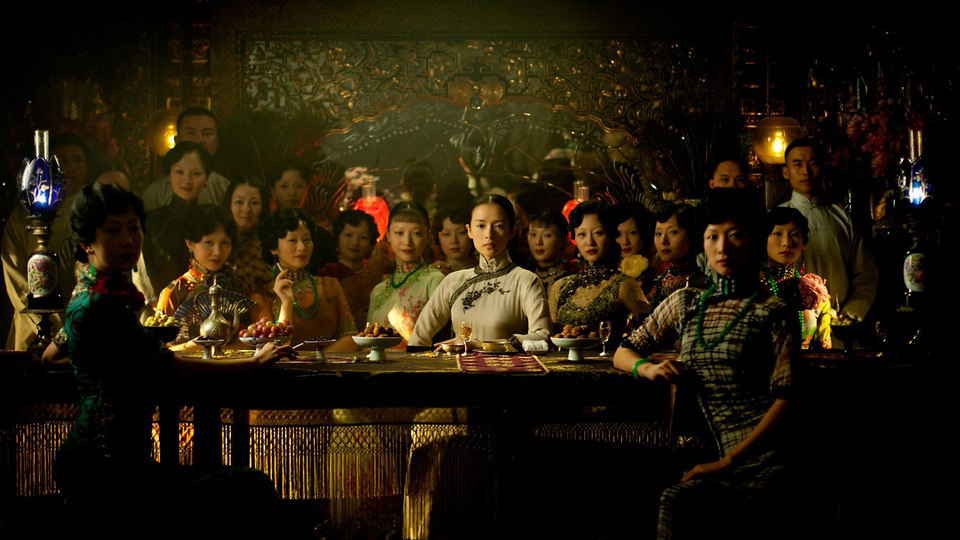
The Grandmaster
A rainy poem of martial arts and color shades in the hands of the unsurpassed Wong Kar-wai. Starring his regular partner, Tony Chiu-Wai Leung, in delightful kung fu battles with Zhang Ziyi. — Ip Man, the great Kung Fu Master, was born in 1893 in Foshan, China. His early education began at age 7 and, while still young, he fought the best warriors, defeating them all. His life was tragically transformed when, during the Japanese invasion and subsequent civil war, he was forced to go to exile, leaving his beloved family behind. In Hong Kong, Ip Man began a successful career as a martial arts teacher, with Bruce Lee as his most famous student. — Nominated for Best Achievement in Cinematography | Oscars | 2014 Nominated for Best Achievement in Costume Design | Oscars | 2014
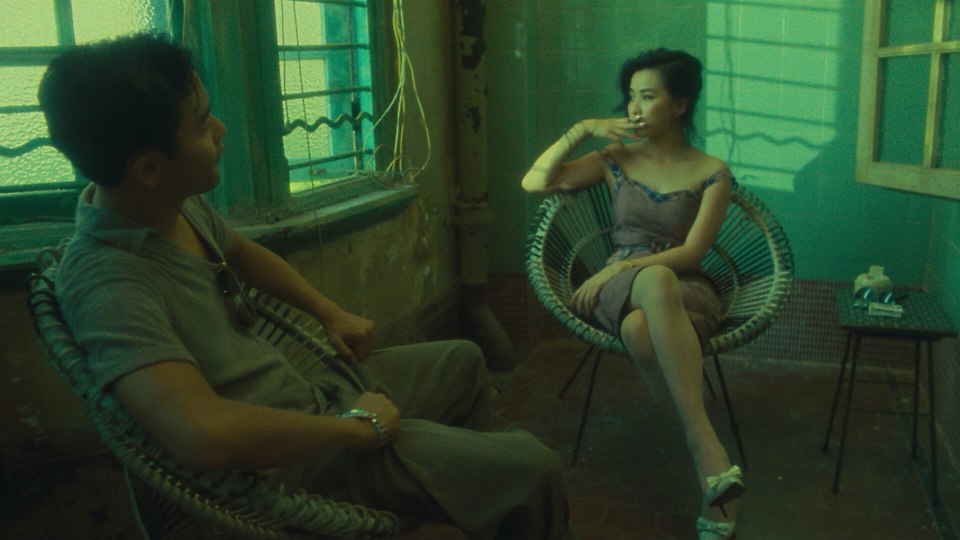
Days of Being Wild
Before "In the Mood for Love" and "2046", Wong Kar-Wai’s second feature brings his signature themes of time, desire, and distance to the forefront in an intoxicating blend of noir and romance. It also marks the director’s first collaboration with the incomparable cinematographer Christopher Doyle. — In 1960s Hong Kong, a group of unruly young adults come together and drift apart in a slow-burning dance of suppressed desire. A disillusioned playboy who seduces and abandons women without remorse is searching for his biological mother. One woman is desperately in love with him. A police officer finds himself caught in the middle of their troubled relationship. What follows is a chain of events driven by obsession, self-discovery, and shocking violence. — Best Picture | Hong Kong Film Awards | 1991 Best Director | Hong Kong Film Awards | 1991 Best Actor (Leslie Cheung) | Hong Kong Film Awards | 1991
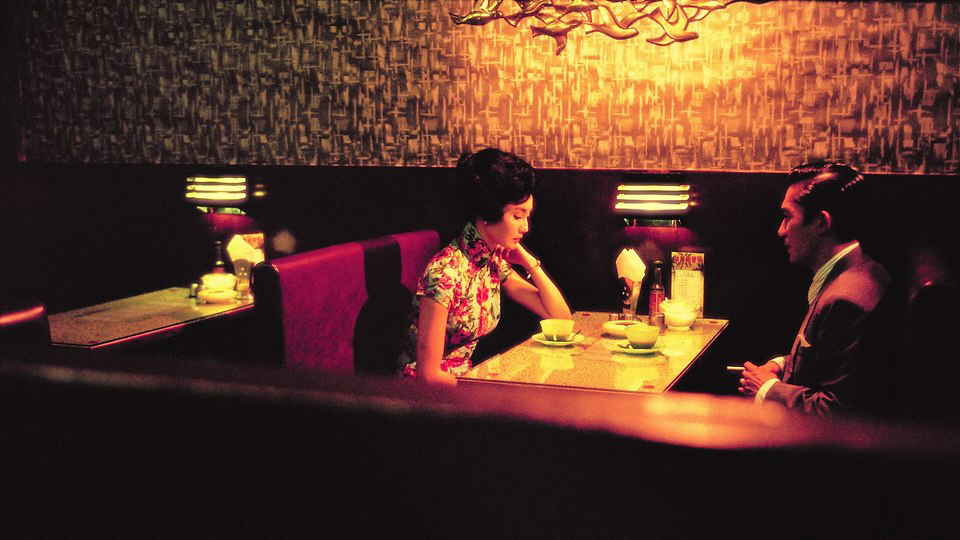
In the Mood for Love
Many still call it the most beautiful film ever made. When two neighbours discover that his wife and her husband are having an affair, the camera never once shows the cheating couple’s faces, and what grows between the two left behind is a love that never happens, yet you feel it with every sense. — Chow, a newspaper editor, rents a new flat with his wife, and on the other side of the wall lives Li-zhen, whose husband is a salesman who’s nearly always away. Chow’s wife is hardly ever home either, and one evening the two neighbours work out that their spouses are having an affair with each other. Left alone together, they share something neither of them wants to name. — Best Actor (Tony Leung) | Cannes Film Festival | 2000 Best Foreign Language Film | César Awards | 2001 Best Actor (Tony Leung) | Hong Kong Film Awards | 2001 Best Actress (Maggie Cheung) | Hong Kong Film Awards | 2001 Best Film Editing | Hong Kong Film Awards | 2001
Fallen Angels
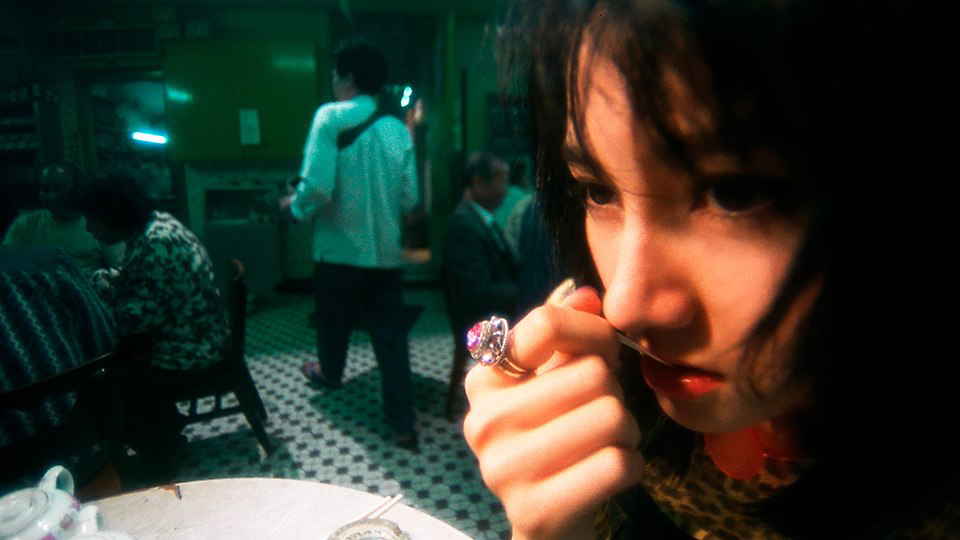
A hitman and the woman who lines up his contracts were meant to be part of “Chungking Express”, until Wong Kar-Wai gave their story a film of its own. He shot it through a lens so wide it bends faces, in a Hong Kong at four in the morning where work and love get dangerously close. — A hitman is about to take one last job, but first he has to deal with what he feels for the cool partner who finds him his work. Falling for a colleague strikes him as dangerous and out of place, so he sets about finding someone to replace him. Then, out in the Hong Kong night, two people he never expected cross his path. — Best Supporting Actress (Karen Mok) | Hong Kong Film Awards | 1996 Best Cinematography | Hong Kong Film Awards | 1996 Best Original Film Score | Hong Kong Film Awards | 1996
Get free cinema tickets
Our website uses Cookies
We use cookies to offer you the best possible experience on our site.
- Necessary cookies
- Analytics cookies
- Advertisement cookies