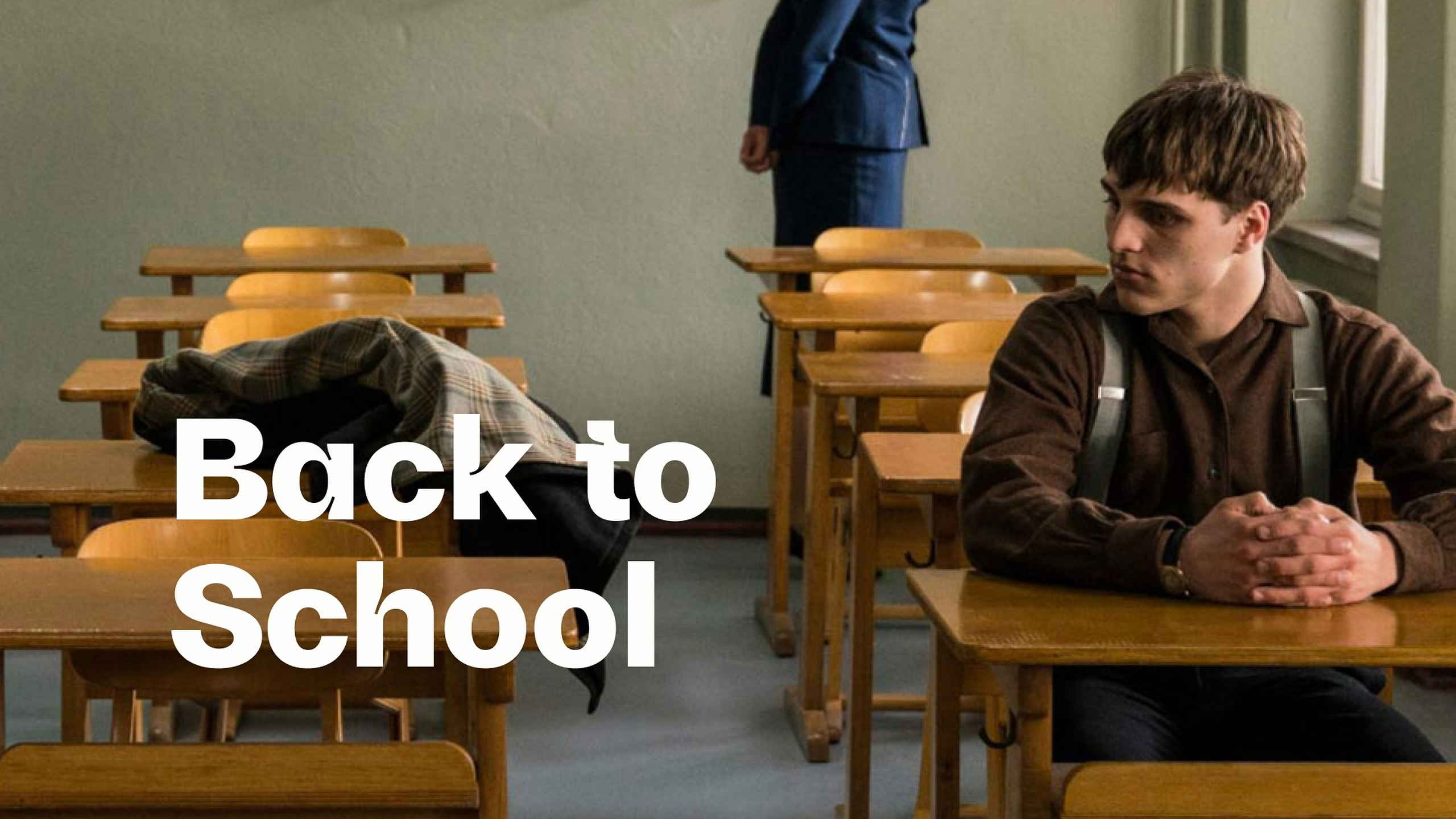
Back to School
September. A month to say goodbye to summer relaxation and return to daily responsibilities. Students and teachers return to their classrooms, ready for another year of learning, challenges and tensions, and no one has loved their adventures more than the movie lens. This category is dedicated to them.
Titles in this collection
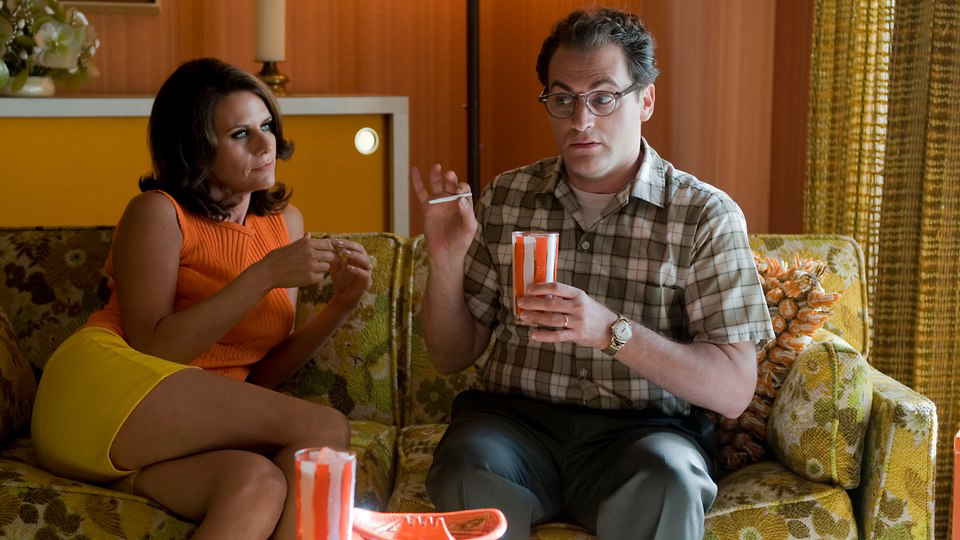
A Serious Man
The Coen brothers (“No Country for Old Men”) open with a scene in Yiddish set a century before the story proper, then pile on malicious spirits, plots nobody can prove and the pitch-black humour they do best. At the centre is a lecturer who asks three rabbis why all this is happening to him. — Larry Gopnik teaches physics in suburban Minneapolis in 1967, and his life is coming apart on every front. His wife wants a divorce, his jobless brother has moved into the house, and somebody is sending anonymous letters about him to a committee at the university. He takes his troubles to a rabbi, then to a second rabbi, then to a third. — Nomination for Best Film | Oscars | 2010 Nomination for Best Screenplay | Oscars 2010 Nomination for Best Actor (Michael Sthulbarg) | Golden Globes | 2010
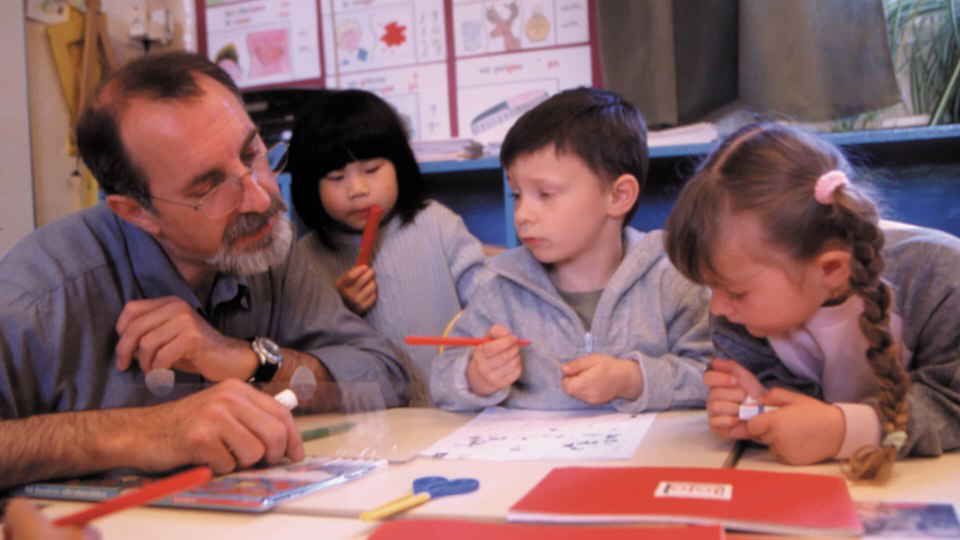
To Be and to Have
Can a film about education move you to tears? Of course it can, as is evidenced in this award-winning documentary about a school year, that was beloved by audiences in France and is sure to speak to the hearts of all. The young students in the class steal the show. — In rural France, schoolteacher Georges Lopez educates 12 children, whose ages range from 4 to 11 years old. Over the course of a year, the soon-to-retire Lopez instructs them all in one small classroom with the traditional tools of French teaching: rote repetition and the dictation of literary passages for copying. As the seasons pass, Lopez must keep his students disciplined while preparing the older children for the exams that will determine their educational future. — Best Editing | César Awards | 2003 Nominated for Best Film not in the English Language | BAFTA Awards | 2004 Best Documentary Award | Valladolid International Film Festival | 2002
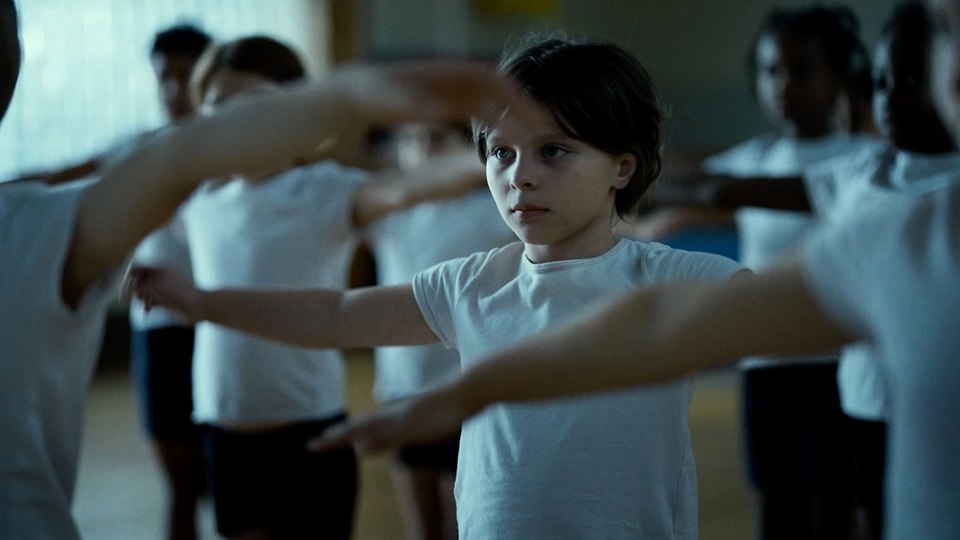
Playground
Every one of its seventy-two minutes is seen through a child’s eyes, because Laura Wandel wanted to remind us how it feels to be small in a world that is big and strange. She cast Maya Vanderbeque at seven, and the two of them spent three months playing before the cameras ever rolled. — Seven-year-old Nora starts at a new school where her older brother, Abel, has been a pupil for years, and at break on that first day she sees a group of boys shoving him around the playground. She runs to help, but Abel makes her promise to tell no one. Now Nora has to decide whose side she’s on, and she has until the bell rings. — FIPRESCI Prize - Un Certain Regard | Cannes Film Festival | 2021 Special Award for the Promotion of Gender Equality | Sarajevo Film Festival | 2021
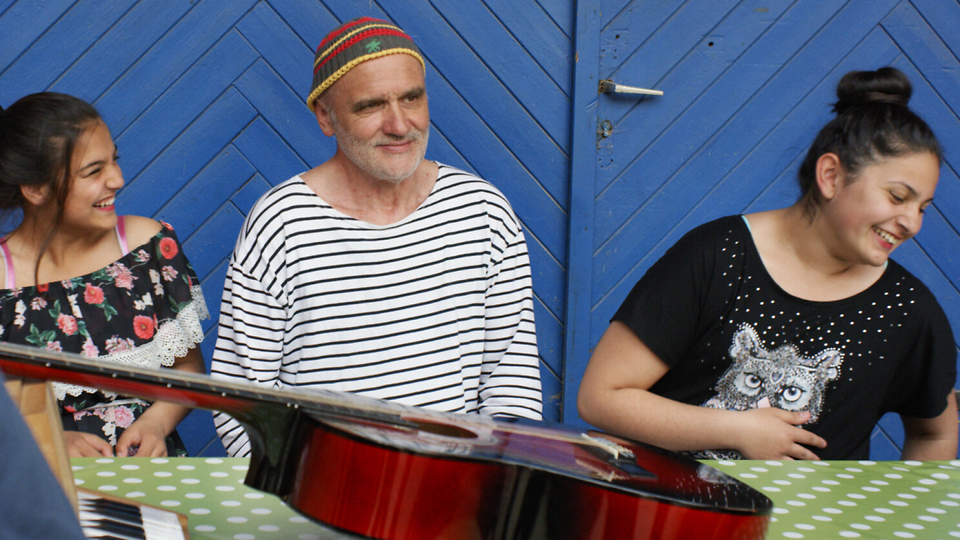
Mr. Bachmann and His Class
Far from the cliché dramas about inspired teachers in "difficult" schools, Maria Speth's documentary is a rare cinematic record, a much-needed documentation of the educational process in Europe's diverse contemporary reality. — Dieter Bachmann is the teacher of class 6B of the introductory year for the high school in Stadlendorf, a city of immigrants, whose children he prepares for the German reality away from strict academic guidelines. — Jury Prize | Berlin Film Festival | 2021 Audience Award | Berlin Film Festival | 2021
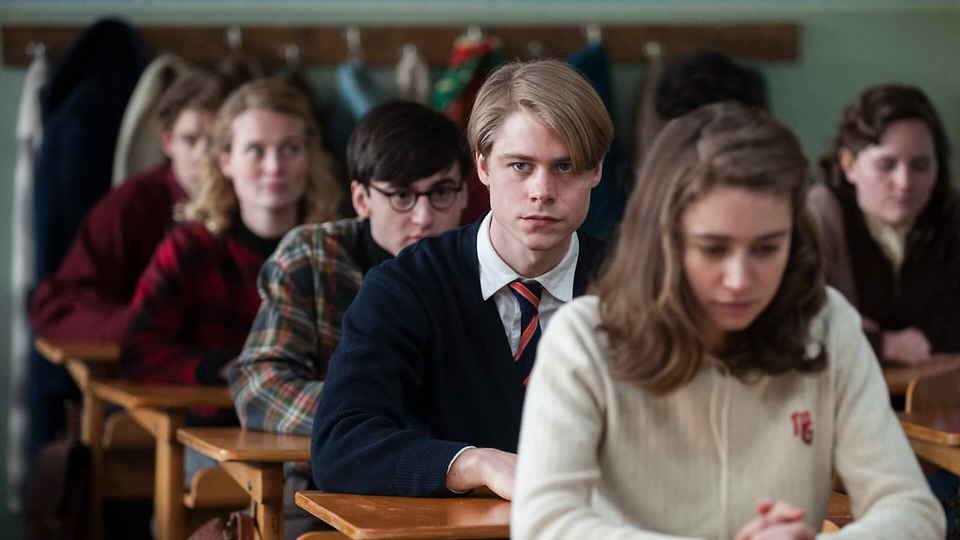
The Silent Revolution
When a final-year class in East Germany held a two-minute silence for those killed in the Hungarian uprising, the education minister came to the school himself to demand the ringleader’s name, and not one of them gave it up. The story is true, and one of the boys in that classroom wrote it down. — The news that people are dying in Hungary reaches a final-year class in Stalinstadt, East Germany, in 1956, and the students decide to mark it with two minutes’ silence in the middle of a lesson. To them it’s an act of mourning. The authorities see counter-revolution, and a minister is sent from Berlin to find out whose idea it was. — Audience Award | Berkshire International Film Festival | 2019
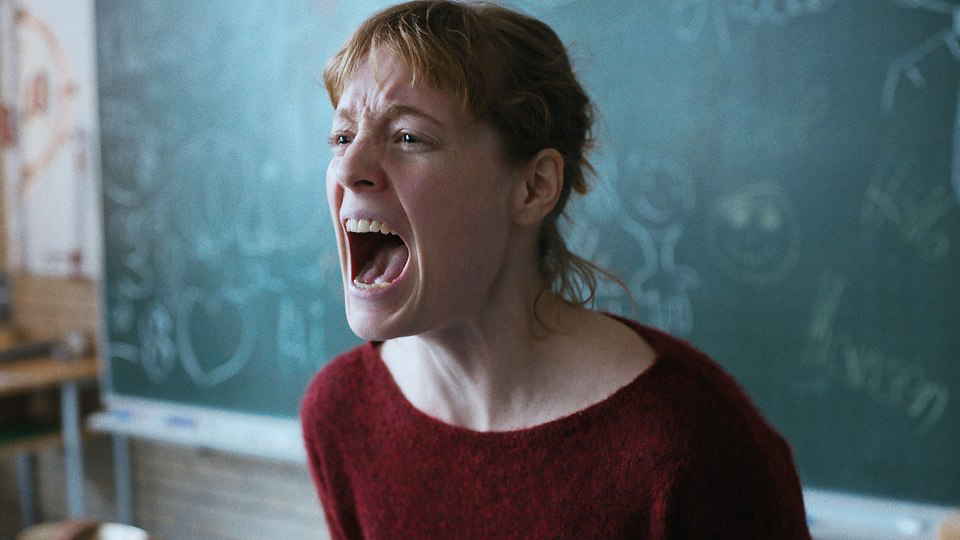
The Teachers' Lounge
İlker Çatak says he drew on things that happened at his own school for this psychological thriller, which was nominated for the Oscar for Best International Feature. It begins when a maths teacher leaves her laptop in the staffroom with the camera running, hoping to catch a thief. — Carla Nowak has just started teaching maths at the school and still believes she can reach thirteen-year-olds. When money goes missing and the staff decide to search the pupils’ wallets, she thinks it’s wrong and leaves her own laptop filming instead, hoping to catch the thief. What the recording shows her is something she can neither prove nor ignore. — Europa Cinemas Award - Panorama | Berlin Film Festival | 2023 C.I.C.A.E. Award - Panorama | Berlin Film Festival | 2023
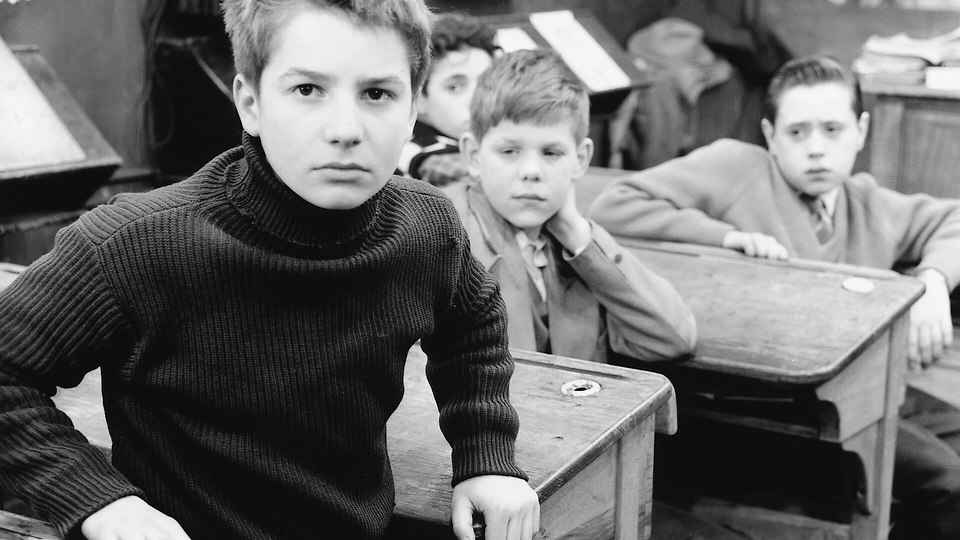
The 400 Blows
Truffaut was still a boy when his own father handed him over to the police, and years later that memory became a film. Jean-Pierre Léaud, cast in the lead, never memorised his lines but spoke in his own words. Blow after blow, you feel how cruel childhood can be. — Antoine Doinel makes his first appearance as an unruly boy growing up in a cramped Paris flat with a family that doesn’t understand him. He skips school, steals and suffers under a teacher who has it in for him, until an arrest lands him in a cell overnight with prostitutes and thieves. The court sends him to a reform school, but Antoine escapes, in search of freedom. — Official Selection | Cannes Film Festival | 1959 Best Director | Cannes Film Festival | 1959 OCIC Award | Cannes Film Festival | 1959
Get free cinema tickets
Our website uses Cookies
We use cookies to offer you the best possible experience on our site.
- Necessary cookies
- Analytics cookies
- Advertisement cookies