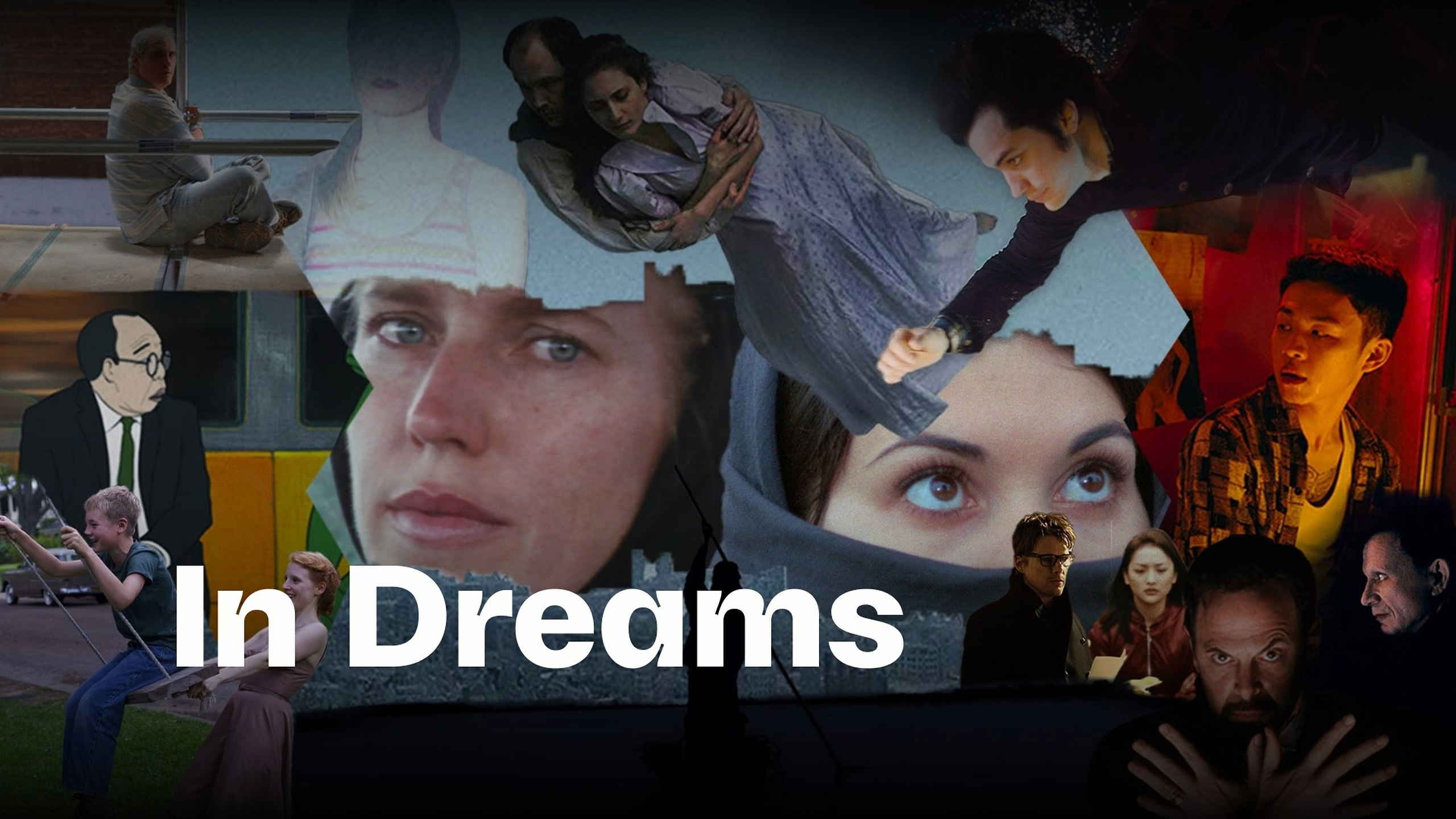
In Dreams
Freudian nightmares, Kafkaesque fairy tales, Tarkovskian sculptures of time. In this collection, surrealism and dreamscapes intertwine, conjuring images that dissolve the borders of reality. Press play and descend into the unconscious, guided by creators who render our world hauntingly, almost paranoiacally uncanny.
Titles in this collection
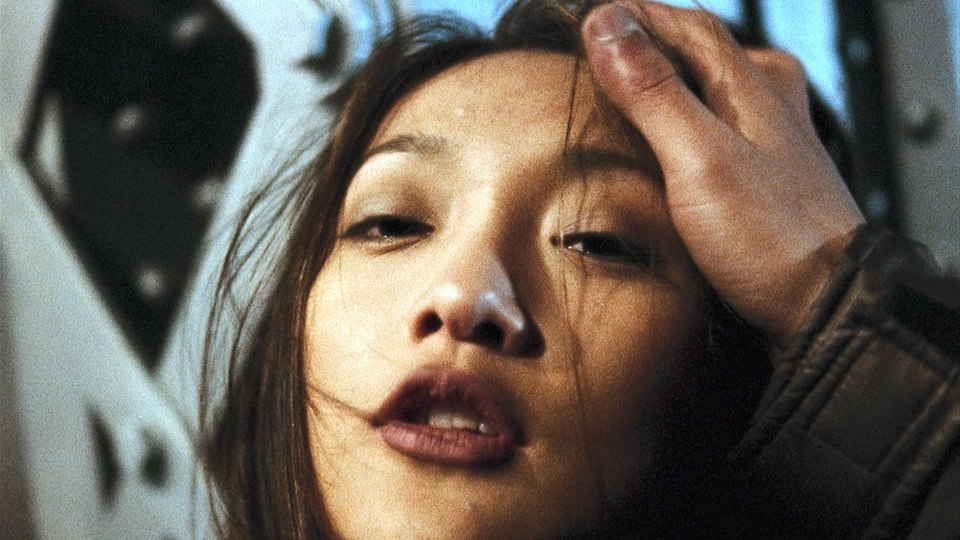
Suzhou River
Lou Ye screened it abroad without permission and was banned from making films for two years, yet it became a landmark of China’s Sixth Generation, the independent cinema of the 1990s. It’s a neo-noir that flows like a dream, where love crushes instead of healing, and a cult film hardly anyone knows. — In Shanghai, a cameraman we never see tells the story of Mardar, a courier on a motorbike, and Moudan, the girl he was meant to kidnap and fell for instead. When the truth comes out, she jumps from a bridge into the Suzhou River, and years later the courier catches sight of her face. — Tiger Award | Rotterdam International Film Festival | 2000
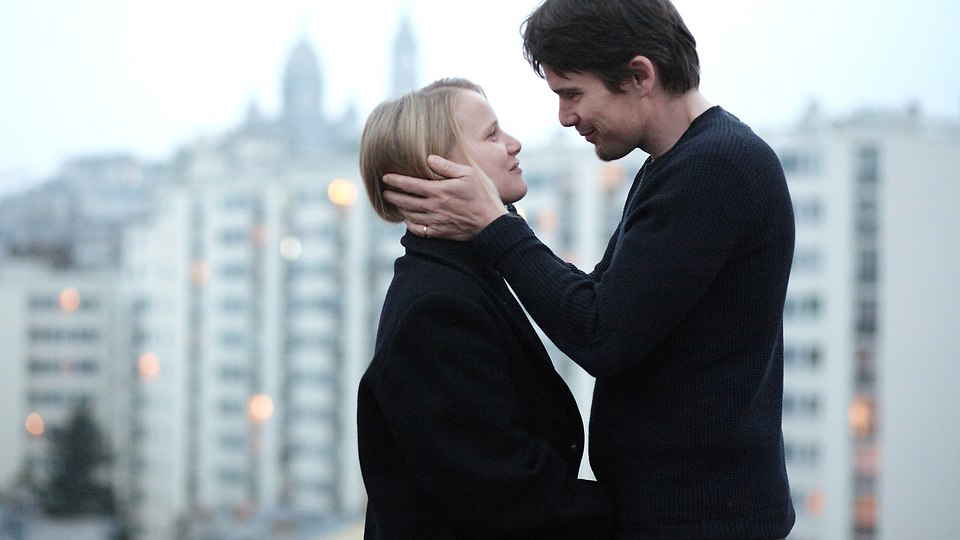
The Woman in the Fifth
Before Ida and Cold War, Pawlikowski directed an atmospheric film in the City of Light, steeped in erotic tension and psychological suspense, drawing the viewer into a world where reality and dreams intertwine masterfully. Ethan Hawke delivers one of his finest performances. — A divorced American writer moves to Paris to reconnect with his daughter. He takes a job as a night watchman and finds himself entangled in a dark game of mystery and passion.
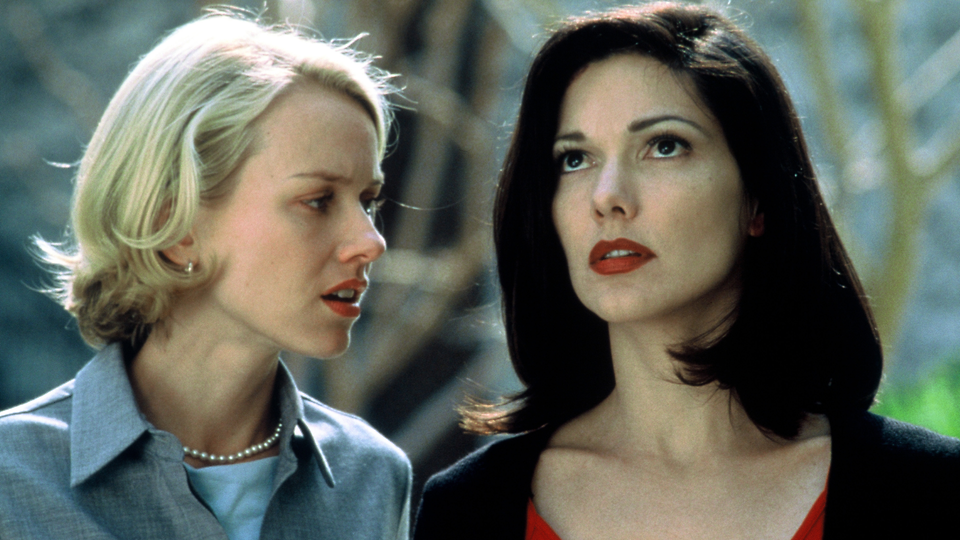
Mulholland Drive
David Lynch cast Naomi Watts, who was ready to give up acting, as a blonde who arrives in LA certain she’ll be a star, in what was meant to be a pilot for ABC. Luckily the network turned it down, and the dreamlike, unsettling Hollywood nightmare it became now has cult status. — The only survivor of a car crash on a road outside Los Angeles walks away from the wreck with no memory of who she is. She takes shelter in an empty flat, and that’s where Betty finds her, fresh from Canada and sure she’s about to become an actress. Together the two women set out to discover who this stranger is, and who she used to be. — Nomination for Best Director | Oscars | 2002 Nomination for Best FIlm | Golden Globes | 2002 Best Editing | BAFTA | 2002 Best Director | Cannes Film Festival | 2001
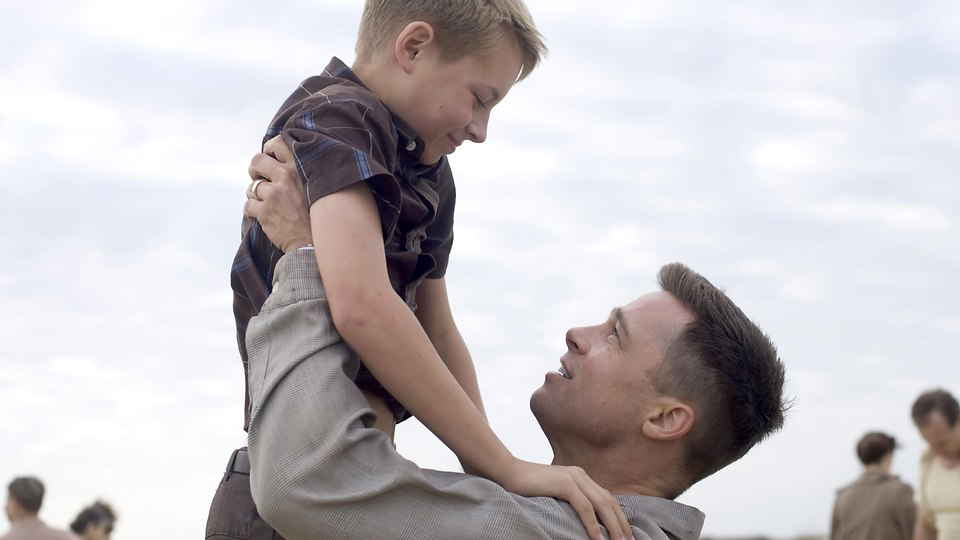
The Tree of Life
Malick’s Palme d’Or winner is about faith, family and where we came from, and for the birth of the universe he asked the man behind the famous tunnel in “2001: A Space Odyssey”, who made it from paint, milk and water. It still divides people: you give in to it or you don’t. Plus Brad Pitt. — Jack grows up as the eldest son in 1950s America, in a house where his father corrects everything and his mother forgives it all. Time and again the film leaves that house for the story of the universe being born, the first cells and the dinosaurs, and Jack, now an adult, is still arguing with his father in his head. — Palme D'Or | Cannes Film Festival | 2011 Nomination for Best Picture | Oscars | 2012 Nomination for Best Director | Oscars | 2012 Nomination for Best Cinematography | Oscars | 2012 FIPRESCI Prize | San Sebastián Film Festival | 2011
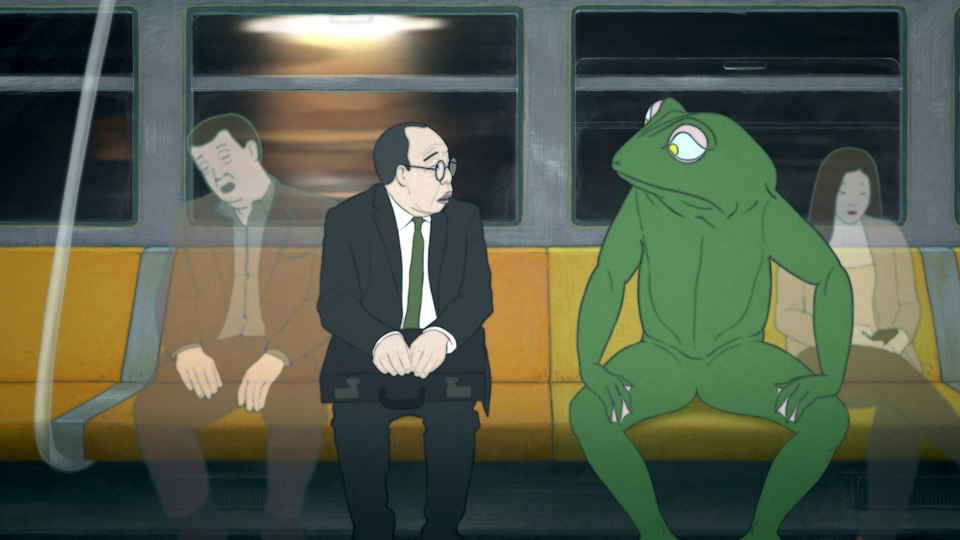
Blind Willow, Sleeping Woman
On the backdrop of Tokyo's 2011 earthquake, this hallucinatory animated film, based on short stories by Haruki Murakami, features talking frogs and vanished cats, unfolding as an audiovisual tsunami that mirrors the efforts of a handful of lost souls trying to reinvent themselves. — Tokyo, just days after the 2011 earthquake and tsunami. Kyoko suddenly leaves her husband after he spends five straight days glued to the television, watching footage from the disaster. Helpless, he takes a week off work and heads north to deliver a box to two young women. Meanwhile, his colleague Katagiri returns home one night to find a two-meter-tall frog asking for his help to save Tokyo. — Jury Distinction | Annecy Film Festival | 2022
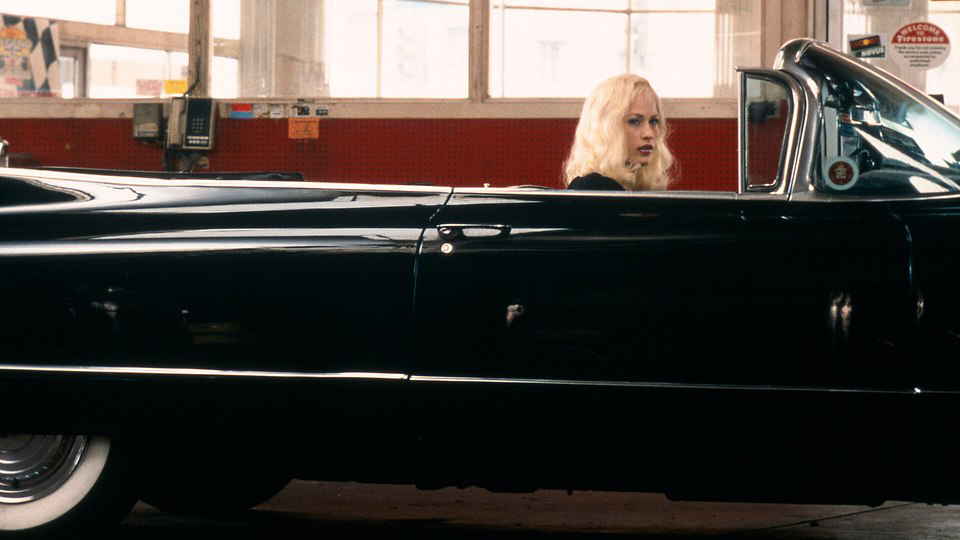
Lost Highway
Here is everything we love David Lynch for: a man convicted of a murder he can’t remember becomes someone else entirely, in what may be a new life or only a new dream. Patricia Arquette plays a double role, Angelo Badalamenti supplies the music, and it’s hard to imagine anything more Lynchian. — Videotapes start turning up on the doorstep of a jazz saxophonist and his wife, filmed inside their house while they slept. Before long he’s convicted of killing her, a murder he has no memory of, and while he waits to die in his cell he somehow turns into a car mechanic living an entirely different life. Once the mechanic is set free, their paths begin to cross.
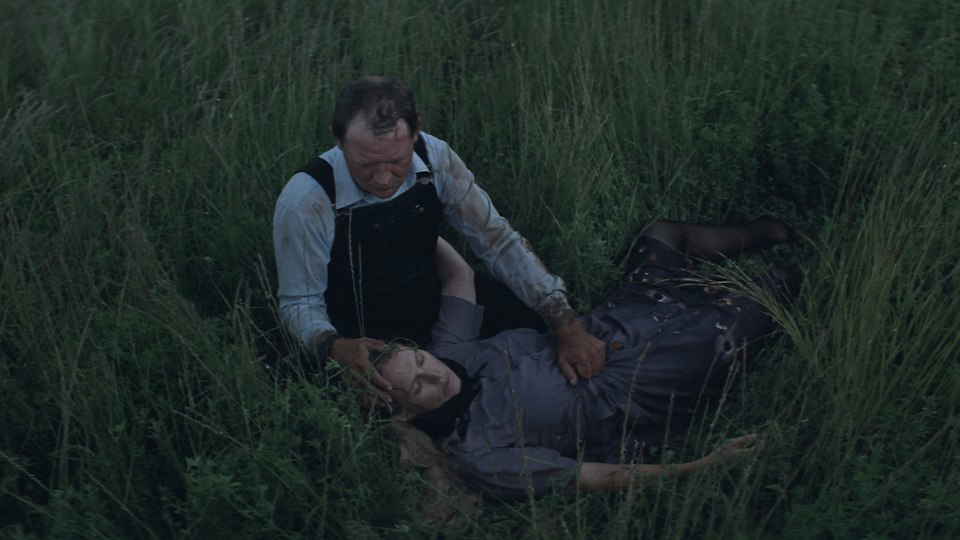
Silent Light
In his third feature film, Carlos Reygadas won the Jury Prize at the Cannes Film Festival for a film with minimal dialogue and naturalistic cinematography, offering a transcendental reflection on faith and love that culminates in a cathartic experience. — In a Mennonite community in northern Mexico, a husband and father is tormented by guilt over an extramarital affair, destabilizing his family and social life. — Jury Prize | Cannes Film Festival | 2007 Best Film | Chicago International Film Festival | 2007
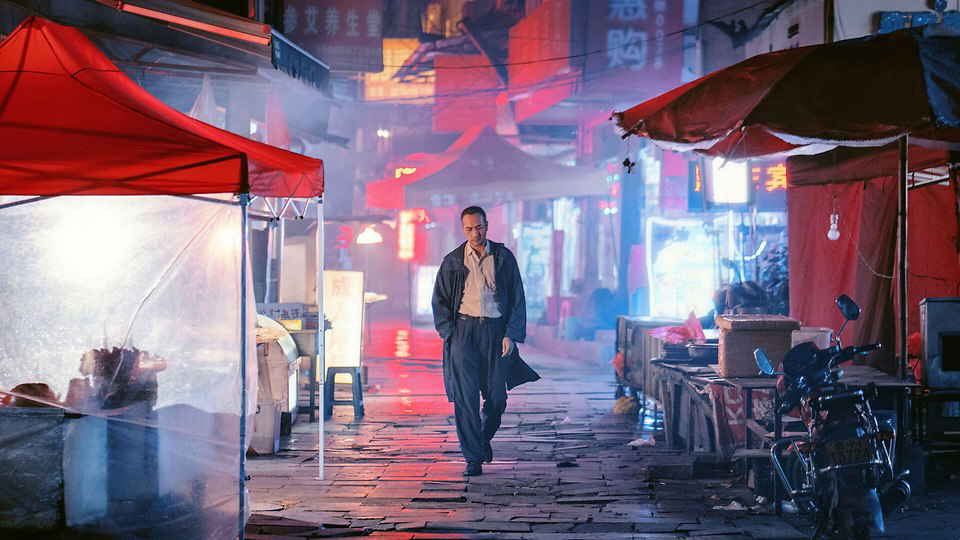
Long Day's Journey into Night
Sold as a date movie and released in Chinese cinemas on New Year’s Eve, the film Bi Gan made before “Resurrection” took $38 million on its first day and $1.5 million on its second. It ends with the director’s virtuoso signature, a final shot that runs for an hour. — Luo Hongwu comes back to Kaili, a rainy town in southern China, after many years away, and almost at once he sets out to find the woman he has never managed to forget. The trail leads him to people who knew her and to a name that may not have been her own. Then he goes into a cinema, and it’s no longer clear whether he’s still searching or already dreaming. — Official Selection - Un Certain Regard | Cannes Film Festival | 2018 Official Selection | San Sebastián International Film Festival | 2018
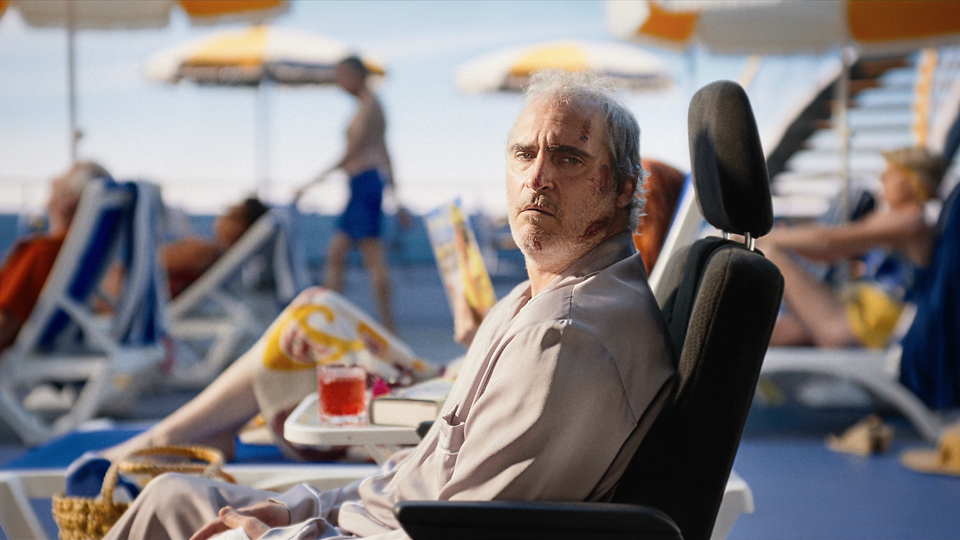
Beau Is Afraid
After the horror gems "Hereditary" and "Midsommar", Ari Aster directs his most ambitious film, a surreal adventure influenced by Tolkien, The Odyssey and Charlie Kaufman, where the most frightening obstacles are the ones that lie within us. — Beau is a man full of anxieties and obsessions who embarks on an adventurous odyssey to reach his parents' home after the sudden death of his mother. Along the way he will be called upon to confront his greatest fears. — Nomination for Best Actor (Joaquin Phoenix) | Golden Globes | 2024
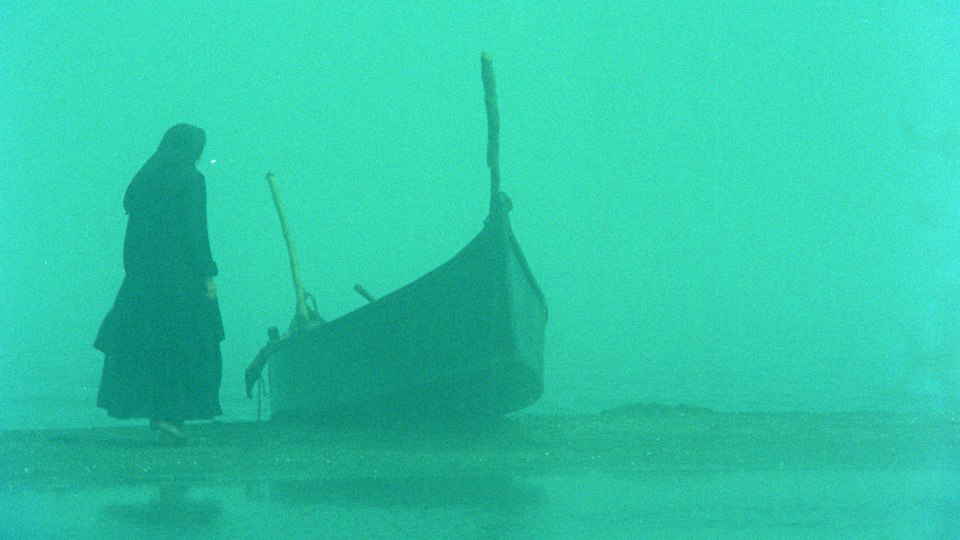
Stranger and the Fog
Bahram Beyzaie started out writing for the stage, and rather than lean on an existing myth, he invented his own for this Iranian New Wave film, which was banned at home for decades. A man washes ashore with no memory of who he is, and years later the sea starts asking for him back. — A drifting boat comes ashore with an unconscious man inside, and when he comes round he claims not to remember who he is. He settles in the village and marries a local girl, and for years life is quiet. Then, out of the sea mist, comes someone who has been looking for him.
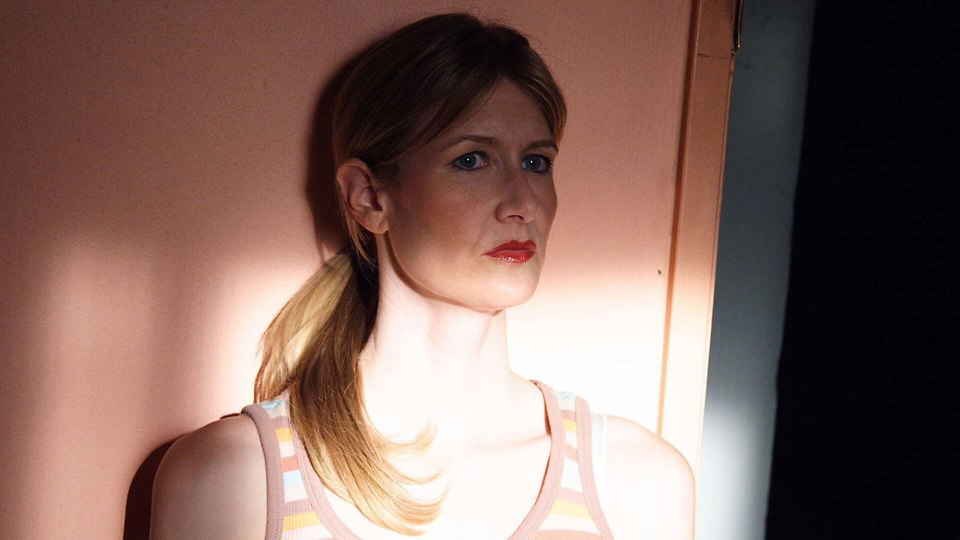
INLAND EMPIRE
Where reason ends, the cinema of David Lynch begins. As dreamy, nightmarish and “lynch” as ever, the great American director delivers a 3-hour magnum opus-riddle, where everything that makes his work unique, thrives. — A Hollywood star is set to star in the remake of a 'cursed' Polish film. As she immerses herself in the role, beginning to adopt the persona of her character, her world turns into a surreal nightmare. — Future Film Festival Digital Award | Venice Film Festival | 2006
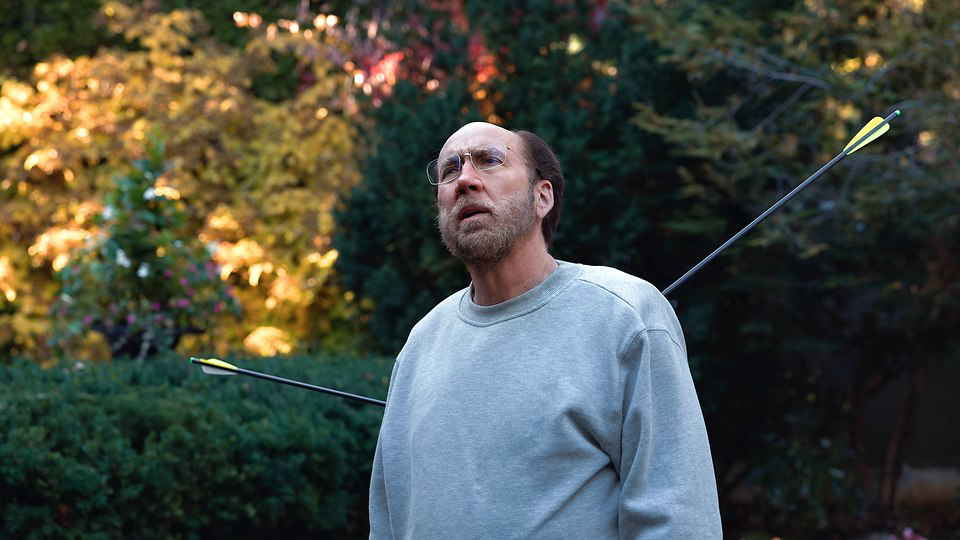
Dream Scenario
Suddenly, everyone starts seeing Nicolas Cage in their dreams. Relatable! The great Cage stars in a delightfully nightmarish and constantly unpredictable satire, delivering one of the finest performances of his career. — The life of Paul Matthews (Nicolas Cage), a dull academic and family man, is turned upside down when millions of strangers suddenly begin seeing him in their dreams. But when these nightly encounters take a nightmarish turn, Paul is forced to deal with his unexpected fame. — Nomination for Best Performance by an Actor in a Motion Picture (Nicolas Cage) | Golden Globes | 2024
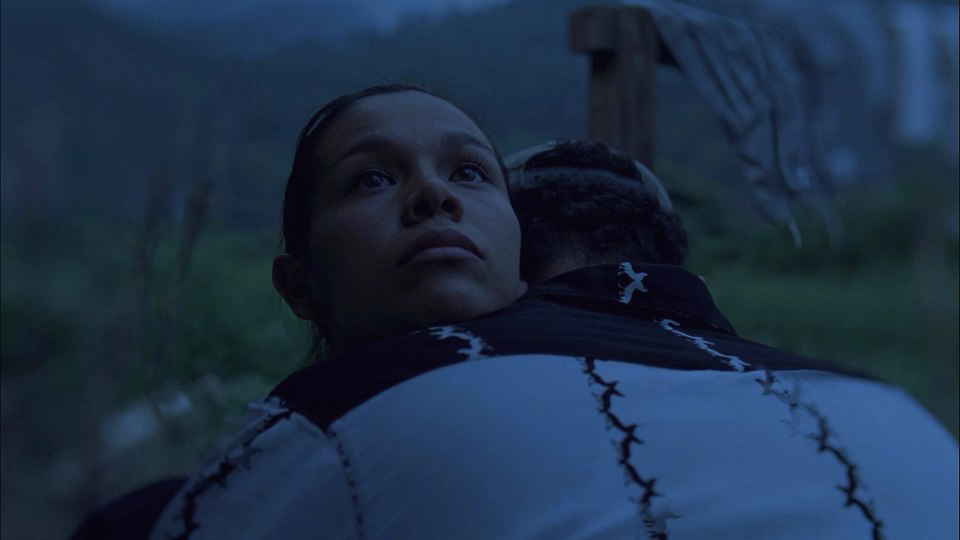
Post Tenebras Lux
Best Director Award at the 2012 Cannes Film Festival for an iridescent poem of memory, anguish, and desire, in which Carlos Reygadas abandons realism in favor of inner truth, and distorted cinematography immerses the viewer in a dreamlike dimension. — A wealthy architect and his family leave the city and move to a remote country mansion. There, their new reality collides with his dreams and desires, and the boundaries between experience and fantasy blur. — Best Director | Cannes Film Festival | 2012
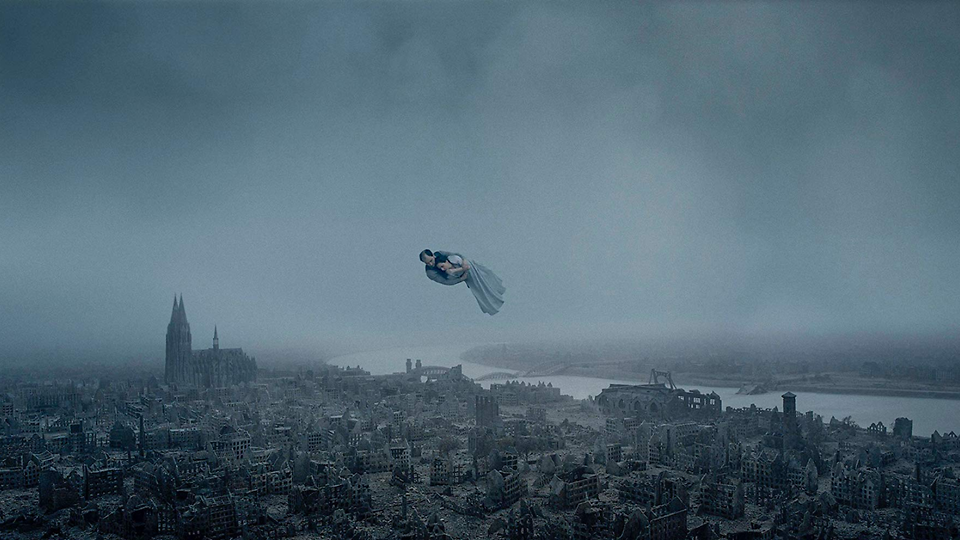
About Endlessness
Roy Andersson, who won the Silver Lion for Best Director at Venice with this film, spent years making commercials to fund his own work and builds his sets by hand in a Stockholm studio. Every scene is held in a single, unmoving shot, and every one is bittersweet and funnier than it first looks. — A woman’s voice narrates, moving from one situation to the next. She tells of a priest who has lost his faith but goes on saying Mass, and of two lovers hovering over the ruins of a city. Then there’s a man who stops in the middle of the street because he can’t remember why he left the house. — Best Director | Venice Film Festival | 2019
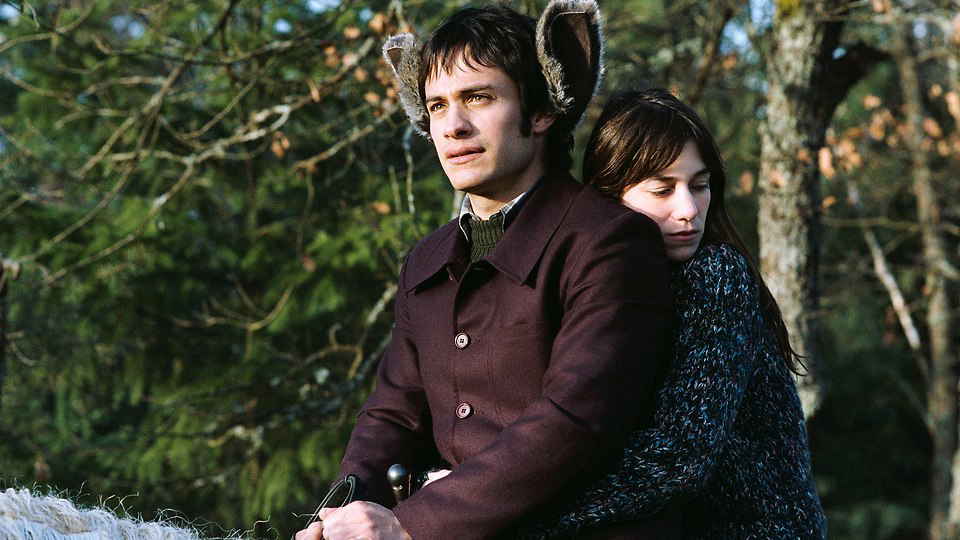
The Science of Sleep
Right after Eternal Sunshine of the Spotless Mind, Michel Gondry continued to walk the thin line between dream and reality, crafting a sweet and touching comedy about people whose dreams are so big that even the thought of pursuing them gives them a panic attack. — A shy and insecure young man leaves Mexico after his father’s death and settles in Paris. There he meets his charming neighbour, with whom he instantly falls in love. But how can he win her heart, the one he conquers in his dreams but loses in real life? There is only one solution: to erase the boundaries between reality and dreams. — UCMF Film Music Award | Cannes Film Festival | 2007 Audience Award | Sitges - Catalonian Film Festival | 2006
Get free cinema tickets
Our website uses Cookies
We use cookies to offer you the best possible experience on our site.
- Necessary cookies
- Analytics cookies
- Advertisement cookies