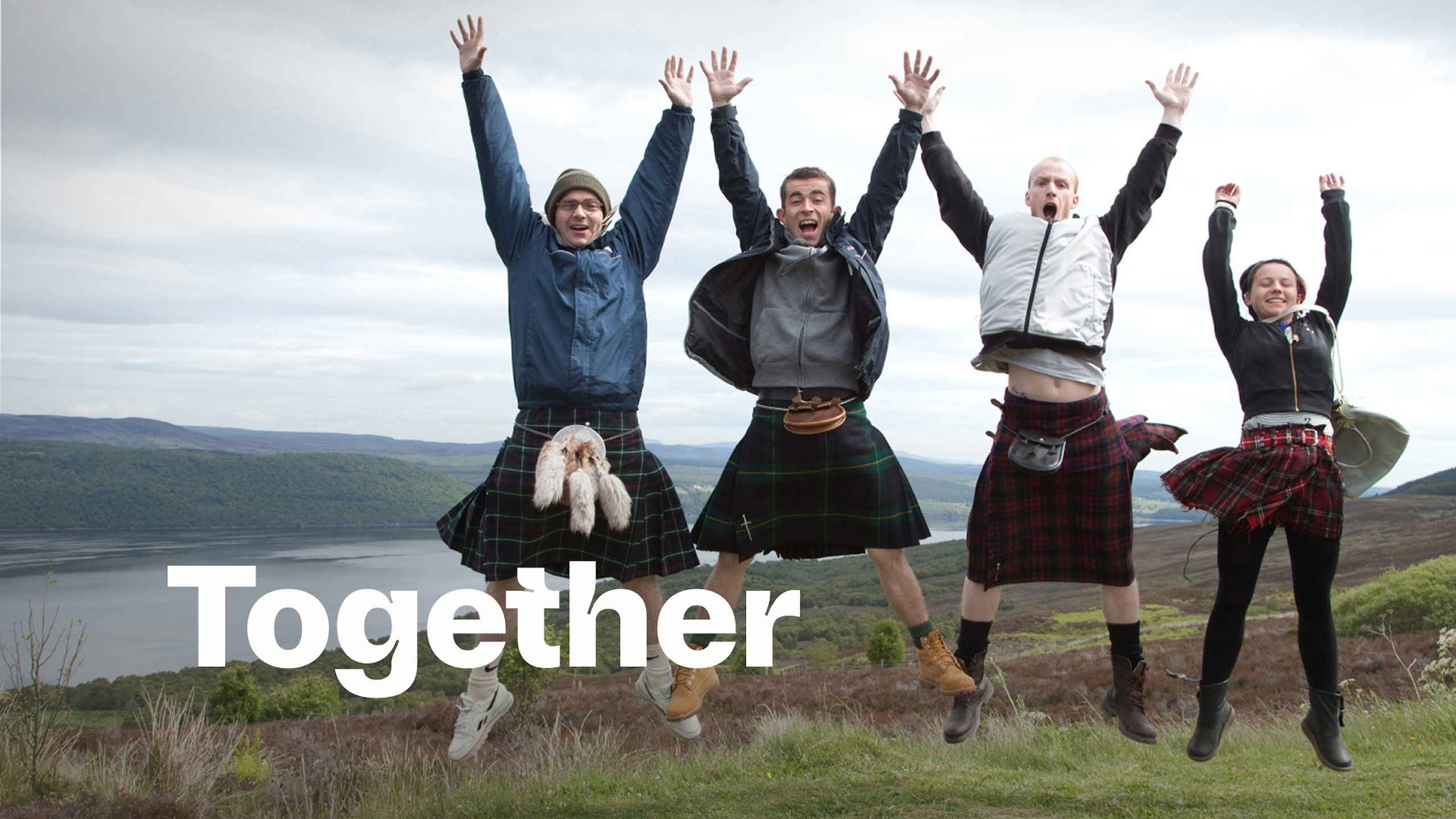
Together
Faced with uncertainty, fear and injustice, do we walk alone or do we walk together? Cinema of solidarity is always here to remind us that ‘’small’’ heroes can achieve ‘’great’’ victories. Let’s draw inspiration from the struggles of common people who did not hesitate to go against the law to fight for what is right.
Titles in this collection
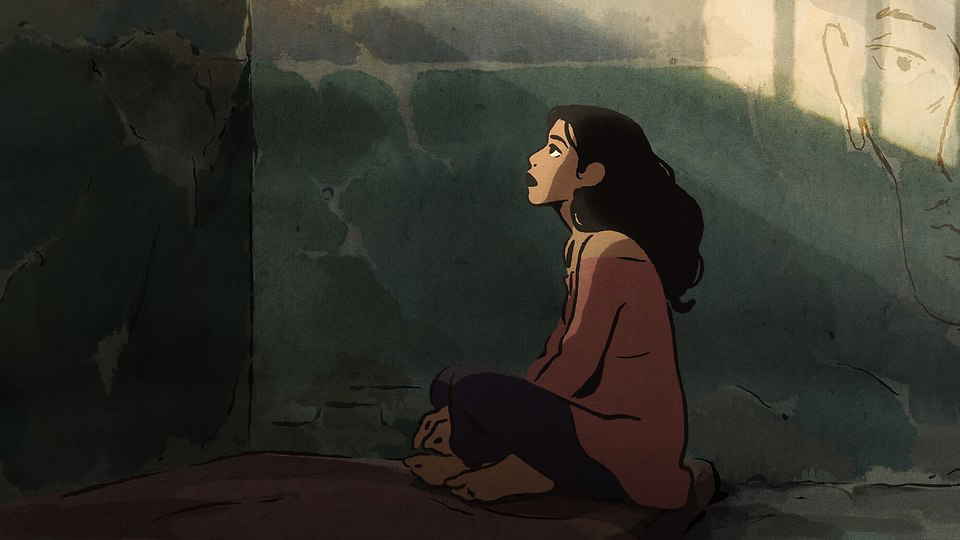
The Swallows of Kabul
Music is banned in the Kabul of 1998 and executions take place in the square, but love strikes regardless, and a young couple still believe they have a future. The studio behind “The Triplets of Belleville” brings their story to life in watercolour. — Zunaira and Mohsen are young and in love in the summer of 1998, in a Kabul ruled by the Taliban. Women must hide their faces and bodies, and public executions draw crowds. Still, the two of them believe they can build a future in this city. — Official Selection | Cannes Film Festival | 2017
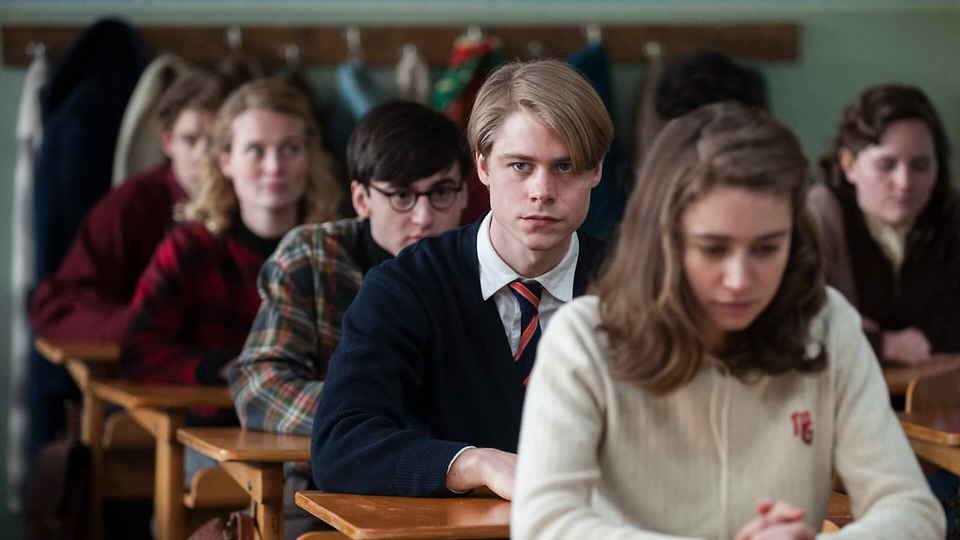
The Silent Revolution
When a final-year class in East Germany held a two-minute silence for those killed in the Hungarian uprising, the education minister came to the school himself to demand the ringleader’s name, and not one of them gave it up. The story is true, and one of the boys in that classroom wrote it down. — The news that people are dying in Hungary reaches a final-year class in Stalinstadt, East Germany, in 1956, and the students decide to mark it with two minutes’ silence in the middle of a lesson. To them it’s an act of mourning. The authorities see counter-revolution, and a minister is sent from Berlin to find out whose idea it was. — Audience Award | Berkshire International Film Festival | 2019
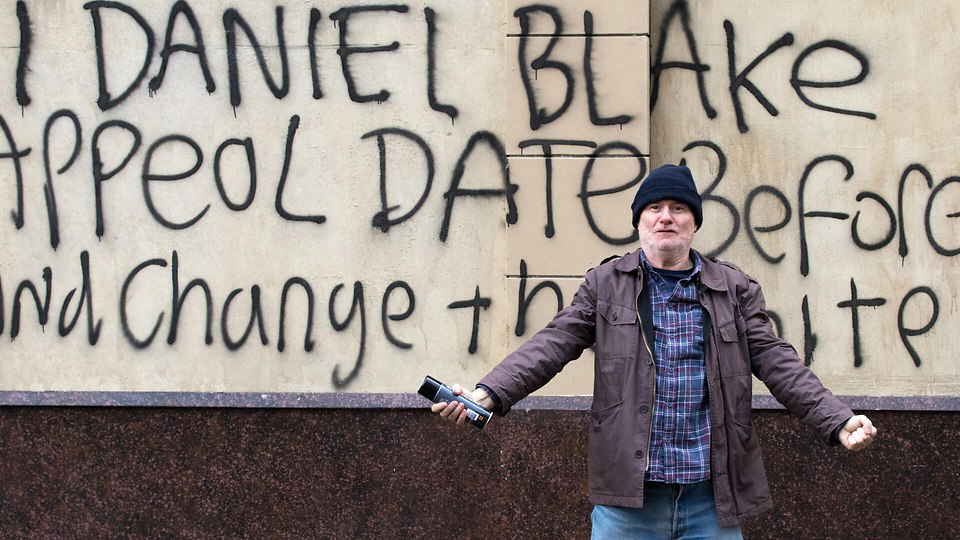
I, Daniel Blake
More political and humanist than ever, the tireless Ken Loach is looking for human worth behind the coldness of bureaucracy, statistics and numbers and rightfully wins the second Palme d’Or of his career in Cannes. — Daniel Blake is a 60-year-old carpenter from Newcastle. After a heart attack, he's going to need for the first time the help of the state to survive, but the convoluted bureaucracy is leading him nowhere. He crosses paths with a single mother with similar problems and, finding unexpected friendship and warmth in each other, they join forces and try to fight back. — Palme d'Or | Cannes Film Festival | 2016 Audience Award | Locarno Film Festival | 2016 Audience Award | San Sebastián Film Festival | 2016
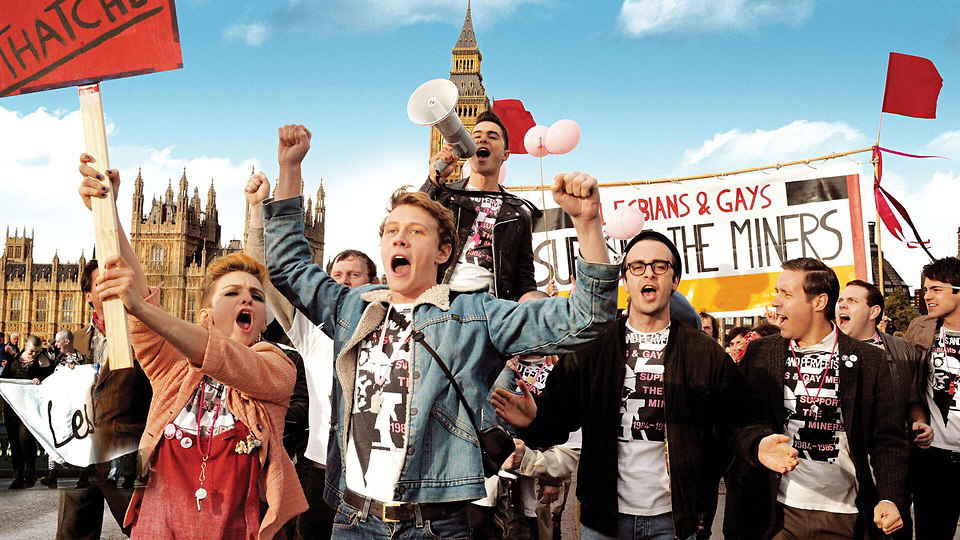
Pride
A perfect example of entertaining and, at the same time, political cinema, that highlights issues of solidarity and activism, in the footsteps of "The Full Monty", a proud example of the proverbial ability of the British to manage bittersweet stories. — A group of London activists made up of gay men and women arrives in a small Welsh town where they will be joined by a handful of striking miners and their families, who stubbornly resist the neoliberal Thatcher policy of that time. — Queer Palm | Cannes Film Festival | 2014 Nominated for Golden Globe | Golden Globes | 2015 Outstanding British Film | BAFTA Awards | 2015
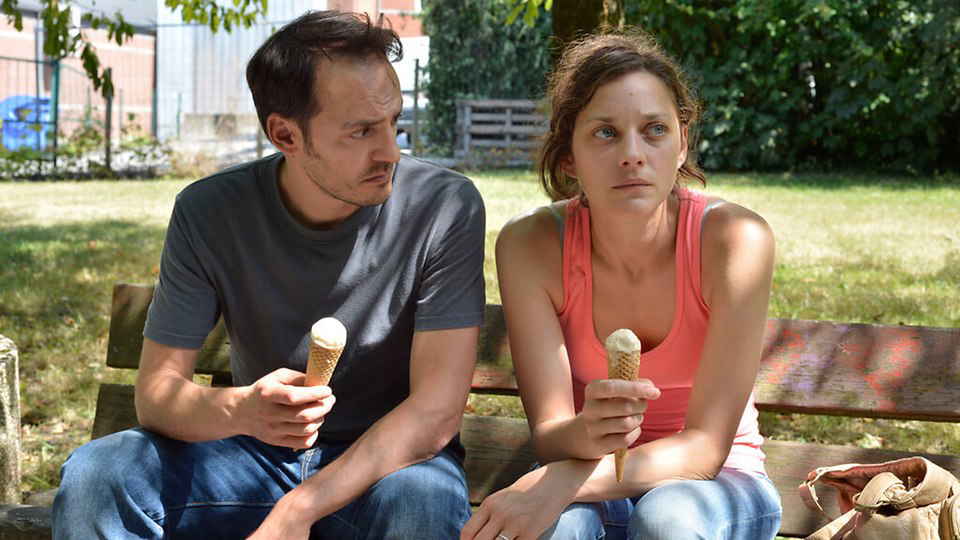
Two Days, One Night
Taking their deeply humane and political movies one step further, the Dardenne brothers cooperate with Marion Cotillard in this shocking travelogue of a woman who is trying to maintain her job and especially her dignity in the years of the economic crisis. — A young wife and mother works in a factory in a small Belgian town. In her absence, her colleagues realize that they can cover her shift with small overtimes and monetary bonuses. Her fate lies in the hands of 16 workers, whom she must convince to refuse monetary bonuses in order to keep her job. She enters a battle to save her seat, two days and one night, before the final vote. — Nominated for Best Performance by an Actress in a Leading Role (Marion Cotillard) | Oscars | 2015 Official Selection | Cannes Film Festival | 2014 Best Film | Sydney Film Festival | 2014
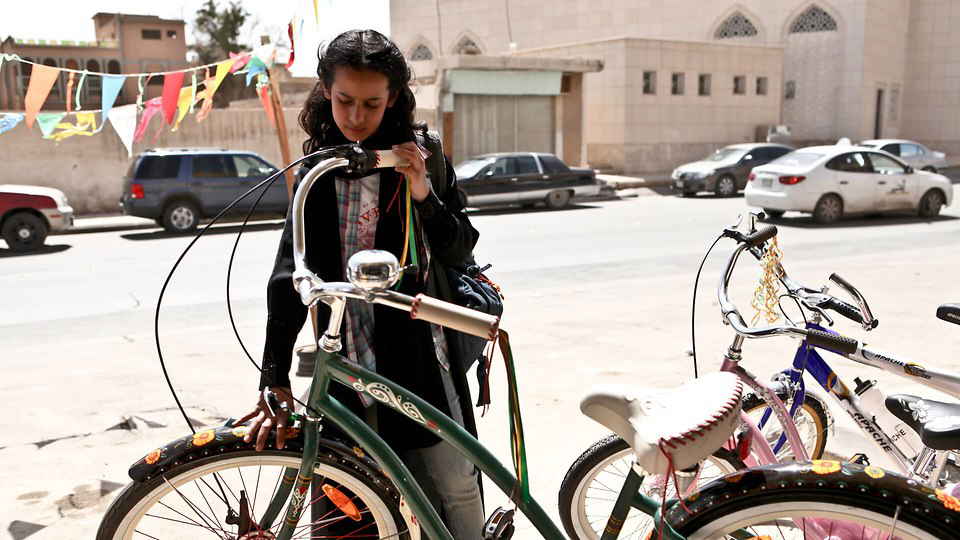
Wadjda
The first film shot in Saudi Arabia was not only directed by a woman, but it focuses on something unthinkable: a girl who wants to have a bike. It’s realist, humane, disarming and even revolutionary. — A determined 12-year-old girl lives in the capital of Saudi Arabia. She's fallen in love with a green bike and she'll do anything to get it. She will have to face a lot of obstacles, the biggest of all being that in her country it is considered immoral for a girl to ride a bike. — Interfilm Award | Venice Film Festival | 2012 C.I.C.A.E. Award | Venice Film Festival | 2012 CinemAvvenire Award | Venice Film Festival | 2012
Get free cinema tickets
Our website uses Cookies
We use cookies to offer you the best possible experience on our site.
- Necessary cookies
- Analytics cookies
- Advertisement cookies