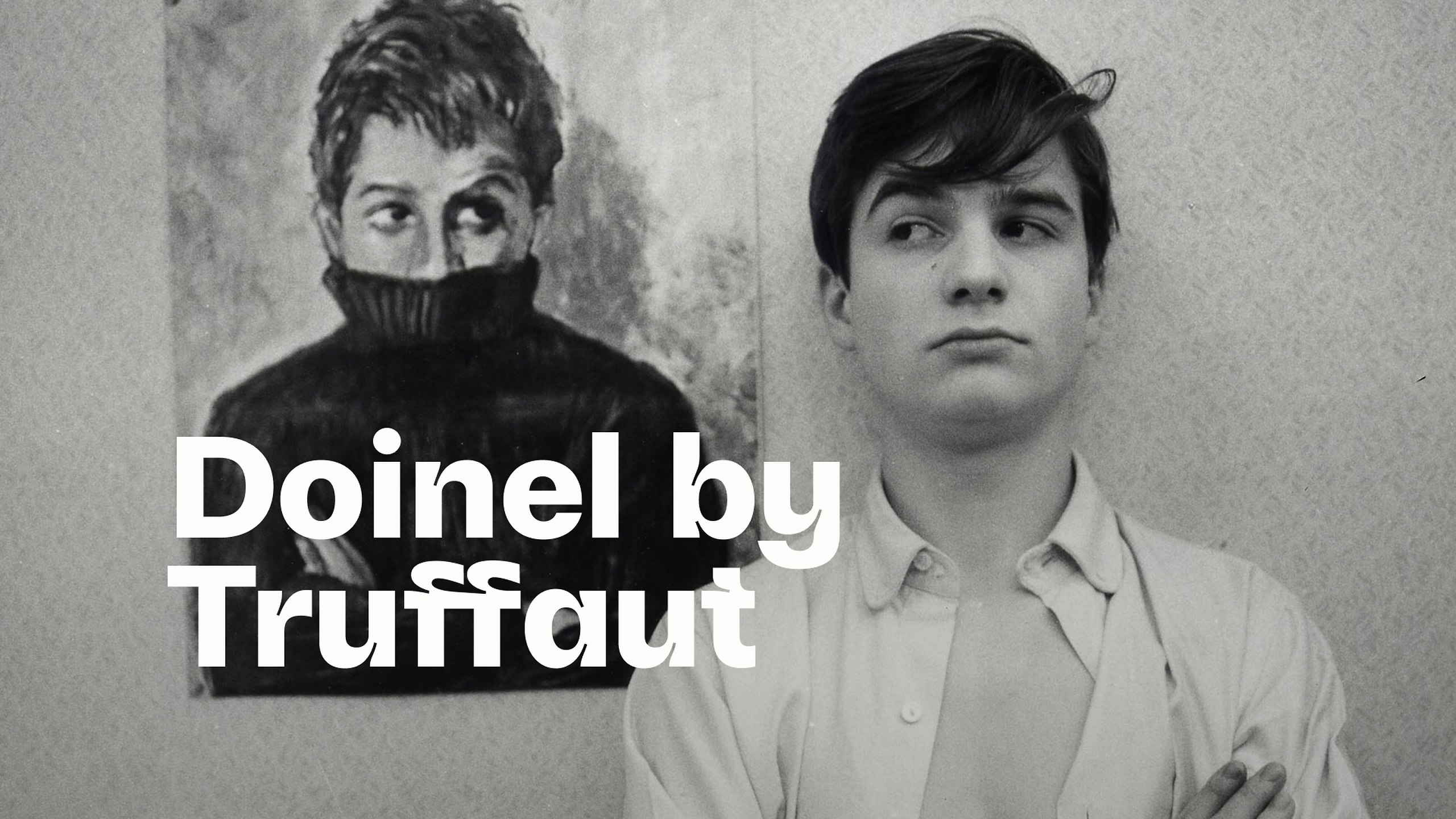
Doinel by Truffaut
And yet, one of the greatest film series of world cinema has been shot by Francois Truffaut. Starting with the iconic "400 Blows" and with the subsequent run of five films over the next 20 years, Truffaut followed his young hero, Antoine Doinel, through his coming of age, heartbreak and daily anxieties.
Titles in this collection
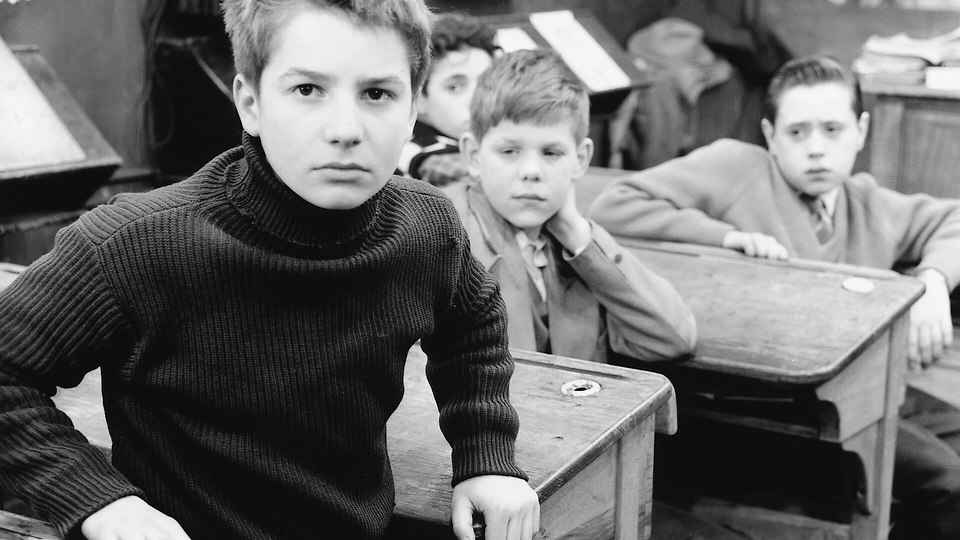
The 400 Blows
Truffaut was still a boy when his own father handed him over to the police, and years later that memory became a film. Jean-Pierre Léaud, cast in the lead, never memorised his lines but spoke in his own words. Blow after blow, you feel how cruel childhood can be. — Antoine Doinel makes his first appearance as an unruly boy growing up in a cramped Paris flat with a family that doesn’t understand him. He skips school, steals and suffers under a teacher who has it in for him, until an arrest lands him in a cell overnight with prostitutes and thieves. The court sends him to a reform school, but Antoine escapes, in search of freedom. — Official Selection | Cannes Film Festival | 1959 Best Director | Cannes Film Festival | 1959 OCIC Award | Cannes Film Festival | 1959
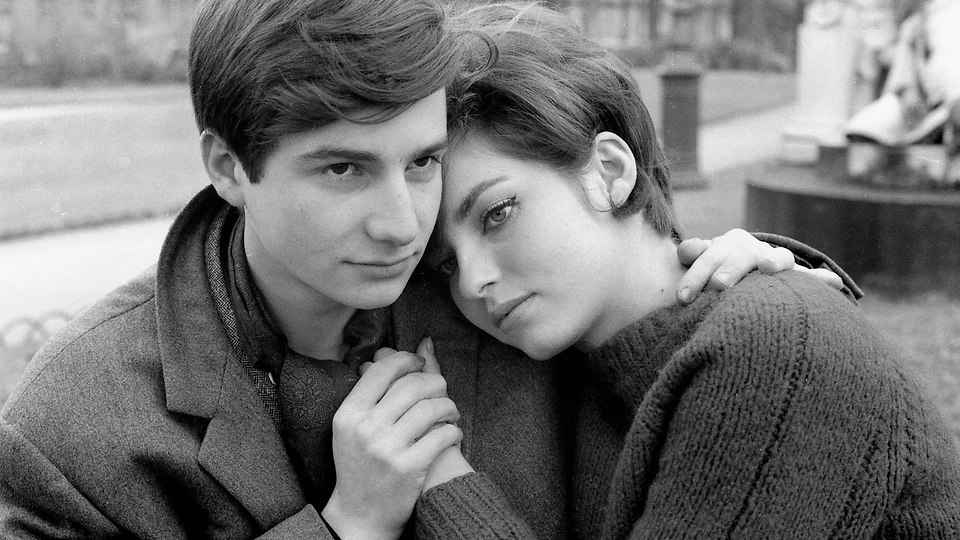
Antoine and Colette
After “The 400 Blows”, Truffaut continues the story of Antoine Doinel, with Jean-Pierre Léaud reprising the defining role of his career. This short film was shot as part of a 1962 anthology, yet it was but a small step in Antoine’s cinematic epic before he returned in three more Truffaut classics. — During a Berlioz concert, 17-year-old Antoine observes Colette, whose heart he wishes to conquer. The girl’s parents welcome him, but Colette sees him as nothing more but a good friend.
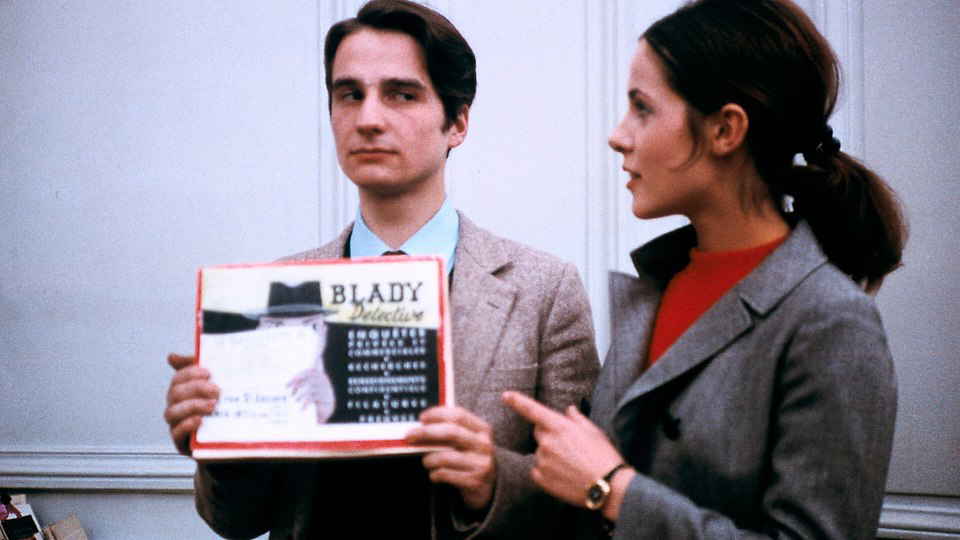
Stolen Kisses
Truffaut has never been lighter or funnier than in this next chapter of Antoine Doinel’s life, which is indecently charming and packed with nods to other films. It sings the praises of love affairs, the kind that send you soaring and then smash you to pieces. — Antoine is fresh out of the army in 1968 Paris and finding grown-up life hard going, both at work and in love. He takes a job as a private detective and falls madly for an older woman, the wife of a shoe shop owner. Not that he’s quite let go of Christine, his old girlfriend. — Nominated for Best Foreign Language Film | Oscars | 1969
Bed & Board
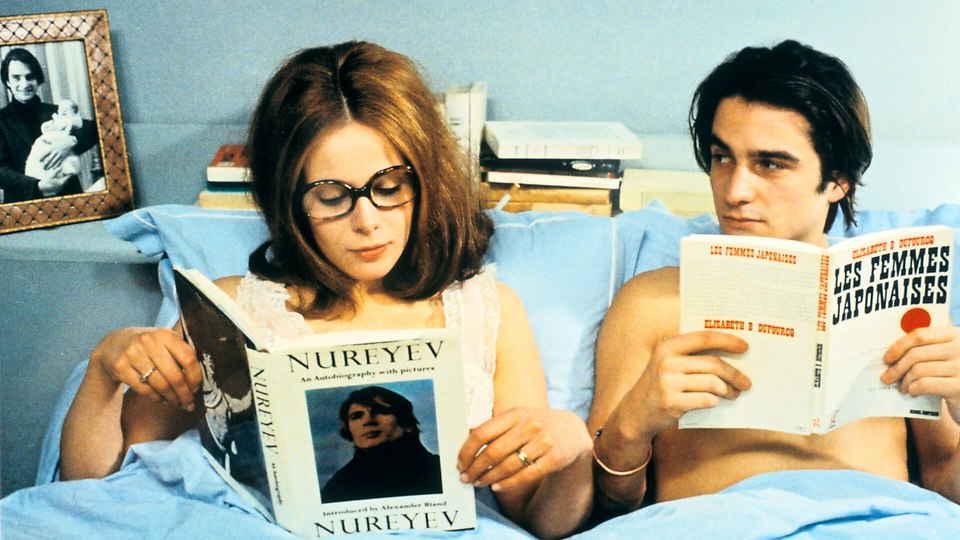
Little Antoine Doinel from Truffaut’s “The 400 Blows” has grown up, though being an adult is proving harder than he expected for a boy who never quite stopped being one. The result is a bittersweet melancholy that is often genuinely funny and, now and then, deeply touching. — Truffaut’s fourth film about Antoine Doinel, the boy from “The 400 Blows”, finds him married to the lovely Christine in a Paris apartment building where the neighbours know everyone’s business. He drifts between odd jobs, dyeing flowers and steering model ships around a pool, while Christine is expecting their first child. Then he meets Kyoko, a young Japanese woman, and the nights he comes home late start to add up.
Love on the Run
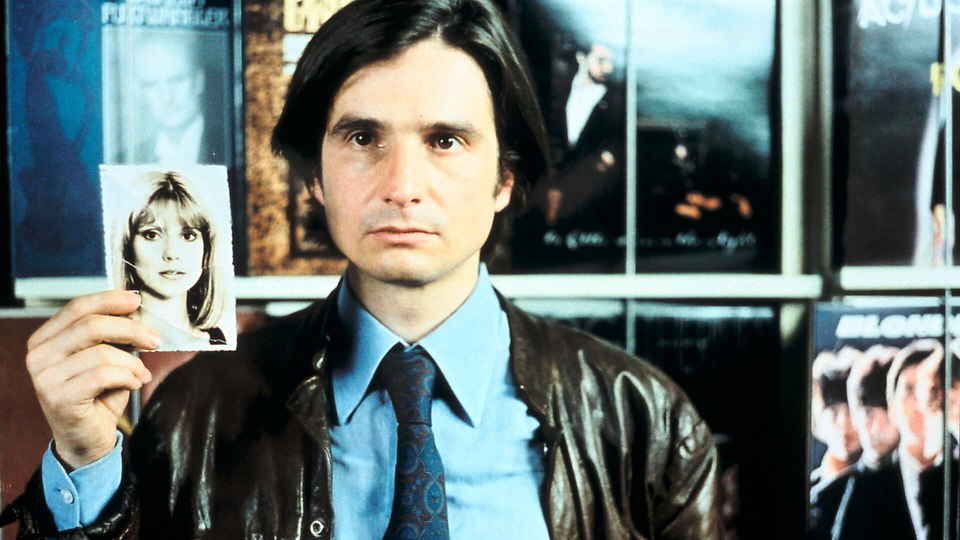
Through five films and twenty years, Antoine Doinel was François Truffaut’s alter ego, and this is where the two of them part. As moments from his past drift back, he’s still the man he always was, fighting for love, believing in it and forever looking for it. — Antoine Doinel is back one last time. His marriage weathered his first affair but has ended in divorce all the same, and now he works as a proofreader, has finally published his autobiographical novel and is falling for a woman who sells records. Then a train journey reunites him with Colette, his first love, and they spend it reading his book together. Both she and his ex-wife will prove crucial on his road to happiness. — Official Selection | Berlin International Film Festival | 1979 César Award Best Music | | 1980
Get free cinema tickets
Our website uses Cookies
We use cookies to offer you the best possible experience on our site.
- Necessary cookies
- Analytics cookies
- Advertisement cookies