
New Asian Cinema
The greatest Asian cinema of the 21st century is here and it is riveting, modern, unconventional and not even close to uniform. Ranging from clever critiques of modern society to the depths of tragedy, the auteurs create cinema of global reach and gift us their unique perspectives in this truly exquisite collection.
Titles in this collection
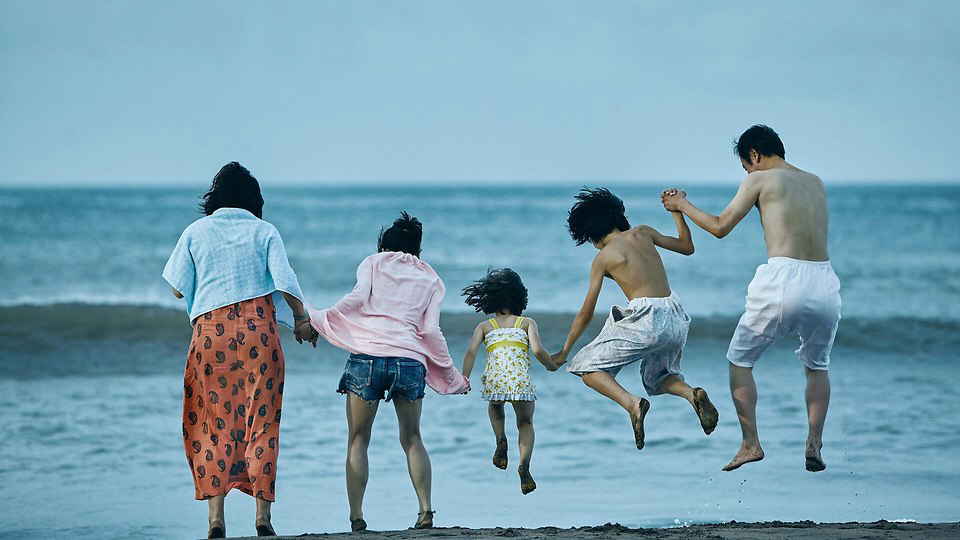
Shoplifters
It took the Palme d’Or at Cannes, even as its director was accused back home in Japan of bringing shame on his country. A family who shoplift to survive take in a child who isn’t theirs, and ending up with them is the best thing that has ever happened to her. — Fresh from another petty theft, a man and his son find a little girl out in the freezing cold, clearly chilled to the bone. His wife isn’t keen at first, but she ends up agreeing to take the girl in and look after her. Money is short and they scrape by from day to day, yet theirs is a happy home, until the day something goes wrong. — Nomination for Best Foreign Language Film | Oscars | 2019 Palme d'Or | Cannes Film Festival | 2018
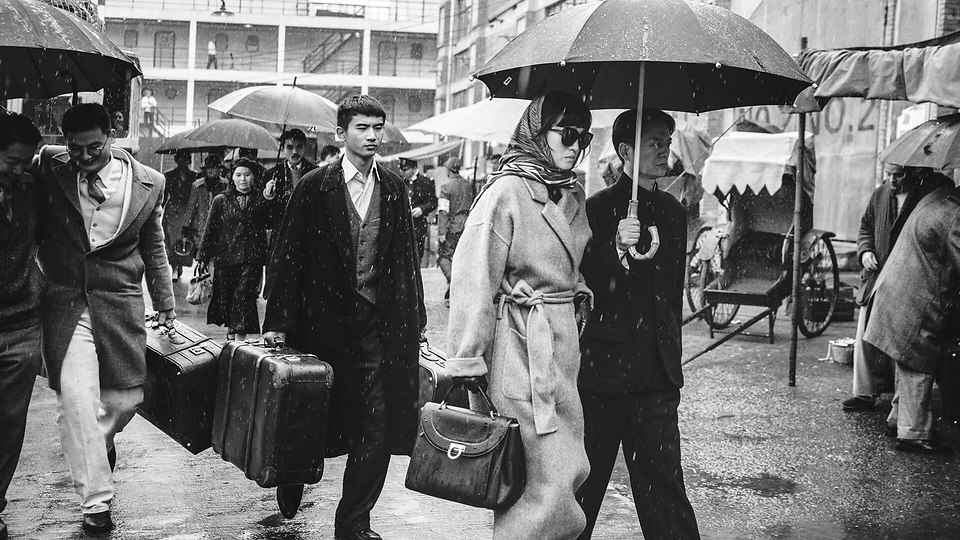
Saturday Fiction
With a Golden Lion nomination at the Venice Film Festival and with the dazzling Gong Li in the lead role, Ye Lou's Saturday Fiction ends up being a powerful spying thriller, reminiscent of those of the good old days. — In 1941, the Allied forces hire a Chinese actress to work as a secret agent in Shanghai. She collects information successfully, until she discovers that a group of Japanese people are planning a secret attack upon Pearl Harbor. — Official Selection | Venice Film Festival | 2019
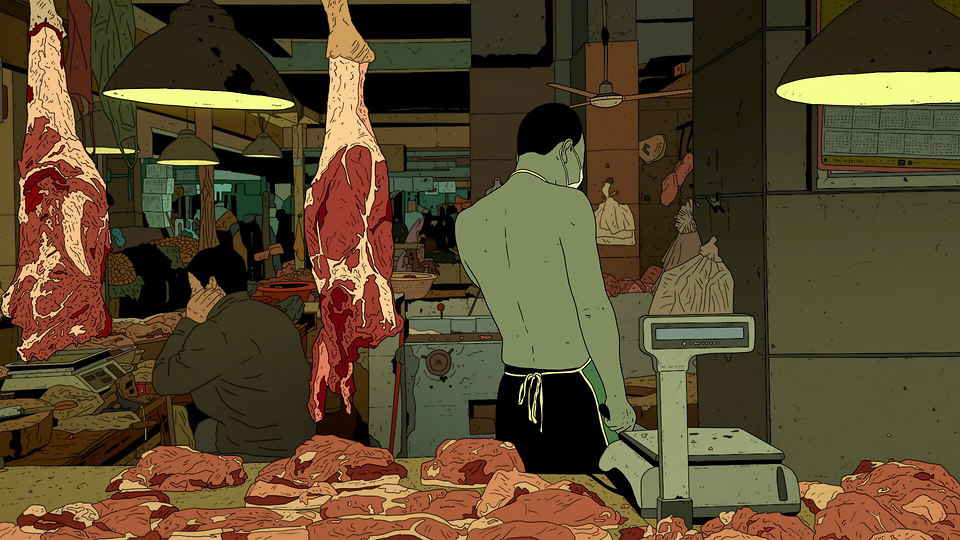
Have a Nice Day
A stolen bag of money drives this gangster noir set in a city in southern China, which Liu Jian, a trained painter, spent three years drawing almost entirely by himself. The China he draws is the real one, the one people live in every day. — When a bag full of money goes missing in a small city in southern China, all kinds of people set out to find it. They’re strangers to one another and want completely different things from life, but their paths begin to cross. One chance event triggers the next, and the night ends in blood. — Official Selection | Berlin International Film Festival | 2017
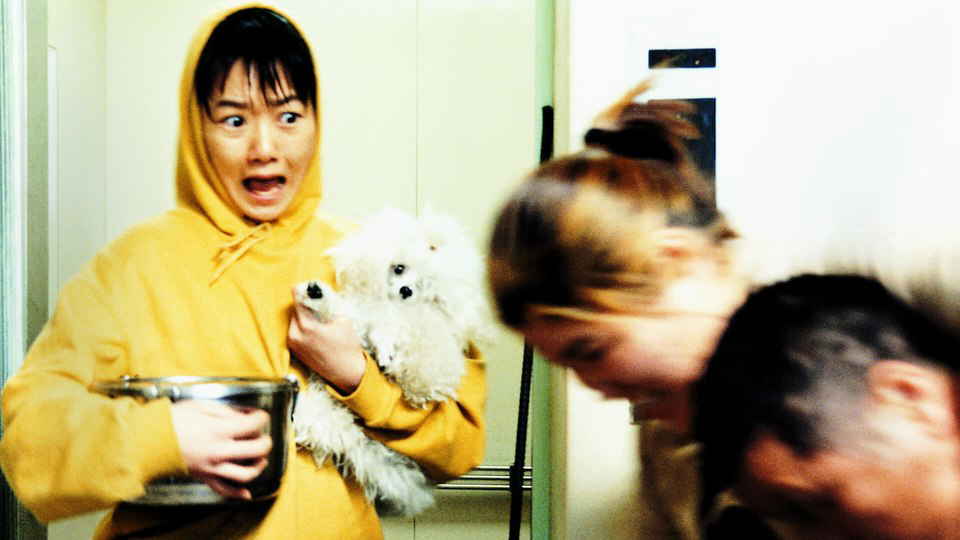
Barking Dogs Never Bite
Bong Joon-ho's impressively contrived debut reveals how the road to "Parasites" was by no means coincidental. A delightful black comedy that turns an ordinary nuisance (the barking of a dog) into a masterfully agonizing urban nightmare. — The film spans seven adventurous days in an apartment building. A college lecturer with plenty of time on his hands gets annoyed at the sound of a dog barking and tries to find out where it’s coming from. Coincidentally, he discovers a dog in front of his neighbor’s door. He instinctively thinks that it was the culprit, kidnaps the dog and locks it in the basement. — FIPRESCI Prize | Hong Kong International Film Festival | 2001
Mother
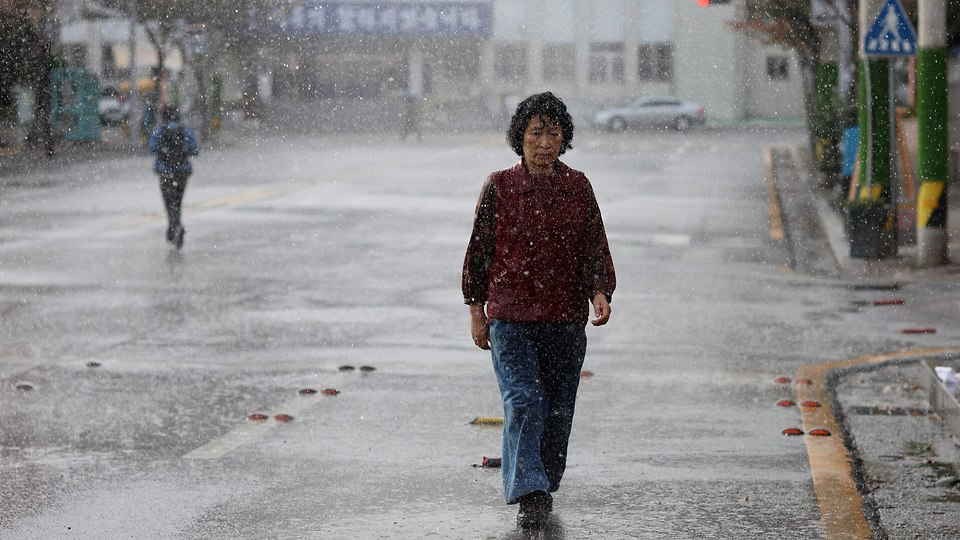
Another brilliant example of Bong Joon Ho's fascinatingly unclassified cinema, which masterly combines the genres of crime thriller, film noir, family drama and social satire to compose one of the most unconventional stories of maternal love ever screened. — One day a young girl is found dead in an abandoned building and a 27-year-old man is accused of her murder. An inefficient lawyer and an apathetic police force that closes his case too quickly inspire his mother to act on her own—to act as Mother in its purest form. Summoning all her maternal instincts and trusting no one, she sets out to find a killer and prove her son’s innocence. — Official Selection - Un Certain Regard | Cannes Film Festival | 2009
Memories of Murder
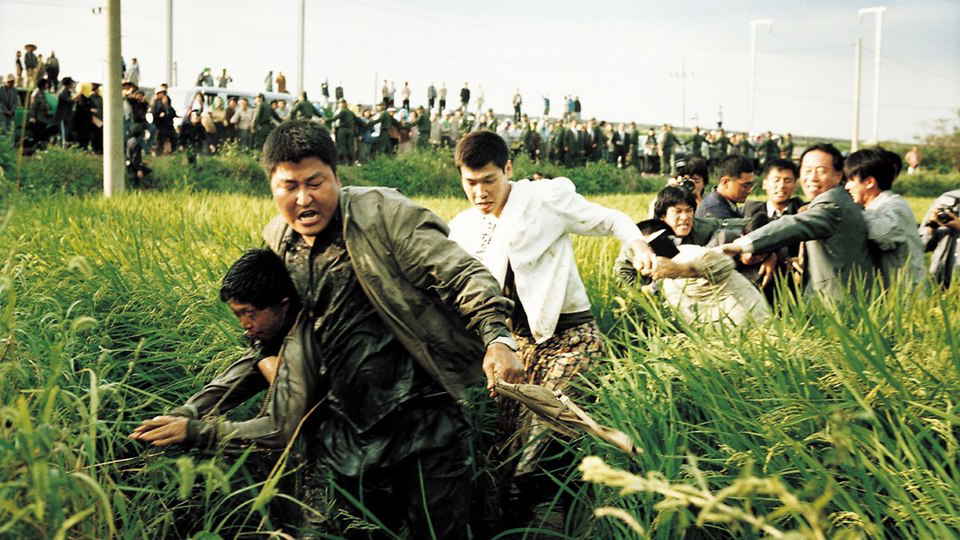
Before "Zodiac", there was Bong Joon-ho's "Memories of Murder". The 4 Oscar winning director of "Parasites" captures the true story of Korea's first serial killer murders, as two detectives follow the murderer's trail. One of the top Korean movies of all time. — In 1986, two unsuspecting detectives take on the case of a double murder in a South Korean province. But when the killer strikes several times again, detectives realize they're on the hunt for the country's first recorded serial killer. Based only on their instinct and skills, the two detectives attempt to solve the puzzle by combining the evidence at their disposal, in a thriller based on true events. Oscar winner Bong Joon-Ho's first collaboration with the star of "Parasites", Song Kang-ho. — Best Director | San Sebastián International Film Festival | 2003 Best New Director | San Sebastián International Film Festival | 2003
The Handmaiden
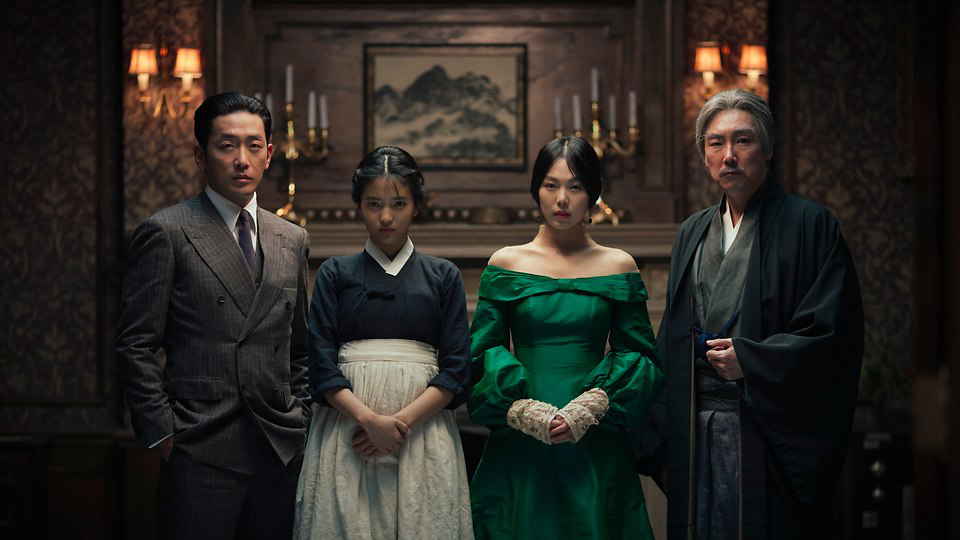
The film that re-established Chan-wook Park's popularity on a scale similar to that of "Oldboy". An erotic thriller during the era of Japanese-occupied Korea that magnetizes the audience due to its amazing visual work that turns it into a true celebration of the senses. — In 1930s Korea, during the Japanese occupation, a young girl (Sook-Hee) is hired as a maid to a Japanese heiress (Lady Hideko) who lives a lonely life on a large estate in the countryside, with her domineering uncle (Kouzuki). But the maid has a secret. She is a pickpocket who has been hired by a fraudster to seduce the heiress, steal her property and have her locked up in a madhouse. Things seem to go according to plan, until Sook-Hee and Hideko "discover" an unexpected connection between them. — Vulcain Prize | Cannes Film Festival | 2016 Best Non-English Language Film | BAFTA Awards | 2018
Asako I & II
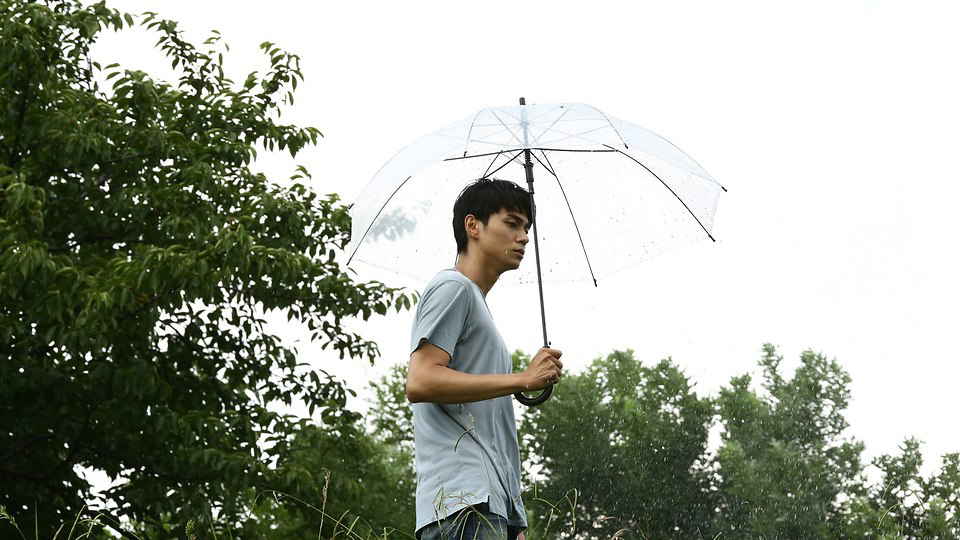
Three years before “Drive My Car”, Ryûsuke Hamaguchi brought to Cannes a pop romance that works as a tender variation on Hitchcock’s “Vertigo”. Asako is in love with one man yet can’t take her eyes off another, and the same actor plays them both. — Asako falls head over heels for Baku, who drifts into her life without explanation and disappears just as suddenly. Two years later, while working at a café in Tokyo, she meets Ryohei, a salesman for a sake company who has her lost love’s face, and they start building a life together. Baku, meanwhile, has become a model, and now he looks down from posters all over the city. — Official Selection | Cannes Film Festival | 2018 Official Selection | San Sebastian International Film Festival | 2018
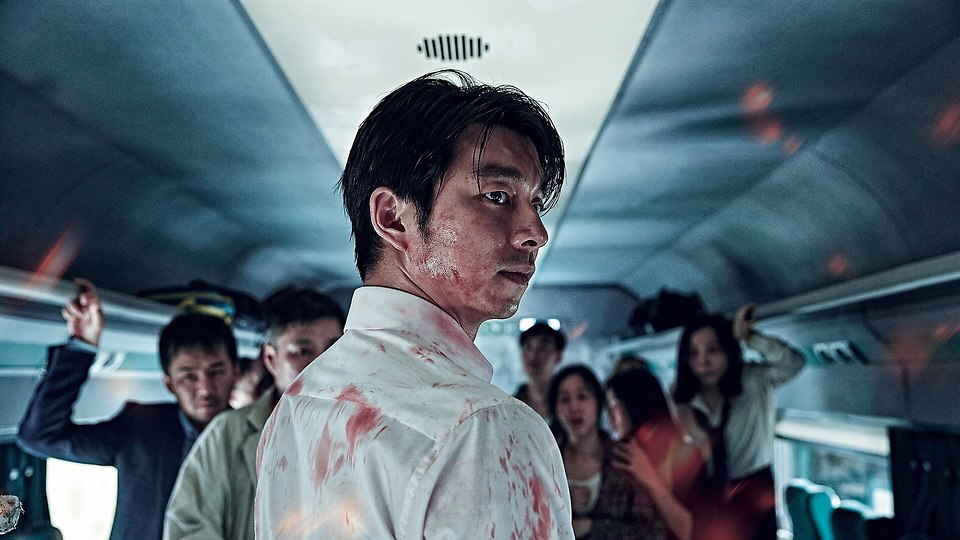
Train to Busan
The legendary horror film from South Korea that made every train journey feel different. A family in crisis and the outbreak of the Zombie Apocalypse, all while on the move. Terror, suspense, blood, emotion, and even a commentary on class, in one of the most famous horror movies of the past decade. — An unidentified virus sweeps through South Korea, evolves into a pandemic and turns the country’s residents into the living dead. The Government is forced to put the country in a state of emergency but not even declaring martial law is enough. The only unaffected passengers of a bullet train to Busan (a city that has stopped the spread of the virus) have to fight to the death to survive. In the 453 kms of this bloody ride, they will do everything to stay alive. — Official Selection | Melbourne International Film Festival | 2016 Official Selection | Macao International Film Festival | 2016
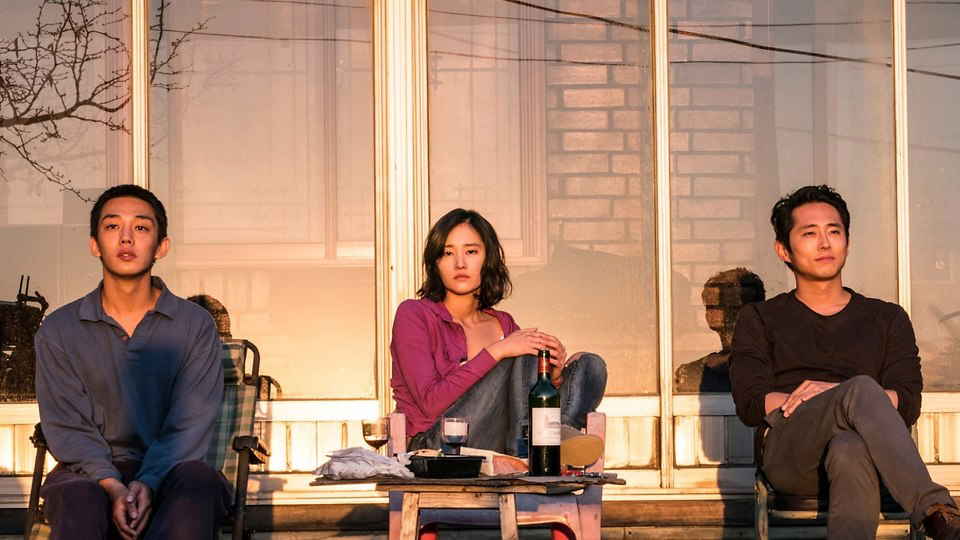
Burning
Lee Chang-dong (“Poetry”) hadn’t made a film in eight years when he adapted a Murakami short story and won the critics’ prize at Cannes with it. What begins as a drama turns, without a jolt, into a thriller, and people are still arguing about the ending. — By chance, Jong-su bumps into Hae-mi, a girl who used to live nearby, and agrees to look after her cat while she’s away travelling. She comes back with Ben, a mysterious young man she met on the way, who has no job but never seems short of money. Soon the three of them are spending time together, and Jong-su can’t figure Ben out. — FIPRESCI Prize | Cannes Film Festival | 2018 Vulcain Prize for the Technical Artist | Cannes Film Festival | 2018
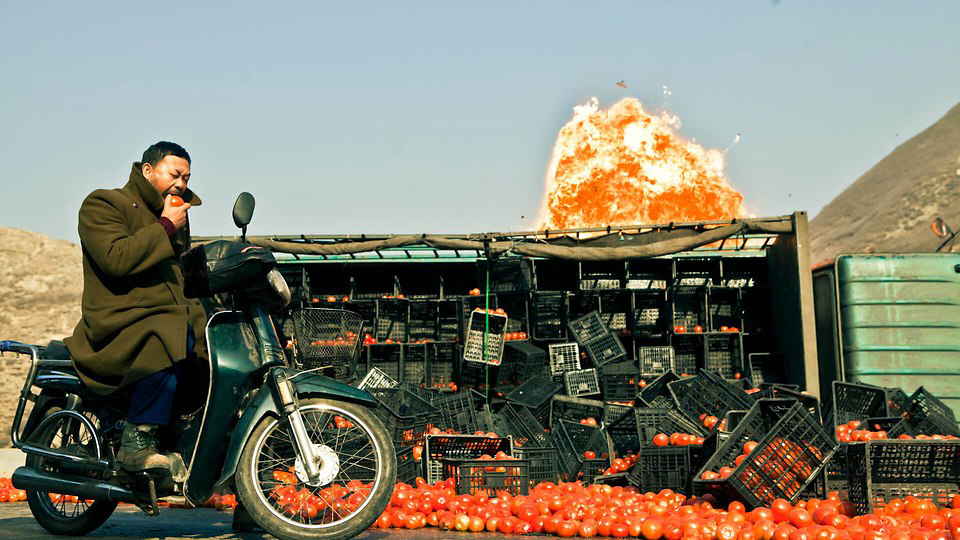
Touch of Sin
Jia Zhangke took four true stories straight from the news, about a miner, a man with a gun, a spa receptionist and a young assembly-line worker, and won the screenplay award at Cannes in 2013. China gave the film a release date, but the censors made sure that day never came. — For years Dahai has been telling anyone in Shanxi province who will listen that the village bosses sold off the mine and pocketed the money. Across three other Chinese provinces, three other people reach much the same conclusion: a worker heading home for the New Year, a spa receptionist and a young man drifting from factory to factory. Four people in four provinces, all living inside the same economic giant. — Best Screenplay | Cannes Film Festival | 2013
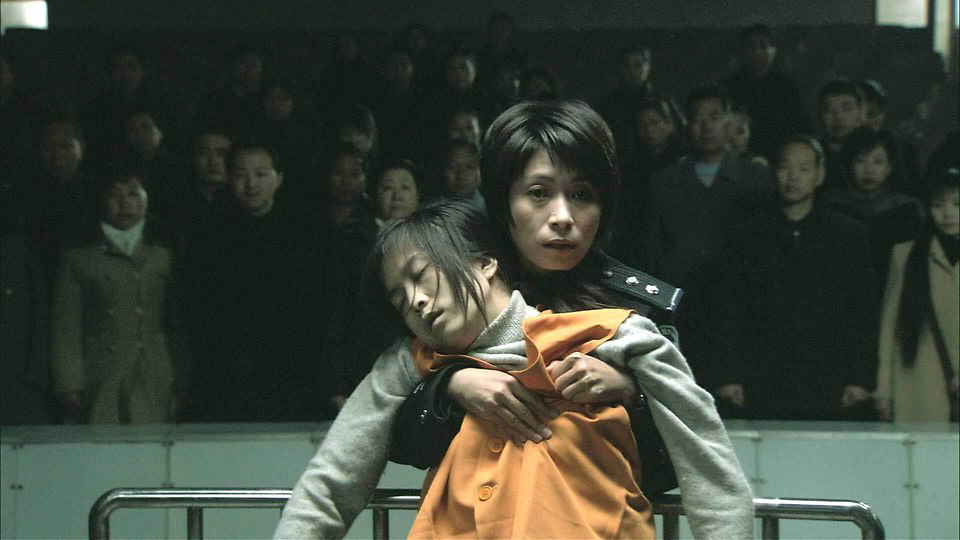
Night Train
The film that introduced Diao Yi'nan (Black Coal, Thin Ice) as one of the most compelling young Chinese directors, is an atmospheric and dark story of a doomed love in the faceless and chaotic modern-day China. — In a prison for criminals condemned to death, a lonely and widowed correctional officer often travels with the night train to a neighboring town to meet men through a dating service. After many unsuccessful attempts, she will feel attracted to a mysterious man, without knowing that he is hiding a secret. — Official Selection - Un Certain Regard | Cannes Film Festival | 2007
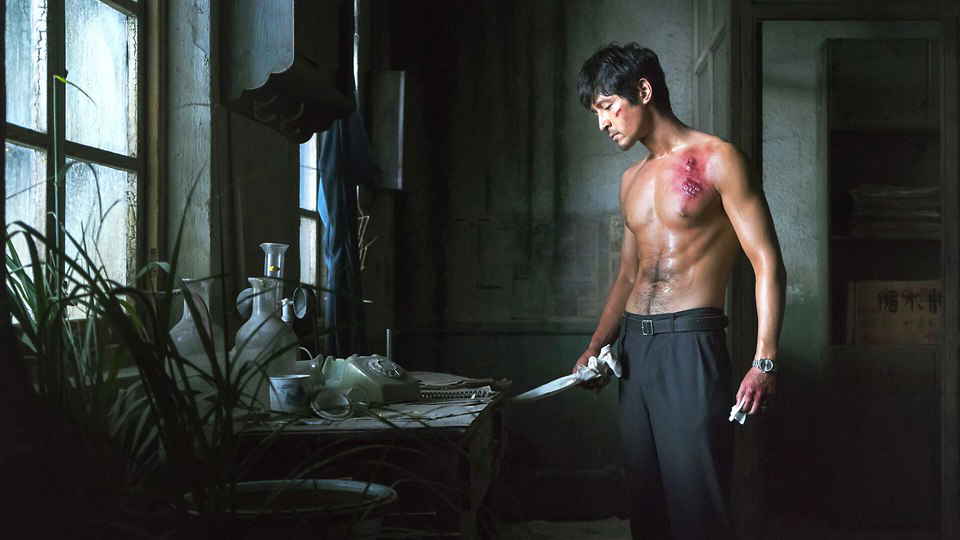
The Wild Goose Lake
A mobster on an agonizing escape-run leaves a trail of blood all over modern-day China. An impressive neon noir thriller from the award-winning director of “Black Coal, Thin Ice”, that immerses us in a colorful darkness full of twists and riveting action scenes shot with intense precision. — When Zhou Zenong, the leader of a small local mafia, accidentally kills a police officer, he becomes an outlaw overnight. He is thus forced to escape from both the police and the dangerous gangsters who hunt him for the reward. He hides in China's densely populated (and deeply divided) province of Wuhan, where he becomes entangled with a beautiful, enigmatic woman, who has mysterious intentions. — Official Selection | Cannes Film Festival | 2019 Official Selection | San Sebastian International Film Festival | 2019
Get free cinema tickets
Our website uses Cookies
We use cookies to offer you the best possible experience on our site.
- Necessary cookies
- Analytics cookies
- Advertisement cookies