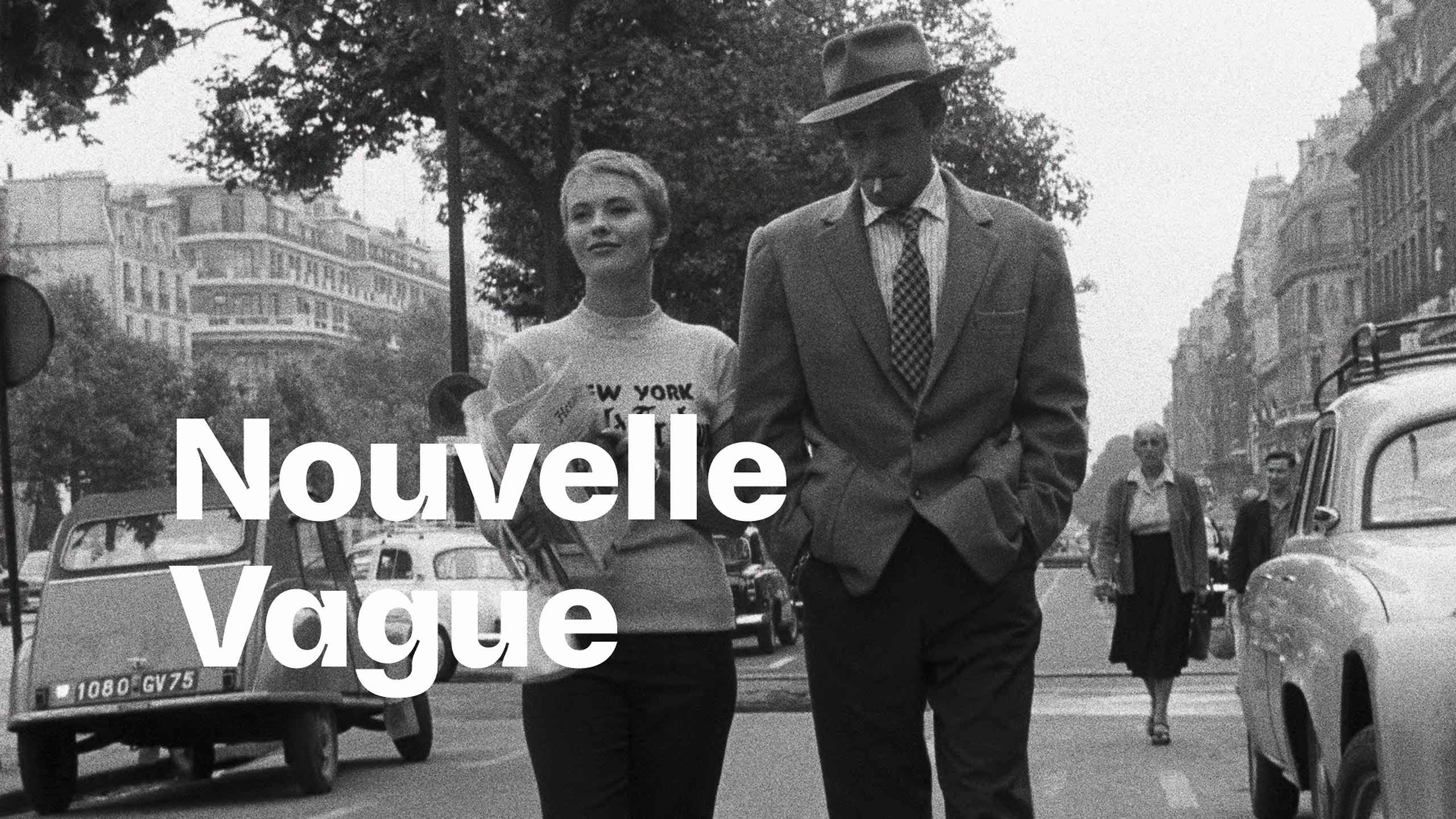
Νοuvelle Vague
Few cinematic movements have been as influential as the one that emerged from the legendary Cahiers du Cinema. A complete break with the rules, absolute artistic freedom for the filmmaker, and just the right amount of audacity from a group of critics who proved that “you don’t make a movie· the movie makes you.”
Titles in this collection
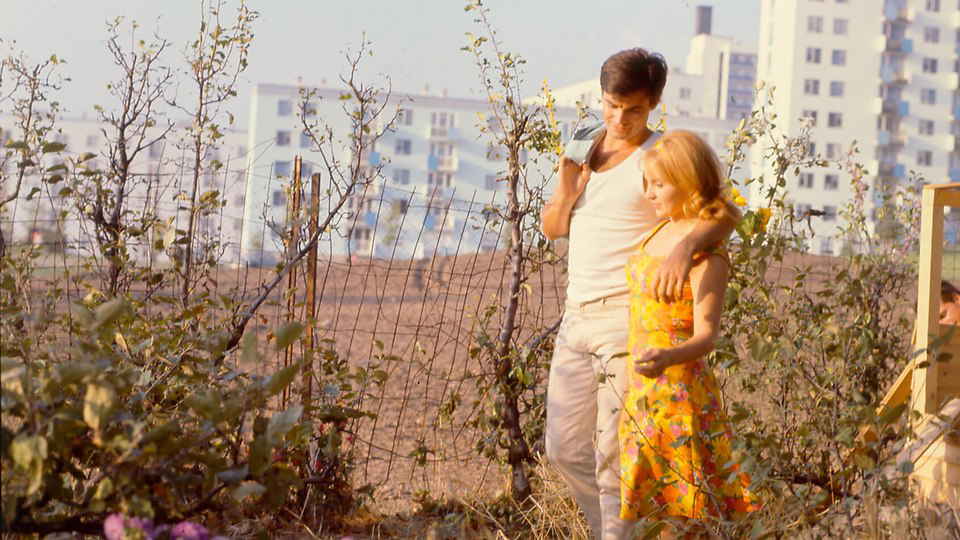
Le Bonheur
Warm colours, Mozart and pastoral calm fill the sunniest film about infidelity ever made, which Agnès Varda shot just before May 1968. Her hero is a man who falls for a second woman and begins to believe he can add a new happiness to his life without losing the first. — A young carpenter has a comfortable, peaceful life, a lovely wife and two wonderful children. He’s happily married, but on a work trip he meets another woman and they begin an affair. His wife can tell something has put him in an unusually good mood, and since he can’t bring himself to lie to her, he tells her the truth. Nothing has changed between them, he promises. — Special Prize of the Jury | Berlin International Film Festival | 1965
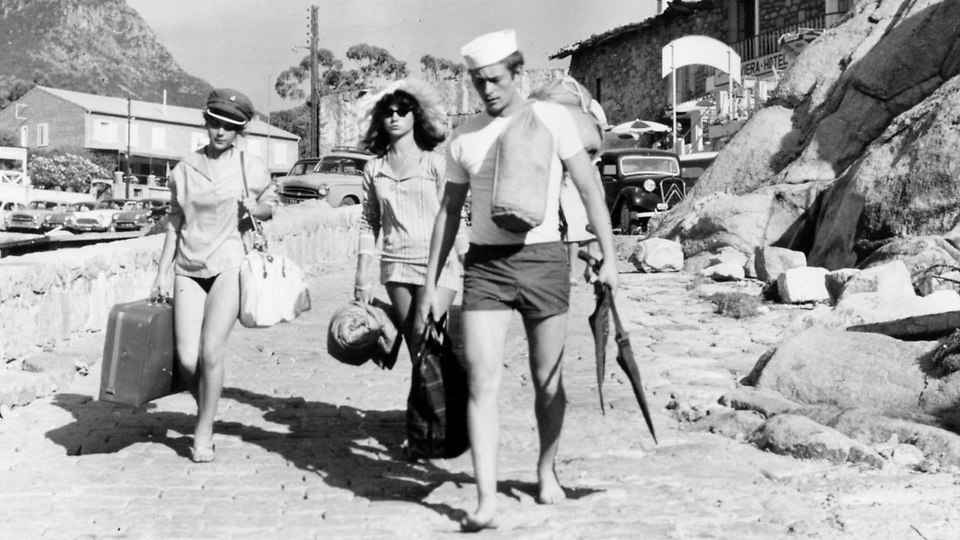
Adieu Philippine
On the border of Nouvelle Vague and neorealism, with a war out of sight and the anarchic ecstasy of youth as a showcase, Jacques Rozier's film takes us on a journey to Corsica and claims its place as an overlooked masterpiece of the time. — Michel is a young man who is going to do his military service in two months during the war in Algeria. Juliette and Liliane are inseparable best friends and aspiring actresses, hanging out outside the TV studio. Michel invites them to watch, flirts with both of them, and starts dating them – separately. When Michel goes on holiday to Corsica, just before he is drafted, the girls follow him.
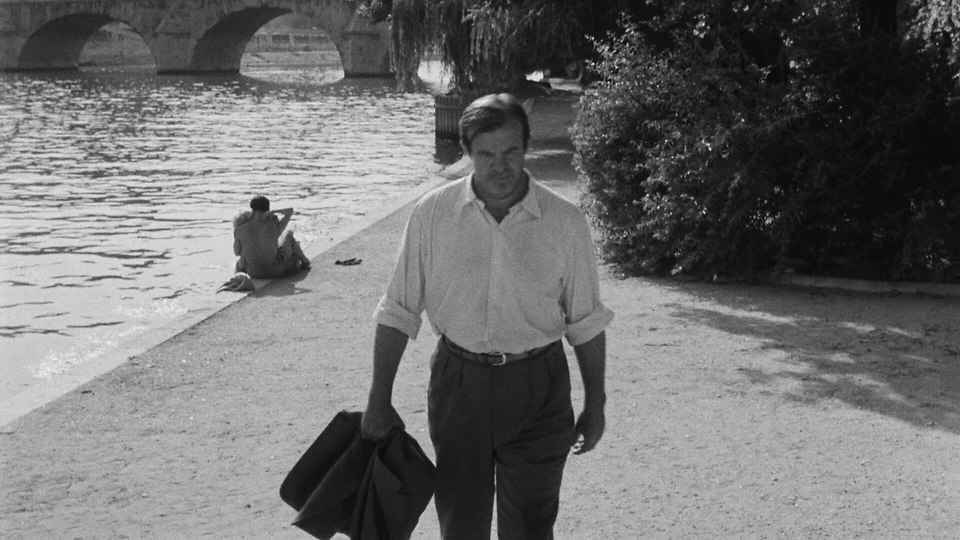
Sign of the Lion
An American in (bohemian) 1950s Paris. Temptation, morality and life as a game of luck. Éric Rohmer’s debut is a Nouvelle Vague film beloved by cinephiles, produced by Chabrol and featuring a cameo by Godard. — Expecting to inherit his wealthy, recently deceased aunt, an American in Paris – born a leo and therefore certain luck will always be by his side – squanders his money and accrues debt, only to find himself trapped when he finds out his aunt has disowned him and there is no inheritance money coming to his rescue. But, all of a sudden, everything changes because of a shocking accident.
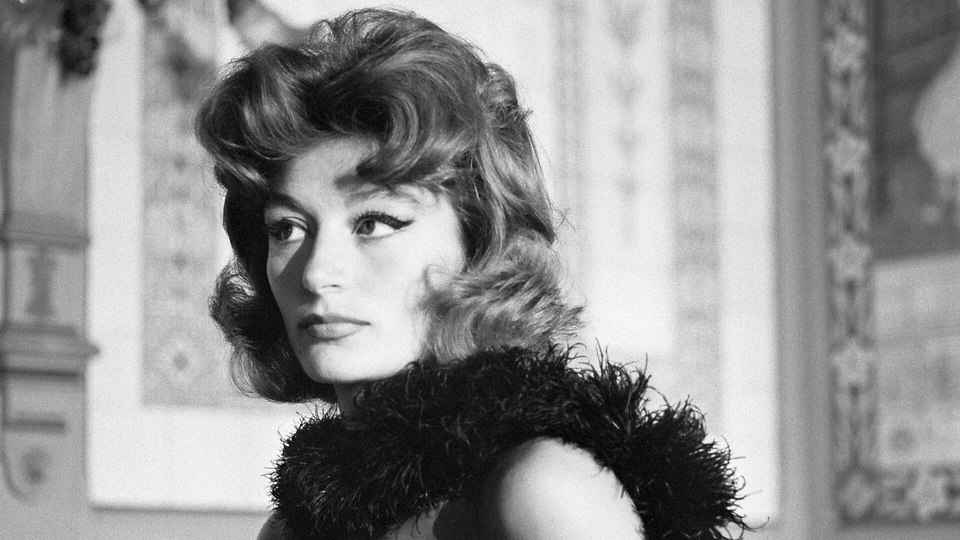
Lola
Jacques Demy’s debut doesn’t get talked about nearly enough, yet three years before “The Umbrellas of Cherbourg” it showed a voice that stood brilliantly apart from the New Wave. Anouk Aimée is dazzling as a cabaret dancer still waiting for the man who left her seven years ago. — A young man is drifting through life in Nantes when he bumps into Lola, a cabaret dancer he knew years ago, and falls in love with her. Lola, though, still can’t stop thinking about the lover who left her seven years earlier. To make some quick money he gets mixed up in diamond smuggling, and that’s just when Lola’s former lover reappears.
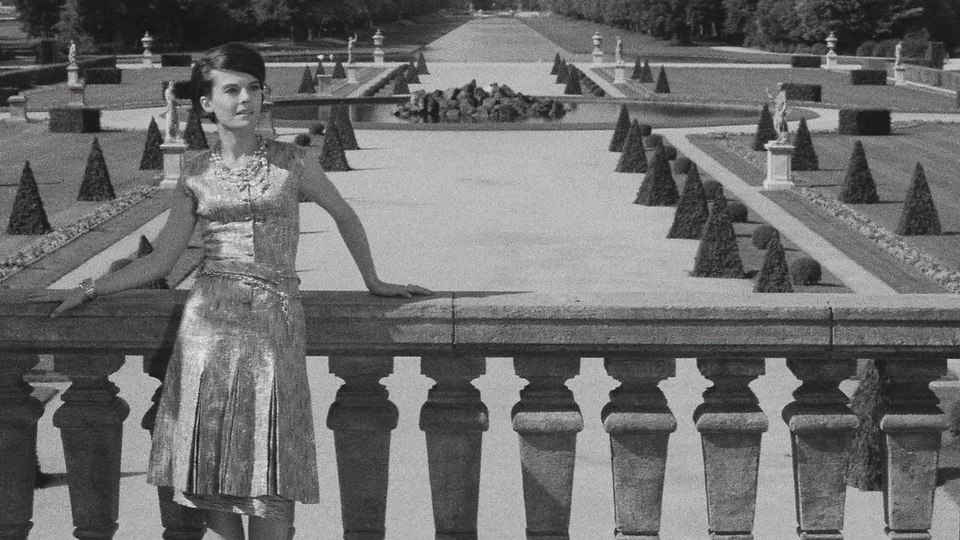
Last Year at Marienbad
What is reality, and what is a dream? And what if the two cannot be disentangled? Alain Resnais weaves an immortal cinematic enigma, one of the great monuments of the seventh art, in which memories, visions, and dreams are brought to life through black-and-white imagery of spellbinding beauty. — An anonymous man lays siege to an anonymous woman in a tower at Marienbad, amid a gathering of idle aristocrats. He insists that they met in the same place a year earlier and that they shared a brief yet fierce love affair. He tells her that she had promised him they would meet again one year later. She denies it, maintaining that she remembers nothing of the sort. The man does everything in his power to persuade her, inundating her with details connected to their supposed romance. — Golden Lion | Venice Film Festival | 1961 Nominated for Best Original Screenplay | Oscars | 1963
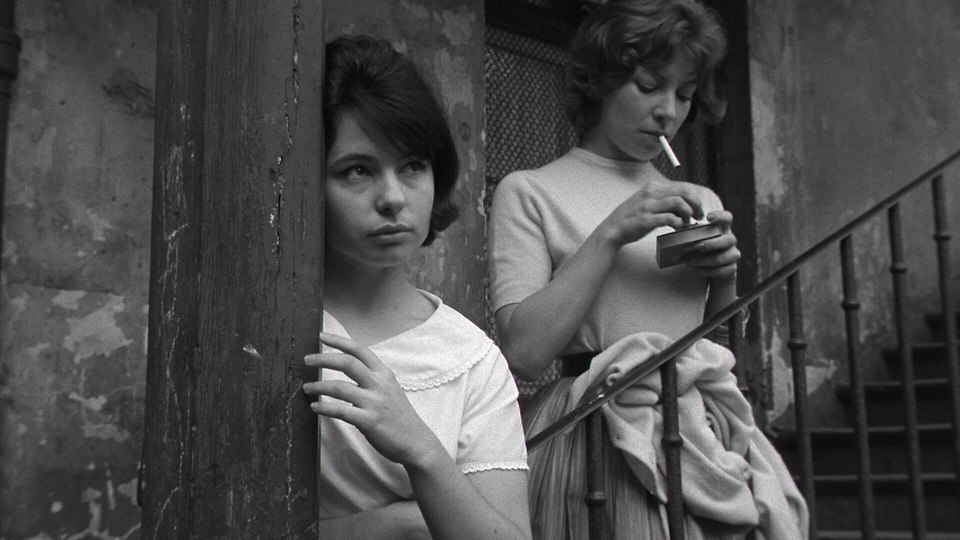
Paris Belongs to Us
Bohemian Paris in the '50s, conspiracies, Cold War paranoia. In the beginnings of Nouvelle vague, the great Jacques Rivette with his first feature film, puts post-war Europe under the microscope through a mystery film about a group of twenty-year-old intellectuals who may be hiding many secrets. — Jacques Rivette's provocative directorial debut follows a young literature student who becomes friendly with a group of twenty-year-old intellectuals in Paris, when they are brought together by the suicide of a common acquaintance. The mystery film depicts the bohemian Parisian life of the late '50s, framed within the collective social disillusionment of post-war Europe.
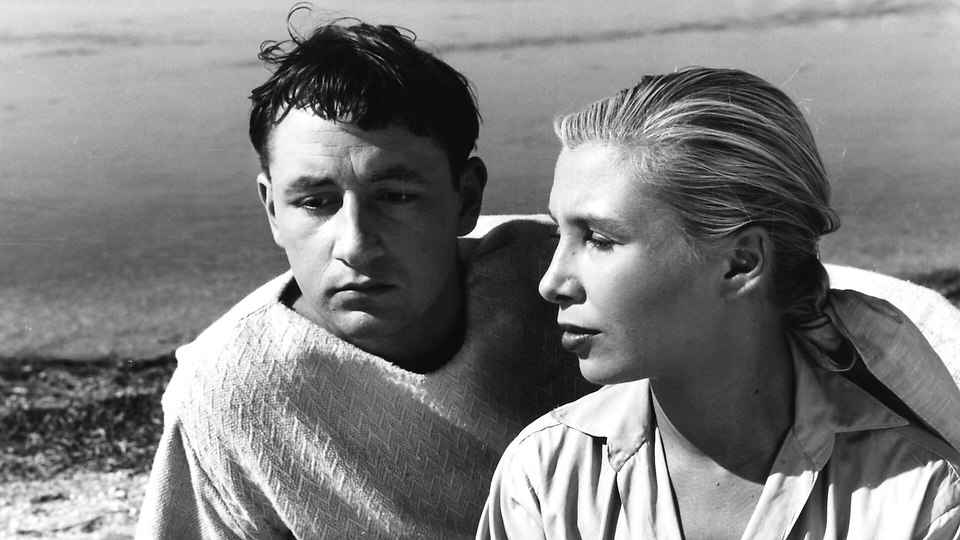
La Pointe Courte
Varda insisted she had only seen a handful of films before making her first movie, but both the film critics and her future peers were stunned when they watched one of the most mature and sophisticated debuts in French film history. — A man arrives at a train station to meet his wife. After 4 years of marriage, the couple has problems, but they decide they belong together. When they return to Paris, she is armed with a better understanding of her husband after having visited the area where he grew up. It’s a place of poor and proud people. Fishermen gather shellfish from a bacteria-laden lagoon. A toddler dies from an unidentified disease. A young man is allowed to flirt with a neighbor's daughter after winning a tournament.
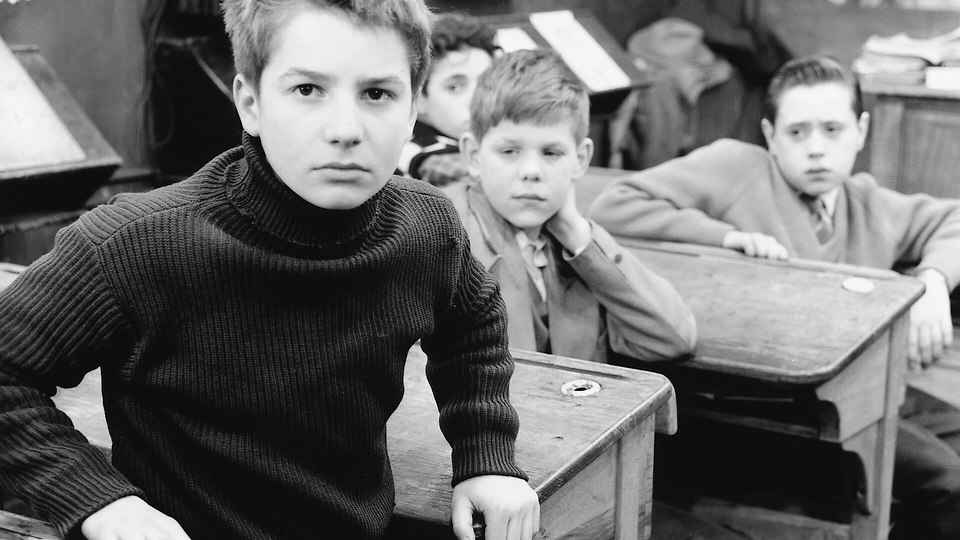
The 400 Blows
Truffaut was still a boy when his own father handed him over to the police, and years later that memory became a film. Jean-Pierre Léaud, cast in the lead, never memorised his lines but spoke in his own words. Blow after blow, you feel how cruel childhood can be. — Antoine Doinel makes his first appearance as an unruly boy growing up in a cramped Paris flat with a family that doesn’t understand him. He skips school, steals and suffers under a teacher who has it in for him, until an arrest lands him in a cell overnight with prostitutes and thieves. The court sends him to a reform school, but Antoine escapes, in search of freedom. — Official Selection | Cannes Film Festival | 1959 Best Director | Cannes Film Festival | 1959 OCIC Award | Cannes Film Festival | 1959
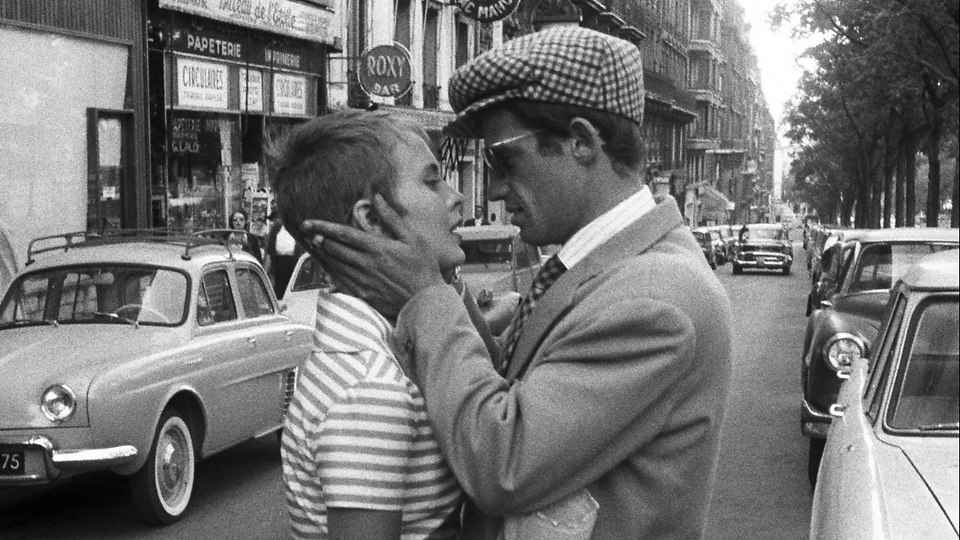
Breathless
Godard shot it in twenty-three days, writing each morning’s dialogue in a notebook nobody was allowed to read, while his cameraman filmed the streets from inside a postal cart with a hole cut for the lens. Cinema had rules before it, and possibilities after. Belmondo, Seberg and anarchy on film. — After killing a policeman on a country road, Michel heads for Paris, where he looks up Patricia, an American who sells newspapers on the Champs-Élysées, and tries to persuade her to go to Italy with him. Patricia can’t make up her mind. Meanwhile, the police are closing in. — Best Director | Berlin International Film Festival | 1960 Nomination for Best Foreign Actress (Jean Seberg) | BAFTA Awards | 1960
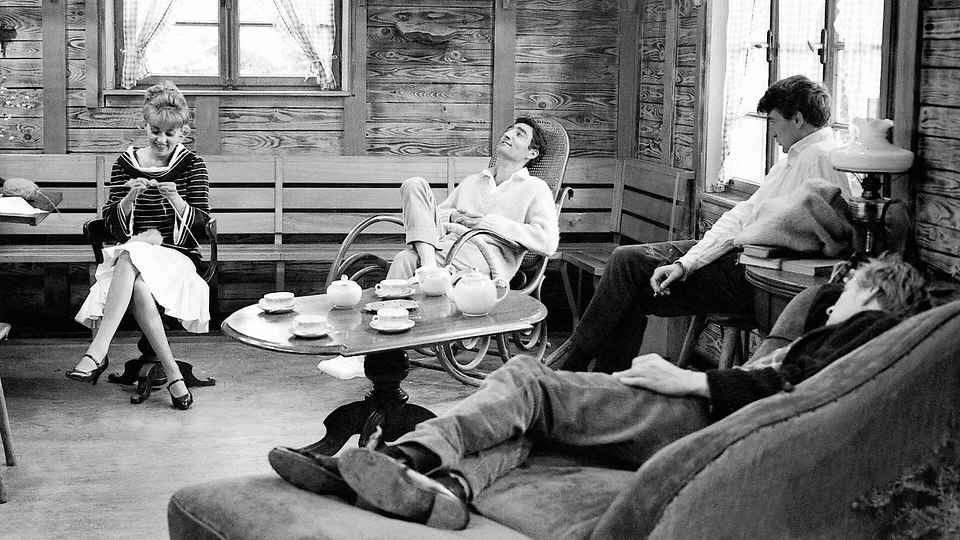
Jules and Jim
The New Wave is at its freest, most passionate and most anarchic here, with Jeanne Moreau as the woman two friends go on loving for twenty years. Nothing about that arrangement is ever simple. — Jules is a shy Austrian writer and Jim a French intellectual, and in Paris around 1912 the two friends meet Catherine, a beautiful, passionate woman who does exactly as she likes. What follows is a love affair for three, until the war separates them. Jules and Catherine marry, and for a while all three remain friends, but the balance between them never quite holds. — Best Director | Mar del Plata Film Festival | 1962
Get free cinema tickets
Our website uses Cookies
We use cookies to offer you the best possible experience on our site.
- Necessary cookies
- Analytics cookies
- Advertisement cookies